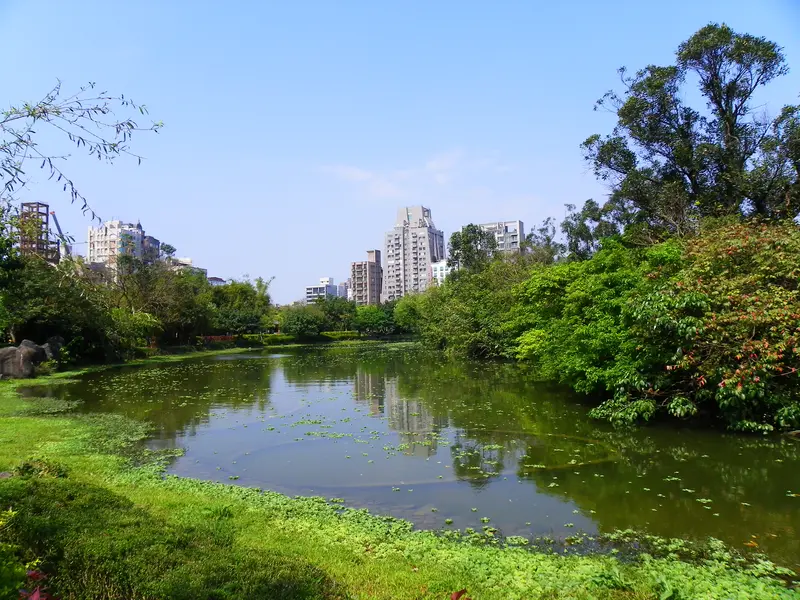
Daan Forest Park: green space and a mid-trip reset
A roughly 26-hectare green expanse opened in 1994 and known as ‘the lungs of Taipei’—an ecological pond, jogging loops, and open lawns for slowing down between dense sightseeing days.
Read more →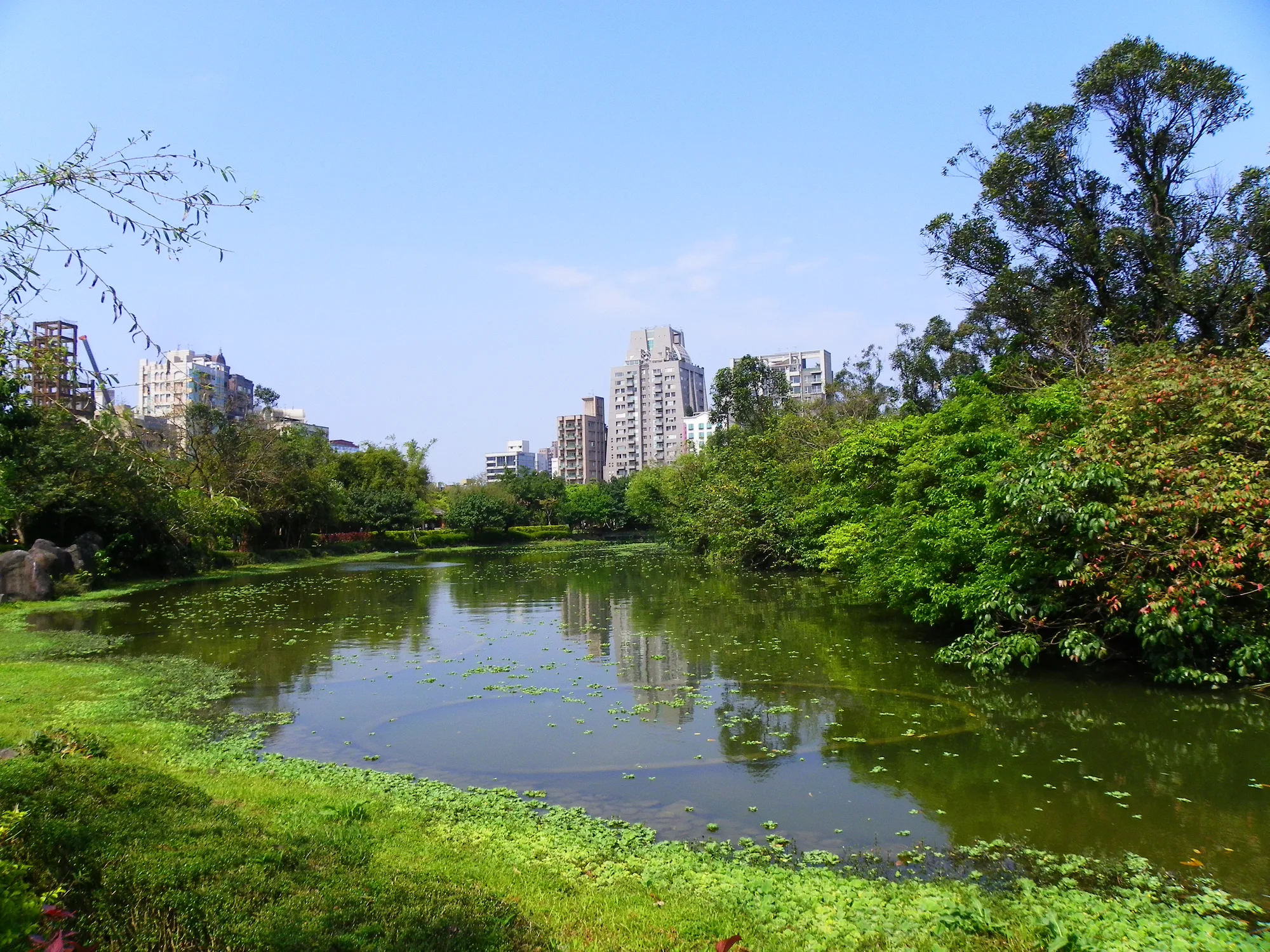
A practical guide to Taipei’s best parks, gardens, and ‘breathing space’ stops—plus pairing ideas so green time actually improves your itinerary.
A practical guide to Taipei’s best parks, gardens, and ‘breathing space’ stops—plus pairing ideas so green time actually improves your itinerary.
Updated June 20, 2026
 Quick facts資訊
 CostTime neededGetting thereBest time / forGood to knowBest forTime to readCore idea
 Highlights亮點
Taipei can be dense in the best way: street food, alley texture, MRT convenience. But density can also quietly exhaust you. A park stop is the simplest antidote—it resets your pace, your photos, and your mood.
The trick is not treating parks as separate destinations. Use them as buffers: between museums and dinner, between shopping and nightlife, between jet lag and your first big sight.
Pick the green stop that fits your day. Some parks are perfect for a quick walk; others are best as a longer, quieter reset.
If you want the ‘feel good’ version of Taipei, build your day around a single park moment. These templates keep transfers low and the day walkable.
Early mornings are calm and photogenic. Late afternoons feel cinematic and set you up for an easy dinner afterward. On hot months, parks are best in the morning or after sunset.
Each of Taipei’s green spaces has its own personality, and matching the park to your day is half the skill. Daan Forest Park is the all-rounder — a large, leafy expanse often called the city’s ‘lungs,’ with an ecological pond and wide paths, and it’s the easiest reset to pair with cafés and food in Daan. It’s open around the clock and reachable straight from the Red line, which makes it the most universally useful single choice.
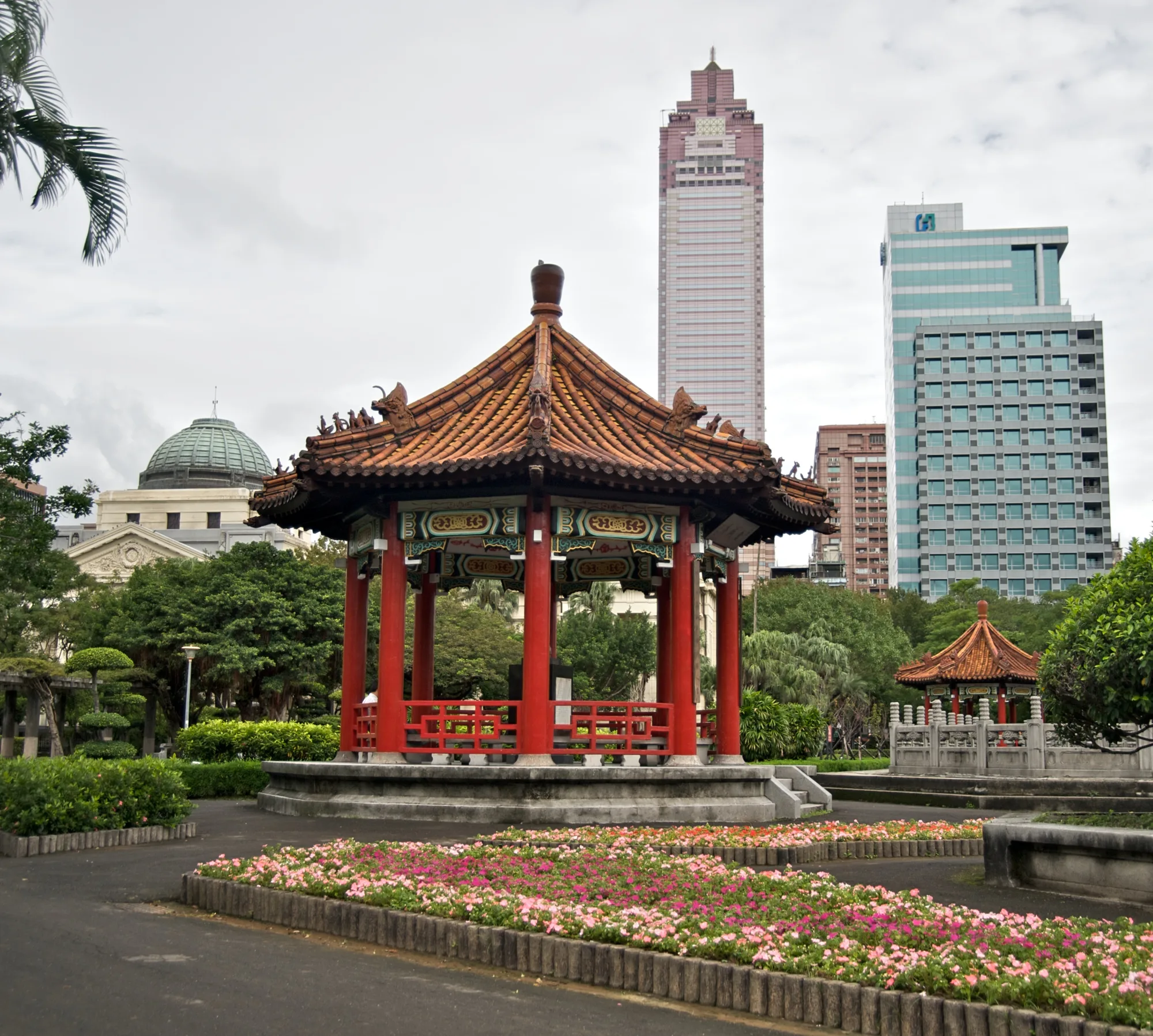
For history with your greenery, 228 Peace Memorial Park sits in the heart of the city near several museums and carries real cultural weight, commemorating a defining moment in Taiwan’s modern history. The Taipei Botanical Garden, established in the late 19th century during the Japanese colonial era, is the choice for plant variety — thousands of species in a compact layout, with a lotus pond that peaks in the warm months.
If you want quieter, more contemplative spaces, the Shuangxi Park and Chinese Garden in Shilin offers a classical southern-Chinese garden mood, while the Yuanshan-area Expo Park gives you wide, easy paths and rose plantings. For open sky and a sunset, the Dadaocheng Wharf riverside trades manicured greenery for big horizons.

The single best mental shift is to stop treating parks as ‘attractions’ to be conquered and start treating them as connective tissue. A 45-to-90-minute green break between two heavier stops does more for your day than another museum ever could — it resets your feet, your photos, and your mood, and it makes whatever comes next land better. That’s why a park rarely needs to be the main event.
Slot green time deliberately: between a museum and dinner, between shopping and nightlife, or first thing on a jet-lagged morning when you want gentle daylight and movement without commitment. The Botanical Garden is a great example — a short loop bridges two indoor stops, and on a hot day you can enjoy it early before ducking back into air-conditioning.
Resist the urge to over-program a park. The whole value is the unstructured time: sit on a bench, watch the city slow down, and let the next stop feel like a treat rather than a chore.
Taipei’s parks shift noticeably with the calendar and the clock, and a little timing makes a big difference. Early mornings are calm and photogenic, with soft light and fewer people; late afternoons into golden hour feel cinematic and set you up perfectly for dinner. In the hot, humid months, treat midday as off-limits for long park hangs and go early or after sunset instead.
Season shapes the experience too. The Botanical Garden’s lotus pond is at its best in the warm months, which is exactly when you can lean on the garden as a morning stop before the heat peaks. Cooler months turn the same paths quieter and more contemplative — ideal for a slow loop before tea or a meal. Whatever the season, a compact umbrella earns its place, both for sudden rain and for shade.
On rainy days, adjust the role of parks rather than skipping them: use them as short transitions between covered stops instead of long, lingering hangs. A quick green moment between two indoor anchors keeps a wet day feeling like travel rather than a retreat.
The pages that pair best with this one — tap a card to keep planning.
AttractionsDaan Forest ParkA roughly 26-hectare green expanse opened in 1994 and known as ‘the lungs of Taipei’—an ecological pond, jogging loops, and open lawns for slowing down between dense sightseeing days.
AttractionsTaipei Botanical GardenTaiwan’s first botanical garden, established in 1896 and renamed in 1921—an 8.2-hectare green escape near the old city with 2,000-plus plant species, a famous lotus pond, and heritage buildings dating back to the 19th century. The kind of quiet that makes the rest of Taipei feel sharper.
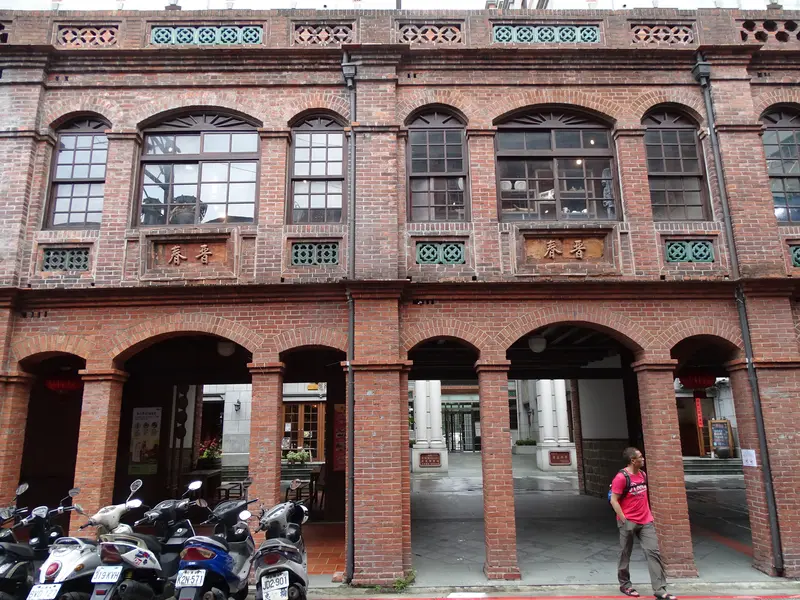 Attractions228 Peace Memorial Park
A downtown Taipei park near Taipei Main Station, renamed to commemorate the victims of the 28 February 1947 (228) Incident. It pairs an always-open, leafy walking loop—with the 228 monument and a memorial museum—with the adjacent National Taiwan Museum, making it one of the most accessible places to add reflective depth to a city-center day.
AttractionsShuangxi Park & Chinese GardenA peaceful, southern-Chinese-style garden in Shilin, built in 1974 across about two hectares where the Wai and Nei Shuangxi streams meet. Pavilions, arch bridges, a nine-turn bridge and ponds make it ideal when you want a calm hour of slow walking, greenery, and ‘Taipei without noise.’
Quick answers to common planning questions.
Hand-picked next reads to make your Taipei plan smoother.
A roughly 26-hectare green expanse opened in 1994 and known as ‘the lungs of Taipei’—an ecological pond, jogging loops, and open lawns for slowing down between dense sightseeing days.
Read more →Taiwan’s first botanical garden, established in 1896 and renamed in 1921—an 8.2-hectare green escape near the old city with 2,000-plus plant species, a famous lotus pond, and heritage buildings dating back to the 19th century. The kind of quiet that makes the rest of Taipei feel sharper.
Read more →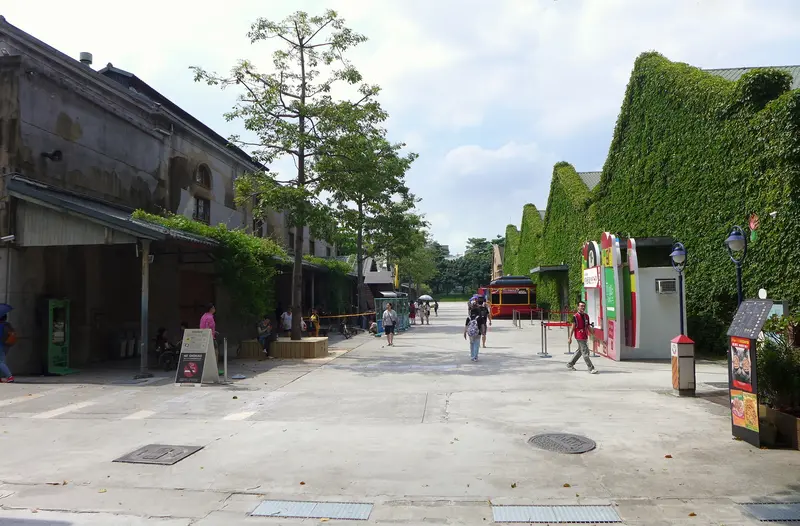
A downtown Taipei park near Taipei Main Station, renamed to commemorate the victims of the 28 February 1947 (228) Incident. It pairs an always-open, leafy walking loop—with the 228 monument and a memorial museum—with the adjacent National Taiwan Museum, making it one of the most accessible places to add reflective depth to a city-center day.
Read more →A peaceful, southern-Chinese-style garden in Shilin, built in 1974 across about two hectares where the Wai and Nei Shuangxi streams meet. Pavilions, arch bridges, a nine-turn bridge and ponds make it ideal when you want a calm hour of slow walking, greenery, and ‘Taipei without noise.’
Read more →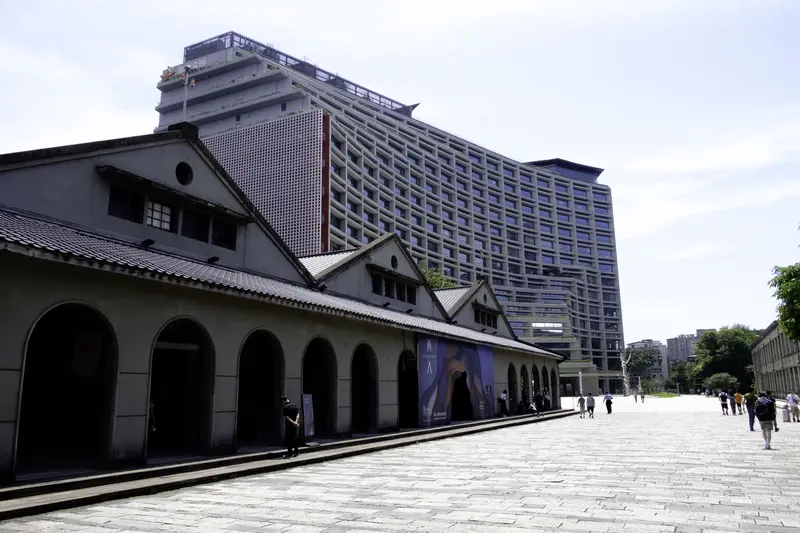
The spacious green complex built for the 2010–2011 Taipei International Flora Exposition, just east of Yuanshan MRT. Use it as an easy reset between museums, markets, and a Zhongshan dinner — with a rose garden, expo halls, MAJI Square and heritage houses on site.
Read more →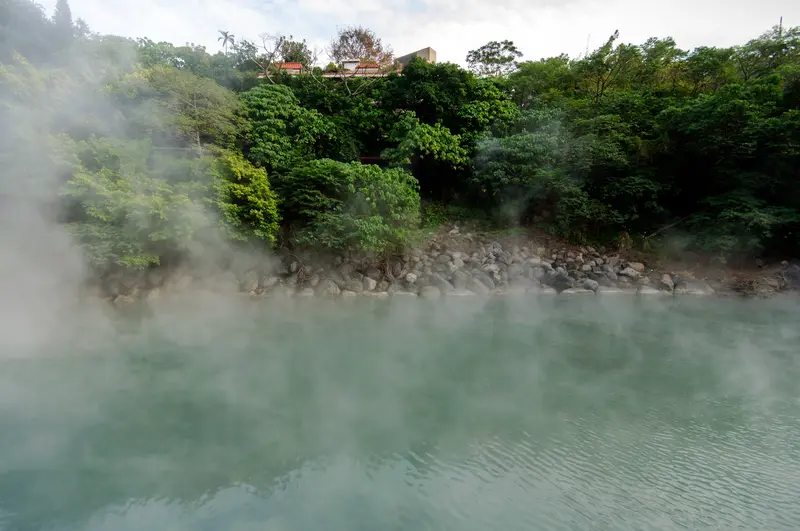
A historic river port on the Tamsui in Dadaocheng—once a major trade gateway for tea, cotton, and silk, now revived for golden-hour walks, weekend river cruises, and an evening container market beside Dihua Street’s heritage texture.
Read more →Start with a simple loop: one neighborhood stroll, one iconic sight, and one night market. Taipei rewards balance.
Tip: hours, prices, and seasonal schedules can change. When something matters (like a museum ticket or a special exhibition), check the official listing before you go.