


Skip to content
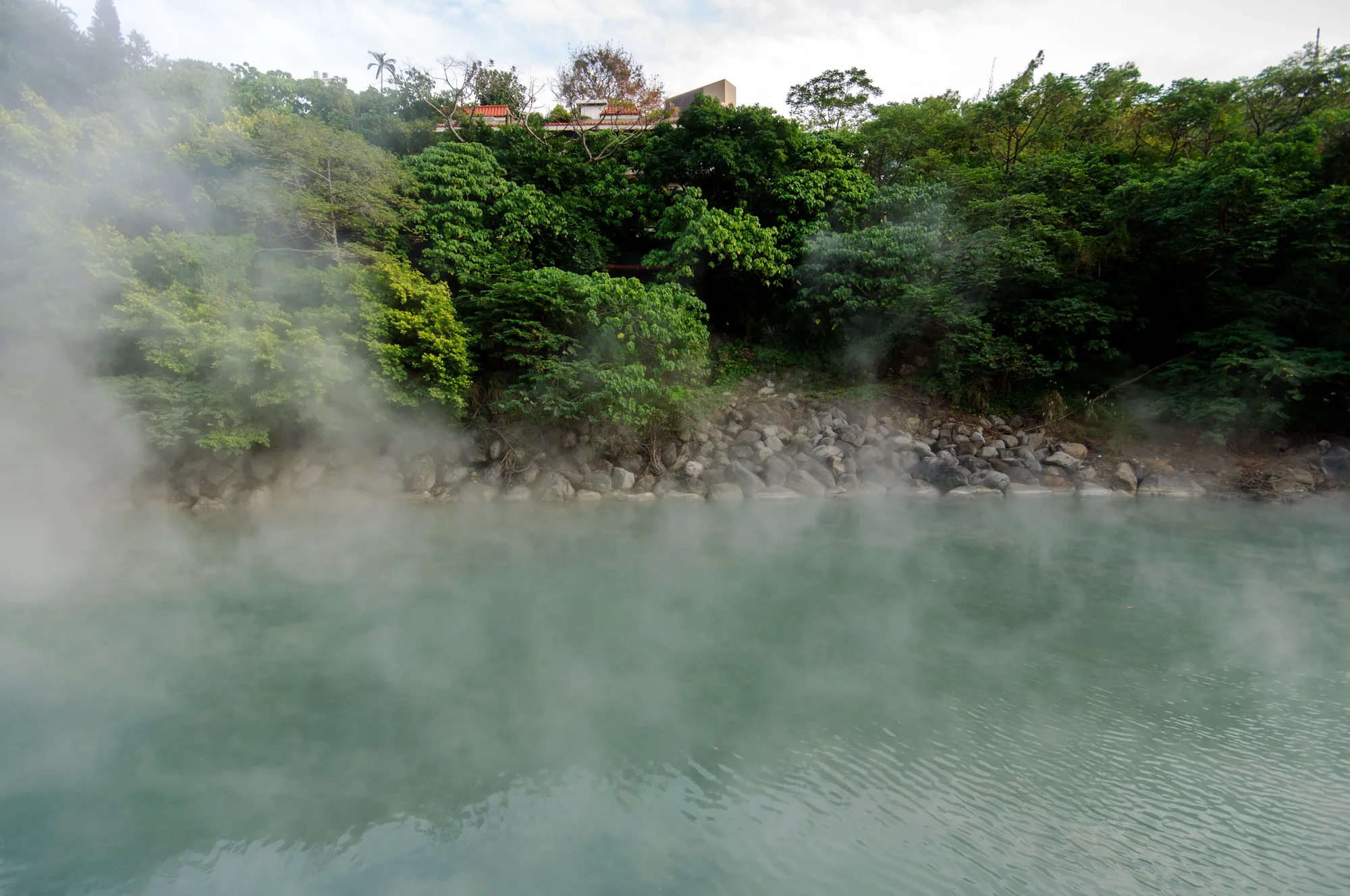
The steaming milky green-blue sulfur hot-spring pool of Beitou Thermal Valley in Taipei, ringed by green hillside
Taipei · 台北 · 25.03°N 121.56°E

Beitou hot springs day: steam, museums, and a real reset inside Taipei

A comfort-first plan for Beitou: historic hot-springs culture, a steam-valley walk, one quiet museum, and (optionally) a soak—designed for zero rush and maximum calm.

Andrewhaimerl · CC BY-SA 4.0

A comfort-first plan for Beitou: historic hot-springs culture, a steam-valley walk, one quiet museum, and (optionally) a soak—designed for zero rush and maximum calm.

Updated June 20, 2026

Quick facts資訊

Cost
Low to moderate: the Hot Spring Museum, Thermal Valley, and the library are free; a soak and the Beitou Museum are ticketed — prices are easy to confirm on official sites
Time needed
A relaxed half-day; roughly 4–6 hours, easy to extend into a full reset day
Getting there
MRT Red line to Beitou, then the short Xinbeitou branch line; the museum, valley, library, and park are all within a short walk of Xinbeitou Station
Best time / for
Cooler months and rainy days suit Beitou especially well; arrive late morning and keep the evening easy
Good to know
Many stops close on Mondays, and Thermal Valley is viewing-only (no bathing). Beitou Plum Garden has been closed for renovation, so check official listings before adding it.
Best for
Reset days, winter travel, rainy season, sore feet
Time to read
7–10 minutes
Core idea
Slow loop, no rushing

Highlights亮點

  • A ‘different Taipei’ day without leaving the city
  • Easy loop: museum → steam valley → soak
  • One of the best rainy-season itineraries if you plan gently

Why Beitou is worth a full half-day

Beitou is Taipei’s built-in reset button: steam rising from the valley, quiet parks, and a neighborhood that’s designed around slowing down.

Even if you skip an actual soak, the walkable loop of museums + geothermal atmosphere is rewarding and easy.

A simple Beitou loop (the one that always works)

Start with history and context, move to steam and scenery, then decide if you want a soak. Keeping the choice ‘optional’ prevents the day from feeling complicated.

  • Hot Spring Museum for the story + architecture
  • Beitou Library + park stroll for the calm rhythm
  • Thermal Valley for the dramatic steam moment
  • Optional: public bath or private soak (your comfort, your rules)

How to do hot springs comfortably (beginner-friendly)

Hot springs can feel intimidating if you’ve never done them. The easiest approach is to pick a venue that matches your comfort level (public bath vs private soak), pack simple essentials, and keep expectations relaxed.

Rules vary by facility, so the official listing is the easy place to find specifics—especially if tattoos, swimwear, or mixed-gender bathing matters for you.

  • Bring: water, small towel, and a change of clothes
  • Rinse before entering pools (standard etiquette)
  • Plan a quiet meal afterward—your body will want slow pacing
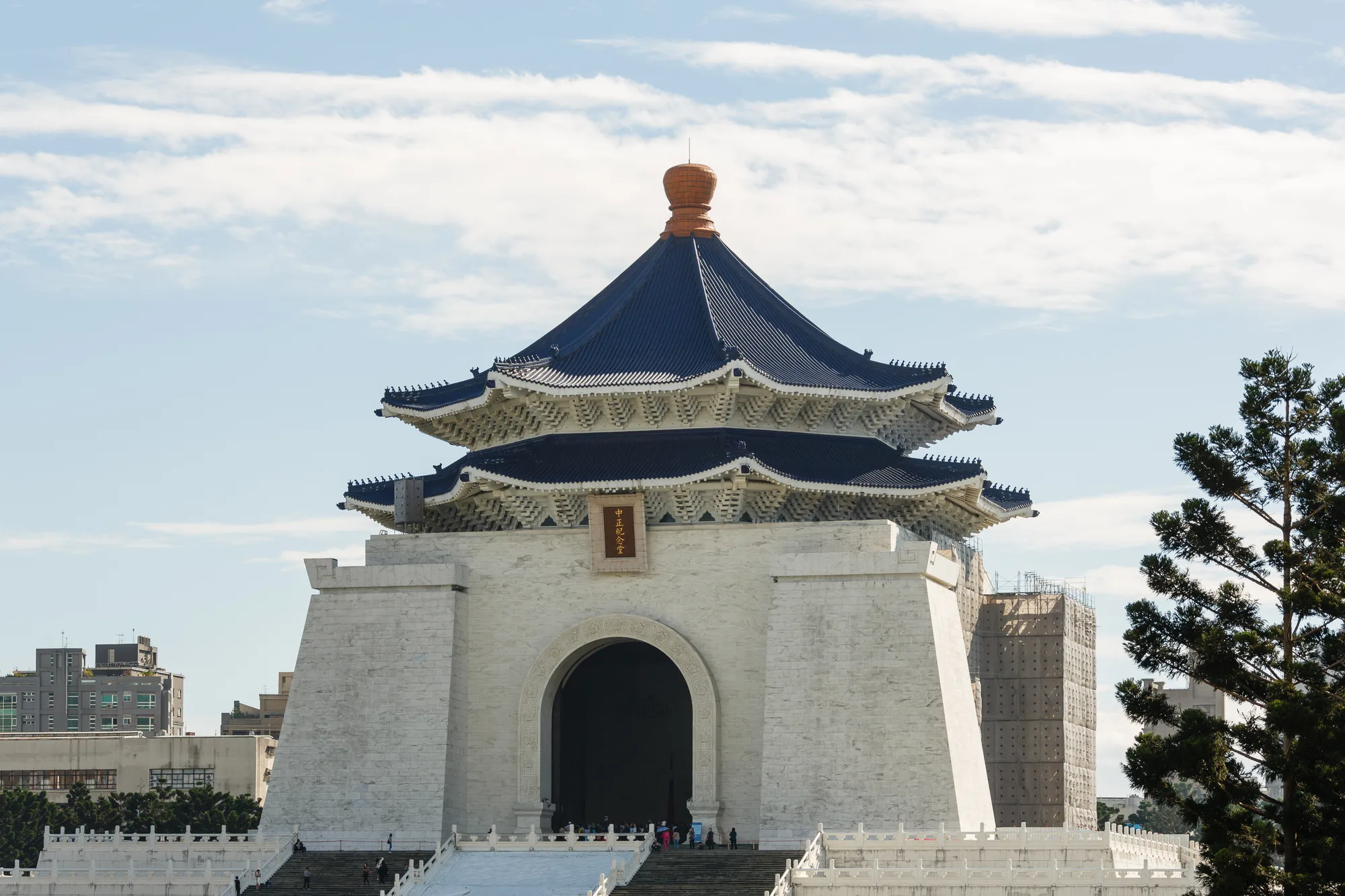
The white Chiang Kai-shek Memorial Hall in Taipei with its blue octagonal roof, ROC flags lining the plaza
Photo: CEphoto, Uwe Aranas · CC BY-SA 3.0 · Wikimedia Commons

Add one quiet museum stop (optional but lovely)

If you want one more ‘texture’ layer, Beitou Museum is a beautiful, quiet add-on: Japanese-era interiors and a calm pace. It’s the perfect complement to the steam-and-nature part of the day.

How to end the day

Beitou days land best when you keep the evening easy. Return to the city for a simple dinner, or do a light night-market stop if your appetite returns.

  • Easy dinner in Zhongshan
  • Dessert + a short walk near your hotel
  • One small night market (don’t do the biggest one after soaking)
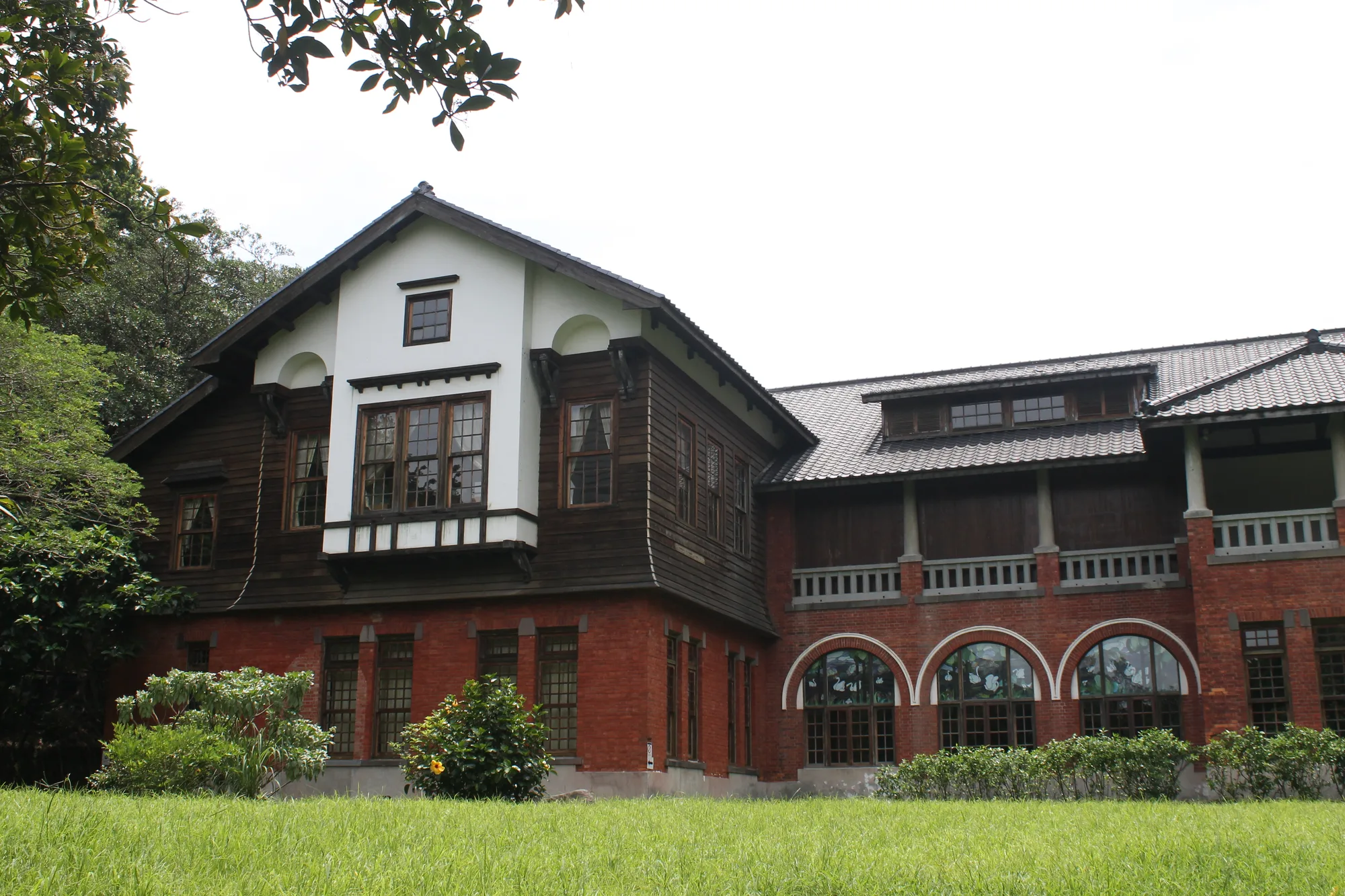
The historic Beitou Hot Spring Museum bathhouse in Taipei, with a red-brick lower storey and dark timber upper storey
Photo: ironypoisoning · CC BY-SA 2.0 · Wikimedia Commons

The history that makes the steam meaningful

Beitou’s bathing culture has deep roots, and a little context makes the whole day richer. The neighborhood flourished as a hot-spring resort during the Japanese colonial era, and the Beitou Hot Spring Museum — set in a 1913 public bathhouse with a Roman-style grand bath — tells that story beautifully. It’s free to visit and a perfect first stop, framing the rest of the day as more than just a soak.

From there, Thermal Valley shows you the raw source: a steaming, milky-turquoise sulfur lake hot enough that it’s strictly for viewing. The contrast between the elegant old bathhouse and the wild, hissing valley is the heart of what makes Beitou special — refined comfort built right beside untamed geology.

Taken together, these two stops turn a relaxing afternoon into a small cultural journey. You leave understanding why generations of visitors have made the trip up here, which makes the warm water at the end feel like part of a tradition rather than just a spa treatment.

  • Hot Spring Museum: a 1913 bathhouse with a Roman-style grand bath (free; closed Mondays)
  • Thermal Valley: a steaming sulfur lake — dramatic, but viewing only
  • Together they frame Beitou as culture-plus-geology, not just a soak

Choosing your soak: public baths vs. private rooms

The soak itself comes in two broad flavors, and choosing upfront keeps the decision easy. Public baths are typically budget-friendly and feel like a shared local ritual; they run on clear etiquette, so expect to rinse thoroughly before entering and to follow posted rules on swimwear and gender separation, which differ by venue. Private rooms cost more but offer privacy — ideal for couples, families, or anyone who simply prefers their own space.

Whatever you choose, the venue’s official information is worth a peek, especially if tattoos, swimwear requirements, or mixed-gender bathing affect your plans. Policies genuinely vary from place to place in Beitou, so a quick look ahead prevents any awkward surprises at the door. On busy weekends, popular private soaks can fill up, so consider booking if a specific spot is the goal of your day.

Keep your expectations relaxed and your essentials simple: water, a small towel, and a change of clothes. The soak is meant to be the calm climax of the day, not a logistical puzzle.

  • Public baths: budget-friendly, local ritual, stricter shared etiquette
  • Private rooms: more privacy, better for couples and families
  • Swimwear, tattoo, and gender rules are worth a peek on the venue’s site
  • Book ahead for popular private soaks on busy weekends

Stretching it into a fuller day (without losing the calm)

If a half-day feels too short, Beitou has gentle ways to expand without breaking the restful mood. The Beitou Public Library, set inside Beitou Park, is a celebrated green building and a lovely quiet pause — treat it as a calm, sheltered interlude rather than a busy attraction. The Beitou Museum, in a graceful former Japanese-era inn, adds a deeper heritage layer with folk-art and Indigenous collections, and it’s an easy ticketed add-on for those who want more texture.

Be aware that some smaller sites keep limited or seasonal hours — Beitou Plum Garden, for instance, has been closed for renovation — so it’s worth confirming what’s open on official listings before you build your route around it. The flexible, ‘optional add-on’ approach is exactly what keeps a Beitou day from feeling overscheduled.

The guiding principle stays the same no matter how long you stay: schedule less than you think. A spacious Beitou day pays you back the next morning, when your feet and your mood are genuinely reset and ready for the rest of Taipei.

  • Beitou Public Library: a quiet green-building pause inside the park
  • Beitou Museum: a heritage add-on in a former Japanese-era inn (ticketed; closed Mondays)
  • Official hours are worth a glance before adding smaller or renovation-affected sites

Read these next 延伸閱讀

The pages that pair best with this one — tap a card to keep planning.

FAQ 常見問題

Quick answers to common planning questions.

How long does a Beitou hot-springs day take?
Plan a relaxed half-day, roughly four to six hours, and stretch it into a full reset day if you’d like. A comfortable loop is the Hot Spring Museum, Thermal Valley, the library, and an optional soak — with plenty of time built in to slow down.
What’s the difference between a public bath and a private soak?
Public baths are usually budget-friendly and feel like a shared local ritual, with stricter etiquette around rinsing, swimwear, and gender separation. Private rooms cost more but give you privacy, which suits couples and families. Policies vary by venue, so the rules are easy to confirm on the official site.
Is Beitou good with kids?
It can be, with a gentle plan. The library, park, and steam valley are easy and engaging, and some venues offer family-friendly or swimwear-style pools where the whole family can soak together. Each venue’s rules are worth a glance ahead, since not all baths are set up for children.
What should I pack for the day?
Bring water, a small towel, and a change of clothes for after your soak. An umbrella is wise — Beitou is one of the better rainy-day plans in Taipei, and you’ll want to stay comfortable moving between indoor and outdoor stops.
Which museum is better: the Hot Spring Museum or Beitou Museum?
They serve different roles. The Hot Spring Museum is free, central to the loop, and explains the area’s bathing history in a restored 1913 bathhouse. The Beitou Museum is a ticketed, quieter heritage stop in a former Japanese-era inn. If you only do one, the Hot Spring Museum fits the day most naturally; add Beitou Museum if you want more depth.
Can I do Beitou if it’s raining?
Yes—Beitou is one of the best rainy-friendly day plans in Taipei. Just keep walking segments shorter, bring an umbrella, and choose one indoor stop (museum) plus one outdoor steam moment.
Do I need to book hot springs in advance?
Sometimes. Many options are walk-in, but popular private soaks and boutique spots can book out. If a soak is the main goal of your day, confirm policies and timing via the venue’s official info.

Helpful links 連結

Official pages and references for planning details.

Keep exploring 繼續逛

Hand-picked next reads to make your Taipei plan smoother.

Xinbeitou: hot springs lanes, parks, and the ‘spa day’ rhythm

Xinbeitou: hot springs lanes, parks, and the ‘spa day’ rhythm

The classic hot-springs pocket of Beitou—bathhouses, parks, and calm walks. Best for a half-day reset (or a full slow day). A short branch-line ride lifts you into a steamy, green, slow-paced corner that feels worlds away from the city.

Read more →
Beitou: hot springs, steam, and a slower side of Taipei

Beitou: hot springs, steam, and a slower side of Taipei

A geothermal escape inside the city—hot springs, calm streets, and a nature-forward vibe that feels like a mini vacation. Sitting on the volcanic flank of Yangmingshan, it’s the easiest big change of pace you can do without leaving Taipei.

Read more →
Beitou Hot Spring Museum: the story behind Taipei’s spa neighborhood

Beitou Hot Spring Museum: the story behind Taipei’s spa neighborhood

A beautifully restored 1913 Japanese-era public bathhouse turned museum, blending Japanese and Western styles around a Roman-style Grand Bath with stained-glass windows. It’s an atmospheric, free stop that gives a Beitou hot-springs day its context—and the rare mineral Hokutolite is named for this very neighborhood.

Read more →
Thermal Valley (Beitou): Taipei’s steaming turquoise sulfur lake

Thermal Valley (Beitou): Taipei’s steaming turquoise sulfur lake

A principal source of Beitou’s hot springs, nicknamed ‘Hell Valley’—a steaming, turquoise sulfur lake where the 80–100°C water is far too hot for bathing. Reopened as a free park in 2023 with a lakeside boardwalk, it’s a short, dramatic stop that proves Taipei’s volcanic nature is never far from the MRT.

Read more →
Beitou Public Library: quiet design moment in hot-springs Beitou

Beitou Public Library: quiet design moment in hot-springs Beitou

Taiwan’s first green library—a light-filled timber building set inside Beitou Park with solar cells and a rainwater-capture system—perfect as a calm, photogenic stop between baths, parks, and short walks.

Read more →
Beitou Museum: a 1921 Japanese-era hot-spring inn turned folk-art museum

Beitou Museum: a 1921 Japanese-era hot-spring inn turned folk-art museum

Housed in a 1921 wooden building that began life as the Kazan Hotel — one of Beitou’s grandest hot-spring inns under Japanese rule — this museum pairs tatami rooms and a serene garden with collections of Taiwanese folk art, Indigenous craft, and historic textiles. It’s a calm, atmospheric stop a short walk from the hot-spring valley.

Read more →

Ready to plan your next stop? 下一站

Start with a simple loop: one neighborhood stroll, one iconic sight, and one night market. Taipei rewards balance.

Tip: hours, prices, and seasonal schedules can change. When something matters (like a museum ticket or a special exhibition), check the official listing before you go.