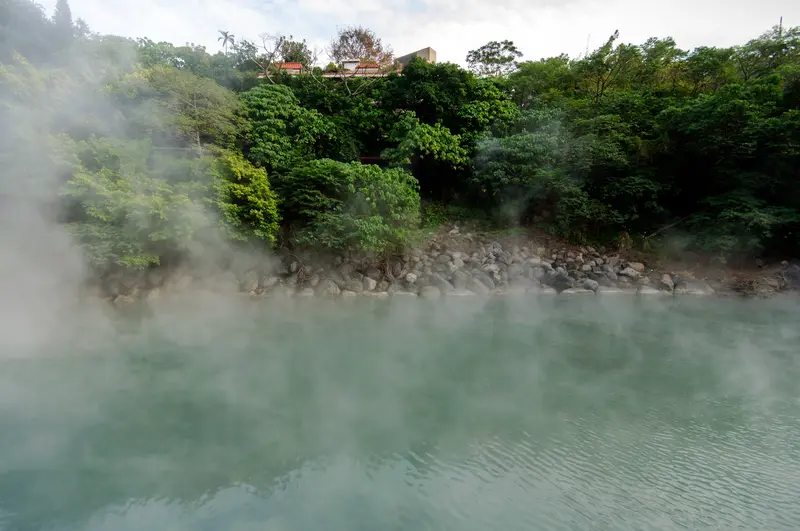
1 day in Taipei: classics + a night-market finish
A high-impact day plan that balances iconic sights with neighborhood texture—designed to feel full but not frantic.
Read more →
A first-timer-friendly overview of Taipei’s neighborhoods, iconic sights, food culture, and how to get around—plus a simple plan you can actually follow.
A first-timer-friendly overview of Taipei’s neighborhoods, iconic sights, food culture, and how to get around—plus a simple plan you can actually follow.
Updated June 20, 2026
 Quick facts資訊Time neededBest time / forGood to knowBest forTime to readCore ideaPairs well with
 Highlights亮點
Taipei is the kind of city where you can hike to a skyline viewpoint before breakfast, eat your way through a night market after dark, and still have time for tea, temples, and design shops in between. It’s dense, easy to navigate, and full of small “micro-moments”: lantern-lit alleys, late-night noodle counters, incense drifting out of a side-street shrine.
The secret to enjoying Taipei isn’t doing everything. It’s choosing a few anchors (one big sight, one neighborhood walk, one food mission) and letting the city fill in the rest.
If you want modern Taipei—tall towers, malls, rooftop bars—base yourself in Xinyi. If you want a stylish, central “do a bit of everything” area, Zhongshan is a great default: good transit, cafés, and nightlife without feeling touristy.
Daan is quieter and leafy with great food and coffee, while Ximending is energetic, youthful, and convenient for late nights. If hot springs are your priority, stay in Beitou for a different pace.
Plan your days in clusters: one area in the morning and early afternoon, then another nearby area for dinner and a night market. Taipei’s transit is good, but bouncing across town five times a day turns fun into friction.
A reliable flow looks like this: morning culture or park → lunch + cafés → late afternoon viewpoint or museum → night market dinner. You’ll see a lot without feeling rushed.
For classic Taipei, you’ll want a few “big” moments: the Taipei 101 area, a major temple, at least one museum, and one easy hike with a city view. Then add texture: an old street, a creative park, a slow food crawl.
Taipei rewards curiosity. Try a few “headline” dishes, but leave space for snacks and seasonal surprises—especially at night markets.
If you’re unsure what to order, look for stalls with a short menu, a line of locals, and one or two items done really well. It’s often the best signal in the city.
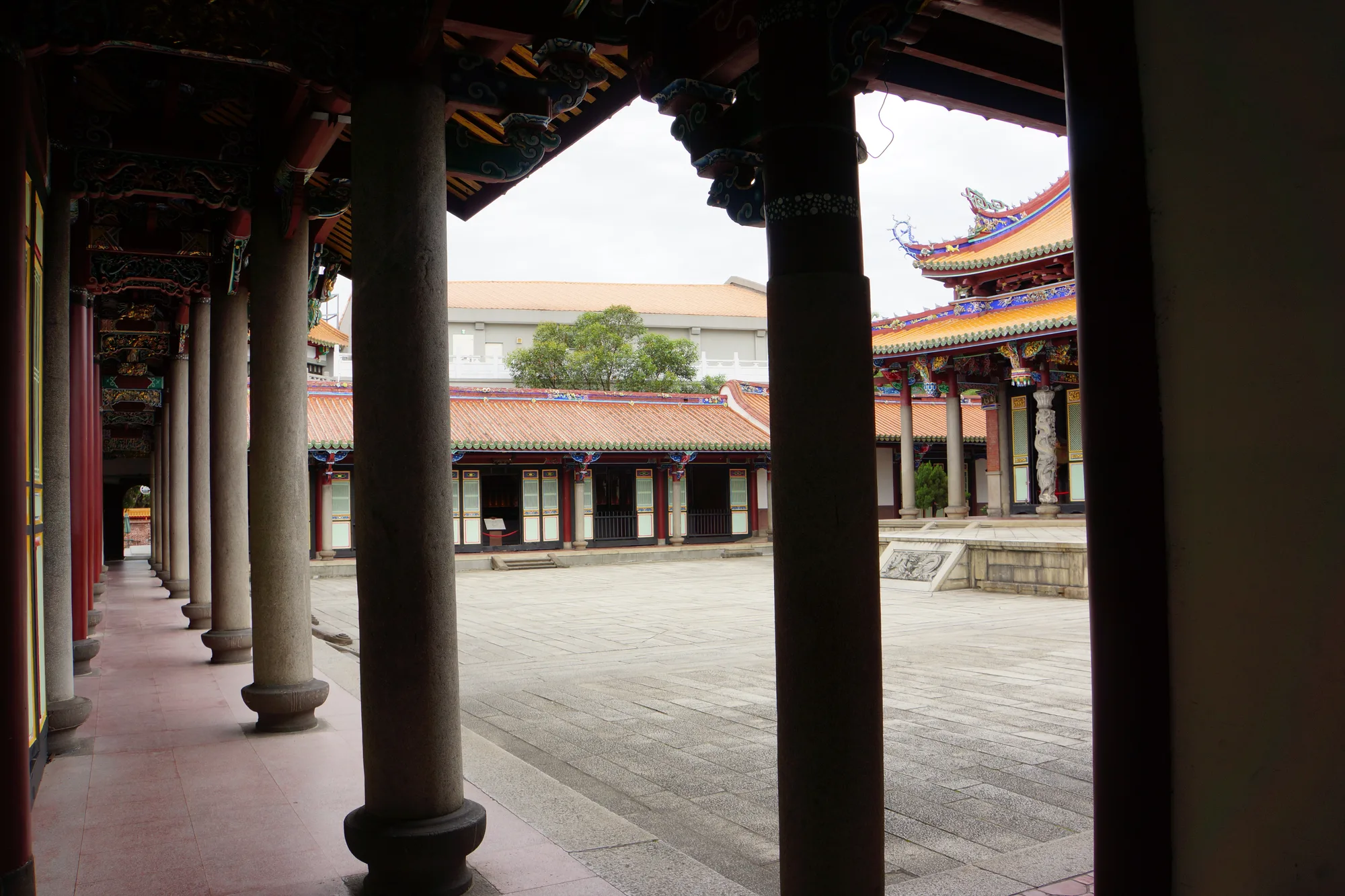
Get an EasyCard early. It makes transit smoother and helps you stay spontaneous. Also keep a little cash—many small eateries and market stalls still prefer it.
Taipei is humid much of the year. Carry water, take breaks, and plan a café stop into your afternoons. Your trip will feel longer in a good way.
The simplest Taipei planning tool is a template. Pick a trip length, keep each day to one main district cluster, and give yourself one evening food anchor. That’s enough structure to feel confident without feeling boxed in.
These are designed to be mix-and-match: swap the hike for an indoor stop, swap the night market, or repeat a favorite neighborhood if it’s the vibe you want.
Taipei is a city where most of the magic doesn’t require reservations. The places that can benefit from advance planning are usually the ones with timed entry or limited slots.
A good first-timer rule: only book what would meaningfully change your day if you missed it. Everything else can stay flexible.
Taipei is easy, but it’s still a city with gravity: humidity, stairs, crowds, and decision fatigue. Most mistakes are just pacing mistakes.
Fix the structure and the city becomes effortless: fewer transfers, more walking inside a neighborhood, more breaks, and one clear evening plan.
Most visitors land at Taoyuan International Airport, west of the city, and the smoothest budget-friendly way in for many travelers is the Airport MRT (run by Taoyuan Metro), a separate system from the city’s Taipei Metro that connects the airport toward Taipei Main Station. The fare to Taipei Main is NT$160, with the Express train taking about 35 minutes (the all-stops Commuter train around 50). From there you can transfer to the city MRT or grab a short taxi to your hotel. If you’re arriving very late, carrying heavy luggage, or traveling as a group, a taxi or pre-arranged transfer straight to your accommodation can be well worth the comfort.
Pick up an EasyCard early—often at an airport or station service counter or a convenience store—so you can tap onto transit immediately and avoid fumbling with single tickets while jet-lagged. Load a bit of value onto it on arrival; you can always top up at machines later. Having transit sorted before you leave the airport removes most of the first-day friction that trips people up.
Give your first arrival day a soft landing. Don’t schedule a packed itinerary for the hours right after a long flight; instead, get to your base, drop your bags, grab something easy to eat nearby, and do one gentle neighborhood walk. You’ll enjoy the rest of the trip far more if day one is about orientation rather than ambition.
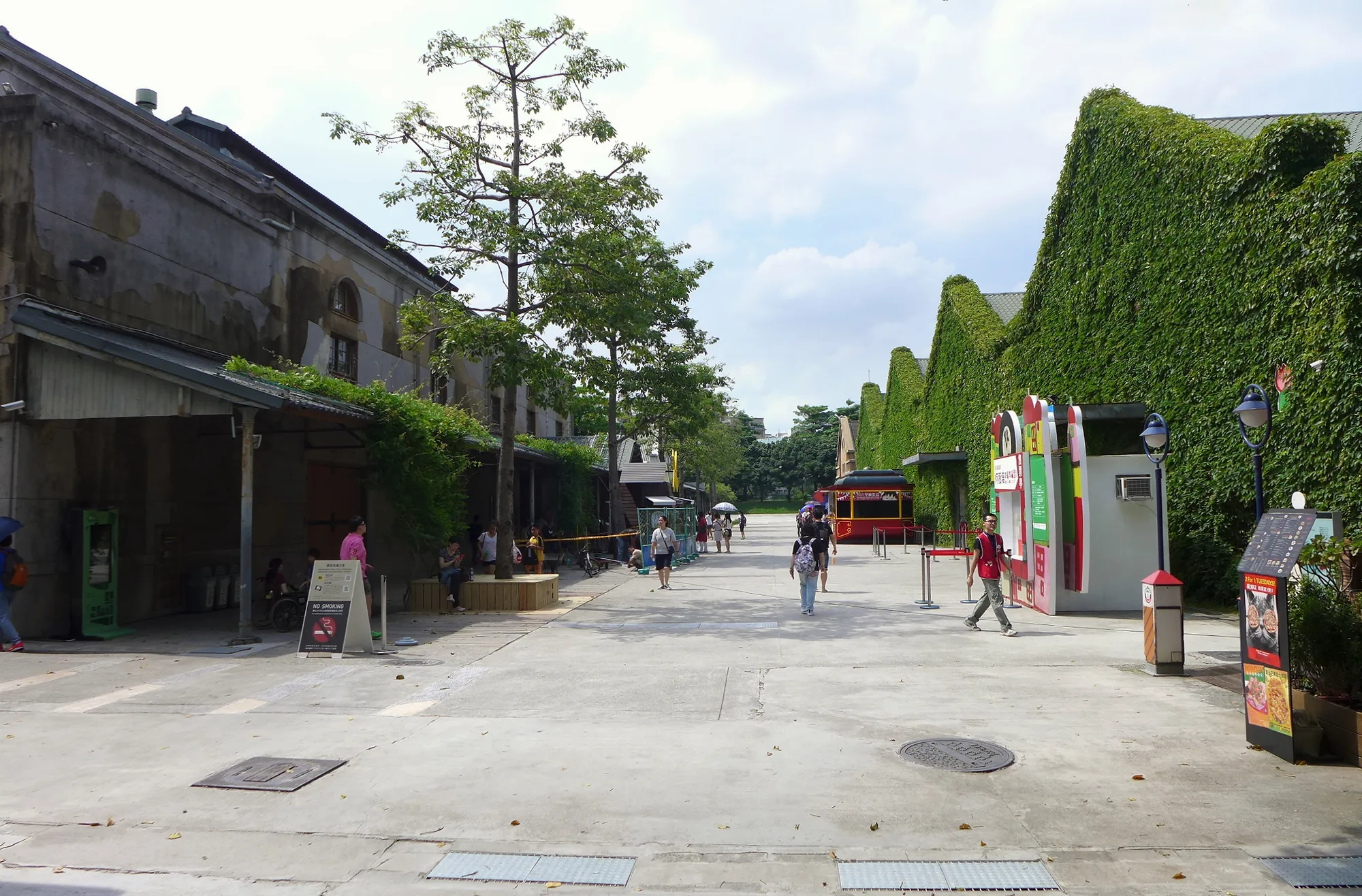
Taipei runs on a comfortable mix of card, contactless, and cash. Cards work in many hotels, malls, restaurants, and larger shops, but cash still rules at night markets, small eateries, family-run stalls, and older businesses—so keep a modest cash buffer at all times. Your EasyCard handles transit and a surprising range of small purchases too, which is one less thing to think about during a snack crawl. Withdraw cash as needed and keep it topped up before a night-market evening so you’re never the person holding up the line.
Convenience stores deserve a special mention because they are central to daily life in Taipei. They’re everywhere, open long hours, and do far more than sell drinks: you can grab quick meals and snacks, pick up a cheap umbrella when you’re caught in the rain, top up your EasyCard, use restrooms, and handle small errands. Treating the nearest convenience store as your default problem-solver removes a lot of small stresses from a first trip.
Tipping isn’t a strong expectation in Taipei the way it is in some countries; some restaurants add a service charge, and otherwise you’re generally fine without leaving extra. When in doubt, a polite thank-you and rounding up is plenty. Confirm any specific policy at higher-end venues if it matters to you, but for everyday eating and transit, just keep cash handy and your EasyCard topped up.
Staying online in Taipei is easy, and you have a few interchangeable options. Many travelers buy a local tourist SIM or activate an eSIM before or on arrival for reliable data on the go; airport counters are a common pickup point for physical SIMs, while eSIMs can be arranged in advance and switched on when you land. Choose based on whether your phone supports eSIM and how much you value having data the moment you exit the plane. Compare current plans and coverage on providers’ official channels, since offers change frequently.
Public and venue Wi-Fi fills the gaps. You’ll find Wi-Fi in many cafés, hotels, malls, and transit areas, which is often enough if you’re mostly navigating, messaging, and looking up the next stop. For a first trip, even a modest data plan plus opportunistic Wi-Fi covers maps, translation, and transit apps comfortably—you don’t need a heavy package unless you’re streaming or working.
A couple of habits make connectivity painless: download offline maps and a translation app before you arrive, and screenshot key addresses (your hotel, must-visit stops) in both English and Chinese so a taxi driver or passerby can read them even if your signal drops. With those in place, you’re covered whether or not you’re online at any given moment.
Taipei generally feels safe and orderly to visitors, including solo and late-night travelers, and locals are widely known for being helpful—if you look lost, someone will often step in. As anywhere, use ordinary common sense: watch your belongings in dense crowds and night markets, be sensible late at night, and keep an eye on your bag on busy transit. The bigger “adjustment” for most first-timers isn’t safety at all; it’s simply matching the city’s calm, considerate public manner.
That public etiquette is consistent and easy to adopt. On the MRT, let riders exit before you board, keep voices low, and skip eating and drinking on the system—plan snack stops for after you exit. Queue patiently, stand to one side on escalators, and return trays or tidy up when a shop asks. At temples, dress modestly, keep noise down, follow posted instructions, and don’t point your feet or your camera disrespectfully at altars or worshippers. None of this is complicated; it’s mostly about moving a little more quietly and considerately than you might at home.
Reading the rhythm pays off socially too. A friendly, low-key demeanor goes a long way, pointing and a smile bridge most language gaps, and patience in busy moments is appreciated. Match the city’s unhurried courtesy and you’ll find Taipei feels welcoming almost immediately.
The main language is Mandarin Chinese, and while you don’t need to speak it to have a great trip, a handful of habits smooth everything out. Signage at MRT stations and major attractions is typically bilingual, and many people in tourism, hospitality, and younger crowds understand some English—but it’s never guaranteed, so don’t assume it. A few polite words in Mandarin, even just “hello” and “thank you,” are warmly received and often open up extra friendliness.
Lean on your phone for the heavy lifting. A translation app handles menus, questions, and directions well, and the camera-translate feature is genuinely useful for Chinese-only menus and signs. Save your hotel’s name and address in Chinese characters to show taxi drivers, and screenshot the Chinese names of any specific places you want to reach, since a written character is far more reliable than an attempted pronunciation.
When ordering food, the best low-language strategy is also the best food strategy: look for stalls with a short menu and a line of locals, point at what looks good or what someone nearby is eating, and use numbers on your fingers for quantities. Most of Taipei’s eating happens through gestures and goodwill, and vendors are used to helping curious visitors.
Pack for a humid, walkable, occasionally rainy city and you’ll be set. The non-negotiables are comfortable walking shoes with grip, a compact umbrella that works for sun and rain, breathable layers, and a small day bag for water, a thin extra layer, and your umbrella. Add sun protection for warmer months and a light insulating layer for cooler ones. Anything you forget, the city’s ubiquitous convenience stores and shops can usually replace, so pack light and adapt once you’re there.
On the worry that occupies many first-timers: aggressive scams and tourist hustles are not a prominent feature of a Taipei trip. The city has a reputation for honesty and helpfulness, and most visitors’ biggest “problems” are pacing-related—too many far-apart stops, not enough breaks—rather than anything sinister. Use the same baseline travel sense you would anywhere (confirm taxi fares are metered, keep an eye on belongings in crowds), and you can otherwise relax and enjoy the city.
Build a tiny comfort margin into your plan and the practicalities fade into the background. Keep a small cash buffer, an EasyCard with value on it, a charged phone with offline maps, and a willingness to take a short taxi when rain or tired feet threaten the day. With those covered, the logistics stay invisible and the trip stays fun.
The pages that pair best with this one — tap a card to keep planning.
A high-impact day plan that balances iconic sights with neighborhood texture—designed to feel full but not frantic.
Itineraries2 days in TaipeiA balanced weekend itinerary: one day for iconic Taipei + one day for museums/heritage and either tea hills or hot springs.
Itineraries3 days in TaipeiA three-day plan that goes beyond icons: museum depth, heritage streets, tea culture, and multiple neighborhood vibes with built-in breathing room.
ItinerariesRainy day TaipeiA rainy-day itinerary that stays cozy and productive: creative park exhibitions, tea breaks, a comfort-food mission, and an optional hot-spring finish.
Quick answers to common planning questions.
Official pages and references for planning details.
Hand-picked next reads to make your Taipei plan smoother.
A high-impact day plan that balances iconic sights with neighborhood texture—designed to feel full but not frantic.
Read more →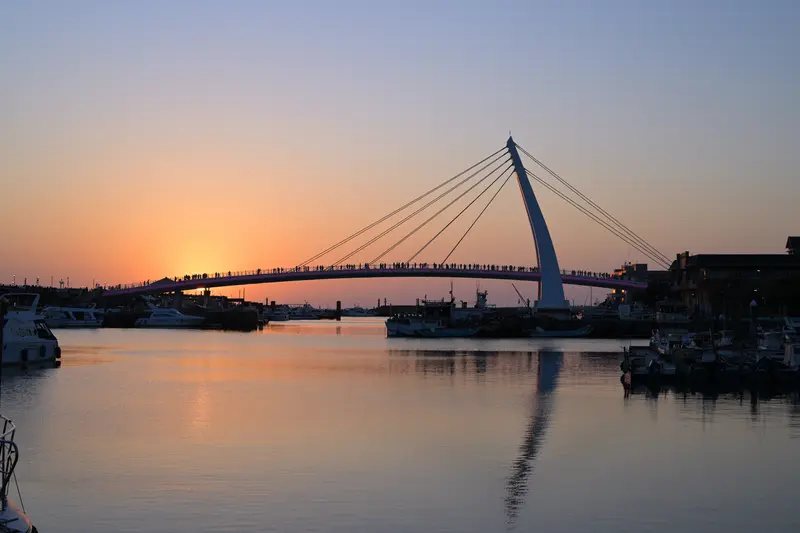
A balanced weekend itinerary: one day for iconic Taipei + one day for museums/heritage and either tea hills or hot springs.
Read more →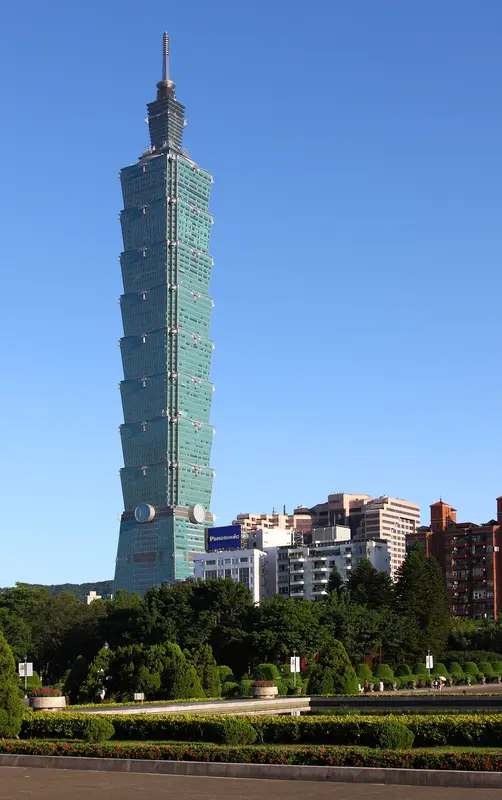
A three-day plan that goes beyond icons: museum depth, heritage streets, tea culture, and multiple neighborhood vibes with built-in breathing room.
Read more →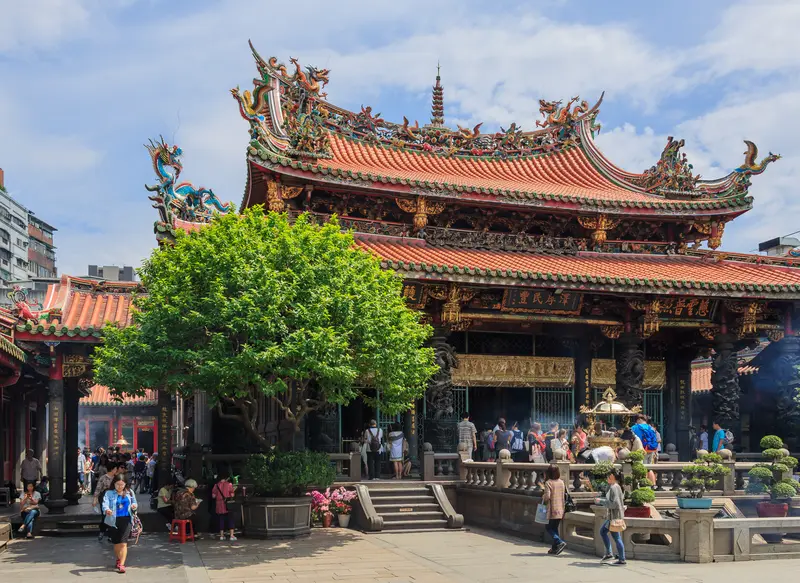
A rainy-day itinerary that stays cozy and productive: creative park exhibitions, tea breaks, a comfort-food mission, and an optional hot-spring finish.
Read more →
Taipei is one of Asia’s easiest cities to navigate. Here’s how to combine MRT + walking (and when buses or taxis actually help).
Read more →
How to handle money smoothly in Taipei: when you’ll need cash, what to expect at night markets, and a simple spending mindset.
Read more →Start with a simple loop: one neighborhood stroll, one iconic sight, and one night market. Taipei rewards balance.
Tip: hours, prices, and seasonal schedules can change. When something matters (like a museum ticket or a special exhibition), check the official listing before you go.