
Getting around Taipei: MRT, buses, walking, and taxis
Taipei is one of Asia’s easiest cities to navigate. Here’s how to combine MRT + walking (and when buses or taxis actually help).
Read more →
A practical guide to using the Taipei Metro (MRT): EasyCard tips, transfers, station etiquette, and how to plan routes without stress.
A practical guide to using the Taipei Metro (MRT): EasyCard tips, transfers, station etiquette, and how to plan routes without stress.
Updated June 20, 2026
 Quick facts資訊Time neededBest time / forGood to knowBest forTime to readCore ideaPairs well with
 Highlights亮點
The MRT is the difference between “busy city” and “easy city.” It’s clean, frequent, and designed for clarity—so you can move between neighborhoods without turning your day into a logistics project.
The biggest upgrade isn’t speed; it’s structure. Plan one or two adjacent areas per day (a district cluster), then walk once you arrive. This keeps your trip feeling spacious even when Taipei is buzzing.
For most visitors, an EasyCard is the simplest choice: tap in, tap out, keep moving. It also works for plenty of small daily purchases around the city (useful when you want to save cash for markets and small shops).
Taipei Metro also sells time-based passes (like 24/48/72-hour options). These can be great for route-heavy sightseeing days, but they’re not automatically “better.” If your itinerary is mostly walking inside one neighborhood, a pass won’t save much—your best value is still good pacing.
The MRT is easy once you know the rhythm: enter → follow signs by line color/number → platform → exit by direction → pick the right station exit. Most confusion comes from trying to optimize too early.
Give yourself one calm rule: choose the simplest route with the fewest transfers. A slightly longer ride is often more comfortable than multiple line changes.
Taipei stations are practical in the best way: clear signs, lots of exits, and reliable facilities. The one thing to take seriously is exit choice—large stations can spill you out on a completely different corner depending on the exit number.
If you’re traveling with shopping bags, kids, or mobility needs, take a moment to look for elevators on station maps. It’s normal to route yourself to a different exit purely for comfort.
The MRT culture is quiet and orderly. Follow the flow, keep to one side on escalators, and let people exit before you enter.
If you match the pace of locals—calm queues, low voices—you’ll feel instantly “in sync” with the city.
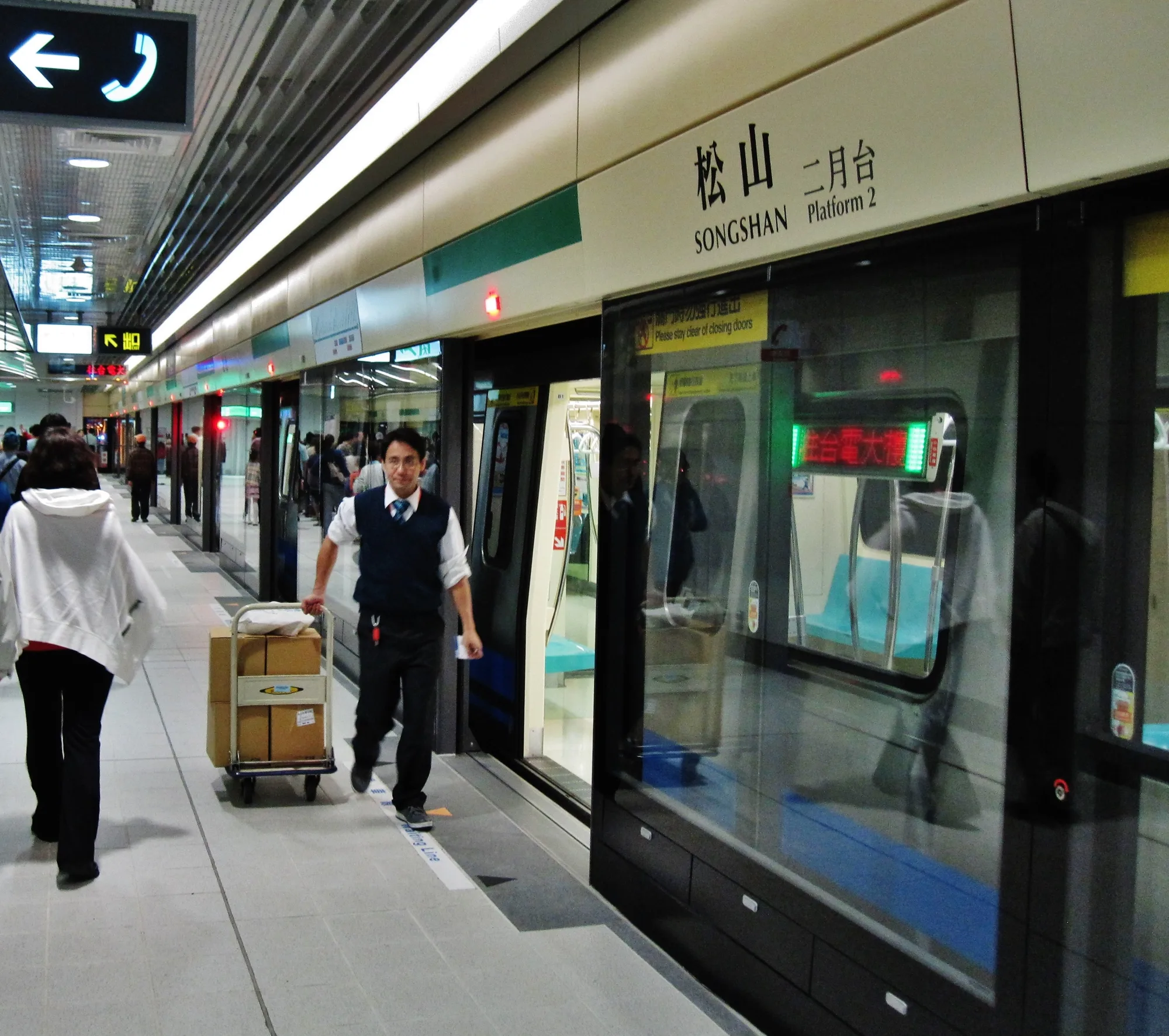
For most trips, your goal is simple: minimize transfers. A slightly longer ride with fewer line changes usually feels easier—especially if you’re traveling with friends, kids, or shopping bags.
If you’re doing a sightseeing day, pair nearby stops: Xinyi (101) + Elephant Mountain, Zhongzheng (memorial) + Daan cafés, Wanhua (Longshan) + Dadaocheng (Dihua Street).
The MRT covers most visitor days, but it’s not the only tool. The Airport MRT (Taoyuan Metro) is a separate system that many travelers use for airport transfers. City buses help with a few “almost MRT” destinations. Taxis are perfect as friction-reducers: late night, heavy rain, luggage, or “one more stop but the feet are done.”
A great Taipei trip is mostly MRT + walking, plus a handful of tactical taxis that keep your mood high.
Most MRT “problems” are actually pacing problems: too many stops, too many transfers, too many late-night plans without a backup route. Fix the structure and the system becomes effortless.
Taipei’s MRT is organized by color and number, and you only need a rough mental map to feel confident. The Red line (Tamsui–Xinyi) is the great north–south spine, running from Tamsui in the north down through the city center and toward the Xinyi area near Taipei 101—it touches a remarkable number of headline sights. The Blue line (Bannan) is the main east–west route, useful for Ximen, the Longshan Temple area in Wanhua, and points east. The Green line (Songshan–Xindian) cuts diagonally through the center toward Xindian in the south, and the Orange line (Zhonghe–Xinlu) loops through other parts of the city and into New Taipei.
Two more lines round out the picture. The Brown line (Wenhu) is the elevated, driverless route serving the eastern districts and running out to Taipei Zoo, where the Maokong Gondola begins. Separately, remember that the Airport MRT (Taoyuan Metro) is its own system for airport transfers, not part of the city MRT map—useful to keep straight when you’re planning arrivals and departures.
You don’t need to memorize stations; you need to know which color gets you roughly where, and where the lines cross so you can transfer. Pair this with “plan by district” thinking and most days resolve to one or two lines and a single transfer at most. Confirm specific routes and any service changes on the official Taipei Metro site if you’re planning something unusual.
Taipei Metro fares are distance-based, running from NT$20 for a short hop up to about NT$65 for the longest cross-city rides, and tapping an EasyCard handles the calculation automatically when you tap in and tap out. EasyCard and iPASS users get roughly a 20% discount off the single-ticket fare, so most journeys land in the NT$16–52 range. For visitors this means there’s nothing to compute in your head—just keep enough value on your card and the gates do the math.
The pass question comes down to your day’s shape. A standard One-Day Pass is NT$150 and a 24-hour pass NT$180, both giving unlimited city-Metro rides; they can pay off on route-heavy sightseeing days with lots of cross-city hopping, but if you’re mostly walking within one district, a plain EasyCard is usually the simpler, better-value default. Remember, too, that the Airport MRT is a separate system with its own fares, so an airport trip isn’t covered by city-MRT passes in the way you might assume.
A practical money habit: top up your EasyCard before a long day so a low balance never stops you at a gate, and keep a little cash as backup for anything that doesn’t take the card. With value loaded and fewer transfers planned, fares become a complete non-issue for the rest of your trip.
The MRT is designed to be accessible, and a little planning makes it effortless with strollers, suitcases, or mobility needs. Stations have elevators, though at large interchanges the elevator route can differ from the quickest stair-or-escalator path, so it’s worth glancing at the station map to find the right one before you commit. Priority seating is standard and widely respected; offer it up when needed and you’ll fit right into the culture.
With luggage, timing is your friend. Avoid the busiest commuter crush when you can, position yourself near doors, and don’t be shy about taking the elevator even if it means a short detour. If you’re arriving with heavy bags, a single short taxi hop from a major station to your hotel can be a smart comfort upgrade rather than wrestling suitcases through a packed transfer. Many larger stations also have lockers, handy for stashing bags on a day trip or a shopping day.
Traveling with kids follows the same logic: fewer transfers, elevators over stairs, and off-peak timing keep everyone calmer. Keep little ones close on platforms—stand behind the marked lines—and build a snack stop for after you exit, since eating and drinking aren’t done on the system. None of this is hard; it just rewards a few seconds of map-checking before each move.
The MRT gets you across the city; YouBike, Taipei’s public bike-share, often handles the “last mile” to a park, riverside path, or stop that sits a little far from a station. Docking stations are common near MRT exits, and the system links naturally with EasyCard for many users, making it easy to grab a bike for a short connection and dock it near your destination. It’s especially useful for riverside bike paths and flatter neighborhood hops where walking would be just a bit too far.
Use it as a tactical tool rather than a primary mode. A quick YouBike leg can save a tedious walk between a station and a green space, or let you cover a scenic riverside stretch that the MRT can’t reach directly. For longer or hillier trips, the MRT plus walking (and the occasional taxi) is still the comfortable backbone—bikes shine on flat, short, pleasant connections.
Because registration steps, pricing, and how to pay can change, the official YouBike channels are the easy place to confirm current sign-up and fare details. Once you’re set up, it pairs beautifully with an MRT-based day: train to the district, bike the last stretch, dock, and walk.
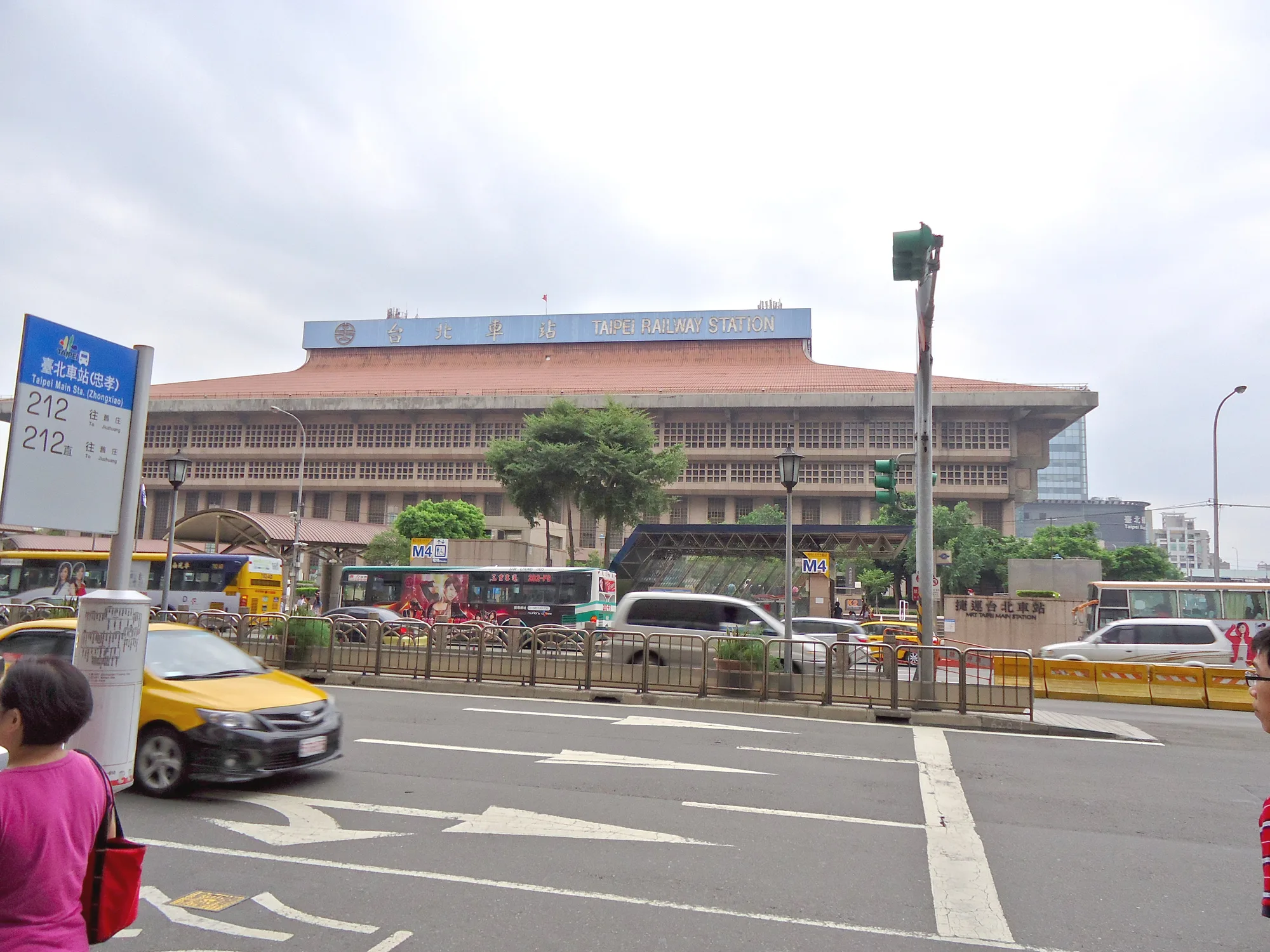
It’s worth understanding the Airport MRT (run by Taoyuan Metro) as its own thing, because treating it as part of the city MRT causes most of the confusion travelers have. It connects Taoyuan International Airport toward Taipei Main Station (NT$160), where you transfer into the city MRT network. The line runs two service patterns—the faster Express, which reaches Taipei Main in about 35 minutes and adds luggage racks and charging, alongside all-stops Commuter trains that take around 50—so check which suits your timing.
For arrivals, the Airport MRT is often the simplest, most predictable point-to-point option into the city, sidestepping traffic and giving you a clear endpoint at Taipei Main Station from which to reach almost any neighborhood. Buy or top up an EasyCard at the airport so you can tap straight onto it, and if you’re arriving very late or loaded with luggage, weigh a taxi or transfer instead for the door-to-door comfort.
For departures, the same logic runs in reverse: the line’s predictability helps you plan a buffer and avoid traffic anxiety. Just build in extra time, confirm the day’s schedule on the official site, and remember that fares and passes here are separate from the city system—so don’t assume a city-MRT pass covers your airport run.
Like any big-city metro, the MRT has rush-hour crowds around typical commute times on weekdays, plus busy stretches near major events and on weekend evenings. None of this is a problem—trains are frequent—but if you’re carrying luggage, traveling with kids, or simply crowd-sensitive, nudging your big moves to slightly off-peak windows makes everything calmer. Service generally runs from early morning until around midnight, though exact first and last trains vary by line and day, so a glance at the official schedule helps when planning a late night, and a small taxi budget for the final hop never hurts.
A few station landmarks help you orient the whole network. Taipei Main Station is the central hub where multiple lines and the Airport MRT converge, and it’s your reference point for most cross-city moves and the airport connection. CKS Memorial Hall station links the Red and Green lines near a cluster of culture (the memorial, Liberty Square, the theaters); Ximen connects the Blue and Green lines for Ximending; and the Brown line’s far end at Taipei Zoo is where you’d head for the zoo and the Maokong Gondola.
Two habits make even the busiest moments easy: choose your exit number before you leave the platform area, since big interchanges can surface you on entirely different corners, and at rush hour let a crowded train go and take the next rather than squeezing on. Frequent service means waiting costs you almost nothing in comfort.
The pages that pair best with this one — tap a card to keep planning.
Taipei is one of Asia’s easiest cities to navigate. Here’s how to combine MRT + walking (and when buses or taxis actually help).
Travel TipsMoney in TaipeiHow to handle money smoothly in Taipei: when you’ll need cash, what to expect at night markets, and a simple spending mindset.
 NeighborhoodsXinyi
Taipei’s most modern district: towers, malls, wide sidewalks, and the city’s most iconic skyline moments around Taipei 101. It’s the easiest place to feel the city’s contemporary momentum, especially at sunset and after dark.
 NeighborhoodsDaan
A polished, livable part of Taipei with parks, cafés, great food, and an unhurried rhythm—perfect for slowing down between big sights. It’s where the city feels most residential and refined, anchored by the green expanse of Daan Forest Park.
Quick answers to common planning questions.
Official pages and references for planning details.
Hand-picked next reads to make your Taipei plan smoother.
Taipei is one of Asia’s easiest cities to navigate. Here’s how to combine MRT + walking (and when buses or taxis actually help).
Read more →
How to handle money smoothly in Taipei: when you’ll need cash, what to expect at night markets, and a simple spending mindset.
Read more →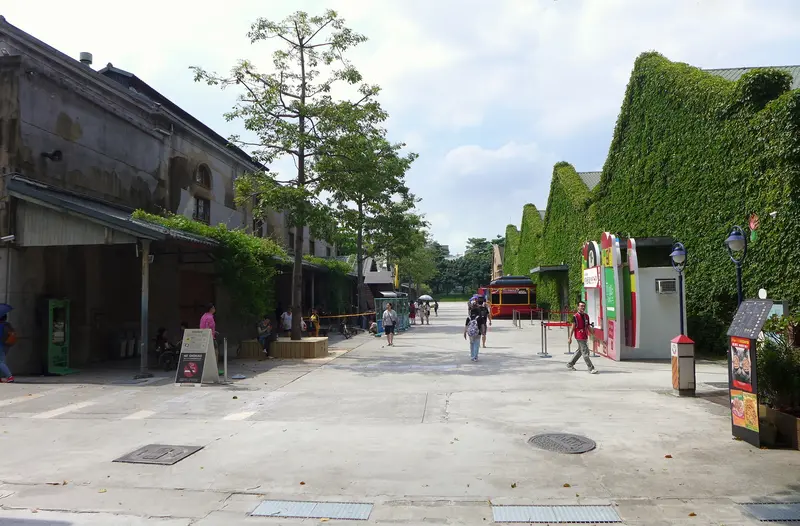
Taipei’s most modern district: towers, malls, wide sidewalks, and the city’s most iconic skyline moments around Taipei 101. It’s the easiest place to feel the city’s contemporary momentum, especially at sunset and after dark.
Read more →
A polished, livable part of Taipei with parks, cafés, great food, and an unhurried rhythm—perfect for slowing down between big sights. It’s where the city feels most residential and refined, anchored by the green expanse of Daan Forest Park.
Read more →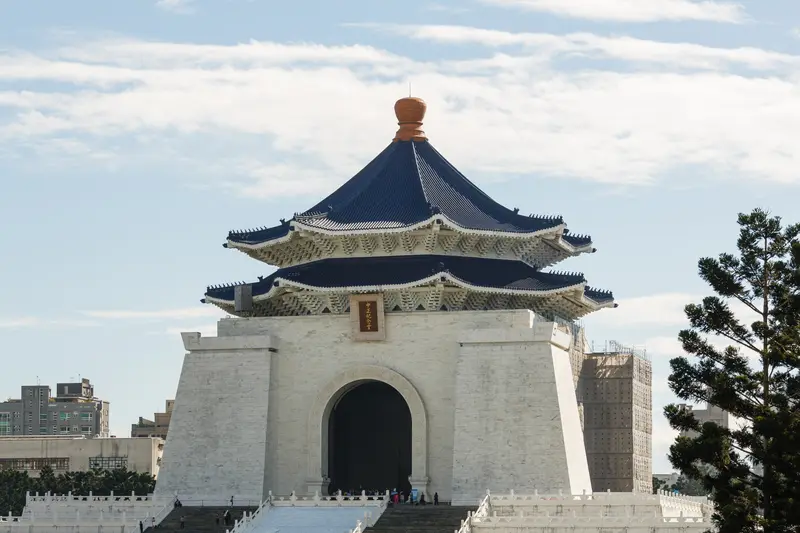
A central district for big cultural landmarks and museum-style sightseeing—ideal for your ‘classic Taipei’ day. Home to the CKS Memorial Hall, Liberty Square, and the city’s great national museums, it’s where Taipei tells its public story.
Read more →Taipei’s most famous pedestrian shopping area—bright signage, pop culture, and a steady stream of snacks and late-night eats. Compact, walkable, and endlessly photogenic, it’s the city’s easiest ‘Taipei at night’ to dive into on day one.
Read more →Start with a simple loop: one neighborhood stroll, one iconic sight, and one night market. Taipei rewards balance.
Tip: hours, prices, and seasonal schedules can change. When something matters (like a museum ticket or a special exhibition), check the official listing before you go.