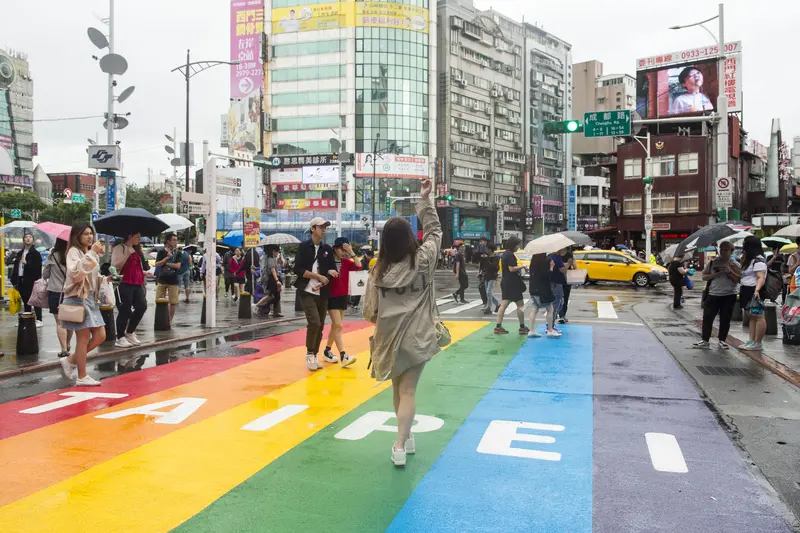
Taipei MRT basics: how to ride like a local
A practical guide to using the Taipei Metro (MRT): EasyCard tips, transfers, station etiquette, and how to plan routes without stress.
Read more →
Taipei is one of Asia’s easiest cities to navigate. Here’s how to combine MRT + walking (and when buses or taxis actually help).
Taipei is one of Asia’s easiest cities to navigate. Here’s how to combine MRT + walking (and when buses or taxis actually help).
Updated June 20, 2026
 Quick facts資訊Getting thereBest time / forGood to knowBest forDefault comboWhen to taxi
 Highlights亮點
For most visitors, the MRT (Taipei Metro) is the backbone: it’s clean, frequent, and connects the areas you’ll actually spend time in. Walking fills in the details—small shops, snack stops, and the city’s best street atmosphere. The honest truth about Taipei is that you can build an entire trip around one rule: take the train to a district, then walk it.
The easiest optimization is not speed; it’s simplicity. Plan one or two adjacent areas per day and you’ll do far less transferring. Transfers are the real ‘time tax’ on short city trips—two clean stops on the same line almost always beats a faster route with multiple line changes.
The system is organized by color and number, so you don’t need to memorize station names. You just need to know which color line gets you roughly where you’re going, and where lines cross so you can transfer. Pair that with district-based planning and most days resolve to one or two lines and a single transfer at most.
If you’re riding transit more than a couple of times, an EasyCard makes everything smoother. It’s a stored-value card you tap at the gate when you enter and again when you exit—tap-and-go keeps your day flowing and removes decision fatigue. The same card also works for plenty of small daily purchases around the city, including at convenience stores, which is handy when you want to save your cash for night markets and small shops.
MRT fares are distance-based, from NT$20 for a short hop up to about NT$65 for the longest cross-city journeys, and the card calculates everything automatically when you tap in and tap out (with roughly 20% off the single-ticket fare for EasyCard/iPASS users). For visitors, that means there’s nothing to compute—just keep some value loaded and the gates do the math.
Taipei Metro also sells unlimited-ride passes—a One-Day Pass for NT$150 or a 24-hour pass for NT$180. These can pay off on route-heavy sightseeing days with lots of cross-city hopping, but they aren’t automatically ‘better.’ If your itinerary is mostly walking inside one district, a plain EasyCard is the simpler, better-value default. A good habit: top up before a long day so a low balance never stops you at a gate.
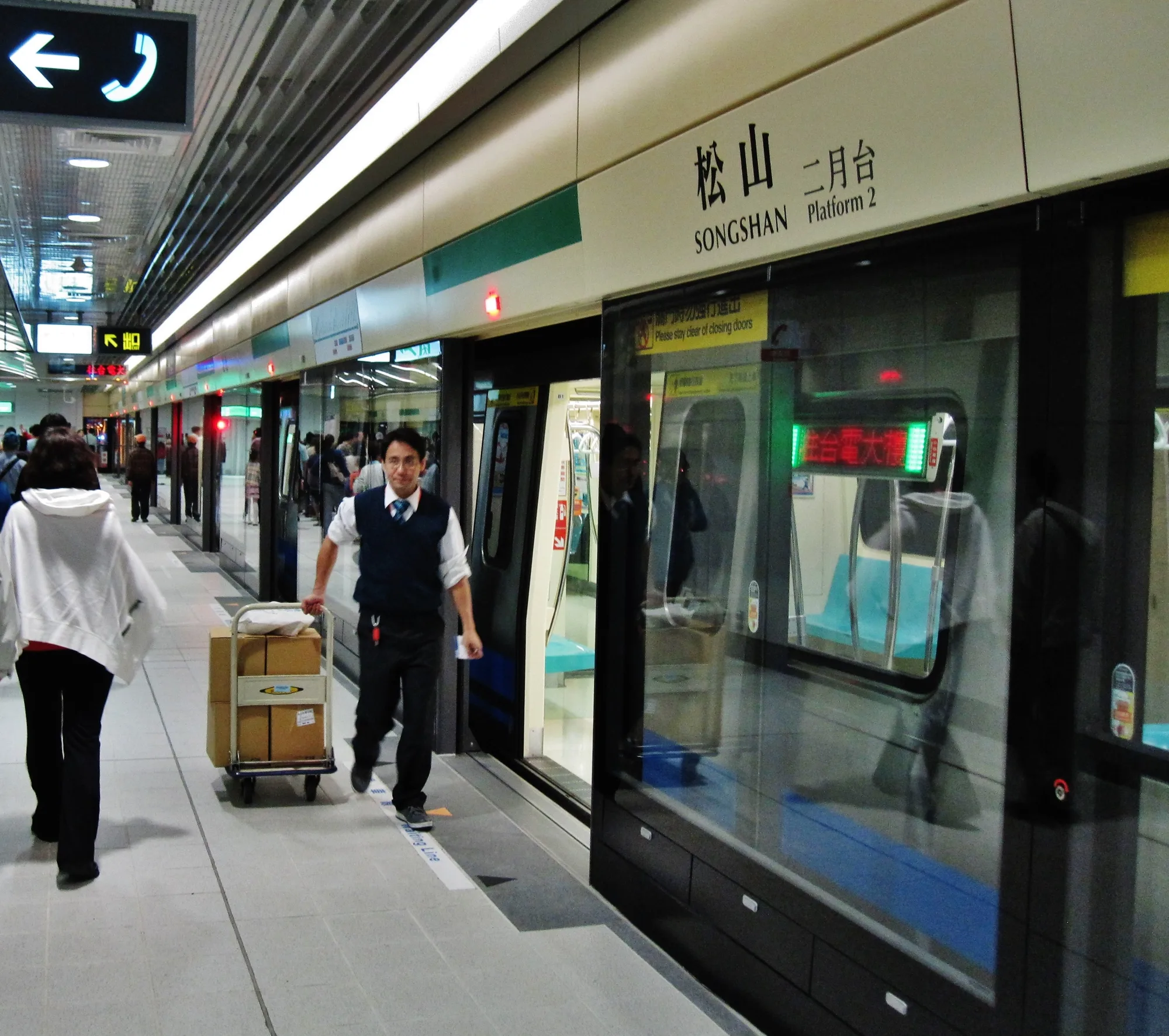
The MRT is easy once you know the rhythm: enter → follow signs by line color and number → reach the platform → confirm direction by the final destination → exit by the right numbered exit. Most confusion comes from trying to optimize too early. Give yourself one calm rule—choose the simplest route with the fewest transfers—and the rest takes care of itself.
The detail worth taking seriously is exit choice. Large interchange stations have many exits, and the wrong one can spill you out on a completely different corner. Take twenty seconds to check the exit number on a map before you surface, and you’ll save yourself a lot of disoriented backtracking.
Buses are useful for a handful of ‘almost MRT’ destinations where the train leaves you with an awkward walk, and for some museum and park routes. They’re a little harder to read than the MRT for first-timers, so lean on a maps app for live routing and stop info, and tap your EasyCard the same way you would on the metro. Bus etiquette is the same calm, orderly rhythm you’ll find on the trains.
YouBike, Taipei’s public bike-share, often handles the ‘last mile’ to a riverside path, park, or stop that sits a little far from a station. Docks are common near MRT exits, and the system links with EasyCard for many users. Treat it as a tactical tool for flat, short, pleasant connections rather than a primary mode—the official YouBike channels have the current sign-up steps and pricing, worth a peek before you lean on it.
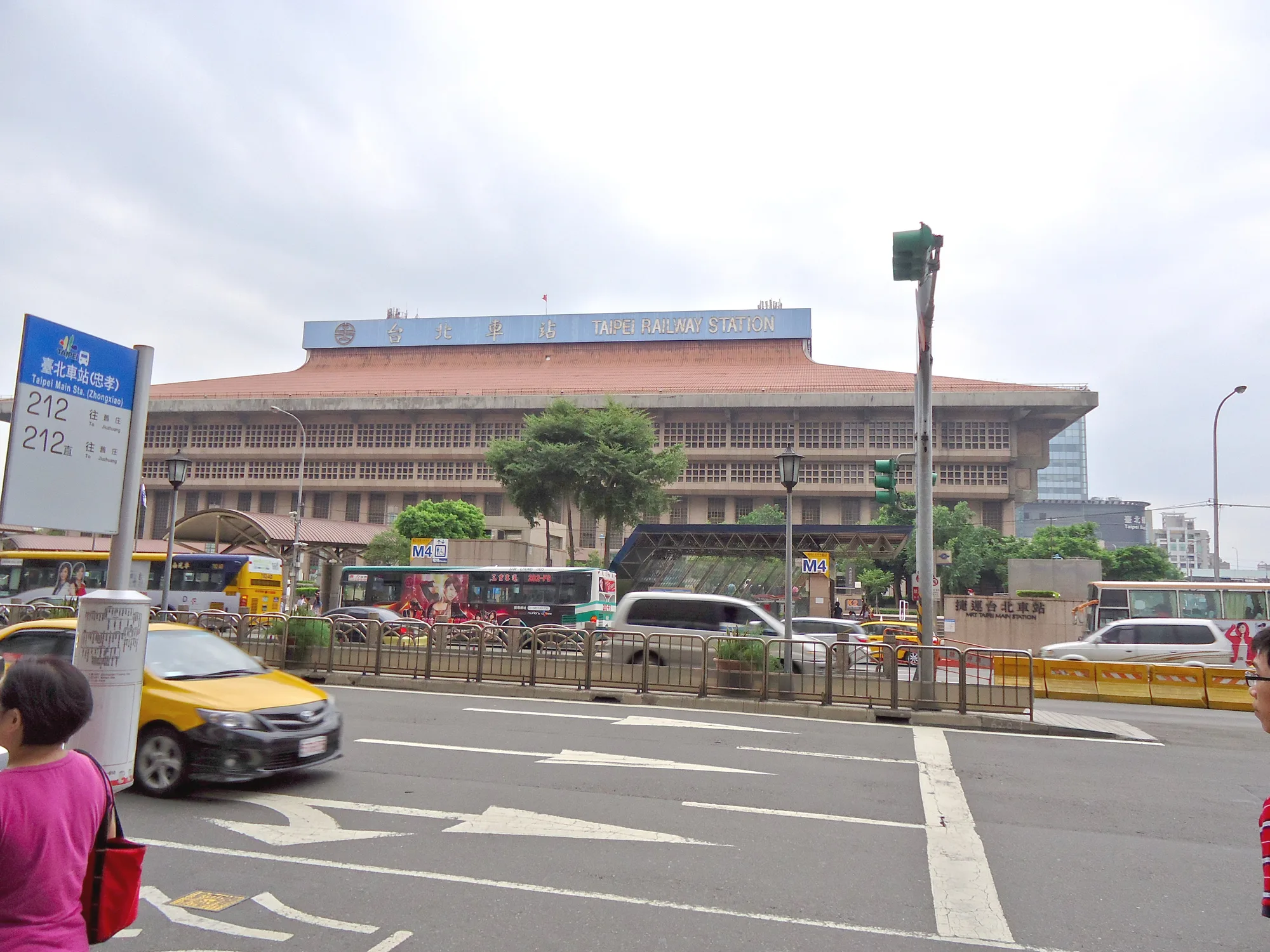
Taxis are best understood not as a luxury but as a tool that protects your mood. They shine in exactly the moments when transit would drag your day down: late at night when trains are winding down, in heavy rain, when you’re hauling luggage, or when your feet are done but you have one more stop in you. One short, well-timed taxi hop can rescue an entire evening.
Taxis are widely available, and you can flag them on busy streets or use a ride-hailing app. The simplest way to communicate your destination is to show the address on your phone screen—saving your hotel’s address in both English and Chinese makes this effortless. Keep a small ‘taxi buffer’ in cash for late nights when you’re tired and don’t want to think about routing.
Walking isn’t a fallback in Taipei—it’s where the city reveals itself. The best food, the most atmospheric lanes, and the small discoveries that make a trip memorable all happen on foot, between MRT stops. Most central districts are walkable, with covered arcades that come in handy during sudden showers, and convenience stores (7-Eleven, FamilyMart and others are everywhere) for a quick drink, snack, or restroom break.
A few comfort choices make walking days easy: shoes with grip for wet sidewalks, a compact umbrella, and a small power bank so your map app never dies on you. Older streets can have uneven pavement and occasional steps, so slow down on wet tiles. Plan one café or mall reset in the afternoon and you can comfortably walk a whole district without it feeling like a workout.
Quick answers to common planning questions.
Official pages and references for planning details.
Hand-picked next reads to make your Taipei plan smoother.
A practical guide to using the Taipei Metro (MRT): EasyCard tips, transfers, station etiquette, and how to plan routes without stress.
Read more →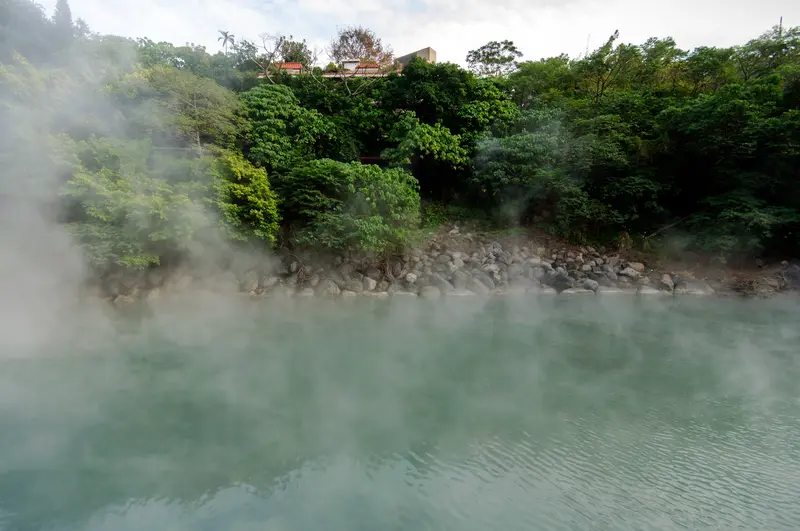
Choose a Taipei base that matches your trip: modern skyline, leafy cafés, late-night street culture, hot springs, or design-forward city living.
Read more →A high-impact day plan that balances iconic sights with neighborhood texture—designed to feel full but not frantic.
Read more →
A balanced weekend itinerary: one day for iconic Taipei + one day for museums/heritage and either tea hills or hot springs.
Read more →
A central, design-forward district with great food, cafés, nightlife, and convenient connections—an ideal ‘default’ base for many trips. It blends boutique shopping, art spaces, and a relaxed adult nightlife within easy reach of everywhere.
Read more →
A polished, livable part of Taipei with parks, cafés, great food, and an unhurried rhythm—perfect for slowing down between big sights. It’s where the city feels most residential and refined, anchored by the green expanse of Daan Forest Park.
Read more →Start with a simple loop: one neighborhood stroll, one iconic sight, and one night market. Taipei rewards balance.
Tip: hours, prices, and seasonal schedules can change. When something matters (like a museum ticket or a special exhibition), check the official listing before you go.