Skip to content
green plants near body of water during daytime
Taipei · 台北 · 25.03°N 121.56°E

Tea culture & bubble tea in Taipei: drink beyond the hype

Taiwan is a tea place first. Learn how to order bubble tea with intention—and where to slow down for real tea in Taipei.

Y S Unsplash

Taiwan is a tea place first. Learn how to order bubble tea with intention—and where to slow down for real tea in Taipei.

Updated June 20, 2026

Quick facts資訊

Time needed
10–12 minute read
Best time / for
Tea lovers, couples and rainy afternoons
Good to know
Order less sugar once to actually taste the tea.
Best for
Tea lovers, shoppers, couples, rainy afternoons
Time to read
10–12 minutes
Try this
Order less sugar once to taste the tea
Core idea
One boba + one ‘real tea’ stop makes the day feel richer

Highlights亮點

  • Order sweetness and ice level deliberately
  • Try milk tea with stronger tea flavor (not just sugar)
  • Pair a tea afternoon with Dadaocheng or Maokong
  • Bring tea home as the best souvenir

Taipei is a tea city (even when it’s loud about boba)

Bubble tea is everywhere, but Taipei’s deeper love story is with tea itself—oolongs, roasted notes, floral aromas, and slow brewing. If you treat bubble tea as just one stop on a larger tea walk, your trip gets richer.

Think of your tea time as a daily ritual: a pause between districts, an air-conditioned reset, a small moment of calm.

  • Bubble tea is the loud headline; tea is the quiet foundation
  • Tea breaks are pacing tools (especially in heat or rain)
  • The best “souvenir snack” often ends up being tea

How to order bubble tea like you mean it

Most shops let you choose sugar and ice levels. If you want to actually taste tea, lower the sugar. If you want something refreshing, keep ice; if you want more aroma, try less ice.

If you’re new, start with classic black milk tea or a roasted oolong milk tea, then explore fruit teas and seasonal specials.

  • Sweetness: try 30–50% to taste tea
  • Ice: normal for summer, less ice for more aroma
  • Toppings: pearls, grass jelly, pudding—pick one, not all

A bubble-tea cheat sheet (menus are easier than they look)

Bubble tea menus can feel overwhelming because they combine three decisions: tea base, sweetness/ice, and add-ons. Once you see it as a modular system, ordering becomes fast.

If you want a safe first order: pick a classic milk tea, choose a moderate sweetness, and add pearls. Then adjust next time.

  • Tea base: black tea / green tea / oolong (roasted or floral)
  • Style: milk tea (richer) / fruit tea (lighter) / straight tea (most aromatic)
  • Texture: pearls (chewy) / grass jelly (lighter) / pudding (dessert-like)
  • Sweetness: lower if you want tea flavor; higher if you want dessert

Milk tea vs fruit tea (what to choose by mood)

Milk tea is comfort and richness. Fruit tea is refreshment and brightness. Straight tea is the “taste the leaf” option—often underrated if you’ve only tried sugary versions.

If you’re doing a full food day, fruit tea can be a better palate reset than another rich drink.

  • Milk tea: creamy, satisfying, best when you want dessert energy
  • Fruit tea: refreshing, lighter, great in humid weather
  • Straight tea: aromatic, best for a calmer afternoon pace
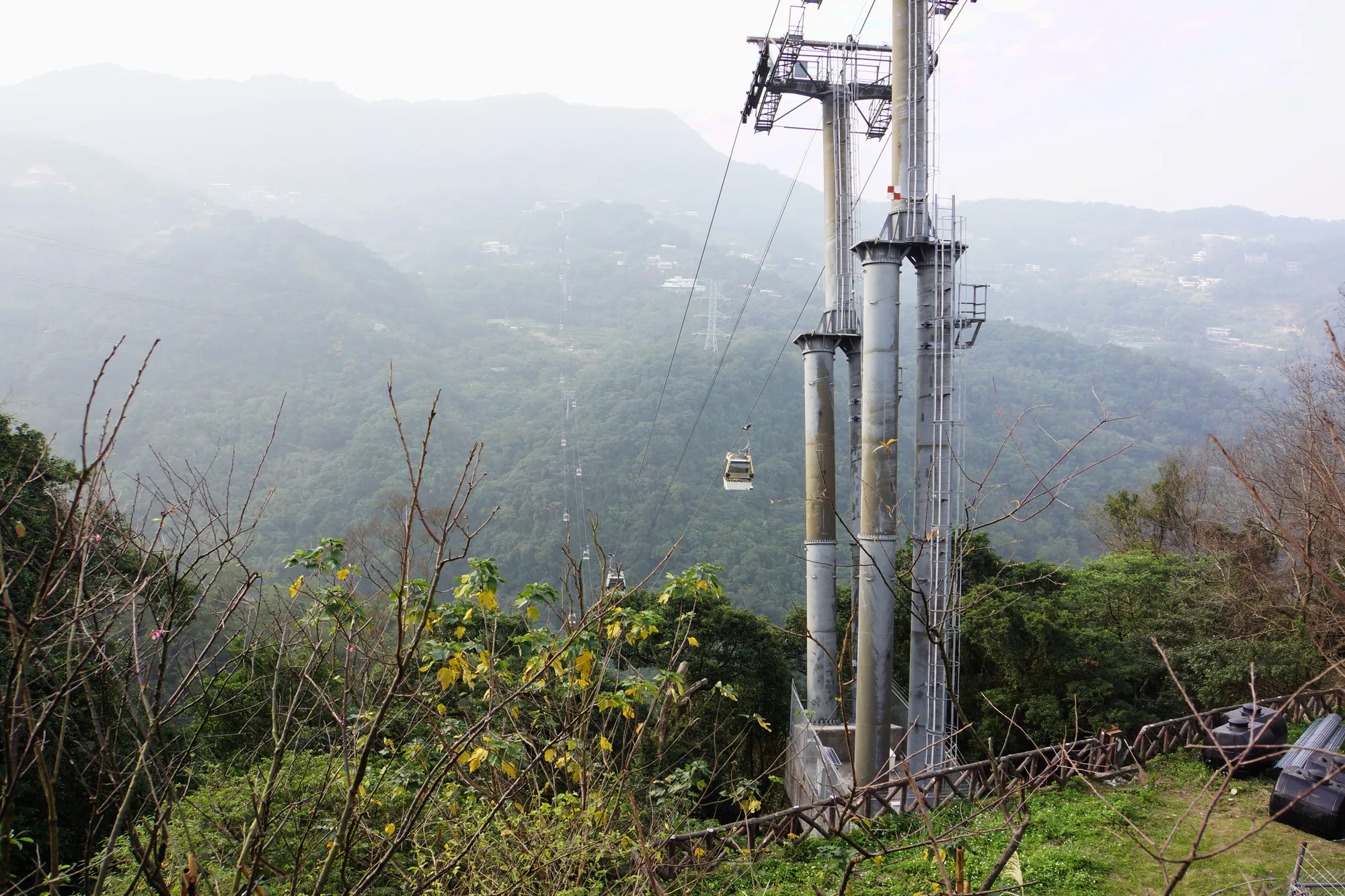
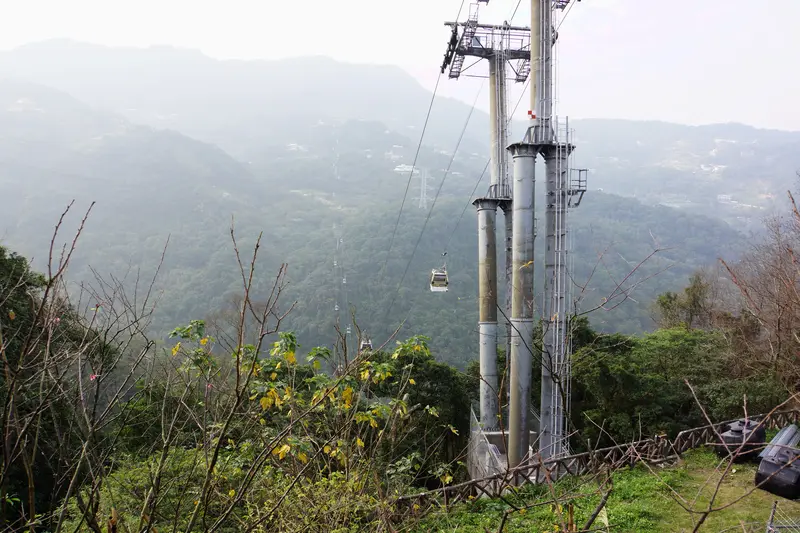
Maokong Gondola cable-car cabins on grey towers descending over forested green tea hills in Taipei
Photo: lienyuan lee · CC BY 3.0 · Wikimedia Commons

Where to do “real tea” in Taipei

For a slower tea experience, look to Dadaocheng (tea and dry goods culture) and Maokong (tea hills and tea houses). You don’t need a formal ceremony—just a place that takes tea seriously.

A perfect Taipei afternoon: tea shop browsing → a calm brew → sunset viewpoint.

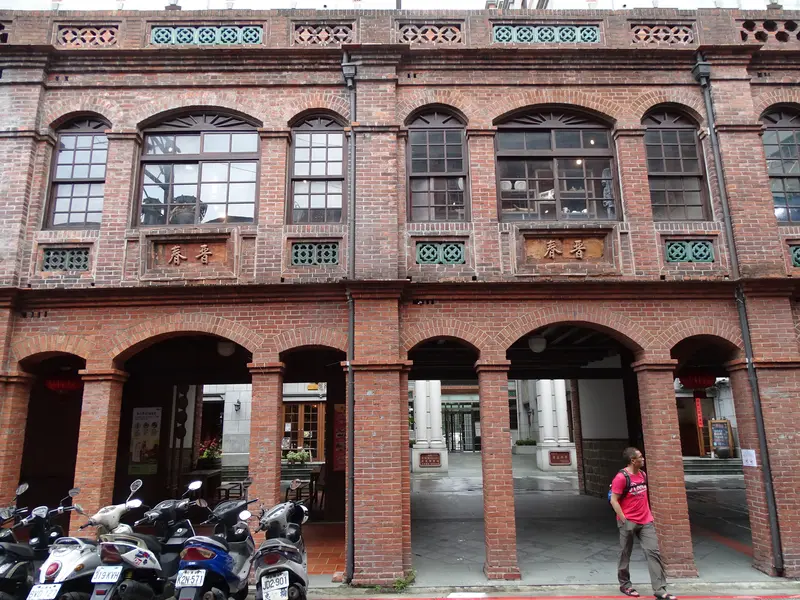
  • Dadaocheng: tea shops and heritage storefronts
  • Maokong: tea houses with views and cooler air
  • Day trip option: Pinglin Tea Museum for deeper tea-culture context

A perfect tea afternoon (two simple templates)

The best tea time in Taipei isn’t rushed. Choose one district and give yourself space: browse, sit, sip, then wander again.

These two templates work in almost any weather.

  • Template A (heritage): Dadaocheng browsing → tea stop → riverside stroll
  • Template B (views): Maokong gondola → tea house → sunset → easy dinner

Tea as a souvenir

Tea travels well. If you want an easy, meaningful souvenir, pick a small tin of oolong or a roasted tea you genuinely like. Ask for a ‘light roast’ or ‘more roasted’ profile depending on your taste.

If you’re unsure, buy small quantities of two styles. Your future self will appreciate the comparison.

  • Buy small amounts of two styles (floral vs roasted) to learn your preference
  • Ask how to brew it simply (water temp + short steeping is usually safer)
  • If you love gifting: tea is lighter than ceramics and more memorable than keychains

An oolong primer: the tea family Taiwan is famous for

If Taiwan has a signature tea, it’s oolong—a broad family that sits between green and black tea in oxidation, which is exactly why it’s so rewarding to explore. Lightly oxidized oolongs lean green, floral, and fresh, with delicate aromas that can taste almost like flowers or fruit. More heavily oxidized and roasted oolongs turn amber, toasty, and warming, with notes that drift toward honey, caramel, and roasted nuts. Once you understand that the same plant can land anywhere along that spectrum depending on processing, tea menus stop feeling random and start feeling like a map.

Roast level is the other big dial. A light roast keeps the bright, floral character forward; a heavier roast adds depth, smoothness, and a comforting toasty quality that many people find easier to love on a cold day or with food. Neither is ‘better’—they’re moods. The simplest way to learn your own taste is to try a floral, lightly oxidized oolong alongside a roasted one and notice which you reach for again. That single comparison teaches you more than any amount of reading.

Beyond oolong, Taiwan does lovely black teas and green teas too, but oolong is the thread that runs through the island’s tea identity and its most celebrated growing regions. You don’t need to memorize varietals to enjoy it—just hold onto two questions when you shop or sit down: how oxidized is it, and how roasted is it? Those two answers predict most of what you’ll taste in the cup.

  • Oolong sits between green and black tea—its range is the whole point
  • Light oxidation: green, floral, fresh; heavy oxidation/roast: amber, toasty, honeyed
  • Roast level is a separate dial: light keeps it bright, heavy adds depth and warmth
  • Learn your taste by comparing one floral oolong against one roasted oolong
  • Two questions decode most menus: how oxidized, and how roasted?

Gongfu brewing and the small-pot ritual

If you’ve only had tea as a big mug steeped once, the gongfu style is a revelation. The idea is to use a relatively large amount of leaf in a small pot or gaiwan (a lidded cup), with short infusions—often just seconds—poured one after another. Instead of a single cup, you get a series of small servings, and the tea changes character as it opens up: the first steeps bright and aromatic, the middle ones rich and full, the later ones soft and sweet. It turns drinking tea into a slow, attentive experience rather than a quick caffeine fix.

You don’t need to perform anything formal to enjoy it. At a teahouse in a place like Maokong, staff will often set you up with the leaf, hot water, and a little gear, and a relaxed afternoon of repeated short steeps is the whole point. The unspoken etiquette is gentle: warm the pot, give the leaves a quick rinse if it’s traditional for that tea, keep early infusions short, and lengthen them as the leaves tire. There’s no test—curiosity and a slow pace are all you need.

What makes gongfu special for travelers is that it pairs perfectly with Taipei’s rhythm. A small-pot session is the ideal reset between districts: cool air, somewhere to sit, and a drink that asks you to slow down. If you fall for it, the gear is light and packable, and recreating the ritual at home becomes a quiet souvenir of the trip. Treat your first session as learning, not mastering—half the pleasure is noticing how the same leaves taste different from steep to steep.

  • Gongfu = lots of leaf, small pot or gaiwan, many short infusions
  • The tea evolves across steeps: bright, then rich, then soft and sweet
  • Teahouses (e.g., Maokong) often set you up—no formal performance required
  • Gentle etiquette: warm the pot, keep early steeps short, lengthen as leaves tire
  • A perfect reset between districts; the gear is light enough to take home
Steam billowing from the sulfur-stained volcanic Xiaoyoukeng fumaroles in Yangmingshan National Park, Taiwan
Photo: Jim X · CC BY-SA 4.0 · Wikimedia Commons

Where Taipei’s tea grows: Maokong and Pinglin

Tea isn’t an abstract idea in Taipei—it grows on hills you can actually visit. Maokong, reached by gondola from the Taipei Zoo station, is the city’s own tea district: terraced slopes, teahouses with views, and noticeably cooler air than the streets below. It’s the easiest way to connect the drink in your cup with the landscape it comes from, and you can spend a low-effort afternoon riding up, settling into a teahouse, and watching the light change over the hills. The gondola has its own schedule and fares that change periodically, so a quick look at the official site helps, and note it typically closes one day a week.

For a deeper dive, Pinglin is the tea-country day trip. A valley town reachable by bus from Xindian, it’s home to the Pinglin Tea Museum and surrounded by the terraced plantations that supply some of the region’s most respected leaf. The museum sets tea in its full cultural and historical context, and the surrounding trails and riverside let you make a slow, gentle day of it. It’s less about a single famous photo and more about understanding where the tea actually comes from—ideal if the drink has genuinely caught your interest.

Visiting a growing area changes how you shop and drink afterward. Once you’ve smelled a hillside and watched mist move through tea terraces, a tin of oolong stops being a generic souvenir and becomes a specific memory. Whether you choose the quick win of Maokong or the fuller story of Pinglin, hours, fares, and any guided-tour times are easy to confirm on the official sites, since these details shift with seasons and operations.

  • Maokong: Taipei’s own tea hills, reached by gondola from Taipei Zoo station
  • Cooler air, teahouses with views—an easy low-effort tea afternoon
  • Pinglin: a tea-country day trip by bus from Xindian, home to the Pinglin Tea Museum
  • Pinglin sets tea in cultural and historical context, with trails and riverside
  • Gondola/museum hours, fares, and tour times are easy to confirm on official sites—they change

Seasons in the cup: how timing shapes Taiwanese tea

Tea is an agricultural product, and Taiwan’s harvests carry the fingerprint of their season. Spring teas are widely prized for their freshness, fragrance, and delicacy—the lighter, floral oolongs often shine at this time. Winter harvests are also highly regarded, frequently described as smooth and aromatic. Summer and autumn pickings have their own character, and which is ‘best’ depends as much on the tea and your taste as on the calendar. You don’t need to chase a specific harvest; just know that freshness and season are part of why two oolongs that look similar can taste quite different.

Season shapes how you drink, too, not only what’s picked. In Taipei’s humid summer, a lighter, fresher tea—or even a well-made cold-brew or iced tea—can be more refreshing than a heavy roast, while cooler months are when a warming, roasted oolong feels just right. Letting the weather guide your choice is a simple, reliable way to enjoy tea more, whether you’re in a teahouse or ordering a drink to go. There’s no wrong answer—only what suits the day.

When you’re buying tea to bring home, freshness matters more than chasing a prestigious-sounding label. A recently harvested, well-stored tea you actually like will outperform a fancy name that’s been sitting around. If a shop is happy to let you smell or taste, lean on your own nose rather than the marketing. Ask when it was harvested and how to store it simply, and you’ll get far more pleasure out of the tin once you’re back home.

  • Spring teas: prized for freshness and fragrance; winter harvests also highly regarded
  • ‘Best’ season depends on the tea and your taste—don’t over-chase a harvest
  • Match tea to weather: lighter/iced in humid summer, roasted and warming when cool
  • Buying to take home: freshness and your own palate beat a prestigious label
  • Ask when it was harvested and how to store it simply

Brewing Taiwanese tea at home (keep it simple)

Bringing tea home is only worth it if you’ll actually enjoy it, and the good news is you don’t need special gear to do that. The biggest lever is water temperature: oolongs generally like hot water, hotter than you’d use for delicate green tea, so near-boiling is a safe starting point for most roasted and floral oolongs. The second lever is time—start with a short steep, taste, and adjust. Under-steeping gives you a thin, timid cup; over-steeping pushes it bitter. A few short infusions almost always beats one long one.

If you want the easy Western-style approach, use a modest amount of leaf in a mug or small pot, pour hot water, steep briefly, and pour off or remove the leaves before it gets bitter. If you caught the gongfu bug on your trip, replicate that at home with a small pot or gaiwan: more leaf, less water, very short steeps, repeated several times. Either way, good oolong forgives a lot—the worst mistakes are water that’s too cool and leaves left sitting too long.

Storage protects everything you carried home. Keep tea sealed, away from light, heat, strong smells, and moisture, and it’ll hold its character for a good while. When you buy, it’s worth asking the shop for a simple brewing suggestion specific to that tea—water temperature and rough steeping time—because a tea you can brew confidently is one you’ll keep reaching for. Treat the first few cups as calibration, and you’ll dial in your perfect version quickly.


  • Water temperature is the biggest lever: oolongs like hot, near-boiling water
  • Start with a short steep, taste, and adjust—several short steeps beat one long one
  • Western style: modest leaf, hot water, brief steep, then remove the leaves
  • Gongfu at home: more leaf, less water, very short repeated infusions
  • Store tea sealed, away from light, heat, moisture, and strong smells

Reading a tea menu without getting lost

Tea menus—whether at a teahouse or a bubble-tea counter—look intimidating only because they bundle several decisions into one list. At a proper teahouse, the menu is usually organized by tea type, often with oolongs grouped by how floral or roasted they are, alongside greens and blacks. You don’t need to recognize every name; you need a strategy. Ask the staff for something floral and light, or something roasted and warming, depending on your mood, and let them point you to a good example. Most teahouses are glad to guide a curious newcomer.

At a bubble-tea shop, the same modular thinking applies but faster. Pick a tea base (black, green, or oolong), choose a style (milk tea for richness, fruit tea for brightness, or straight tea for the most aroma), then set sweetness and ice. Lowering the sugar is the single best move if you want to actually taste the tea rather than candy—try a moderate or low level once and you’ll learn the difference instantly. Toppings are a texture choice, not a requirement: pick one, like chewy pearls or lighter grass jelly, rather than piling on.

When in doubt, narrow rather than browse. Decide on one axis first—‘I want something warm and roasted’ or ‘I want something light and refreshing’—and the rest of the menu collapses into a few sensible options. Staff are your shortcut: a simple description of what you’re in the mood for usually gets you a better cup than scanning unfamiliar names. Order with intention, adjust next time, and a tea menu quickly becomes a friend rather than a wall of words.

  • Teahouse menus group by tea type—ask for ‘floral and light’ or ‘roasted and warming’
  • Bubble tea is modular: base → style (milk/fruit/straight) → sweetness → ice → one topping
  • Lowering sugar is the fastest way to actually taste the tea
  • Decide one axis first (warm/roasted vs light/refreshing) to shrink the choices
  • Staff are your shortcut—describe your mood rather than decoding names

Read these next 延伸閱讀

The pages that pair best with this one — tap a card to keep planning.

FAQ 常見問題

Quick answers to common planning questions.

What’s the difference between floral and roasted oolong?
It comes down to oxidation and roast. Lightly oxidized oolongs are green, floral, and fresh; more oxidized and roasted ones turn amber, toasty, and honeyed. Neither is better—they’re moods. The easiest way to find your taste is to try a floral, lightly oxidized oolong next to a roasted one and notice which you reach for again.
What is gongfu tea brewing?
It’s a style that uses lots of leaf in a small pot or gaiwan with many short infusions instead of one long steep. You get a series of small cups, and the tea evolves from bright to rich to soft and sweet. Teahouses, including those in Maokong, often set you up—there’s no formal performance, just a slow, attentive way to drink.
Where can I see where Taipei’s tea is grown?
Maokong, reached by gondola from the Taipei Zoo station, is the city’s own tea district with terraced slopes, teahouses, and cooler air. For a fuller story, Pinglin is a tea-country day trip by bus from Xindian, home to the Pinglin Tea Museum and surrounding plantations. Gondola and museum hours and fares are worth confirming on the official sites.
How do I brew Taiwanese oolong at home?
Use hot, near-boiling water—oolongs like it hotter than delicate green tea—and start with a short steep, then taste and adjust; several short steeps beat one long one. Western style means modest leaf, hot water, and removing the leaves before bitterness; gongfu style means more leaf, less water, and short repeated infusions. Store tea sealed, away from light, heat, and moisture.
What sweetness level should I choose for bubble tea?
If you want to taste tea, start lower than you think—30–50% is a good experiment. If you want dessert energy, go higher. The best level is the one you enjoy; the trick is trying lower once so you learn the difference.
What’s the best first bubble tea order in Taipei?
A classic milk tea with pearls at a moderate sweetness is the easiest baseline. From there, try roasted oolong milk tea (deeper tea flavor) or a fruit tea on hot days.
Is Maokong worth it if I’m not a serious tea person?
Yes if you like views and a slower afternoon. Maokong is as much about the elevation change and tea-house atmosphere as it is about being a tea expert.
Is bubble tea always very sweet?
It doesn’t have to be. Most shops let you choose sweetness and ice. Ordering less sugar is the simplest way to make bubble tea feel more like tea and less like candy.
What’s the easiest tea souvenir to buy?
A small tin of oolong (floral or roasted) is the simplest. Buy small quantities, ask for a basic brewing suggestion, and choose what you genuinely like rather than what sounds impressive.

Helpful links 連結

Official pages and references for planning details.

Keep exploring 繼續逛

Hand-picked next reads to make your Taipei plan smoother.

Datong & Dadaocheng: old streets, tea shops, and Taipei heritage

Datong & Dadaocheng: old streets, tea shops, and Taipei heritage

A historic area anchored by Dihua Street—tea, dry goods, traditional shops, and a slower, more photogenic side of Taipei. It’s one of the city’s oldest trading quarters, full of Qing-era and Japanese-Baroque facades that reward a slow, curious wander.

Read more →
Wenshan: tea hills, the zoo, and a greener Taipei day

Wenshan: tea hills, the zoo, and a greener Taipei day

A south-Taipei district that shines when you want nature: Taipei Zoo, the Maokong gondola, tea houses, and cooler hill air. It’s the city’s easy ‘green reset’, where you can change elevation and mood in a single afternoon.

Read more →
Dihua Street (Dadaocheng): old Taipei, tea shops, and dry goods culture

Dihua Street (Dadaocheng): old Taipei, tea shops, and dry goods culture

Taipei’s oldest street, with shops dating back to around 1851—a fragrant warren of tea, herbal medicine, fabric, and dried goods set among Qing-dynasty shophouses and colonial Baroque facades.

Read more →
Maokong Gondola: tea hills, views, and an easy nature day

Maokong Gondola: tea hills, views, and an easy nature day

A 4.03 km cable-car ride from beside Taipei Zoo up into the Maokong tea hills—big views, cooler air, glass-bottomed Crystal Cabins, and tea houses waiting at the top.

Read more →
Pinglin Tea Museum: a tea-culture day trip for oolong lovers

Pinglin Tea Museum: a tea-culture day trip for oolong lovers

A dedicated tea museum in the mountain town of Pinglin, New Taipei — open since 1997 — with exhibitions on tea history and culture plus free gardens, trails, and pavilions. A calm, affordable day trip for travelers who want to understand Taiwan tea beyond bubble tea.

Read more →
Day trip: Pinglin tea day (museum + slow tea culture, no rushing)

Day trip: Pinglin tea day (museum + slow tea culture, no rushing)

A calm day trip for tea lovers: learn context at Pinglin Tea Museum, add one scenic tea-area stop, then return to Taipei for a comfort dinner.

Read more →

Ready to plan your next stop? 下一站

Start with a simple loop: one neighborhood stroll, one iconic sight, and one night market. Taipei rewards balance.

Tip: hours, prices, and seasonal schedules can change. When something matters (like a museum ticket or a special exhibition), check the official listing before you go.