



Skip to content
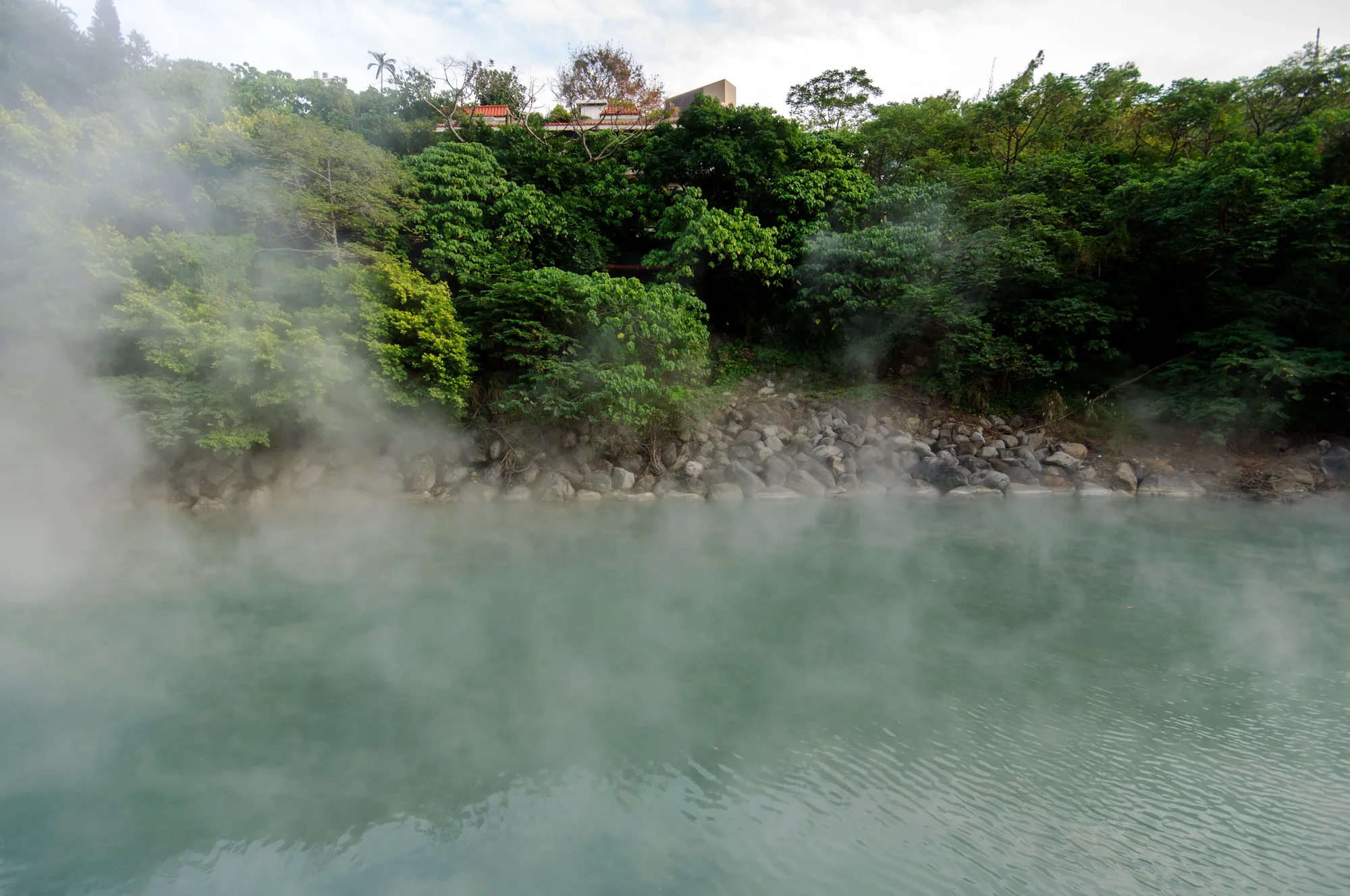
The steaming milky green-blue sulfur hot-spring pool of Beitou Thermal Valley in Taipei, ringed by green hillside
Taipei · 台北 · 25.03°N 121.56°E

Beitou Hot Spring Museum: the story behind Taipei’s spa neighborhood

A beautifully restored 1913 Japanese-era public bathhouse turned museum, blending Japanese and Western styles around a Roman-style Grand Bath with stained-glass windows. It’s an atmospheric, free stop that gives a Beitou hot-springs day its context—and the rare mineral Hokutolite is named for this very neighborhood.

Andrewhaimerl · CC BY-SA 4.0

A beautifully restored 1913 Japanese-era public bathhouse turned museum, blending Japanese and Western styles around a Roman-style Grand Bath with stained-glass windows. It’s an atmospheric, free stop that gives a Beitou hot-springs day its context—and the rare mineral Hokutolite is named for this very neighborhood.

Updated June 20, 2026

Map

Visualize where this fits in your day (and plan nearby pairings).

Open full map →

Quick facts資訊

Cost
Free (guided tours may carry a fee)
Hours
Tue–Sun 10:00–18:00 (last admission 17:45), closed Mondays
Time needed
45–60 minutes
Getting there
MRT Xinbeitou (Xinbeitou branch off the Red Line); ~6 min walk via Zhongshan Rd along Beitou Park (No. 2, Zhongshan Rd.)
Best time / for
Early morning or late afternoon to avoid crowds
Good to know
You must remove your shoes and wear the provided slippers inside—it’s a restored historic wooden bathhouse.
District
Beitou
Best for
Hot-springs culture, architecture, a slower pace
Closed
Mondays

Highlights亮點

  • Built 1913 as the Beitou Public Bathhouse; reopened as a museum in 1998
  • Roman-style Grand Bath with an arched colonnade and stained-glass windows
  • Linked to Hokutolite, the rare radium-bearing mineral named after Beitou

Why go

Beitou isn’t just ‘hot springs’. It’s a whole neighborhood built around the idea of slowing down—steam, stone, and quiet parks. The Hot Spring Museum gives you the story and the atmosphere, so the rest of your Beitou day feels more intentional.

Built in 1913 by the Japanese colonial government as the Beitou Public Bathhouse and modeled on Japanese hot-spring bathhouses, it’s a light, satisfying stop: you get beauty and historical context without needing deep museum energy.

The building and the Grand Bath

The museum is a two-story brick-and-wood structure that blends Japanese and Western styles, complete with a genkan entrance and tatami areas. The centerpiece is the ground-floor Roman-style Grand Bath—the former men’s bath—with an arched colonnade and stained-glass windows that give the room a striking, almost cathedral-like quality.

After falling into disuse following World War II, the bathhouse was restored and reopened as the museum on 31 October 1998, preserving the architecture that once defined Beitou’s bathing culture.

  • Two-story brick/wood building mixing Japanese and Western styles
  • Roman-style Grand Bath with arched colonnade and stained glass
  • Genkan entrance and tatami areas upstairs
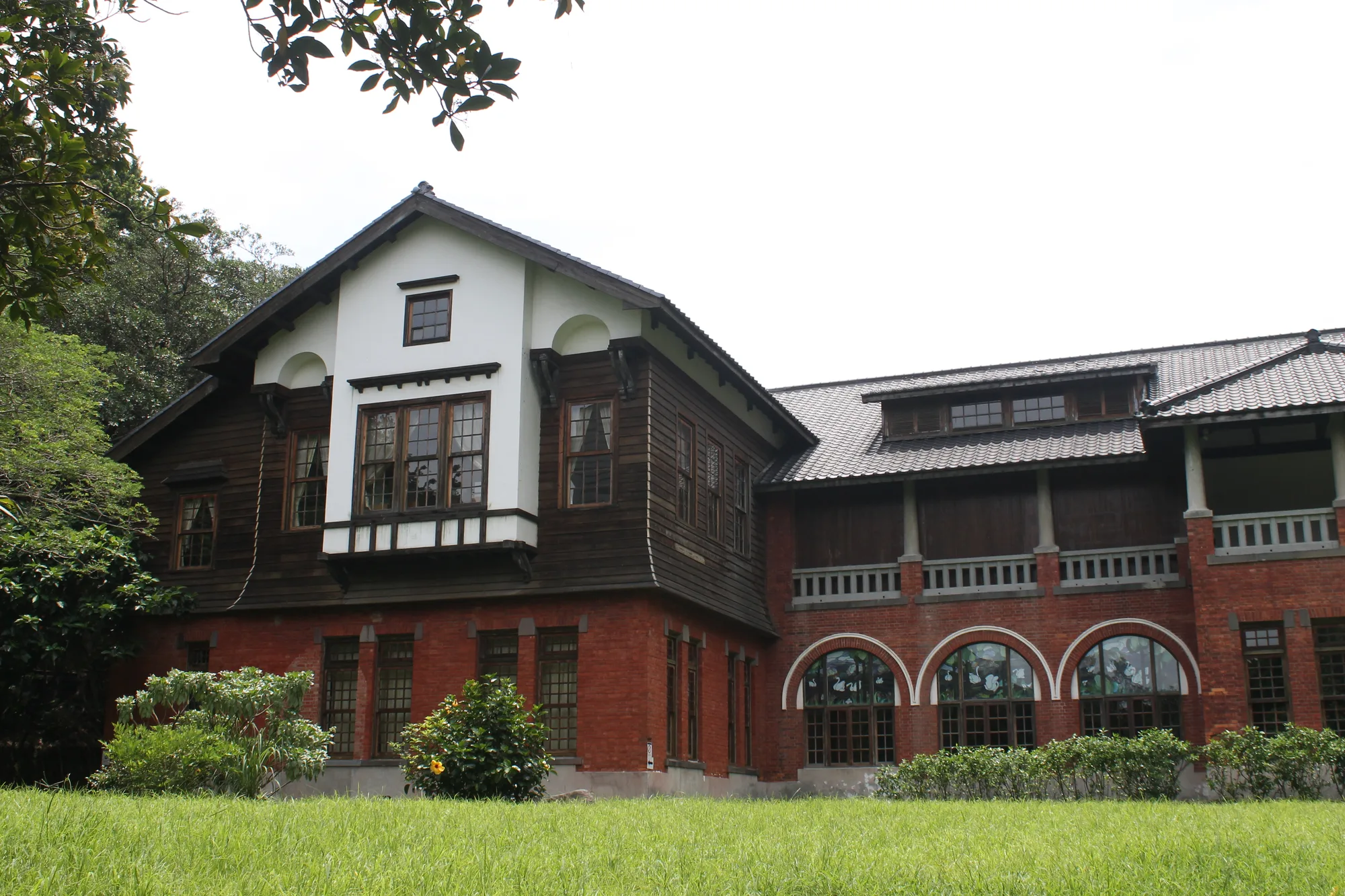
The historic Beitou Hot Spring Museum bathhouse in Taipei, with a red-brick lower storey and dark timber upper storey
Photo: ironypoisoning · CC BY-SA 2.0 · Wikimedia Commons

Hokutolite and Beitou’s mineral story

Beitou lends its name to Hokutolite, a rare radium-bearing mineral associated with the area’s springs—a detail that helps explain why this neighborhood became Taipei’s hot-springs heart in the first place. The museum ties that geology to the human history of bathing here.

Practical note: you must remove your shoes and wear the provided slippers inside, as this is a delicate restored wooden structure.

  • Hokutolite: rare radium-bearing mineral named after Beitou
  • Shoes off, provided slippers on, inside the building
  • Free entry (guided tours may carry a fee)
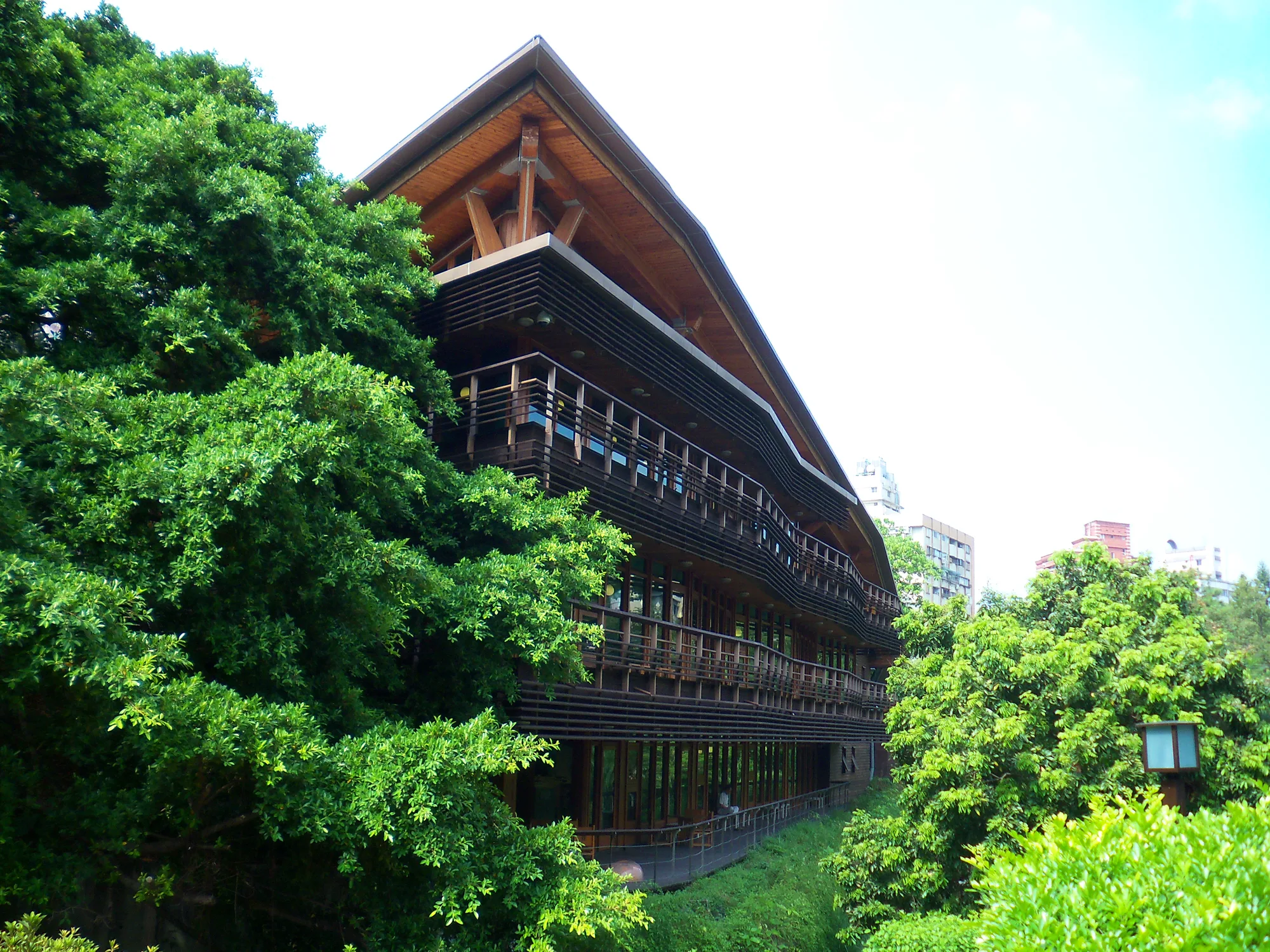
The green wooden eco-library of the Taipei Public Library Beitou Branch, with timber-slatted balconies framed by trees
Photo: 玄史生 · CC BY-SA 3.0 · Wikimedia Commons

Build a simple Beitou loop

Beitou is at its best as a walkable loop with gentle pacing. From MRT Xinbeitou it’s about a 6-minute walk along Beitou Park via Zhongshan Road to the museum at No. 2, Zhongshan Road. Keep the day small: one museum, one steam-and-nature moment, then your soak. The museum is open Tuesday to Sunday 10:00–18:00 (last admission 17:45) and closed Mondays, so plan around that.

  • Hot Spring Museum → Beitou Library → Thermal Valley
  • Optional calm add-on: Plum Garden or a park stroll
  • Finish: public bath or private soak (depending on comfort)

Why it’s the right first stop in Beitou

It’s tempting to head straight for a soak, but starting at the museum reframes the whole neighbourhood. Once you understand that Beitou was deliberately developed as a Japanese-era hot-spring resort town—complete with grand public baths, inns, and the geology that made it all possible—the rest of the day stops feeling like a list of stops and starts feeling like a story. You walk out knowing why the steam rises from Thermal Valley, why the inns cluster where they do, and what the water you’re about to sit in actually is.

The building itself is also simply a pleasure. Cool, quiet, and full of soft light through the stained glass, it’s an easy 45 minutes that doubles as a break from the heat or rain. Because it’s free and right beside the park path, there’s no reason not to fold it in before your soak—it sets the mood far better than diving straight into a bathhouse would.

FAQ 常見問題

Quick answers to common planning questions.

How does it fit into a Beitou day?
Treat it as the opening chapter: visit the museum first for context, then walk up through Beitou Park to Thermal Valley and the library before finishing with a soak at a public or private bathhouse. Everything is within a short, gently uphill stroll of Xinbeitou station, so the whole loop stays relaxed and walkable.
Is the museum free?
Yes, entry is free, though some guided tours may carry a fee.
What are the opening hours?
Tuesday to Sunday from 10:00 to 18:00, with last admission at 17:45. The museum is closed on Mondays.
How do I get there?
Take the MRT to Xinbeitou (on the Xinbeitou branch off the Red Line), then walk about 6 minutes via Zhongshan Road along Beitou Park. The address is No. 2, Zhongshan Road.
What’s the building’s history?
It was built in 1913 by the Japanese colonial government as the Beitou Public Bathhouse, modeled on Japanese hot-spring bathhouses. After falling into disuse post-WWII, it was restored and reopened as the museum on 31 October 1998.
Is there any etiquette to know?
Yes—you must remove your shoes and wear the provided slippers inside, since it’s a delicate restored historic wooden bathhouse.

Keep exploring 繼續逛

Hand-picked next reads to make your Taipei plan smoother.

Xinbeitou: hot springs lanes, parks, and the ‘spa day’ rhythm

Xinbeitou: hot springs lanes, parks, and the ‘spa day’ rhythm

The classic hot-springs pocket of Beitou—bathhouses, parks, and calm walks. Best for a half-day reset (or a full slow day). A short branch-line ride lifts you into a steamy, green, slow-paced corner that feels worlds away from the city.

Read more →
Beitou: hot springs, steam, and a slower side of Taipei

Beitou: hot springs, steam, and a slower side of Taipei

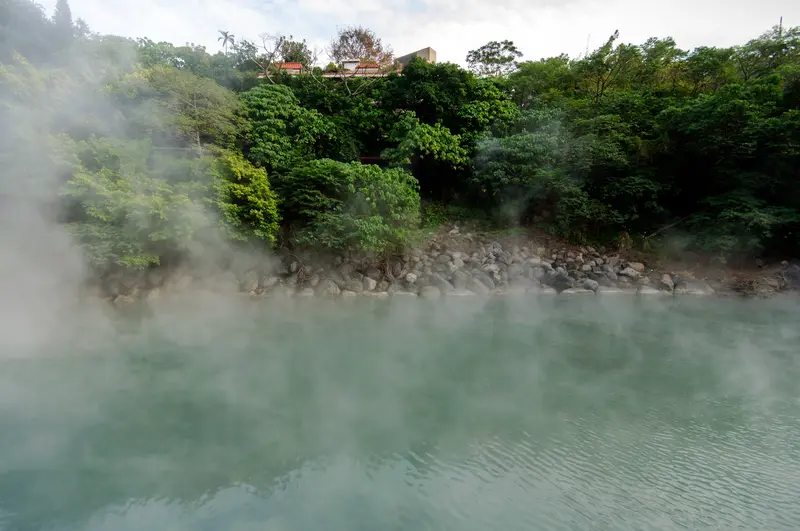
A geothermal escape inside the city—hot springs, calm streets, and a nature-forward vibe that feels like a mini vacation. Sitting on the volcanic flank of Yangmingshan, it’s the easiest big change of pace you can do without leaving Taipei.

Read more →
Beitou Hot Springs: steam, stone, and the best reset day in Taipei

Beitou Hot Springs: steam, stone, and the best reset day in Taipei

A geothermal hot-spring district inside Taipei—perfect for rainy weather, sore legs, and a slower pace after big sightseeing days.

Read more →
Beitou Public Library: quiet design moment in hot-springs Beitou

Beitou Public Library: quiet design moment in hot-springs Beitou

Taiwan’s first green library—a light-filled timber building set inside Beitou Park with solar cells and a rainwater-capture system—perfect as a calm, photogenic stop between baths, parks, and short walks.

Read more →
Thermal Valley (Beitou): Taipei’s steaming turquoise sulfur lake

Thermal Valley (Beitou): Taipei’s steaming turquoise sulfur lake

A principal source of Beitou’s hot springs, nicknamed ‘Hell Valley’—a steaming, turquoise sulfur lake where the 80–100°C water is far too hot for bathing. Reopened as a free park in 2023 with a lakeside boardwalk, it’s a short, dramatic stop that proves Taipei’s volcanic nature is never far from the MRT.

Read more →
Beitou Plum Garden: a calligrapher’s 1930s summer villa in the hot-spring hills

Beitou Plum Garden: a calligrapher’s 1930s summer villa in the hot-spring hills

Built in the late 1930s as the summer retreat of renowned calligrapher Yu Youren, this two-story wooden villa blends Japanese and Western design and even hides a reinforced air-raid shelter on its ground floor. Listed as a historic site in 2006, it’s a quiet, leafy detour on a Xinbeitou hot-springs day.

Read more →

Ready to plan your next stop? 下一站

Start with a simple loop: one neighborhood stroll, one iconic sight, and one night market. Taipei rewards balance.

Tip: hours, prices, and seasonal schedules can change. When something matters (like a museum ticket or a special exhibition), check the official listing before you go.