



Skip to content
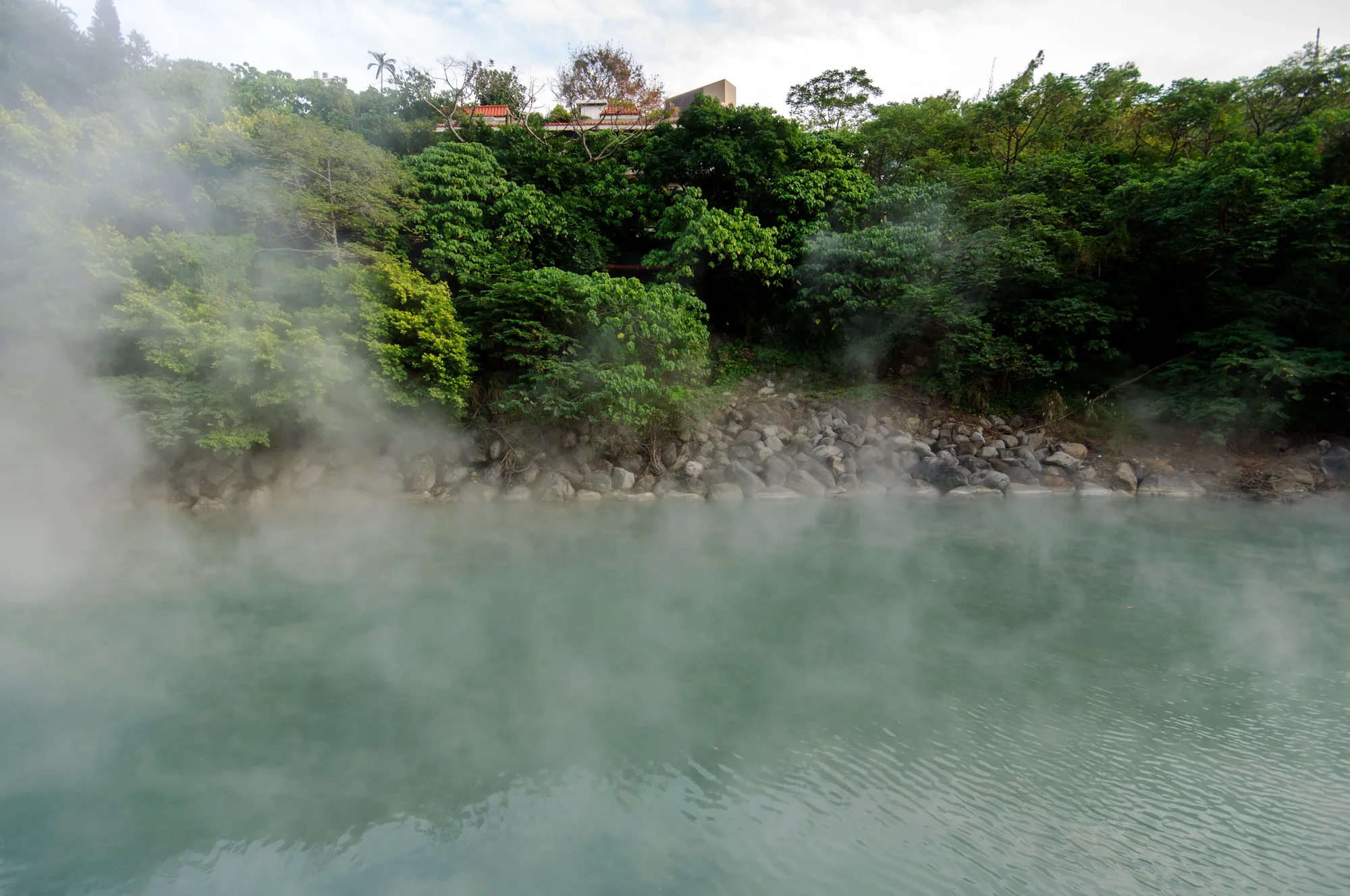
The steaming milky green-blue sulfur hot-spring pool of Beitou Thermal Valley in Taipei, ringed by green hillside
Taipei · 台北 · 25.03°N 121.56°E

Beitou Museum: a 1921 Japanese-era hot-spring inn turned folk-art museum

Housed in a 1921 wooden building that began life as the Kazan Hotel — one of Beitou’s grandest hot-spring inns under Japanese rule — this museum pairs tatami rooms and a serene garden with collections of Taiwanese folk art, Indigenous craft, and historic textiles. It’s a calm, atmospheric stop a short walk from the hot-spring valley.

Andrewhaimerl · CC BY-SA 4.0

Housed in a 1921 wooden building that began life as the Kazan Hotel — one of Beitou’s grandest hot-spring inns under Japanese rule — this museum pairs tatami rooms and a serene garden with collections of Taiwanese folk art, Indigenous craft, and historic textiles. It’s a calm, atmospheric stop a short walk from the hot-spring valley.

Updated June 20, 2026

Map

Visualize where this fits in your day (and plan nearby pairings).

Open full map →

Quick facts資訊

Cost
NT$120 adults; NT$50 students/seniors (concessions available)
Hours
Tuesday–Sunday 10:00–18:00; closed Mondays (open on national holidays)
Time needed
1–2 hours
Getting there
From Xinbeitou Station (Taipei Metro, end of the Xinbeitou branch line) it’s a short uphill walk or taxi to No. 32, Youya Rd. in the hot-spring valley.
Best time / for
Go earlier on a weekday for a calmer, quieter visit.
Good to know
Free audio guides (Mandarin, English, Japanese) are available; free guided tours run on weekends and holidays.
District
Beitou
Best for
Architecture, folk art, quiet time, slow travel
Famous for
Japanese-era wooden architecture and folk-art collections

Highlights亮點

  • One of Taiwan’s largest surviving Japanese-colonial wooden structures
  • Tatami spaces, a quiet garden, and rotating folk-art and textile exhibits
  • On-site restaurant and tea-house atmosphere for a slow afternoon
  • An easy add-on to a Xinbeitou hot-springs itinerary

A grand hot-spring inn with a long history

The building opened in 1921 as the Kazan Hotel, regarded as one of the finest hot-spring hotels in Beitou during the Japanese colonial period. Its scale and craftsmanship made it a landmark, and it remains one of the largest surviving wooden structures from that era in Taiwan — the kind of building that is increasingly rare as similar timber inns have been lost to fire and redevelopment.

After 1945 the property passed through several lives — a government dormitory, a costume-drama film set known as ‘Old Moon Manor,’ and a folk-art and antique house — before being recognised as a historic site by the Taipei City Government in 1998. A multi-year restoration led to its reopening as Beitou Museum in 2008. That layered past is part of the appeal: the building itself is an exhibit, and learning what each room has been over a century adds depth to a visit.

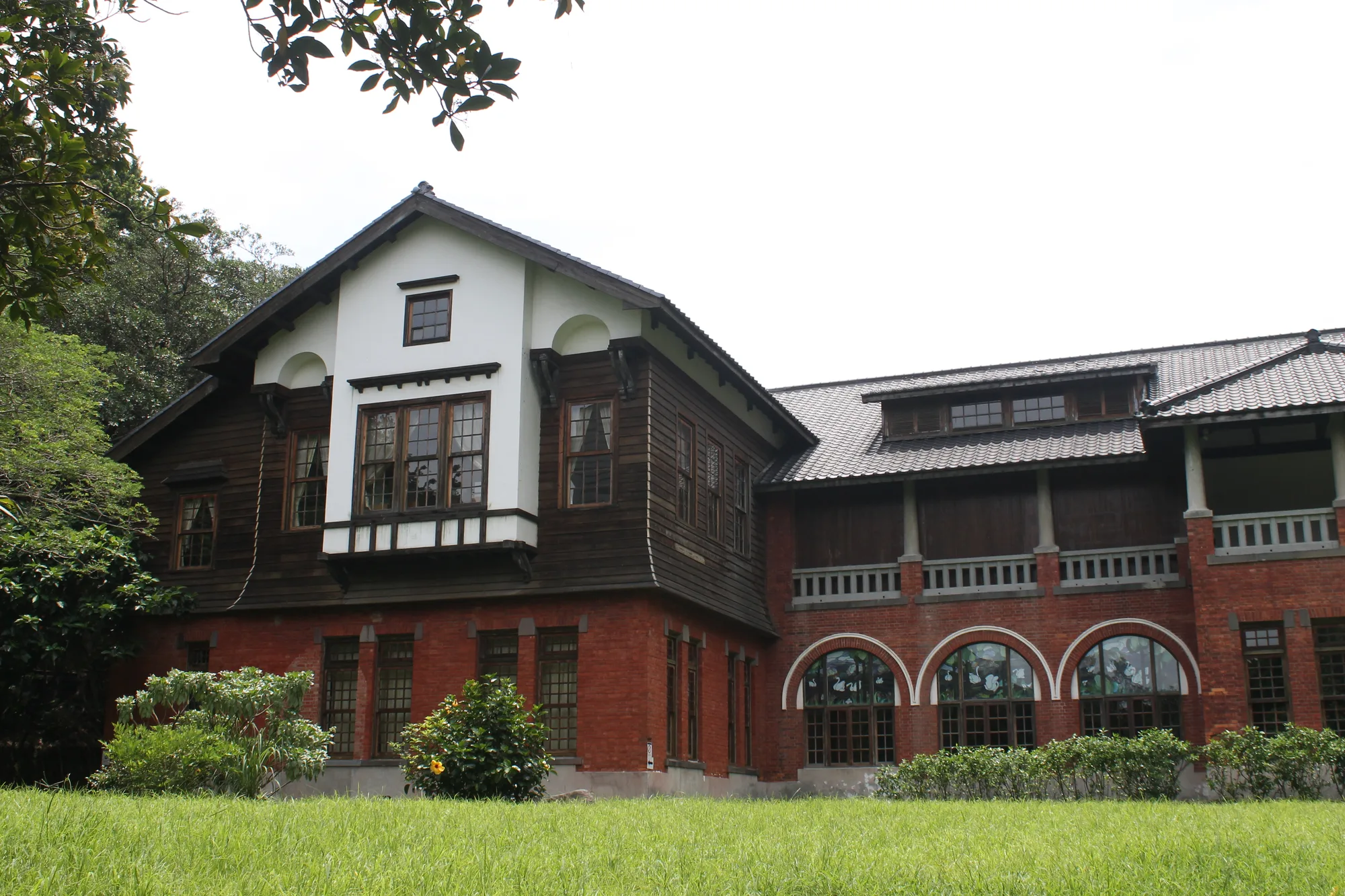
The historic Beitou Hot Spring Museum bathhouse in Taipei, with a red-brick lower storey and dark timber upper storey
Photo: ironypoisoning · CC BY-SA 2.0 · Wikimedia Commons

What you’ll see inside

The collections focus on Taiwanese material culture: folk art, Indigenous craft, and early Taiwanese clothing and textiles, shown across rooms that retain their tatami and timber detailing. Exhibitions rotate, so there’s usually something new even on a return visit.

The setting is as much the draw as the objects. The large upstairs tatami hall, with its run of sliding screens and a garden view, is one of the most atmospheric interior spaces in Beitou, and the museum sometimes hosts cultural performances, tea sessions, and seasonal events there. Pair the galleries with the garden and the on-site restaurant and the visit becomes a slow, restorative half-day rather than a quick walkthrough.

  • Taiwanese folk art and antiques
  • Taiwan Indigenous art and craft
  • Early Taiwanese clothing and textiles
  • A grand tatami hall, garden, and on-site restaurant

Getting there

Ride the Taipei Metro to Xinbeitou Station at the end of the short Xinbeitou branch line. The museum sits uphill in the hot-spring valley at No. 32, Youya Road; it’s a walkable but steady climb, so many visitors take a quick taxi up and walk back down past the springs.

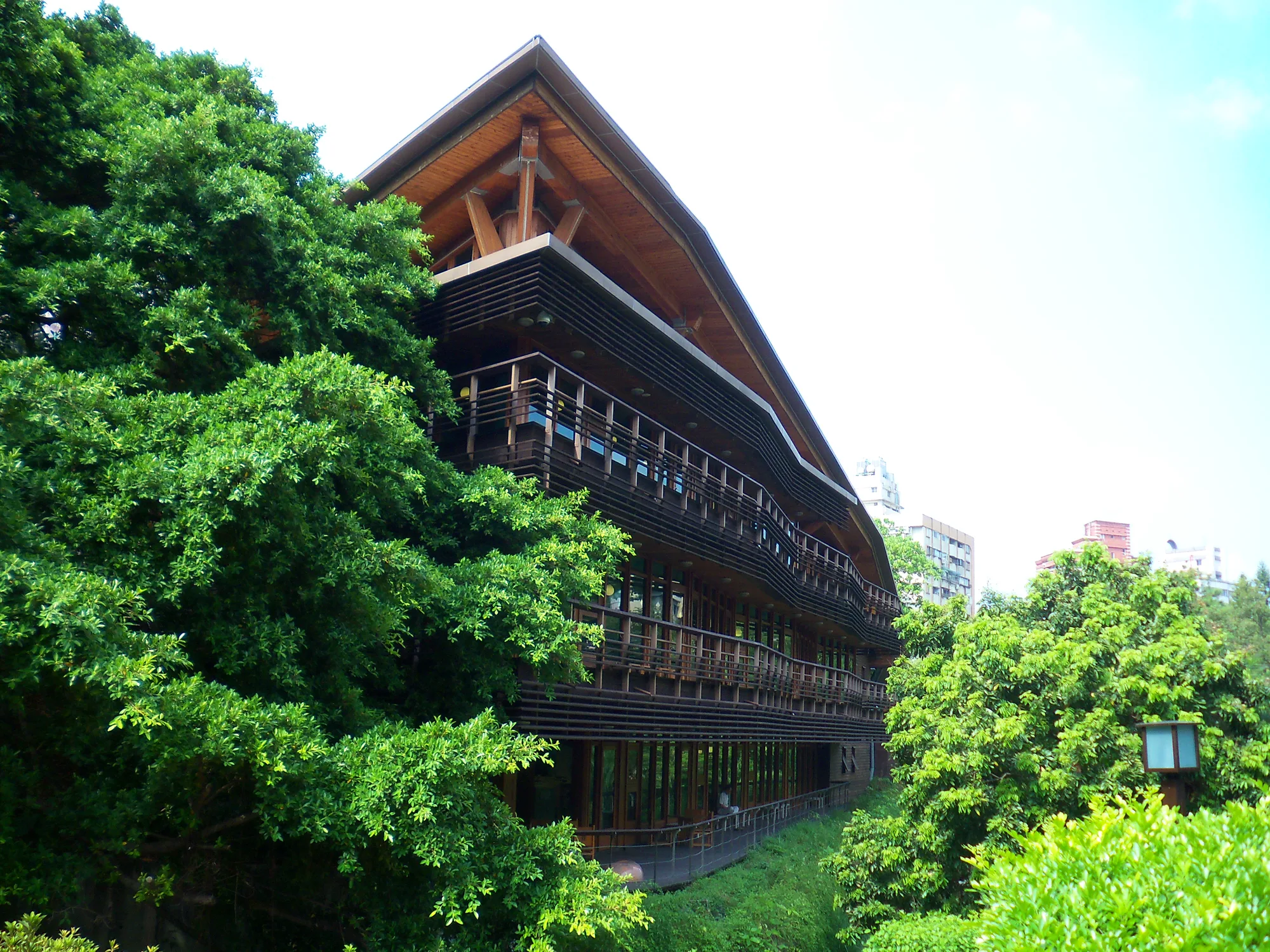
The green wooden eco-library of the Taipei Public Library Beitou Branch, with timber-slatted balconies framed by trees
Photo: 玄史生 · CC BY-SA 3.0 · Wikimedia Commons

How to plan the visit

Treat it as a quiet highlight rather than a checklist stop. Pick up a free audio guide, keep your voice low, and give yourself time to notice the woodwork and garden. It pairs naturally with Beitou’s bathing culture for a full but unhurried day, and an earlier weekday visit usually means you can enjoy the tatami halls and garden in near silence.

Because the museum sits above the main hot-spring valley, it works best as the calm, indoor anchor of a Beitou loop — slot it between the open-air sights and your soak so you have somewhere serene and shaded in the middle of the day, whatever the weather.

  • Hot Spring Museum → Thermal Valley → Beitou Museum → a soak
  • Pair with a café or tea break rather than stacking more museums

FAQ 常見問題

Quick answers to common planning questions.

How old is the building?
It opened in 1921 as the Kazan Hotel, a leading hot-spring inn of the Japanese colonial era, and reopened as Beitou Museum in 2008 after restoration.
How much is admission?
General admission is NT$120, with concessions (around NT$50) for students and seniors. Current group and concession rates are easy to find on the official site.
When is it open?
Tuesday to Sunday, 10:00–18:00. It’s closed on Mondays except when a Monday falls on a national holiday.
How do I get there?
Take the Taipei Metro to Xinbeitou Station, then walk uphill or grab a short taxi to No. 32, Youya Road in the hot-spring valley. The climb is steady, so many visitors taxi up and stroll back down past the springs.
Is there anything to know about visiting etiquette?
It’s a restored historic wooden building, so you may be asked to remove shoes in the tatami areas, and you should keep your voice low. Free audio guides are available in Mandarin, English, and Japanese, and free guided tours often run on weekends and holidays.

Helpful links 連結

Official pages and references for planning details.

Keep exploring 繼續逛

Hand-picked next reads to make your Taipei plan smoother.

Xinbeitou: hot springs lanes, parks, and the ‘spa day’ rhythm

Xinbeitou: hot springs lanes, parks, and the ‘spa day’ rhythm

The classic hot-springs pocket of Beitou—bathhouses, parks, and calm walks. Best for a half-day reset (or a full slow day). A short branch-line ride lifts you into a steamy, green, slow-paced corner that feels worlds away from the city.

Read more →
Beitou: hot springs, steam, and a slower side of Taipei

Beitou: hot springs, steam, and a slower side of Taipei

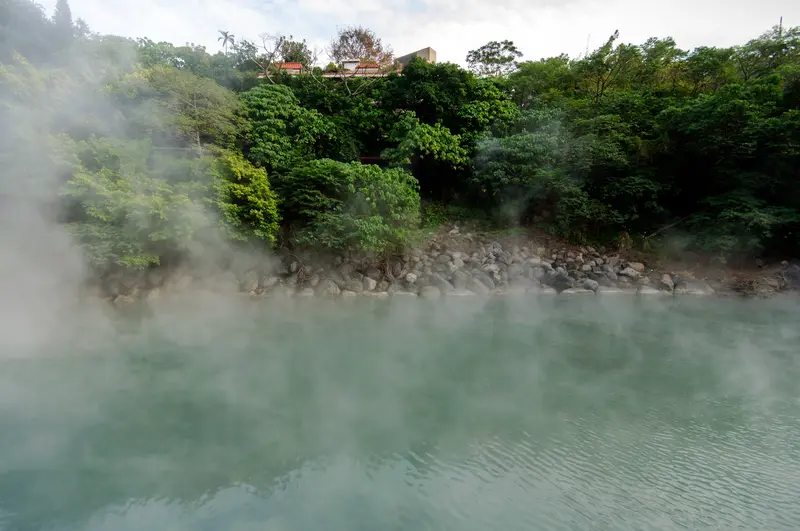
A geothermal escape inside the city—hot springs, calm streets, and a nature-forward vibe that feels like a mini vacation. Sitting on the volcanic flank of Yangmingshan, it’s the easiest big change of pace you can do without leaving Taipei.

Read more →
Beitou Hot Spring Museum: the story behind Taipei’s spa neighborhood

Beitou Hot Spring Museum: the story behind Taipei’s spa neighborhood

A beautifully restored 1913 Japanese-era public bathhouse turned museum, blending Japanese and Western styles around a Roman-style Grand Bath with stained-glass windows. It’s an atmospheric, free stop that gives a Beitou hot-springs day its context—and the rare mineral Hokutolite is named for this very neighborhood.

Read more →
Thermal Valley (Beitou): Taipei’s steaming turquoise sulfur lake

Thermal Valley (Beitou): Taipei’s steaming turquoise sulfur lake

A principal source of Beitou’s hot springs, nicknamed ‘Hell Valley’—a steaming, turquoise sulfur lake where the 80–100°C water is far too hot for bathing. Reopened as a free park in 2023 with a lakeside boardwalk, it’s a short, dramatic stop that proves Taipei’s volcanic nature is never far from the MRT.

Read more →
Beitou Public Library: quiet design moment in hot-springs Beitou

Beitou Public Library: quiet design moment in hot-springs Beitou

Taiwan’s first green library—a light-filled timber building set inside Beitou Park with solar cells and a rainwater-capture system—perfect as a calm, photogenic stop between baths, parks, and short walks.

Read more →
Beitou Plum Garden: a calligrapher’s 1930s summer villa in the hot-spring hills

Beitou Plum Garden: a calligrapher’s 1930s summer villa in the hot-spring hills

Built in the late 1930s as the summer retreat of renowned calligrapher Yu Youren, this two-story wooden villa blends Japanese and Western design and even hides a reinforced air-raid shelter on its ground floor. Listed as a historic site in 2006, it’s a quiet, leafy detour on a Xinbeitou hot-springs day.

Read more →

Ready to plan your next stop? 下一站

Start with a simple loop: one neighborhood stroll, one iconic sight, and one night market. Taipei rewards balance.

Tip: hours, prices, and seasonal schedules can change. When something matters (like a museum ticket or a special exhibition), check the official listing before you go.