
Night markets 101: how to eat your way through Taipei
A practical night-market playbook: what to expect, how to order, crowd strategy, and which markets fit your vibe.
Read more →
A night-market rite of passage. Stinky tofu can be pungent, but the best versions are crispy, juicy, and surprisingly balanced with pickles and sauce.
A night-market rite of passage. Stinky tofu can be pungent, but the best versions are crispy, juicy, and surprisingly balanced with pickles and sauce.
Updated June 20, 2026
 Quick facts資訊Time neededBest time / forGood to knowBest forMindset
 Highlights亮點
Stinky tofu (臭豆腐, chòu dòufu) is tofu that has been steeped in a fermented brine—traditionally a long-aged mix that can include vegetables, herbs, and other ingredients—which gives it its famously pungent aroma. The smell is the headline, and it is genuinely strong, but the eating experience is usually about texture and balance rather than overpowering funk.
The most common Taipei night-market version is deep-fried until the outside is crackly and golden while the inside stays soft and custardy. It arrives cut into cubes, topped or paired with sweet-and-sour pickled cabbage (often a Taiwanese-style pao cai/泡菜) and a garlicky or sweet sauce, sometimes with a dash of chili.
In Taipei, stinky tofu is both a shared cultural joke—everyone has an opinion, and the smell wafting through a market is unmistakable—and a genuine comfort snack that locals seek out. Trying it is something of a rite of passage.
“Stinky tofu” covers several preparations, and knowing the difference helps you choose one you’ll actually enjoy. First-timers should almost always start with the fried version.

Go to a busy stall. Fresh, hot batches taste better and smell less “stale,” and high turnover is the single best quality signal. Take your first bite together with the pickled cabbage and sauce so the flavors balance immediately—the acidity and sweetness cut right through the funk.
Mindset helps too. Treat it as a crunchy fried snack first and don’t over-anticipate the smell. Most people are surprised that the taste is far milder and more savory than the aroma promises.
The aroma comes from fermentation. The tofu is steeped in a brine that’s been cultured over a long time—traditionally a mix that can include fermented vegetables, herbs, and other ingredients—and that microbial process breaks down proteins into the pungent compounds you smell. It’s the same broad principle behind other famously aromatic foods like blue cheese or certain fermented fish: big smell, surprisingly approachable taste.
Understanding that helps reframe the experience. The funk is a sign of proper fermentation, not spoilage, and the smell concentrates in the air far more than on your palate. Once you take that first bite—crisp shell, soft center, tangy pickles—most people find the gap between aroma and flavor is the whole charm of the dish.

Stinky tofu is a night-market native. Almost every market has at least one stall, and the bigger ones (Shilin, Raohe, and neighborhood markets across the city) usually have several. You can also find it at dedicated shops and in the spicy hot-pot-style format at sit-down eateries. Follow your nose, but choose the busiest stall with the freshest frying.
To pair it, lean on contrast. The pickled cabbage it’s served with is essential, but a cold drink alongside—an unsweetened tea or a fruit tea—cleanses the palate between bites. If you’re grazing, eat stinky tofu earlier rather than last, so its strong flavor doesn’t overshadow gentler items you try afterward.
Stinky tofu is plant-based at its core (it’s tofu), which makes it one of the more vegetarian-friendly “adventurous” foods at a night market—but it isn’t automatically vegetarian or vegan. The fermenting brine, the sauces, and the spicy broth versions can contain animal-derived ingredients, and the spicy mala bowls often include duck blood or other non-vegetarian items.
If you’re strictly vegetarian or vegan, the fried version is usually the safest bet, but it’s worth confirming the brine and sauce at that stall. The pickled cabbage alongside is generally vegetable-based.
Quick answers to common planning questions.
Hand-picked next reads to make your Taipei plan smoother.
A practical night-market playbook: what to expect, how to order, crowd strategy, and which markets fit your vibe.
Read more →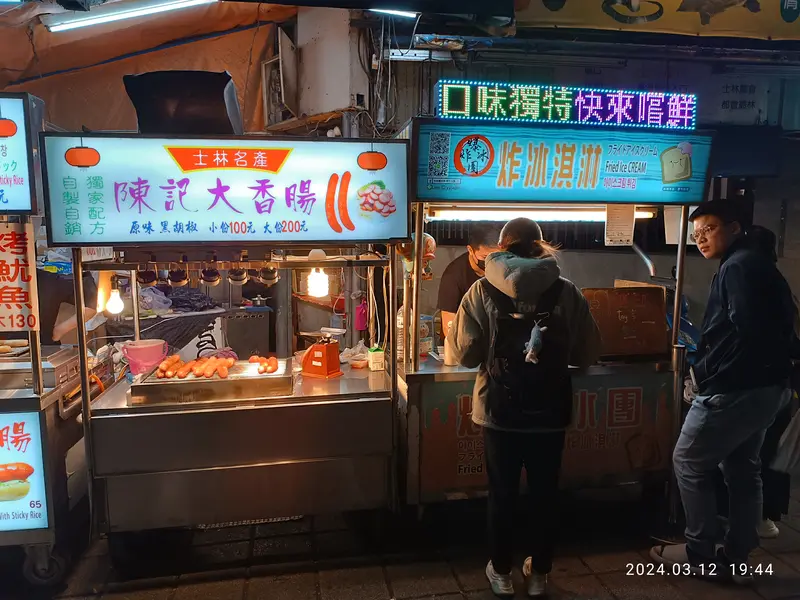
One of Taipei’s best-known night markets—busy, varied, and ideal if you want a ‘try everything’ evening with lots of food options.
Read more →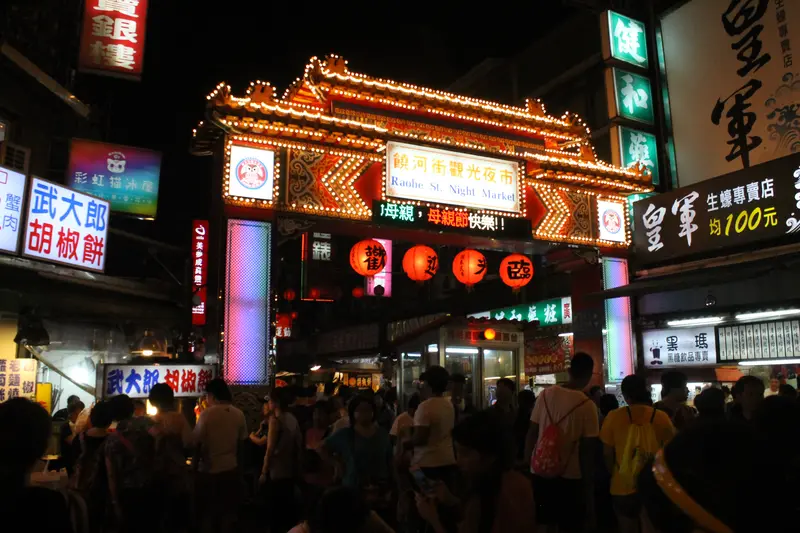
A famous night market with a focused, walkable layout—great for a deliberate food mission and a classic Taipei evening.
Read more →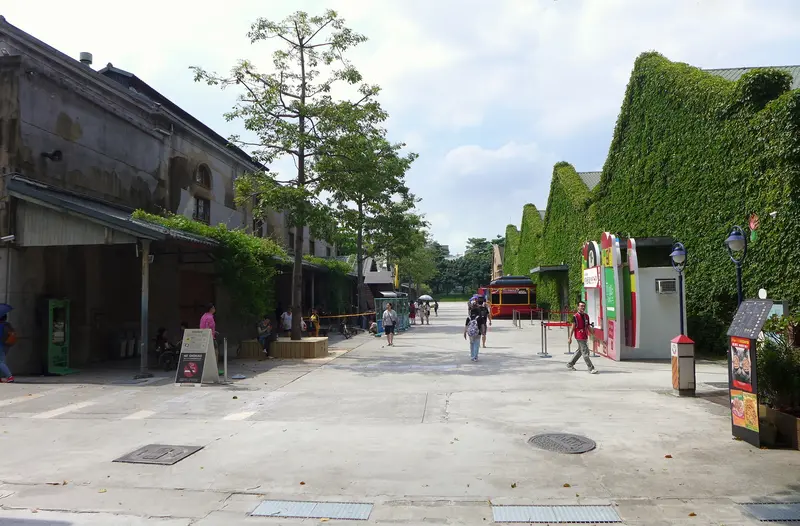
Taipei’s most famous pedestrian shopping area—bright signage, pop culture, and a steady stream of snacks and late-night eats. Compact, walkable, and endlessly photogenic, it’s the city’s easiest ‘Taipei at night’ to dive into on day one.
Read more →Start with a simple loop: one neighborhood stroll, one iconic sight, and one night market. Taipei rewards balance.
Tip: hours, prices, and seasonal schedules can change. When something matters (like a museum ticket or a special exhibition), check the official listing before you go.