Skip to content
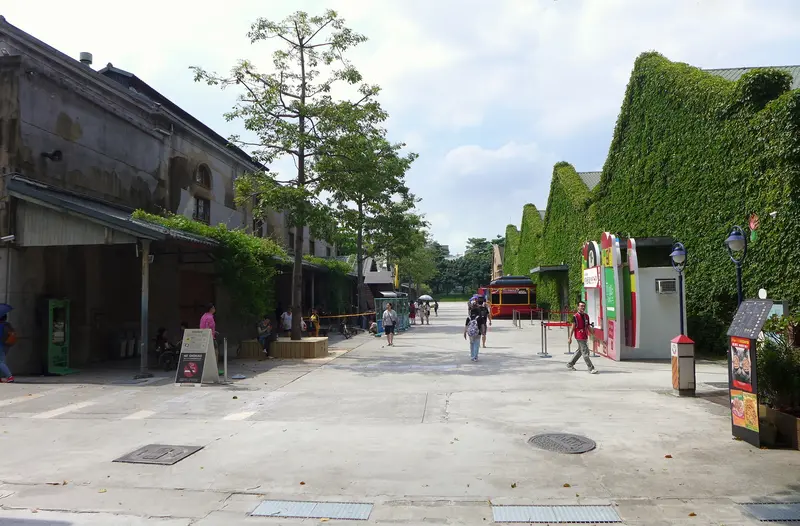
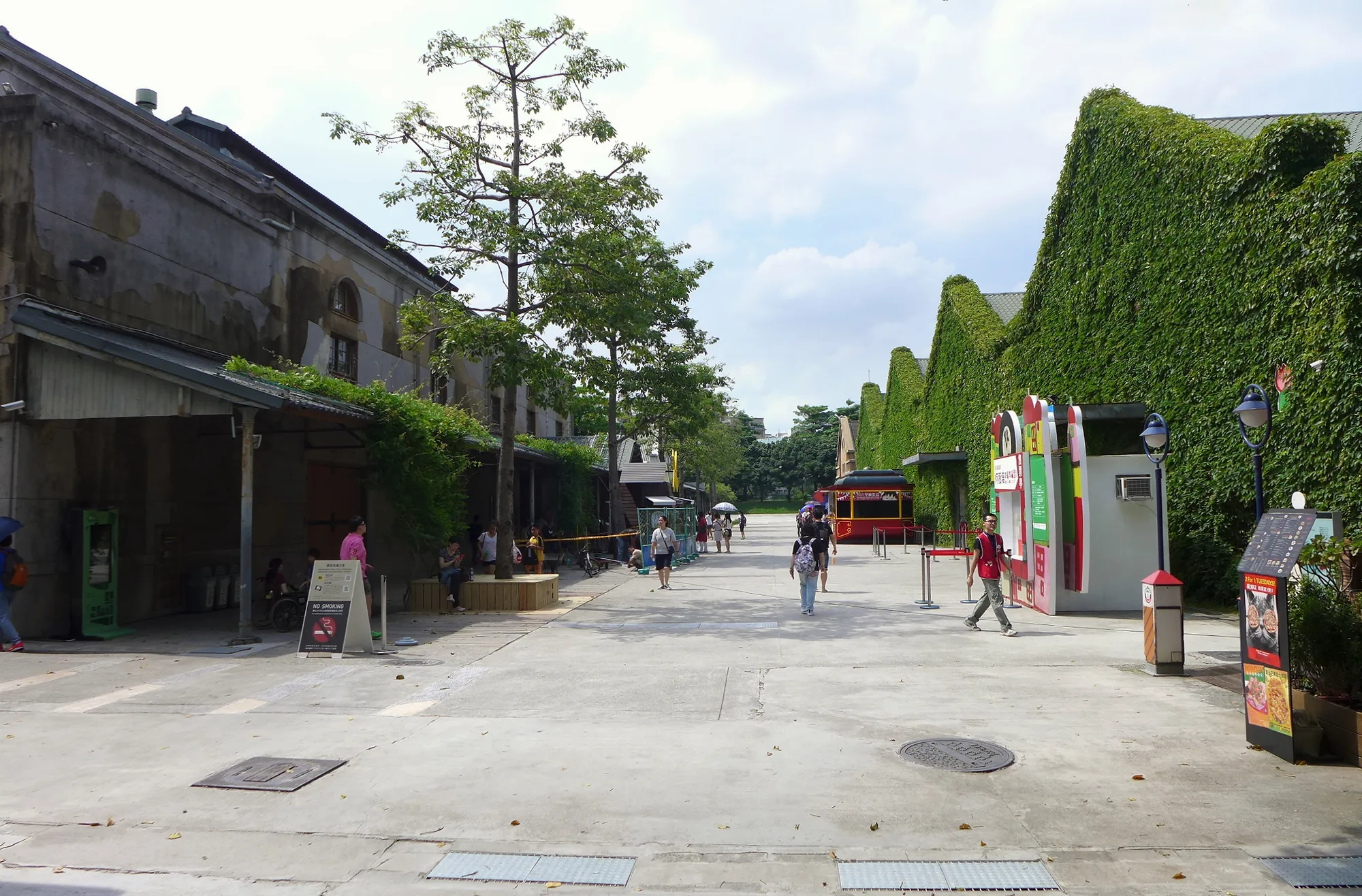
Huashan 1914 Creative Park in Taipei — ivy-covered former-winery warehouse buildings along a tree-lined boulevard with a red sightseeing tram
Taipei · 台北 · 25.03°N 121.56°E

Rainy day Taipei: museums, markets, tea, and cozy food

A rainy day in Taipei can be perfect—here’s how to plan a full, satisfying day without getting soaked or stuck in transit.

Wpcpey · CC BY 4.0

A rainy day in Taipei can be perfect—here’s how to plan a full, satisfying day without getting soaked or stuck in transit.

Updated June 20, 2026

Quick facts資訊

Time needed
10–12 minute read
Best time / for
Monsoon-season trips and flexible planners
Good to know
Start earlier—rainy evenings get crowded indoors.
Best for
Monsoon-season trips, flexible planners
Time to read
10–12 minutes
Pro tip
Start earlier—rainy evenings can be crowded indoors
Core idea
One anchor + two comfort stops + one warm finish

Highlights亮點

  • Build your day around one museum + one market
  • Use cafés as ‘weather buffers’ between stops
  • Choose covered streets and creative parks
  • End with hot soup or hot springs

A rainy Taipei day is a ‘slow luxury’ day

Taipei’s rain can be intense, but the city is built to absorb it. Covered walkways, dense neighborhoods, and great indoor culture make rainy days surprisingly productive.

Think of rain as an excuse to do the city’s cozy things: tea, bookstores, exhibitions, and soup.

  • Control exposure: short dashes outside, longer indoor anchors
  • Plan for comfort: warm food + a real sit-down break
  • Keep the day simple: fewer transfers, more contained districts

The best rainy-day template

Choose one primary indoor anchor (museum, creative park, or big market), then add two small ‘comfort stops’ (café, dessert, tea house). End with a warm meal or a soak in Beitou.

  • Anchor: museum or creative park (2–3 hours)
  • Comfort stop: café or tea (45–60 min)
  • Food mission: noodles or dumplings (60–90 min)
  • Optional: hot springs in Beitou to finish

A full rainy-day plan (morning → night, no overthinking)

If you want a ready-to-use plan, this is the shape that works best: one indoor anchor, one warm meal, one tea/café reset, then a simple evening finish.

This plan stays flexible—swap the anchor based on what you enjoy (art, history, design, hands-on science).

  • Morning: museum or creative park anchor (choose one)
  • Lunch: one warm comfort bowl (beef noodles, dumplings, or soup)
  • Afternoon: tea/café break + covered wandering
  • Evening: Beitou soak OR a calm dinner in Zhongshan/Daan

Great rainy-day places in Taipei

Creative parks like Huashan and Songshan are ideal: exhibitions, shops, and food in a contained area. Museums also work well—just check what’s open and don’t try to do too many in one day.

If you want to keep moving without getting drenched, pick districts with easy indoor hopping (Zhongshan and Zhongzheng are great), then use cafés and museums as your “weather buffers.”

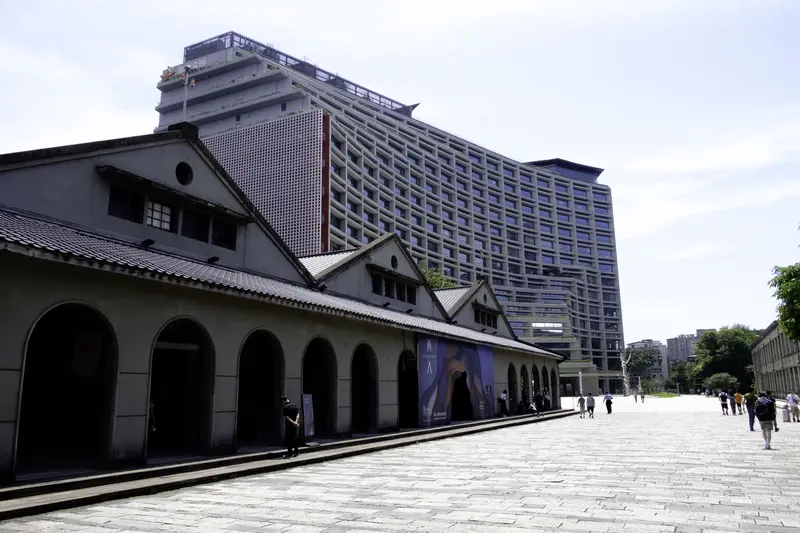
  • Creative parks: Huashan 1914 or Songshan C&C Park (contained, easy pacing)
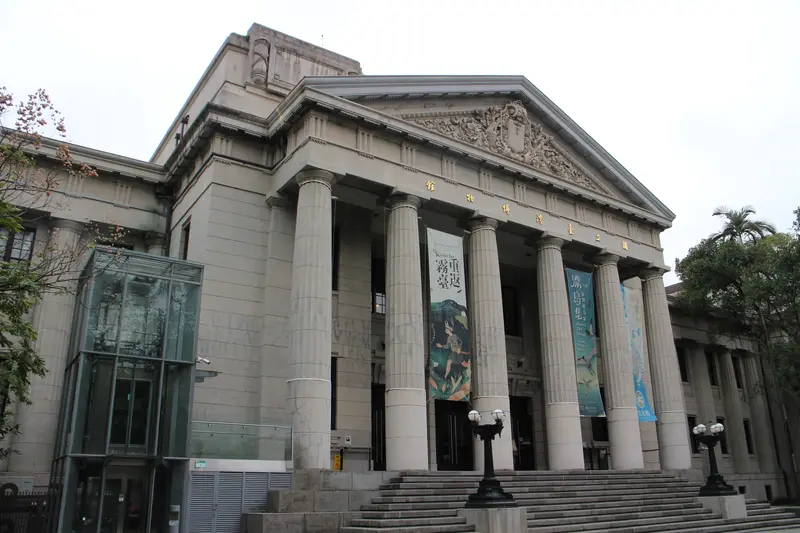
  • City-center museums: National Taiwan Museum and Evergreen Maritime Museum
  • Modern culture stop: MOCA Taipei (great for a focused 1–2 hour visit)
  • History/context: National 228 Memorial Museum (slower, more reflective)
  • Family-friendly indoor: National Taiwan Science Education Center
  • Quirky alternative: Museum of Drinking Water (good for hot/rainy-day variety)

Covered wandering: how to move without getting soaked

Rainy Taipei is easier when you choose environments designed for wandering: underground connectors, station-adjacent corridors, and districts where cafés and shops are close together.

This isn’t about spending money all day. It’s about keeping your feet warm and your mood steady while you move between real stops.

  • Use transit hubs to shorten outdoor exposure between districts
  • Choose one walkable district (Zhongshan is excellent) and stay there longer
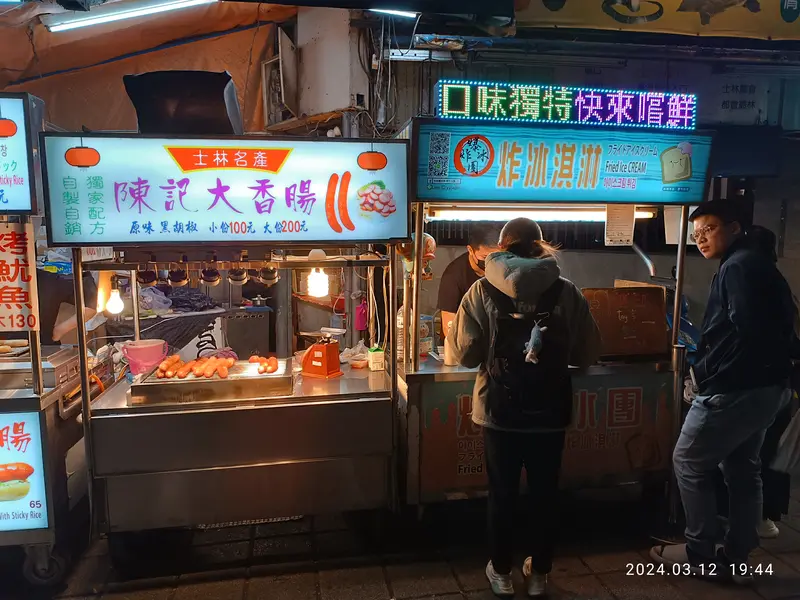
  • Do a shorter, focused night market visit instead of a long wandering marathon
Night market stalls with glowing signs and people browsing.
Photo: Leandro De Torres / Unsplash

Best rainy-day foods (the comfort shortlist)

Rain changes what tastes good. The best rainy-day meals in Taipei are warm, salty, and satisfying—then followed by something sweet or tea to slow down.

Keep it simple: one comfort bowl, one snack crawl (optional), one warm drink.

  • Beef noodle soup (classic rainy-day win)
  • Dumplings and soup (warm, filling, easy)
  • Lu rou fan + a simple soup (comfort without a long wait)
  • Tea or hot dessert drinks for the reset moment

Underground Taipei: the dry-walking secret

Taipei has a genuine rainy-day superpower most visitors never use: an extensive network of underground malls and station connectors. The Taipei City Mall corridor links the Taipei Main Station area toward North Gate, and several MRT interchanges have shop-lined underground passages. On a wet day, these let you browse, snack, and move between neighborhoods without opening your umbrella.

The trick is to treat the underground as a connector, not a destination. Use it to bridge two real stops—say, a museum and a café neighborhood—so a rainy transition becomes part of the fun instead of a soggy dash.

  • Taipei City Mall / Main Station area: long indoor corridor with shops and food
  • Major MRT interchanges often have covered underground shopping links
  • Department stores and malls double as warm, dry mid-day anchors
  • Keep underground browsing time-boxed so it stays light (30–60 minutes)

Beitou: the ultimate rainy-day finish

If there’s one place that turns rain from a problem into a luxury, it’s Beitou. The hot-spring district is genuinely better in cool, wet weather—steam rising in the valley, warm water against the chill, and an easy loop of indoor stops between soaks.

A rainy Beitou plan barely needs effort: visit the Hot Spring Museum or the green-built Beitou Public Library, take a short walk past Thermal Valley, then settle into a soak. Keep outdoor walking segments short and let the warm water be the main event. It’s one of the best ways to spend a washout afternoon in Taipei.

  • Indoor anchor: Beitou Hot Spring Museum or the Beitou Public Library
  • Quick outdoor moment: Thermal Valley’s steaming sulfur lake
  • Main event: a public bath or a private soak (your comfort, your rules)
  • Venue hours and policies are easy to confirm on official listings

A note on umbrellas and shoes

Bring an umbrella, but also consider footwear with grip. Taipei sidewalks—especially older tiled ones and metro entrances—can get slick in heavy rain. If your shoes are comfortable, you’ll still enjoy your day even if your plan shifts.

Two small habits make wet days much smoother: stash a compact umbrella in your day bag every morning (convenience stores sell them cheaply if you’re caught out), and carry a small towel or tissues for wiping hands and seats. These are tiny investments that protect your mood all day.

  • Shoes with grip > stylish shoes on rainy days
  • A compact umbrella is worth its weight—convenience stores sell them everywhere
  • Carry a small towel or tissues (wet hands happen)
  • A short taxi hop for the last 5–10 minutes can save a slick, umbrella-jostling walk

Department stores and malls: Taipei’s rainy-day living rooms

Taipei’s department-store and mall culture is a genuine rainy-day asset, not just a shopping option. Big retail complexes cluster thickly around the Xinyi district near Taipei 101 and around major MRT interchanges, and many connect directly to stations or to one another via covered walkways, so you can spend hours warm and dry while still feeling like you’re out exploring. Beyond shopping floors, these buildings typically stack cafés, dessert counters, cinemas, and basement or top-floor dining, which means one address can carry you from a coffee to a full meal without a single step into the rain.

The trick is to treat a mall as a flexible anchor rather than a place to “go shopping.” Park yourself in one complex during the heaviest rain, browse lightly, eat well, and use it as a base between two real stops. Hours and which floors house what can change, so a glance at each venue’s official site or directory helps if you’re aiming for something specific like a cinema showtime or a particular restaurant.

If you want the most dry-walking value, choose a district where multiple complexes sit close together and link up underground or via skybridges. Xinyi is the obvious example, but station-adjacent shopping around Taipei Main Station and other interchanges works the same way—letting you graze, browse, and shelter without ever fully committing your umbrella.

  • Xinyi (around Taipei 101): dense cluster of malls, often connected by covered walkways
  • Station-linked complexes let you move between floors of food, coffee, and cinema
  • Use a mall as a base during peak rain, not a full-day shopping mission
  • Hours, cinema times, and store directories are easy to confirm on official sites
people eat on street foods
Photo: K X I T H V I S U A L S / Unsplash

Bookstores, hot pot, and indoor food courts: cozy by design

Some of Taipei’s best rainy hours are the quietest ones. The city has a strong bookstore and café-reading culture, and a large bookstore—often with a coffee counter and stationery or design goods alongside the shelves—makes a perfect low-energy anchor when the sky won’t cooperate. Pair an hour of browsing with a slow drink and you’ve turned a washout afternoon into something restorative rather than wasted.

When you’re ready to eat, lean into formats built for lingering. Hot pot is the ideal rainy-day meal in Taipei: a steaming, communal pot you cook at your own pace, perfect for warming up and waiting out a downpour. Indoor food courts—usually in mall basements or upper floors—offer the opposite energy but the same shelter, letting a group order from different stalls and reconvene at one table without anyone braving the street. Both are easy to slot into a mall- or station-based day.

Specific venues, hours, and prices change constantly, so this is a format guide rather than a list of names—pick a hot-pot spot or food court near wherever you’ve sheltered, and details are easy to confirm on the official site or directory if you want to plan around one in particular. The goal is warmth and unhurried time, not a reservation you have to chase across the rain.

  • Large bookstores double as quiet, low-energy rainy anchors
  • Hot pot: warm, communal, and built for waiting out a downpour
  • Indoor food courts: shelter plus variety for groups, usually in malls
  • Treat this as a format guide—confirm specific venues and hours yourself

Rain with kids: indoor stops that buy you a whole afternoon

Traveling with children turns a rainy day from an inconvenience into a logistics puzzle, and Taipei is well-equipped to solve it. Hands-on, indoor-heavy attractions are your friends: the National Taiwan Science Education Center in Shilin packs interactive STEM exhibits across multiple floors, and the nearby Taipei Astronomical Museum offers domed shows and space-themed displays—both easily fill a wet afternoon. Confirm opening hours, closed days, and any timed-show schedules on each venue’s official site before you set out.

The wider Shilin cluster is a useful rainy-day base for families because several indoor options sit close together, letting you pivot if one is busy or if energy runs low. Malls help too: many have play areas, cinemas, and easy food, so a single complex can absorb hours of restless-kid energy without a damp meltdown. Keep transitions short, build in a snack stop, and you’ll find the rain barely registers.

A couple of comfort habits go a long way with kids in the rain: pack a small towel and a spare layer in case anyone gets damp, and front-load the most engaging stop for the morning when everyone’s freshest. Save the calmer, lower-stimulation option—like a quiet café or bookstore browse—for the after-lunch lull.

  • Science Education Center (Shilin): interactive, multi-floor, great for kids
  • Taipei Astronomical Museum: domed shows and space displays nearby
  • Malls add play areas, cinemas, and easy food as backup
  • Pack a towel and spare layer; do the big stop first, calm stop after lunch

Spa and hot-spring depth: more than just Beitou

Wet, cool weather is exactly when a hot soak goes from pleasant to perfect, and Taipei’s geothermal heritage gives you real options. Beitou is the headline district, reachable on the MRT’s Red line and its short Xinbeitou branch, and it ranges from grand public baths to private rooms to museum-and-park context like the Beitou Hot Spring Museum and the green-built Beitou Public Library. Within easy reach of the city, areas such as Wulai offer a different, more nature-set hot-spring experience, including some free riverside public springs—worth knowing if you want to pair a soak with a short escape from the urban core.

Hot-spring etiquette and policies vary by venue, so a little homework prevents an awkward arrival. Some public baths require swimwear and caps, others are gender-separated and nude, and many have specific rules about showering first, time limits, and who can enter; the details, hours, and pricing are easy to find on each venue’s official listing. A small towel and a willingness to follow posted rules are all you really need to enjoy it.

For a rainy-day structure, let the soak be the main event and keep everything around it short and dry. A museum or library stop, one quick outdoor moment, and then warm water makes for a near-effortless plan—and the contrast between the chilly drizzle outside and the heat of the bath is a large part of the charm.

  • Beitou (Red line / Xinbeitou branch): public baths, private rooms, museum + library
  • Wulai: a more nature-set soak with some free riverside public springs
  • Policies differ—swimwear vs. nude, caps, showering first—worth a quick look first
  • Hours, pricing, and rules are worth a peek on each venue’s official listing

Photographing Taipei in the rain (it’s a feature, not a problem)

Rain quietly upgrades Taipei for anyone with a camera or phone. Wet pavement turns neon signs, lantern-lit alleys, and shop windows into pools of reflected color, and the soft, even light flatters temples, old streets, and market scenes that can look harsh under midday sun. Instead of chasing the skyline on a grey day, lean into the textures rain creates: steam off a food stall, umbrellas crowding a covered lane, condensation on a café window.

Practically, you’ll want to protect your gear and shoot smart. Keep a microfiber cloth handy for wiping lenses, shelter under covered arcades and store awnings between shots, and use doorways and overhangs as natural frames. Reflections work best when you get low and shoot toward a light source after dark. Old streets like Dihua in Dadaocheng, temple courtyards, and the alleys around night markets all reward a slow, rainy wander far more than a forced viewpoint hike.

If you had a clear-weather highlight planned—say, Elephant Mountain or another skyline view—simply move it to a clearer window and let the rain steer you toward street-level photography instead. The city’s atmosphere is often most photogenic exactly when the forecast looks worst.

  • Wet pavement + neon = strong night reflections; shoot low toward lights
  • Soft rainy light flatters temples, old streets, and markets
  • Carry a microfiber cloth; use arcades and awnings as shelter and frames
  • Save skyline viewpoints for clearer days—shoot street-level when it’s wet

A rainy 3-day backup mindset (so weather never wrecks a trip)

If you’re unlucky enough to hit a stretch of wet days, the fix isn’t cancelling plans—it’s having a rainy version of each day ready to swap in. The principle is simple: for every outdoor highlight, pre-pick an indoor counterpart you’d genuinely enjoy, and group your stops into compact districts so you’re never making long, exposed crossings. Three rainy days handled this way can feel just as full as three sunny ones, only cozier.

A workable shape is to give each day one indoor anchor, one warm meal, and one calm reset, then rotate the flavor: a museum-and-creative-park day, a department-store-and-hot-pot day, and a Beitou hot-spring day. Keep each day in one or two adjacent areas, use cafés and malls as weather buffers between stops, and start a little earlier than usual since rainy evenings get crowded indoors. Confirm opening hours and closed days for any specific venue, since rain often coincides with the kind of off-peak weekday when some sites are shut.

The deeper mindset shift is to stop treating rain as a problem to solve and start treating it as a different—often more atmospheric—way to see the city. With a backup plan in your pocket, a wet forecast becomes a prompt rather than a setback, and you’ll likely come home with some of your favorite memories from exactly the days you’d have dreaded.

  • Day 1 (rainy): museum + creative park anchor, warm lunch, tea reset
  • Day 2 (rainy): department store / mall + hot pot or food court
  • Day 3 (rainy): Beitou hot-spring loop to finish the trip warm
  • Keep each day to one or two districts; check venue hours and closed days

Read these next 延伸閱讀

The pages that pair best with this one — tap a card to keep planning.

FAQ 常見問題

Quick answers to common planning questions.

Where are the best malls for staying dry?
The Xinyi district around Taipei 101 has a dense cluster of department stores and malls, many linked by covered walkways, plus station-adjacent shopping near major MRT interchanges like Taipei Main Station. These let you browse, eat, and shelter for hours without your umbrella. Confirm hours and store directories on each venue’s official site.
What should I eat on a cold, rainy day?
Hot pot is the classic rainy-day meal—a steaming, communal pot you cook at your own pace—and it pairs perfectly with waiting out a downpour. Indoor food courts in mall basements or upper floors are another easy, sheltered option for groups. Both slot neatly into a mall- or station-based day.
Is a rainy day good for photography in Taipei?
Often it’s better. Wet pavement creates strong reflections of neon and lantern light, and the soft, even light flatters temples, old streets, and markets. Carry a microfiber cloth, shelter under arcades between shots, and shoot street-level scenes—then save skyline viewpoints for a clearer window.
What can I do with kids on a rainy day?
Head for hands-on indoor stops. The National Taiwan Science Education Center in Shilin has interactive, multi-floor exhibits, and the nearby Taipei Astronomical Museum offers domed shows—both easily fill a wet afternoon, and they sit close together so you can pivot. Malls add play areas, cinemas, and easy food as backup. Confirm hours and closed days first.
Can I stay dry while moving between neighborhoods on a rainy day?
Mostly, yes. Use the Taipei City Mall and underground station corridors to bridge stops, choose one walkable district and linger, and rely on the MRT plus a short taxi hop for the gaps. You can build a satisfying day with very little time in the actual rain.
What’s the best single rainy-day anchor in Taipei?
A creative park (Huashan or Songshan) or one major museum. Choose based on your interest and keep it focused—you’ll enjoy it more than trying to do three museums in a row.
Is a night market still worth it in the rain?
Yes, but do it shorter and smarter. Pick 3–5 bites, choose fewer line items, and leave while it still feels fun. Rain makes markets slower and more crowded under shared umbrellas.
What’s the best rainy-day ending?
Beitou hot springs if you want the ultimate mood shift. If you’d rather stay central, do a calm dinner in Zhongshan or Daan and finish with dessert or tea.
What should I avoid on a heavy-rain day?
Long outdoor walks, stair-heavy hikes, and a plan with too many cross-city transfers. Keep the day contained and comfort-forward.

Helpful links 連結

Official pages and references for planning details.

Keep exploring 繼續逛

Hand-picked next reads to make your Taipei plan smoother.

Huashan 1914 Creative Park: exhibitions, design shops, and café breaks

Huashan 1914 Creative Park: exhibitions, design shops, and café breaks

A former 1914 winery turned arts complex in Zhongzheng—preserved red-brick industrial buildings now packed with exhibitions, design shops, cafés, and markets, all a few minutes from the MRT.

Read more →
Songshan Cultural & Creative Park: Taipei’s design and exhibition playground

Songshan Cultural & Creative Park: Taipei’s design and exhibition playground

Taiwan’s first cigarette factory, built in 1937, reborn as a design hub in 2011—preserved Japanese-era industrial architecture, an ecological pond, and rotating exhibitions, minutes from Raohe Night Market.

Read more →
National Taiwan Museum: Taiwan’s oldest museum, at the old city core

National Taiwan Museum: Taiwan’s oldest museum, at the old city core

Established in 1908, the National Taiwan Museum is the oldest museum in Taiwan and the only Japanese-colonial-era museum still on its original site—a white Greek/Roman-revival building with a Roman dome at the north end of 228 Peace Memorial Park. With collections in Taiwan’s anthropology, geology, zoology, and botany, it’s an inexpensive, atmospheric ‘context’ stop for first-timers.

Read more →
Evergreen Maritime Museum: ships, sea stories, and a great rainy-day stop

Evergreen Maritime Museum: ships, sea stories, and a great rainy-day stop

Run by the Chang Yung-fa Foundation (of the Evergreen shipping group), this maritime museum occupies the upper floors of the foundation’s building on Zhongshan South Road, near the historic core. Detailed ship models, navigation instruments, and seafaring exhibits make it a focused, comfortable indoor anchor — especially on a rainy day.

Read more →
MOCA Taipei: contemporary art in a walkable city-center location

MOCA Taipei: contemporary art in a walkable city-center location

Taiwan’s first museum dedicated solely to contemporary art, in a 1921 former school building near MRT Zhongshan—perfect for a focused culture stop on rainy days or as part of a design-forward Datong/Zhongshan afternoon.

Read more →
National 228 Memorial Museum: essential modern-history context in a 1931 landmark

National 228 Memorial Museum: essential modern-history context in a 1931 landmark

Housed in the elegant 1931 former Taiwan Education Hall on Nanhai Road, this free national museum commemorates the February 28 (228) Incident of 1947 and Taiwan’s path toward democracy and human rights — a thoughtful, context-building stop best paired with a slower Zhongzheng day.

Read more →

Ready to plan your next stop? 下一站

Start with a simple loop: one neighborhood stroll, one iconic sight, and one night market. Taipei rewards balance.

Tip: hours, prices, and seasonal schedules can change. When something matters (like a museum ticket or a special exhibition), check the official listing before you go.