



Skip to content
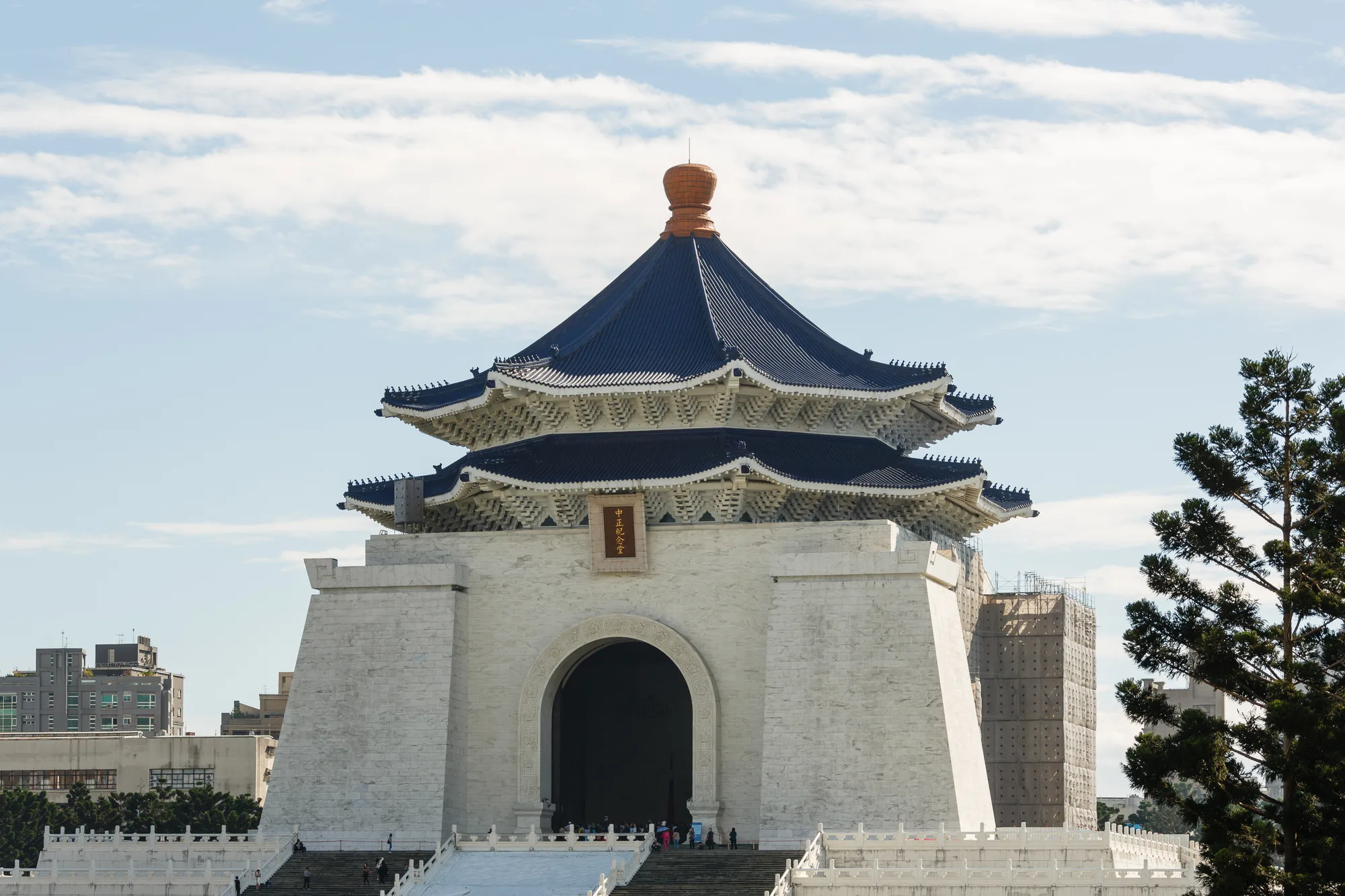
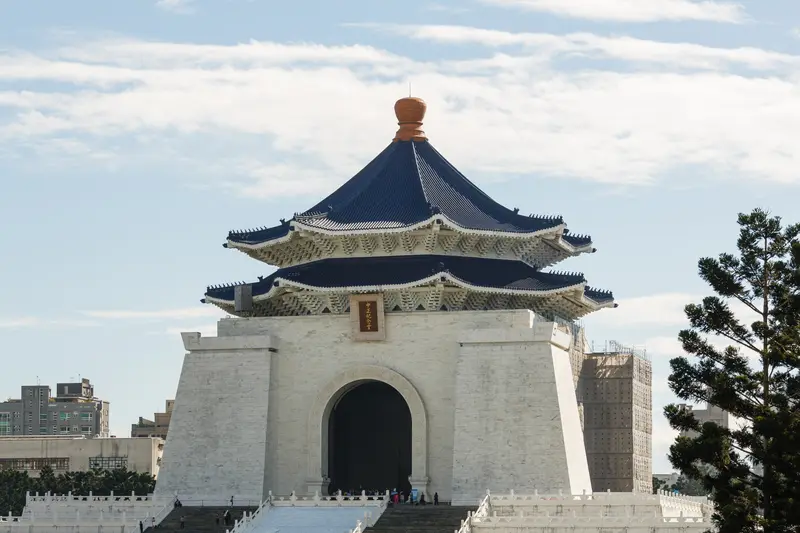
The white Chiang Kai-shek Memorial Hall in Taipei with its blue octagonal roof, ROC flags lining the plaza
Taipei · 台北 · 25.03°N 121.56°E

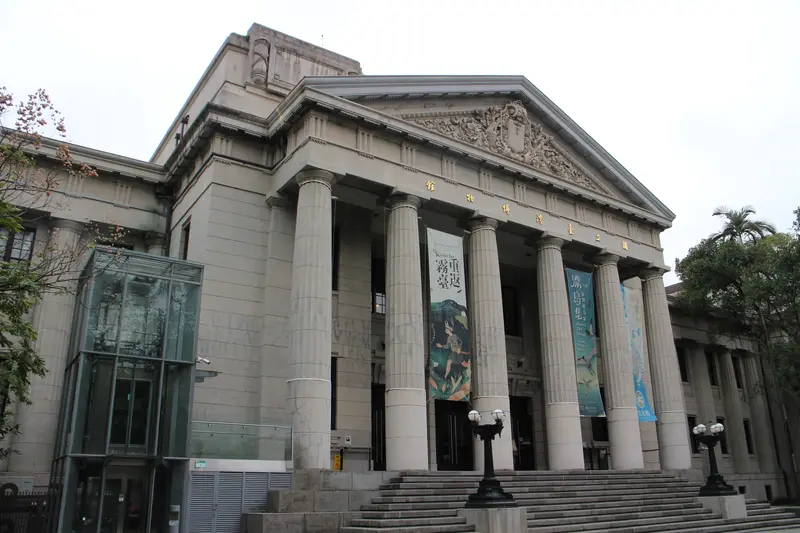
National 228 Memorial Museum: essential modern-history context in a 1931 landmark

Housed in the elegant 1931 former Taiwan Education Hall on Nanhai Road, this free national museum commemorates the February 28 (228) Incident of 1947 and Taiwan’s path toward democracy and human rights — a thoughtful, context-building stop best paired with a slower Zhongzheng day.

CEphoto, Uwe Aranas · CC BY-SA 3.0

Housed in the elegant 1931 former Taiwan Education Hall on Nanhai Road, this free national museum commemorates the February 28 (228) Incident of 1947 and Taiwan’s path toward democracy and human rights — a thoughtful, context-building stop best paired with a slower Zhongzheng day.

Updated June 20, 2026

Map

Visualize where this fits in your day (and plan nearby pairings).

Open full map →

Quick facts資訊

Cost
Free admission
Hours
Tuesday–Sunday, 10:00–17:00; closed Mondays (open if 28 February falls on a Monday)
Time needed
1–2 hours, more if you read the exhibits closely
Getting there
No. 54, Nanhai Road, Zhongzheng District; about a 5-minute walk from Xiaonanmen MRT Station.
Best time / for
Weekday mornings for a quiet, unhurried visit; a strong rainy-day anchor.
Good to know
The subject matter is sombre. Give yourself time to process, and consider pairing it with a calmer stop afterward.
District
Zhongzheng
Best for
History-minded travelers, reflective visits, rainy days
Admission
Free

Highlights亮點

  • Set inside the restored 1931 former Taiwan Education Hall
  • Free admission to a meaningful, context-building museum
  • Commemorates the 228 Incident of 1947 and Taiwan’s democracy story
  • A short walk from Xiaonanmen MRT and 228 Peace Memorial Park

A building with its own history

The museum occupies the former Taiwan Education Hall (Taiwan Education Association Building), completed in 1931 and designed by Ide Kaoru of the Governor-General’s Building and Repairs section. It was built as a venue for public lectures, educational showcases, film screenings, and art exhibitions.

After World War II the building briefly hosted the Taiwan Provincial Consultative Council, and from 1959 it was leased to the United States Information Service. In 2007 the restored building was officially designated the National 228 Memorial Museum, becoming a key site for human-rights education.

What was the 228 Incident?

The February 28 (228) Incident takes its name from 28 February 1947, when an anti-government uprising broke out across Taiwan after the heavy-handed handling of a dispute over confiscated contraband cigarettes in Taipei the previous evening. Long-simmering grievances against the incoming administration boiled over, and the unrest was followed by a violent crackdown in which thousands of people — including many of the island’s intellectuals and civic leaders — were killed or disappeared.

The incident ushered in nearly four decades of martial law, often called the ‘White Terror,’ during which open discussion of 228 was suppressed. Only after democratisation could the events be publicly mourned and investigated. Understanding this history makes much of modern Taiwan — its memorial days, its parks, and its strong attachment to civil liberties — far easier to read, which is why so many thoughtful travellers find the visit worthwhile.

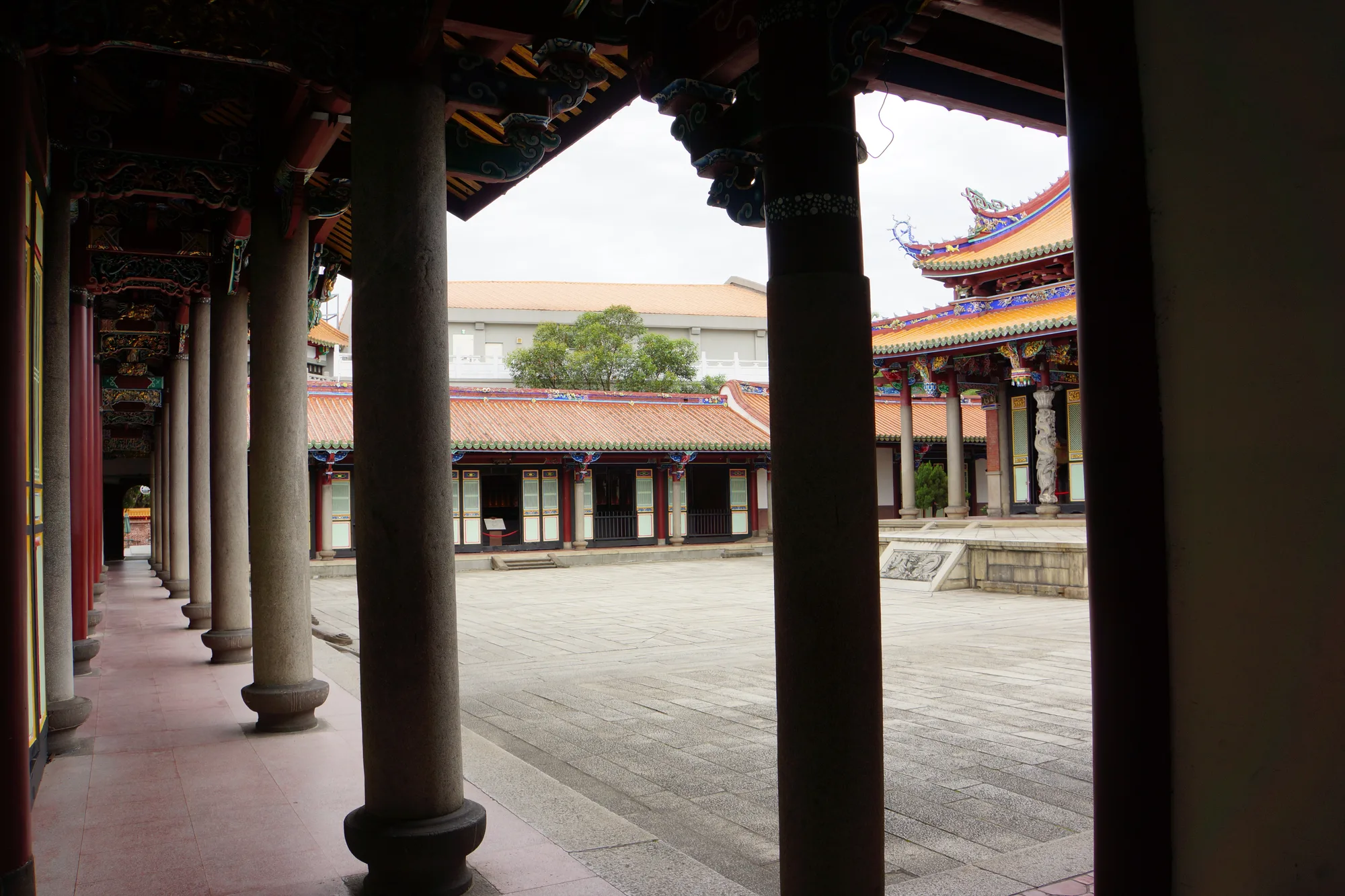
The inner courtyard and colorful tiled-roof halls of the Taipei Confucius Temple
Photo: lienyuan lee · CC BY 3.0 · Wikimedia Commons

Why go

Taipei is easy to love for food and street life — but understanding a place also means understanding its history. This museum is a solid context stop that helps you connect the city’s landmarks to modern Taiwan’s story, centred on the February 28 Incident of 1947 and its long aftermath.

It’s not a checklist attraction. It’s a slower, quieter visit that can deepen the rest of your trip — and admission is free.

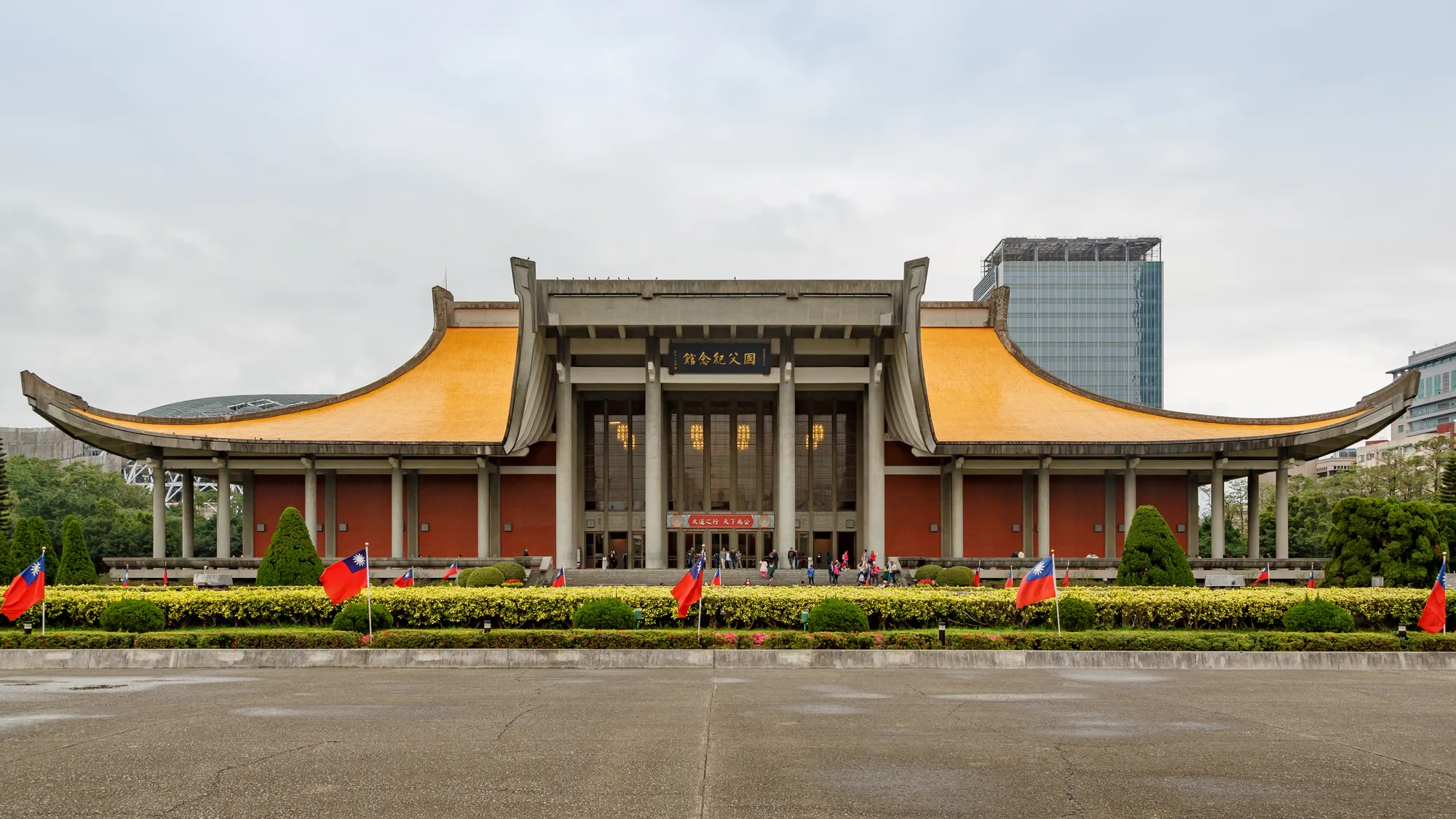
The Sun Yat-sen Memorial Hall in Taipei with its sweeping upturned yellow curved roof and red columns
Photo: CEphoto, Uwe Aranas · CC BY-SA 3.0 · Wikimedia Commons

What you’ll see

Exhibits trace the events of the 228 Incident, the period of political suppression that followed, and the decades-long movement to acknowledge the victims and pursue transitional justice. Displays draw on documents, photographs, and personal accounts.

The museum is run by the Memorial Foundation of 228, and the experience is reflective rather than spectacle-driven — a place to read, look, and think.

How to visit well

Keep the day gentle. Pair the museum with a park walk and an easy meal, not a rushed itinerary. Give yourself time to process, then shift to something restorative — tea, a garden loop, or a calmer dinner neighborhood. Note it’s closed Mondays (unless 28 February lands on one).

  • Museum → 228 Peace Memorial Park → café/tea break
  • Museum → National Taiwan Museum (short visit) → dinner in Zhongshan
  • Museum as a rainy-day anchor → dessert + an early evening

FAQ 常見問題

Quick answers to common planning questions.

How much is admission?
Admission is free.
What are the opening hours?
Tuesday to Sunday, 10:00–17:00. It’s closed on Mondays, except when 28 February falls on a Monday.
How do I get there?
It’s at No. 54, Nanhai Road in Zhongzheng District, about a 5-minute walk from Xiaonanmen MRT Station.
What does the museum cover?
It commemorates the February 28 (228) Incident of 1947 and the ensuing period, telling Taiwan’s modern history of suppression, remembrance, and the pursuit of transitional justice.
Is it suitable for children?
The subject matter is serious and at times distressing. It can be a meaningful visit for older children and teens, but younger kids may find it heavy.
How is it different from 228 Peace Memorial Park nearby?
The park, a short walk away, is an outdoor memorial space with a monument and its own city-run 228 museum; this national museum offers a deeper, document-based account of the incident and its aftermath. Visiting both gives a fuller picture — the park for reflection, the museum for context.

Keep exploring 繼續逛

Hand-picked next reads to make your Taipei plan smoother.

Zhongzheng: monuments, museums, and classic civic Taipei

Zhongzheng: monuments, museums, and classic civic Taipei

A central district for big cultural landmarks and museum-style sightseeing—ideal for your ‘classic Taipei’ day. Home to the CKS Memorial Hall, Liberty Square, and the city’s great national museums, it’s where Taipei tells its public story.

Read more →
Taipei Main Station area: transit hub, city edges, and practical Taipei

Taipei Main Station area: transit hub, city edges, and practical Taipei

Not a ‘romantic’ neighborhood, but incredibly useful: the city’s central transit nerve center, easy day-trip logistics, and a fast way to move between districts. Understanding it makes the rest of your trip run smoother.

Read more →
Zhongshan: the stylish all-rounder (cafés, bars, easy transit)

Zhongshan: the stylish all-rounder (cafés, bars, easy transit)

A central, design-forward district with great food, cafés, nightlife, and convenient connections—an ideal ‘default’ base for many trips. It blends boutique shopping, art spaces, and a relaxed adult nightlife within easy reach of everywhere.

Read more →
228 Peace Memorial Park: a calm city-center walk with deep history

228 Peace Memorial Park: a calm city-center walk with deep history

A downtown Taipei park near Taipei Main Station, renamed to commemorate the victims of the 28 February 1947 (228) Incident. It pairs an always-open, leafy walking loop—with the 228 monument and a memorial museum—with the adjacent National Taiwan Museum, making it one of the most accessible places to add reflective depth to a city-center day.

Read more →
National Taiwan Museum: Taiwan’s oldest museum, at the old city core

National Taiwan Museum: Taiwan’s oldest museum, at the old city core

Established in 1908, the National Taiwan Museum is the oldest museum in Taiwan and the only Japanese-colonial-era museum still on its original site—a white Greek/Roman-revival building with a Roman dome at the north end of 228 Peace Memorial Park. With collections in Taiwan’s anthropology, geology, zoology, and botany, it’s an inexpensive, atmospheric ‘context’ stop for first-timers.

Read more →
Office of the President: an iconic Taipei landmark in the historic core

Office of the President: an iconic Taipei landmark in the historic core

Taiwan’s Presidential Office Building — a 60-meter Japanese-era landmark from 1919 in Zhongzheng — opens free to visitors on weekday mornings and occasional holiday open-house days. A high-impact civic stop, easy to pair with the city gates, central museums, and a historic-core walking loop.

Read more →

Ready to plan your next stop? 下一站

Start with a simple loop: one neighborhood stroll, one iconic sight, and one night market. Taipei rewards balance.

Tip: hours, prices, and seasonal schedules can change. When something matters (like a museum ticket or a special exhibition), check the official listing before you go.