Skip to content
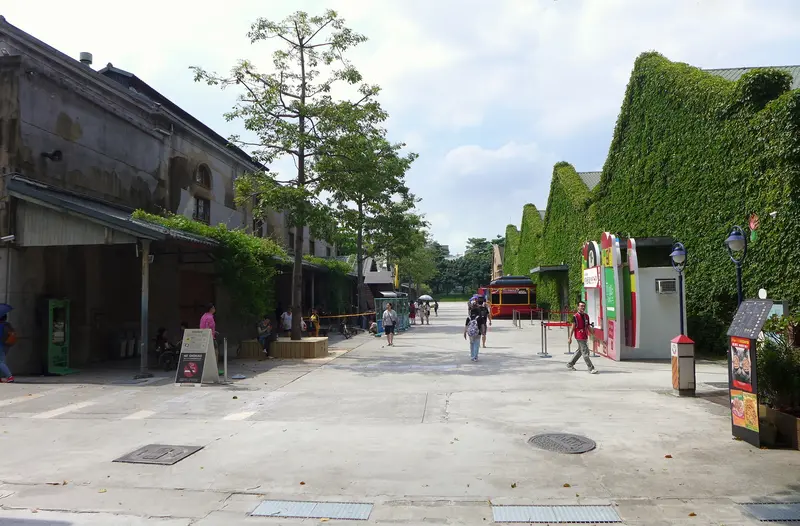
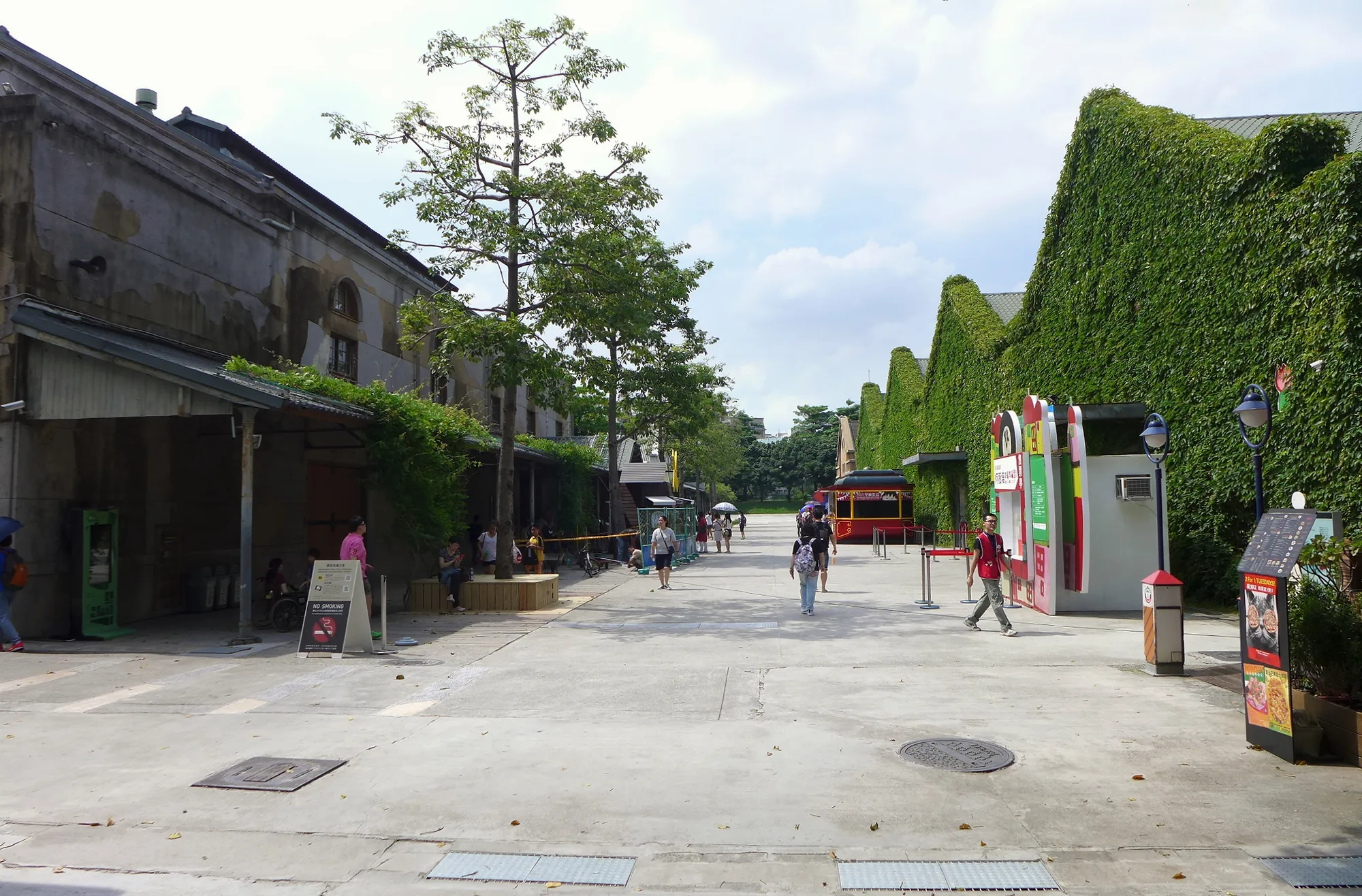
Huashan 1914 Creative Park in Taipei — ivy-covered former-winery warehouse buildings along a tree-lined boulevard with a red sightseeing tram
Taipei · 台北 · 25.03°N 121.56°E

Shopping in Taipei: from night markets to design streets

A practical shopping guide to Taipei: what to buy, where to browse, and how to plan a ‘shopping day’ that still feels like travel—not errands.

Wpcpey · CC BY 4.0

A practical shopping guide to Taipei: what to buy, where to browse, and how to plan a ‘shopping day’ that still feels like travel—not errands.

Updated June 20, 2026

Quick facts資訊

Time needed
12–15 minute read
Best time / for
First-timers, gift hunters and design lovers
Good to know
Souvenir shortcut: tea, pineapple cakes and small crafts.
Best for
First-timers, gift hunters, design lovers
Time to read
12–15 minutes
Souvenir shortcut
Tea + pineapple cakes + small crafts
Good pairing
Shopping afternoon → night market dinner

Highlights亮點

  • Split shopping into two styles: markets vs curated stores
  • Keep one bag small and one tote light
  • Use Zhongshan and Xinyi for modern browsing
  • Use Dadaocheng for tea and edible souvenirs

Two kinds of Taipei shopping (choose your mode)

Taipei shopping is easiest when you treat it as two different experiences. One is lively and chaotic: night markets and street streets. The other is curated and calm: design shops, creative parks, and modern retail areas.

Choose one mode per half-day. Mixing them without a plan usually feels overwhelming.

  • Market mode: cheap thrills, snacks, browsing, people-watching
  • Curated mode: design objects, books, local brands, calm pacing

What to buy (a realistic shortlist)

The best Taipei souvenirs are the ones you’ll actually use: tea, small edible gifts, and light objects that remind you of the trip without taking over your suitcase.

  • Tea (oolong or roasted profiles are especially iconic)
  • Pineapple cakes (bring a box to share)
  • Small crafts and design objects (if you like minimal souvenirs)
  • Skincare/cosmetics (popular for shoppers who know what they want)

Edible souvenirs that travel well (the easiest wins)

If you want souvenirs that are light, easy to pack, and genuinely appreciated, go edible. Taipei is excellent at ‘giftable food’: tea, pastries, and snack boxes that feel thoughtful without being heavy.

The best strategy: buy smaller quantities of a few things rather than one huge pile of the same item.

  • Tea: floral oolong vs roasted oolong (buy small amounts of both if unsure)
  • Pineapple cakes: easy to share and easy to pack
  • Dried fruit and snack assortments from heritage streets

Where to shop (by vibe)

For modern browsing, aim for the city’s sleek districts and creative parks. For heritage shopping, go where Taipei’s older layers live.

  • Zhongshan: stylish stores, easy day/night mix
  • Xinyi: modern retail + skyline walks
  • Songshan & Huashan: creative parks, exhibitions, pop-ups
  • Dadaocheng (Dihua Street): tea shops, dry goods, old Taipei texture
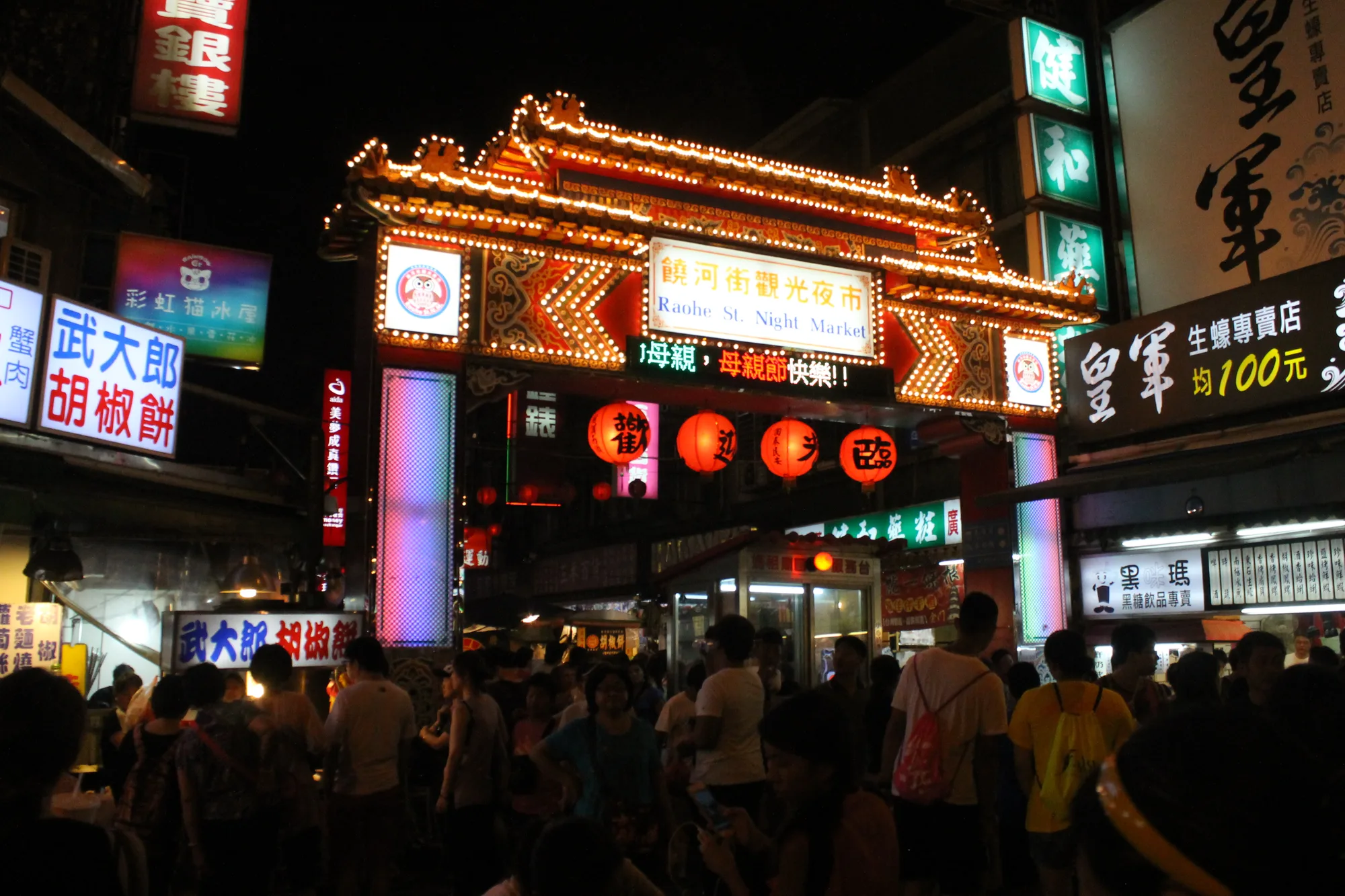
The illuminated traditional entrance gate of Raohe Street Night Market in Taipei with red lanterns and a dense crowd
Photo: ironypoisoning · CC BY-SA 2.0 · Wikimedia Commons

What to buy where (category shortcuts)

If you know what you want, shopping becomes easier: pick the district that matches the category, do one concentrated loop, then stop. Taipei is better when shopping is a chapter, not the whole book.

  • Tea and heritage snacks: Dadaocheng / Dihua Street
  • Design objects and pop-ups: creative parks and Zhongshan browsing streets
  • Modern retail and big-brand shopping: Xinyi
  • Electronics: Guanghua and Syntrend area (tech browsing day)

Electronics and gadget shopping (a practical approach)

If you’re shopping for tech, treat it like a focused mission: know what you want, compare a few options, and buy once you’re confident. It’s easy to lose hours wandering without a plan.

Pair tech browsing with a café break so it stays fun rather than overwhelming.

  • Plan: one or two target items before you go
  • Compare quickly, then commit (decision fatigue is real here)
  • Add: a café break to reset your brain

How to keep shopping from hijacking your trip

A good shopping day still needs texture: coffee, a park, a neighborhood walk. Build your day around two shopping clusters and one ‘reset’ stop so it feels like travel, not a task list.

If you bought a lot, use taxis for short hops. It’s one of the most useful ‘comfort hacks’ in Taipei.

  • Do one main shopping district per half-day
  • Add one reset stop (park or café) so the day feels like travel
  • Carry a tote and keep your hands free

Market etiquette and bargaining (keep it calm)

Taipei isn’t a city where you need to haggle aggressively. In many places, prices are fixed. In some market contexts, a small negotiation can happen—but it’s usually gentle and optional.

The best rule: be polite, don’t pressure, and don’t treat bargaining as a sport.

  • Ask kindly if there’s flexibility, then accept the answer
  • If you want the best value, focus on local food and everyday items
  • Support the stalls you genuinely like instead of chasing tiny savings

Tax refunds for visitors (the basics, hedged)

Taiwan runs a tourist tax-refund scheme on eligible goods bought from licensed stores, and it’s worth understanding before a big shopping day rather than after. The broad idea is simple: foreign visitors who spend over a minimum amount in a single day at a participating store, and who take the goods out of Taiwan within a set window, can reclaim part of the sales tax. Spending thresholds, the refund percentage, the export deadline, and the paperwork all change from time to time, so treat any number you’ve read online as a starting point—the official tax-refund site or the store counter is the easy place to confirm details.

In practice, the smoothest path is to do your refundable shopping at larger department stores and chains that advertise tax-refund service, since many can issue an on-the-spot refund at a service desk if you show your passport. For smaller purchases scattered across many shops, the savings may not be worth the errand—this scheme rewards concentrated spending in one place on the same day, not a long trail of tiny receipts. Keep your passport on you when you intend to claim, because you’ll need it both at purchase and at the airport counter.

Whatever you do, don’t reorganize your whole trip around a refund. The amount you get back is modest relative to the time it can eat, and the rules around minimum spend and export timing are exactly the kind of thing that shifts. Think of it as a small bonus on shopping you were going to do anyway—claim it when it’s easy, skip it when it isn’t, and the live thresholds are worth confirming before you count on a specific figure.

  • Refunds apply to eligible goods from licensed/participating stores—look for tax-refund signage
  • You’ll generally need your passport at both purchase and the airport
  • Concentrate refundable spending in one store on one day rather than spreading it thin
  • Minimum spend, refund rate, and export deadline change—details are easy to confirm on the official site
  • Keep goods and receipts together and unused if a final check is required
a crowd of people walking through a street at night
Photo: Daniel Honies / Unsplash

Packing, shipping, and getting it all home

The fastest way to ruin a great shopping haul is to crush it in your suitcase on the way home, so plan the logistics as deliberately as the buying. Pack a soft, flat tote inside your day bag every morning—Taipei’s humidity makes plastic bags clammy, and a tote keeps your hands free for snacks and transit cards. For anything fragile (ceramics from Yingge, glassware, delicate tea tins), ask the shop to wrap it properly at purchase; many will, and it’s far better protection than hotel towels improvised at midnight.

Spread weight across your trip rather than buying everything on the last day. If you’re carrying tea, pastries, and a few breakable objects, put the heavy and fragile items in the middle of your case surrounded by clothes, and keep edible souvenirs in their original sealed boxes so they survive the pressure and the temperature swings. Pineapple cakes and similar pastries travel well precisely because they’re boxed for it—resist the urge to repack them into something smaller.

If you’ve genuinely overbought, shipping is a real option. Some larger stores and post offices can send parcels internationally, and a single box home can save you airline excess-baggage stress. Rates and customs rules vary by destination and by what you’re sending (food can be restricted), so ask at the counter, and your home country’s import rules are worth a quick check first. For most travelers, though, the simplest answer is restraint at the till plus a half-empty bag on the way out.

  • Carry a flat tote daily; skip clammy plastic bags in the humidity
  • Ask shops to wrap fragile items at purchase—better than DIY hotel padding
  • Keep edible souvenirs in their original sealed boxes for protection and freshness
  • Buy heavy/fragile things across the trip, not all on the final day
  • Shipping home is worth it if you overbuy—confirm food/customs rules for your country

What not to buy (and how to avoid souvenir regret)

Not everything that looks tempting in the moment earns its place in your bag. The classic regret purchases are generic mass-market trinkets you could find in any airport, oversized items that dominate your luggage, and ‘deals’ on electronics or brand goods that aren’t actually cheaper than at home once you factor in warranty and voltage. If a souvenir doesn’t feel specifically Taiwanese or specifically you, it’s usually a pass.

Be especially cautious with perishables and restricted goods. Some fresh fruit, certain meat and plant products, and a handful of other items can’t legally cross borders, and customs at home may confiscate them no matter how lovely they looked at the market. When in doubt about whether a food item can come home with you, ask the seller and check your own country’s import rules rather than gambling at the airport. The same caution applies to anything claiming to be antique, jade, or precious—authenticity is hard to verify on the spot, so buy those only if you genuinely know the category.

The healthiest mindset is to buy fewer, better things. One excellent tin of tea you’ll actually drink beats five novelty gifts that gather dust. Give yourself a soft budget and a soft suitcase limit before you start, and let those two numbers quietly veto the impulse buys. You’ll come home lighter, happier, and with souvenirs that mean something.

  • Skip generic trinkets you could buy in any airport
  • Be wary of electronics ‘deals’—check warranty, voltage, and home prices first
  • Don’t buy perishables or restricted goods that can’t legally come home
  • Treat antique/jade/precious claims with caution unless you know the category
  • Buy fewer, better items—set a soft budget and suitcase limit before you start

Gifts by recipient (a quick matching guide)

Shopping for other people gets much easier when you start from the person rather than the shelf. For the food-loving friend, lean on Taipei’s edible-gift strength: a small box of pineapple cakes, an assortment of nougat or dried fruit from a heritage shop on Dihua Street, or a tin of a tea you tasted and liked. These are light, share well, and feel unmistakably Taiwanese without any guesswork.

For the design-minded or the hard-to-buy-for, the creative parks and Zhongshan’s browsing streets are your friend. Huashan 1914 and Songshan Cultural and Creative Park host shops and pop-ups full of small, well-made objects—stationery, prints, ceramics, accessories—that look considered rather than touristy. Yingge, on a ceramics day trip, is the place for a single nice cup or small vessel if you want a gift with provenance. For kids back home, night-market stalls and toy-and-stationery shops offer cheap, cheerful wins that won’t bust your budget.

For the tea or coffee person specifically, treat the gift as a tiny experience rather than just a product: pair a small tin of oolong with a note about how to brew it, or pick a roasted versus floral profile to match their taste. And for the person who has everything, an edible consumable is almost always the safe answer—it gets used up, leaves no clutter, and carries the trip with it.

  • Food lovers: pineapple cakes, nougat, dried fruit, or a tin of tea
  • Design-minded: creative-park shops (Huashan, Songshan) and Zhongshan browsing streets
  • Provenance gift: a single nice piece from Yingge on a ceramics day trip
  • Kids: cheap, cheerful wins from night-market and stationery stalls
  • Hard to buy for: pick a consumable—it gets used up and leaves no clutter

A neighborhood-by-neighborhood browsing map

Each shopping district in Taipei has a distinct personality, and matching the area to your mood saves a lot of aimless wandering. Xinyi is the modern, big-brand heart of the city: gleaming malls, international labels, and the Taipei 101 area, ideal when you want air-conditioning, scale, and a skyline walk between stops. Zhongshan is the stylish all-rounder—boutiques, design stores, bookshops, and cafés woven together so you can shop and rest in the same loop without it feeling like errands.

For old-Taipei texture, Dadaocheng and Dihua Street are unbeatable: tea merchants, dried-goods sellers, fabric shops, and heritage storefronts in beautiful old buildings, best browsed slowly with a snack in hand. Ximending is the youthful, energetic counterpoint—streetwear, accessories, novelty stores, and late-night browsing aimed at a younger crowd. The creative parks at Huashan 1914 and Songshan sit somewhere in between: part exhibition space, part design-shop cluster, perfect when you want considered objects and a cultural backdrop in one stop.

If your mission is tech, the Guanghua and Syntrend area near Zhongxiao Xinsheng station is the focused choice—but go in with a target, because it’s easy to lose an afternoon comparing gadgets. The practical move is to pick one district per half-day, do a single concentrated loop, and let a café or park break separate your shopping clusters so the day still feels like travel.

  • Xinyi: modern malls, big brands, Taipei 101, skyline walks
  • Zhongshan: boutiques, design stores, bookshops, café breaks built in
  • Dadaocheng / Dihua Street: tea, dried goods, fabric, heritage storefronts
  • Ximending: streetwear, accessories, novelty stores, youthful energy
  • Huashan & Songshan: creative-park design shops and pop-ups
  • Guanghua / Syntrend (Zhongxiao Xinsheng): focused tech browsing—bring a target

Read these next 延伸閱讀

The pages that pair best with this one — tap a card to keep planning.

FAQ 常見問題

Quick answers to common planning questions.

Can I get a tax refund as a tourist in Taipei?
Often yes, on eligible goods bought from licensed/participating stores if you spend over a minimum amount and take the goods out of Taiwan in time. Bring your passport, concentrate refundable spending at larger stores, and the current thresholds and refund process are easy to confirm on the official tax-refund site—the numbers change.
How do I get a big shopping haul home safely?
Carry a flat tote daily, ask shops to wrap fragile items at purchase, and keep edible souvenirs in their original sealed boxes. Spread heavy and breakable buys across your trip rather than the last day. If you genuinely overbought, shipping a box home can beat airline excess-baggage stress—just check food and customs rules for your destination.
What should I avoid buying in Taipei?
Skip generic airport-style trinkets, oversized items that dominate your luggage, and electronics ‘deals’ that aren’t actually cheaper once you factor in warranty and voltage. Avoid perishables or restricted goods that can’t legally cross borders, and be cautious with antique, jade, or precious claims unless you know the category. Fewer, better things beat a pile of novelties.
Which neighborhood is best for my kind of shopping?
Xinyi for modern malls and big brands, Zhongshan for boutiques and design stores with café breaks, Dadaocheng (Dihua Street) for tea and heritage snacks, Ximending for youthful streetwear, the Huashan and Songshan creative parks for design objects, and the Guanghua/Syntrend area for tech. Pick one district per half-day and do a single concentrated loop.
What are the best souvenirs to bring home from Taipei?
Tea and pineapple cakes are the easiest wins: light, giftable, and genuinely ‘Taipei.’ If you want non-food souvenirs, choose small crafts or design objects that you’ll actually use.
Is Dihua Street good for souvenir shopping?
Yes—especially for tea, snack boxes, and heritage-style browsing. It’s one of the best places to shop slowly and pick a few meaningful items.
Where should I shop if I only have one afternoon?
Zhongshan is a great all-around choice for browsing and cafés. If your priority is modern big-brand shopping, choose Xinyi. If your priority is tea and heritage snacks, choose Dadaocheng.
Do I need cash for shopping?
For big stores, cards are common. For markets and small shops, cash can still be important. Carry a small cash buffer so you can buy snacks and souvenirs without friction.

Keep exploring 繼續逛

Hand-picked next reads to make your Taipei plan smoother.

Zhongshan: the stylish all-rounder (cafés, bars, easy transit)

Zhongshan: the stylish all-rounder (cafés, bars, easy transit)

A central, design-forward district with great food, cafés, nightlife, and convenient connections—an ideal ‘default’ base for many trips. It blends boutique shopping, art spaces, and a relaxed adult nightlife within easy reach of everywhere.

Read more →
Xinyi: modern Taipei—Taipei 101, skyline walks, and shopping

Xinyi: modern Taipei—Taipei 101, skyline walks, and shopping

Taipei’s most modern district: towers, malls, wide sidewalks, and the city’s most iconic skyline moments around Taipei 101. It’s the easiest place to feel the city’s contemporary momentum, especially at sunset and after dark.

Read more →
Datong & Dadaocheng: old streets, tea shops, and Taipei heritage

Datong & Dadaocheng: old streets, tea shops, and Taipei heritage

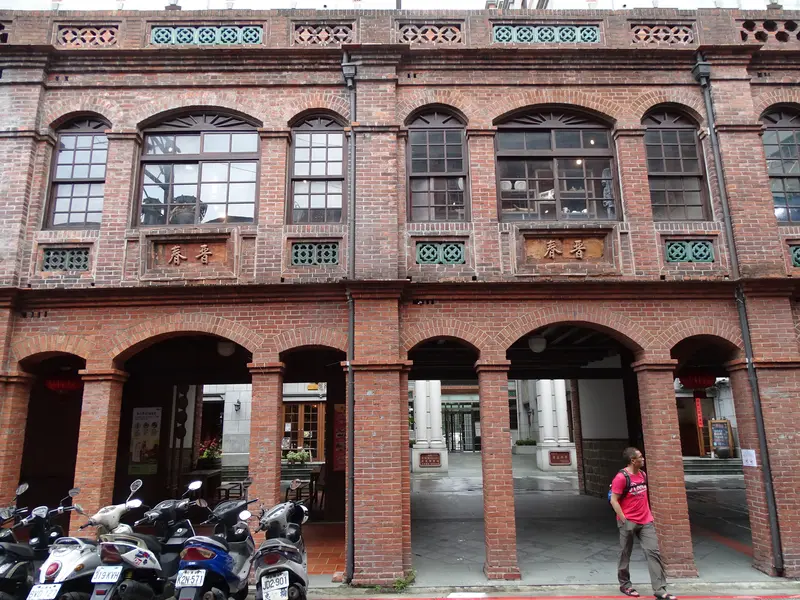
A historic area anchored by Dihua Street—tea, dry goods, traditional shops, and a slower, more photogenic side of Taipei. It’s one of the city’s oldest trading quarters, full of Qing-era and Japanese-Baroque facades that reward a slow, curious wander.

Read more →
Songshan: temples, night markets, and creative Taipei

Songshan: temples, night markets, and creative Taipei

A lively eastern district where night-market energy meets converted creative spaces—great for evenings, food missions, and a modern-meets-traditional Taipei vibe. The pairing of a design park with one of the city’s best night markets makes for an unmistakably Taipei night.

Read more →
Huashan 1914 Creative Park: exhibitions, design shops, and café breaks

Huashan 1914 Creative Park: exhibitions, design shops, and café breaks

A former 1914 winery turned arts complex in Zhongzheng—preserved red-brick industrial buildings now packed with exhibitions, design shops, cafés, and markets, all a few minutes from the MRT.

Read more →
Songshan Cultural & Creative Park: Taipei’s design and exhibition playground

Songshan Cultural & Creative Park: Taipei’s design and exhibition playground

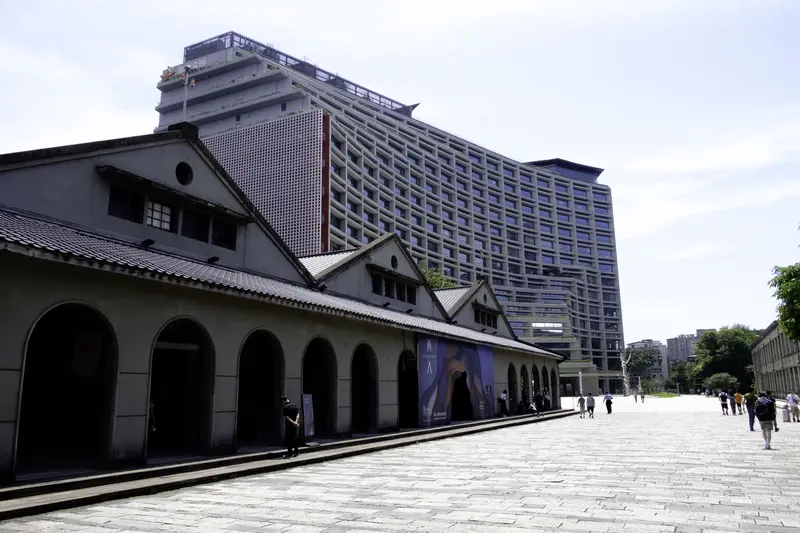
Taiwan’s first cigarette factory, built in 1937, reborn as a design hub in 2011—preserved Japanese-era industrial architecture, an ecological pond, and rotating exhibitions, minutes from Raohe Night Market.

Read more →

Ready to plan your next stop? 下一站

Start with a simple loop: one neighborhood stroll, one iconic sight, and one night market. Taipei rewards balance.

Tip: hours, prices, and seasonal schedules can change. When something matters (like a museum ticket or a special exhibition), check the official listing before you go.