Skip to content
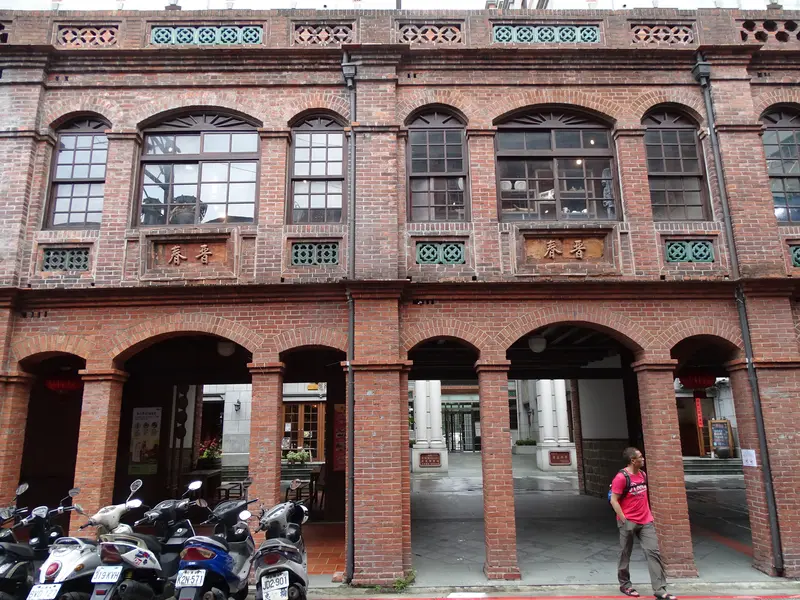
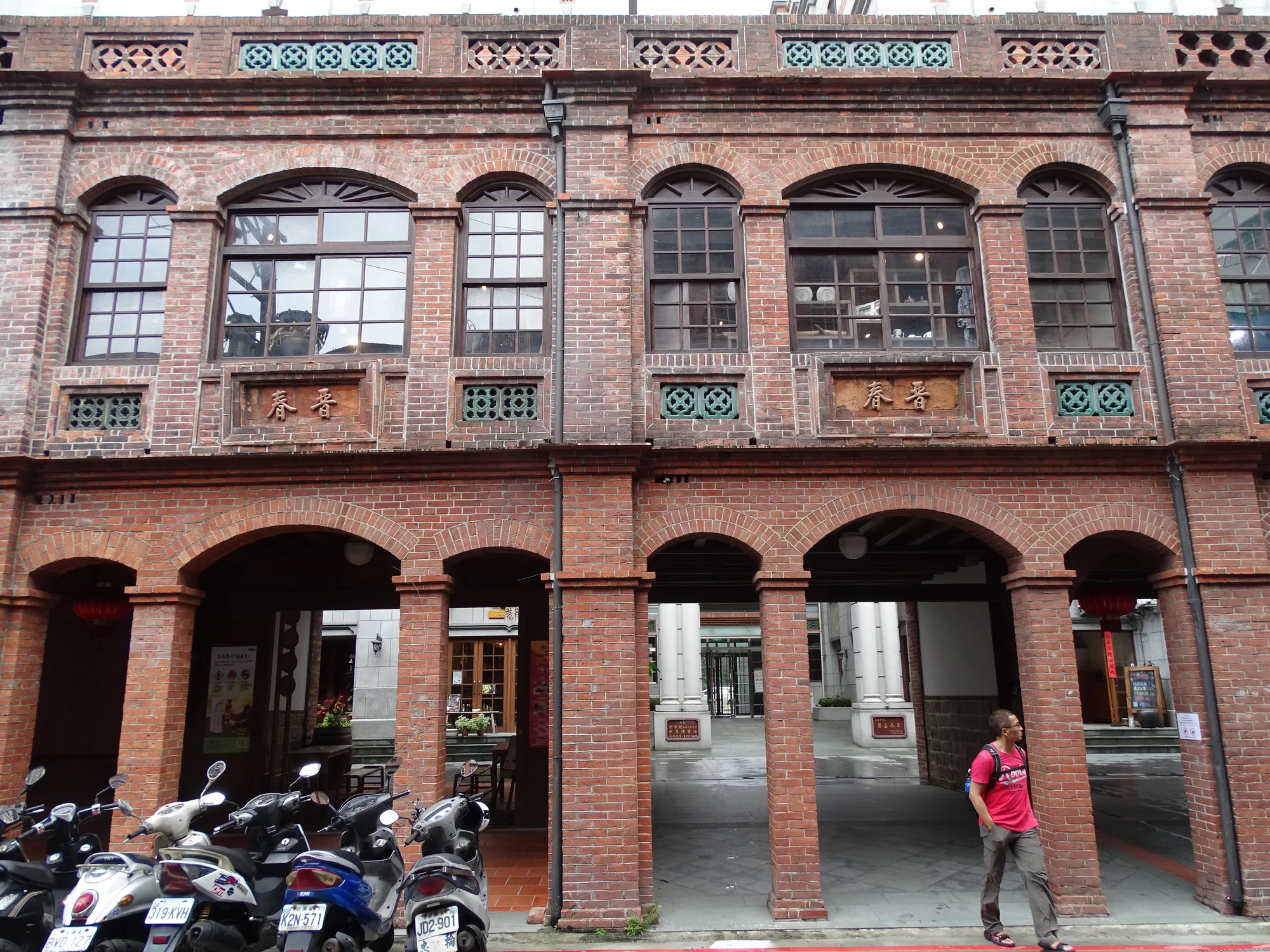
A historic red-brick shophouse facade with arched windows and a covered arcade on Dihua Street, Dadaocheng, Taipei
Taipei · 台北 · 25.03°N 121.56°E

Datong & Dadaocheng: old streets, tea shops, and Taipei heritage

A historic area anchored by Dihua Street—tea, dry goods, traditional shops, and a slower, more photogenic side of Taipei. It’s one of the city’s oldest trading quarters, full of Qing-era and Japanese-Baroque facades that reward a slow, curious wander.

Adam Jones from Kelowna, BC, Canada · CC BY-SA 2.0

A historic area anchored by Dihua Street—tea, dry goods, traditional shops, and a slower, more photogenic side of Taipei. It’s one of the city’s oldest trading quarters, full of Qing-era and Japanese-Baroque facades that reward a slow, curious wander.

Updated June 20, 2026

Map

Visualize where this fits in your day (and plan nearby pairings).

Open full map →

Quick facts資訊

Time needed
Half day (longer with a riverside sunset)
Getting there
MRT Daqiaotou (Orange Zhonghe–Xinlu line) or Beimen (Green Songshan–Xindian line) for Dihua Street
Best time / for
Daytime for the shops, golden hour at Dadaocheng Wharf; the Lunar New Year market is a winter highlight
Good to know
Many shops keep daytime hours and close in the early evening—come during the day, and check festival dates on official channels.
Vibe
Historic, aromatic (tea & herbs), photogenic
Best for
Tea, heritage storefronts, slow browsing
Don’t miss
A daytime visit + a golden-hour riverside walk

Highlights亮點

  • Dihua Street is a must for heritage texture and tea shopping
  • Best for tea browsing, dried goods, and small gifts
  • Pairs well with a sunset riverside stroll at Dadaocheng Wharf
  • Atmospheric Lunar New Year market each winter

The vibe

Datong’s Dadaocheng area gives you Taipei texture: older buildings, traditional shops, and a different sense of time. Dihua Street, the spine of the district, is one of Taipei’s oldest commercial streets, with roots in the mid-19th century tea, herb, and fabric trades. Its storefronts mix Qing-dynasty shophouses with ornate Japanese-Baroque facades, and the air carries the scent of dried goods, herbs, and tea.

It’s not about checking off a list—it’s about wandering and noticing details. You’ll pass tea merchants, apothecaries, fabric sellers, and a new wave of design shops and cafés that have moved into restored buildings. If you like markets, tea, and heritage streetscapes, this is one of Taipei’s most rewarding neighborhoods.

How to get there & get around

Two MRT stations bracket the area: Daqiaotou on the Orange (Zhonghe–Xinlu) line sits near the northern end of Dihua Street, and Beimen on the Green (Songshan–Xindian) line is close to the southern end near the historic North Gate. Either works; choose based on which end you want to start from.

Once you’re there, it’s all about walking. Dihua Street and its side lanes are best explored slowly on foot, and it’s a pleasant stroll west to Dadaocheng Wharf on the Tamsui River for sunset.

  • Daqiaotou (Orange line): near the northern end of Dihua Street
  • Beimen (Green line): near the southern end and the North Gate
  • Walk west to Dadaocheng Wharf for a riverside sunset
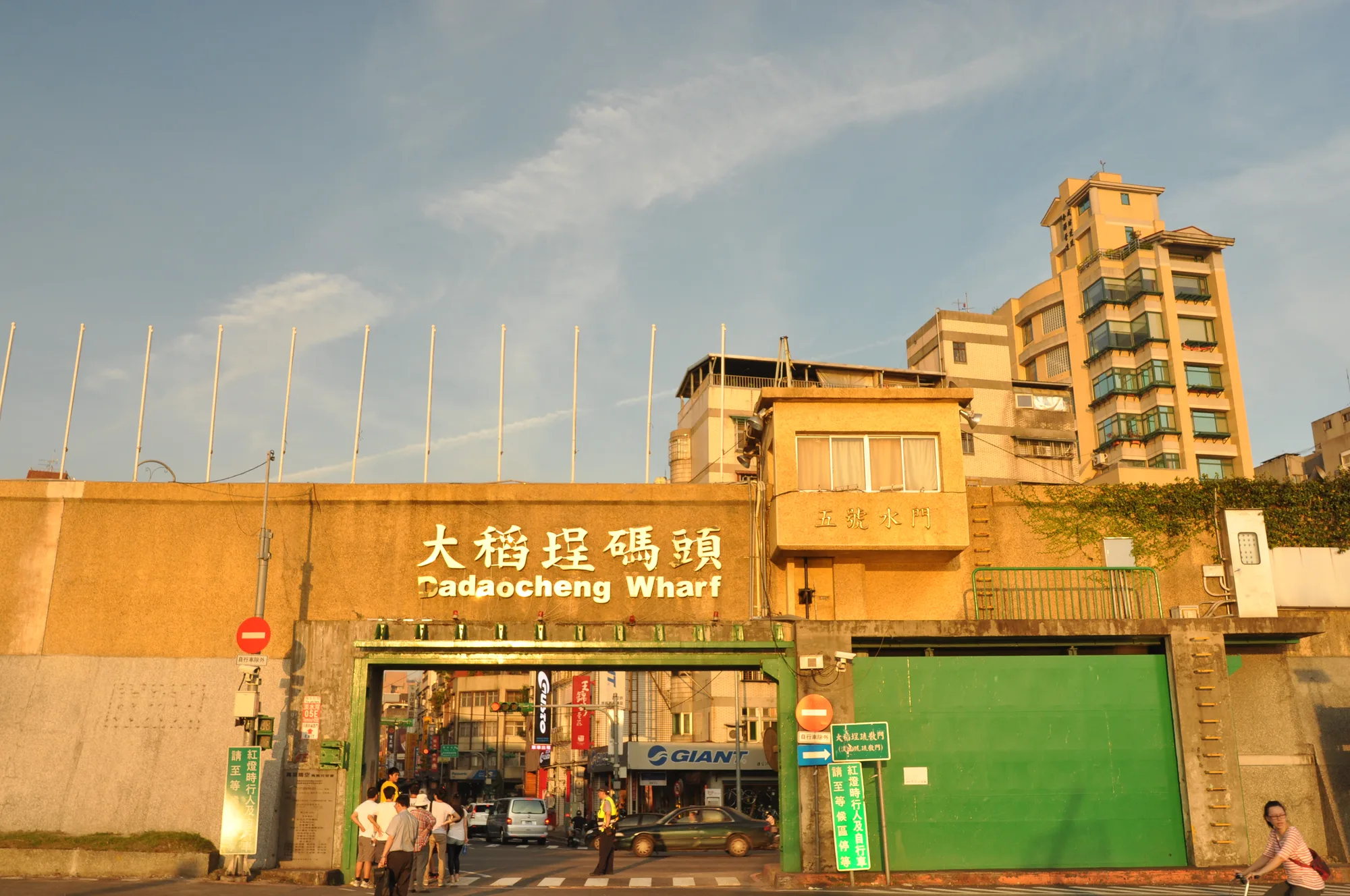
Dadaocheng Wharf in Taipei at golden sunset, with the green riverside floodgate sign reading Dadaocheng Wharf
Photo: keiichiro shikano · CC BY 2.0 · Wikimedia Commons

What to do

Walk Dihua Street slowly, step into the shops, and follow your curiosity. Tea shops are especially fun if you’re looking for a meaningful souvenir—many will let you sample. The dried-goods and herb stores are a sensory experience even if you don’t buy. Look up, too: the facades and carvings are part of the appeal.

Make time for the Xiahai City God Temple, a tiny but famous temple on Dihua Street known for its Yue Lao matchmaking deity, and finish with a golden-hour walk to Dadaocheng Wharf, where a weekend container market and river views await.

  • Tea, herb, and dry-goods browsing along Dihua Street
  • Heritage storefront photography (look up at the facades)
  • Visit the Xiahai City God Temple for the matchmaking tradition
  • Snack stops, dessert breaks, and a riverside sunset

Where to eat & drink

Datong is strong on traditional snacks and old-school Taiwanese fare, plus a growing crop of cafés inside restored buildings. Pineapple cakes and other Taiwanese pastries make great gifts and edible souvenirs, and the area’s tea houses are a lovely place to slow down with a pot.

For a fuller meal, the Ningxia Night Market sits just to the east and is one of the city’s oldest and most beloved—an easy add-on for dinner. Specific shops change over time, so treat the local specialties as your guide.

  • Tea-house stop with a pot and a sample tasting
  • Pineapple cakes and Taiwanese pastries for gifts
  • Ningxia Night Market nearby for a classic dinner

The Dadaocheng story

To really appreciate Datong, it helps to know that Dadaocheng was once the commercial heart of Taipei. From the mid-19th century, after the Tamsui River trade shifted here, this quarter grew rich on tea, camphor, and textiles, and the wealth shows in its architecture: rows of shophouses with ornate Japanese-Baroque facades, Western pediments, and intricate brick and plaster details. Dihua Street, the spine of it all, is among the best-preserved historic commercial streets in the city.

That heritage is still a working one. Tea merchants, herbal-medicine shops, and fabric and dried-goods sellers continue centuries-old trades, even as a new generation has opened design studios, galleries, and cafés inside lovingly restored buildings—an old-meets-new energy that makes the area feel alive rather than museum-like. The tiny but famous Xiahai City God Temple adds a layer of folk devotion, drawing visitors who come to petition the matchmaking deity Yue Lao for luck in love.

  • Dadaocheng grew rich on the 19th-century tea and textile trade
  • Ornate Japanese-Baroque shophouses line historic Dihua Street
  • Old trades and new design studios share the same restored blocks
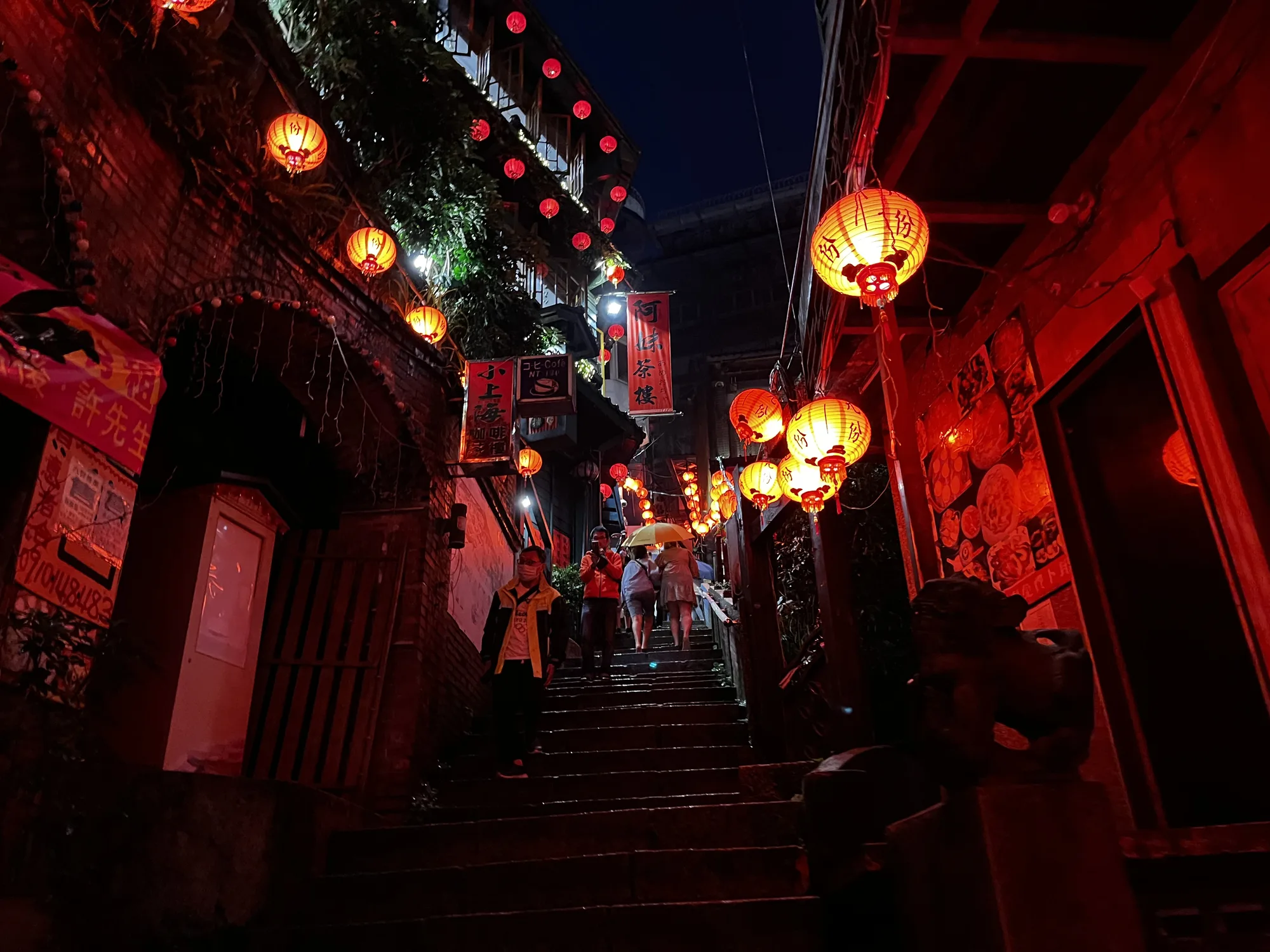
The red-lantern stairway of Jiufen old street glowing at night, lanterns lining the narrow alley as people climb the steps
Photo: Sunkenbean · CC BY-SA 4.0 · Wikimedia Commons

Best time to visit

Daytime is best for the shops, since many keep traditional hours and close in the early evening. Aim to wander mid-morning to late afternoon, then time a riverside walk for golden hour at Dadaocheng Wharf.

If you’re visiting in winter, the Dihua Street Lunar New Year market is a famous, festive crush of dried goods, sweets, and gifts—atmospheric but very crowded. Check the dates on official channels, as they follow the lunar calendar.

Who it’s for & how to pair it

Datong suits history lovers, tea drinkers, photographers, and anyone wanting a calmer, more textured side of Taipei. It’s a quieter, slower counterpoint to the neon and malls elsewhere.

It pairs naturally with Zhongshan for cafés and a stylish evening, with Yuanshan’s temples and museums just to the north, and with a Ningxia Night Market dinner to round out the day. Heritage by day, food by night is the classic flow.

  • Dihua Street heritage walk → Dadaocheng Wharf sunset → Ningxia dinner
  • Datong tea streets → Zhongshan cafés the same evening

FAQ 常見問題

Quick answers to common planning questions.

How do I get to Dihua Street?
Use Daqiaotou on the Orange (Zhonghe–Xinlu) line for the northern end, or Beimen on the Green (Songshan–Xindian) line for the southern end near the North Gate. Both are short walks to the street.
What is Datong / Dadaocheng known for?
Tea, Chinese herbs, dried goods, and fabric—centered on historic Dihua Street—plus heritage architecture, a famous matchmaking temple, and a riverside wharf.
When should I visit—and is the Lunar New Year market worth it?
Daytime is best because many shops close early. The Dihua Street Lunar New Year market each winter is famous and festive but very crowded; check the lunar-calendar dates on official channels.
Is Dihua Street walkable?
Yes—it’s a compact, flat street made for slow strolling, with side lanes and a pleasant walk west to Dadaocheng Wharf for sunset.
What should I buy in Datong?
Loose-leaf tea, dried fruits and nuts, Chinese herbs, and Taiwanese pastries like pineapple cakes make great souvenirs. Many tea shops will let you sample before you buy.
How long should I spend in Datong / Dadaocheng?
Half a day works well—mid-morning to late afternoon for the shops, then a golden-hour walk to Dadaocheng Wharf and a Ningxia Night Market dinner. Tea tastings and the heritage architecture can easily stretch it longer if you like to linger.

Ready to plan your next stop? 下一站

Start with a simple loop: one neighborhood stroll, one iconic sight, and one night market. Taipei rewards balance.

Tip: hours, prices, and seasonal schedules can change. When something matters (like a museum ticket or a special exhibition), check the official listing before you go.