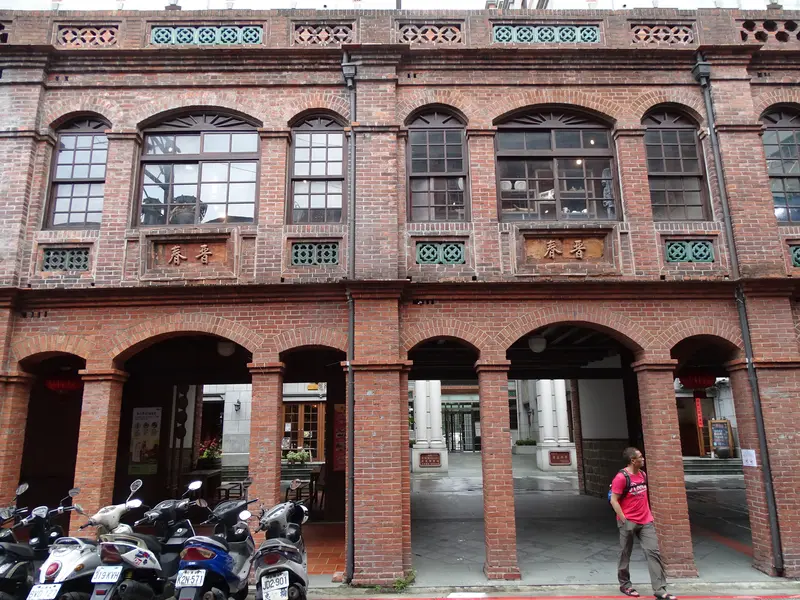
Taipei on a budget: eat well, see a lot, spend less
Taipei can be surprisingly affordable if you lean into the city’s strengths: public transit, neighborhood food, parks, and free views.
Read more →
How to handle money smoothly in Taipei: when you’ll need cash, what to expect at night markets, and a simple spending mindset.
How to handle money smoothly in Taipei: when you’ll need cash, what to expect at night markets, and a simple spending mindset.
Updated June 20, 2026
 Quick facts資訊Best time / forGood to knowBest forCash momentsMindsetSimple rule
 Highlights亮點
Taiwan uses the New Taiwan Dollar, written TWD or NT$. You’ll see prices on menus and signs simply as a number, sometimes with a 元 (yuán) or NT$ marker. Bills and coins come in a range of denominations, and it’s worth keeping a mix of smaller notes and coins—street stalls, small eateries, and quick snacks are much faster to pay for when you’re not asking someone to break a large bill.
Exchange rates move daily and the fees you pay depend more on your own bank and card than on Taiwan, so the single most useful prep step is to check your bank’s foreign-transaction and ATM-withdrawal fees before you leave. A card with low or no foreign fees plus a small amount of cash on arrival covers almost every situation comfortably. We don’t quote rates here on purpose—anything specific would be out of date by the time you read it, so confirm the live rate close to your trip.
Taipei is modern, but small food stalls and neighborhood shops may prefer cash. Meanwhile, larger stores, hotels, and many cafés accept cards. If you carry a reasonable amount of cash, you’ll never feel stuck.
A good rhythm: use card when it’s easy, use cash for markets and quick eats.
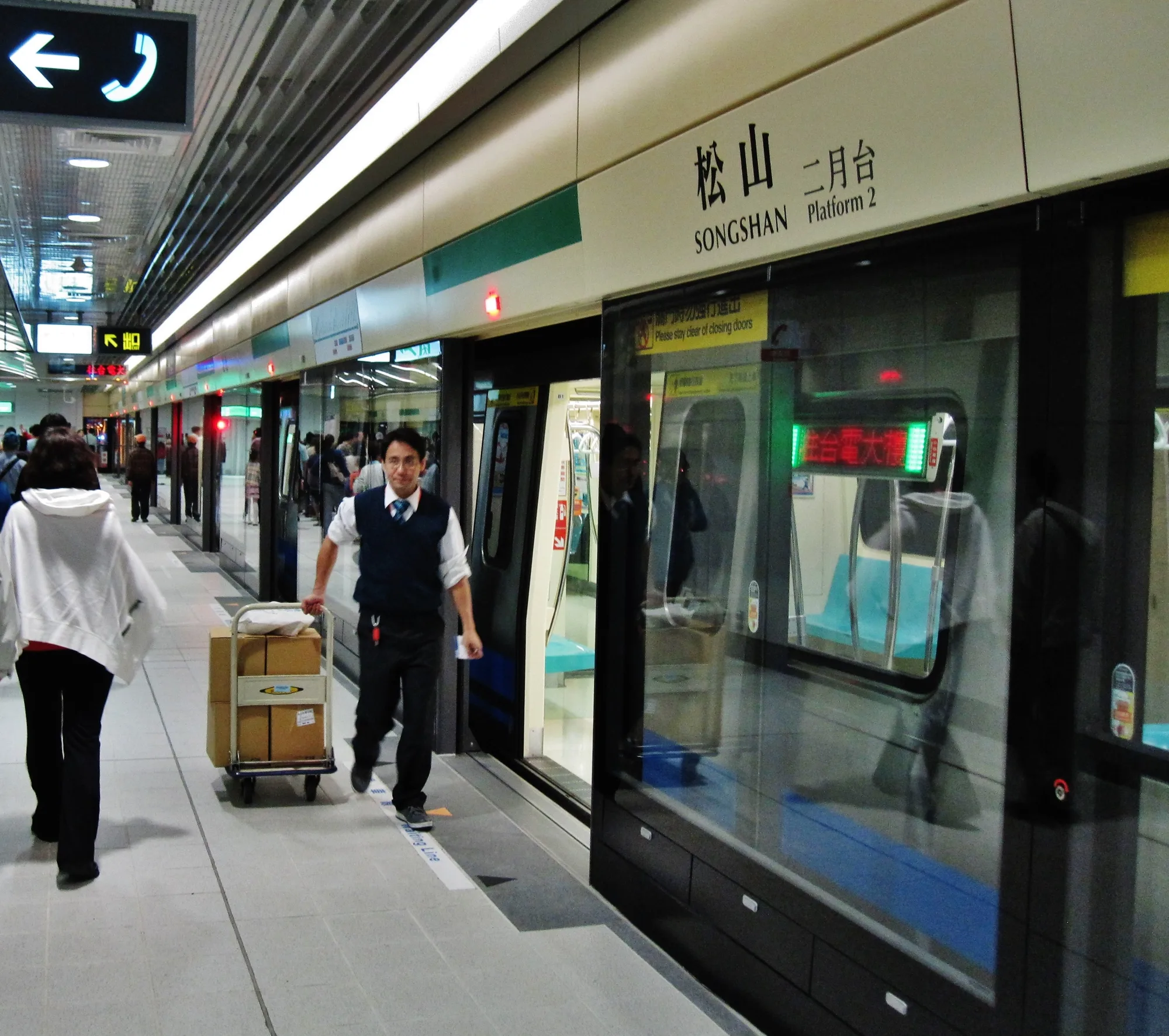
You don’t need to carry a lot of cash in Taipei, but you do need some. The goal is convenience: snacks, small meals, and the occasional ‘cash only’ moment without stress.
A simple approach: keep enough for a full day of food + transit + small purchases, then top up as needed. This keeps things smooth without feeling like you’re walking around with your whole trip budget.
The easiest strategy is “withdraw as needed” rather than exchanging a huge amount up front. Use ATMs for small top-ups and keep your wallet light.
If you use multiple cards, keep a backup separate from your main wallet—small planning choices like this make travel days calmer.
Taipei isn’t a heavy tipping culture in the way some countries are. In many everyday situations—street stalls, casual restaurants, taxis, convenience stores—tipping isn’t expected, and trying to tip can even create mild confusion. The price you see is generally the price you pay.
The best approach is to relax about it. Some sit-down restaurants and hotels add a service charge to the bill, in which case there’s nothing further to do. If you genuinely want to show appreciation for something special—an excellent private guide, exceptional help—you can do so simply and respectfully, but it’s a kindness, not an obligation.
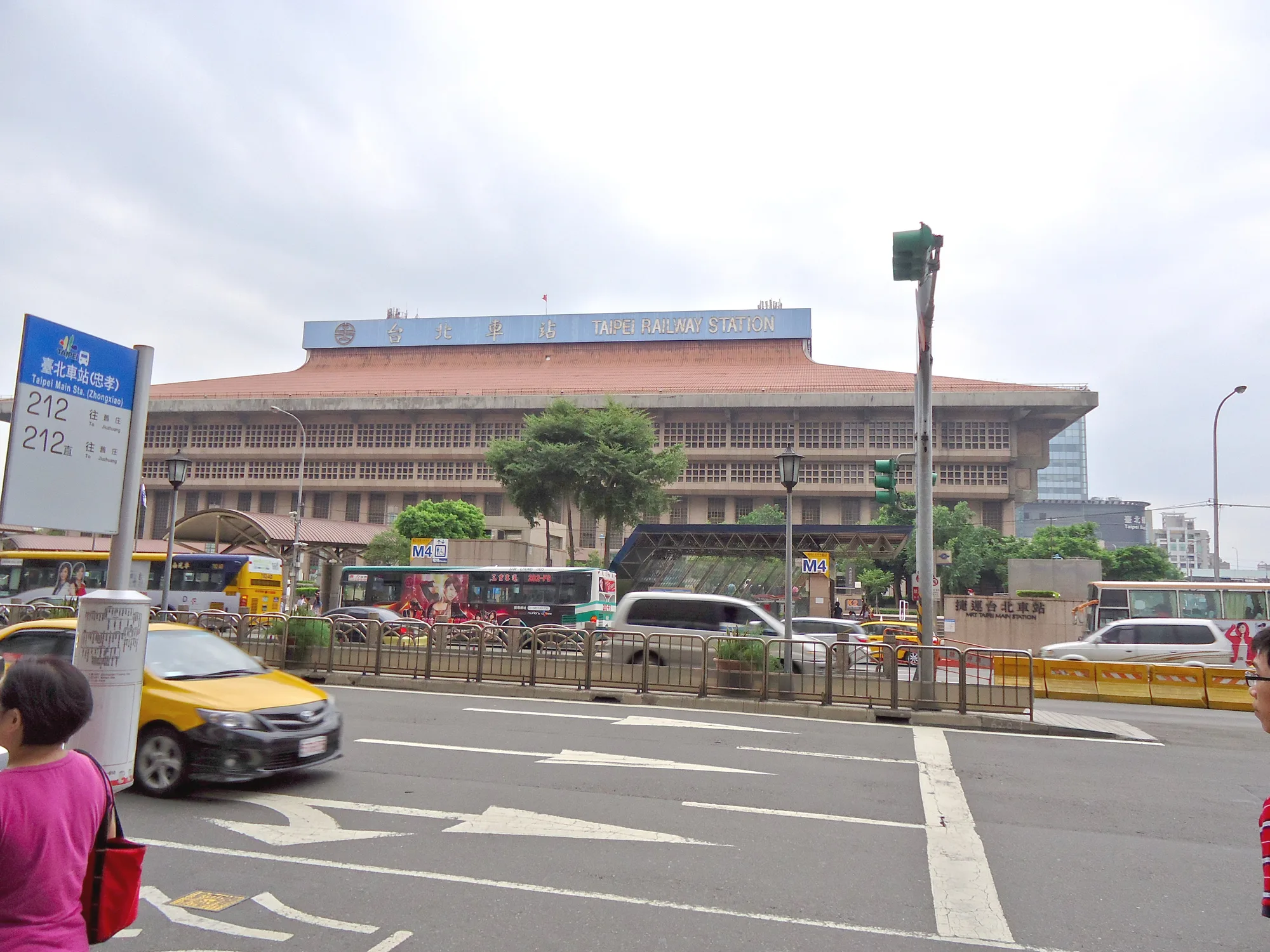
The easiest way to manage a Taipei budget is to choose one ‘splurge’ per day (or per trip) and keep everything else simple. Taipei’s best meals often come from small shops, which naturally keeps costs reasonable.
If you want to spend more, do it on the things that are hard to replicate at home: a view moment, a truly memorable meal, or a day trip that changes the scenery.
Everything else—basic shopping, small snacks, transit—can stay pleasantly low-key.
Quick answers to common planning questions.
Official pages and references for planning details.
Hand-picked next reads to make your Taipei plan smoother.
Taipei can be surprisingly affordable if you lean into the city’s strengths: public transit, neighborhood food, parks, and free views.
Read more →
Taipei is one of Asia’s easiest cities to navigate. Here’s how to combine MRT + walking (and when buses or taxis actually help).
Read more →
A practical overview of staying connected in Taipei: what to do at the airport, how to keep maps working, and what to pack for backup.
Read more →Start with a simple loop: one neighborhood stroll, one iconic sight, and one night market. Taipei rewards balance.
Tip: hours, prices, and seasonal schedules can change. When something matters (like a museum ticket or a special exhibition), check the official listing before you go.