
Arts & design in Taipei: creative parks, museums, and modern culture
A design-forward guide to Taipei’s contemporary side—MOCA, creative parks, modern museums, and the neighborhoods that make an art day feel effortless.
Read more →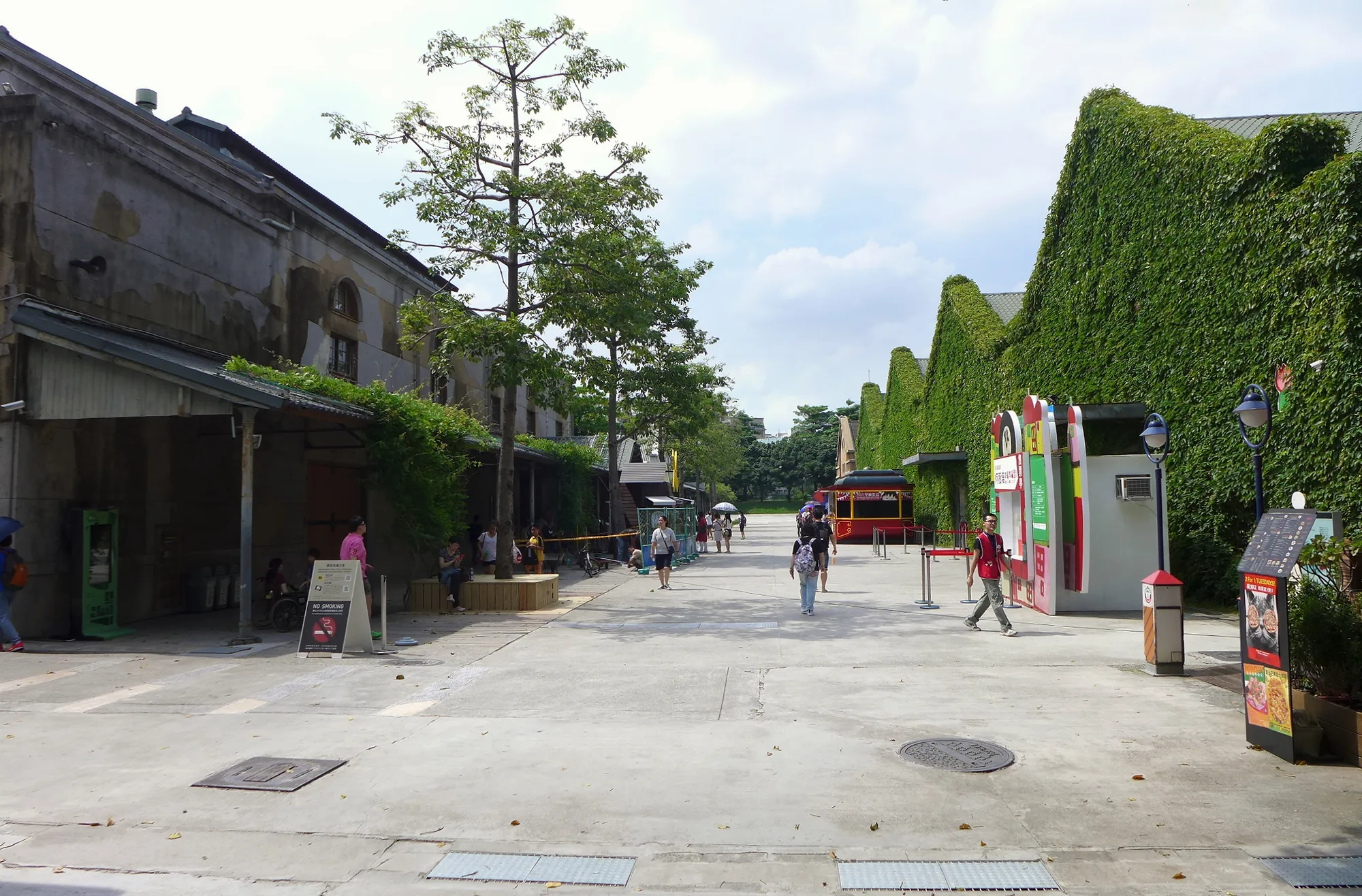
A design-forward Taipei day with one contemporary-art anchor, one creative-park add-on, and a relaxed neighborhood dinner—built for minimal transfers and maximum vibe.
A design-forward Taipei day with one contemporary-art anchor, one creative-park add-on, and a relaxed neighborhood dinner—built for minimal transfers and maximum vibe.
Updated June 20, 2026
 Quick facts資訊Time neededGetting thereBest time / forGood to knowBest forPaceRule
 Highlights亮點
This is a culture day for people who love contemporary art and design but don’t want the marathon of a giant national museum. The structure is deliberately light and modern: one contemporary-art anchor (MOCA Taipei), one creative-park add-on, and a stylish neighborhood dinner—built for minimal transfers and maximum mood. Because nearly everything is indoor or covered, it’s also one of the city’s most reliable rainy-day and hot-day plans.
The day follows a satisfying rhythm: a focused late-morning museum visit while your attention is fresh, an essential café break to reset, an afternoon drifting through a creative park’s exhibitions and design shops, then a relaxed evening in a neighborhood that matches the day’s aesthetic. The whole thing is anchored around Zhongshan, one of Taipei’s most design-forward districts, which keeps transit short and the vibe consistent from morning to night.
The guiding rule is simple: one museum plus one park, each done well. Contemporary art rewards looking, not rushing—better to engage deeply with a few works and one good exhibition than to speed-walk through everything. Travel light, build in coffee, and let curiosity rather than a checklist set the pace.
Start with MOCA Taipei, the city’s pioneering contemporary-art museum, housed in a handsome 1920s former school building near Zhongshan station. Its rotating exhibitions span new media, installation, design, and experimental work by Taiwanese and international artists, so the experience changes with what’s on—the current shows are worth a glance first. Arrive in the late morning when your attention is freshest and the galleries are calm.
Keep the visit focused rather than exhaustive: pick two or three exhibitions or themes that genuinely interest you and give them real time, instead of trying to absorb everything. Contemporary art is best when you slow down, read a wall text or two, and let a few works land. The building itself is part of the appeal, and the museum’s scale is human—you won’t be overwhelmed the way a sprawling national collection can overwhelm. Follow it with a café break, which is non-negotiable on a culture day.
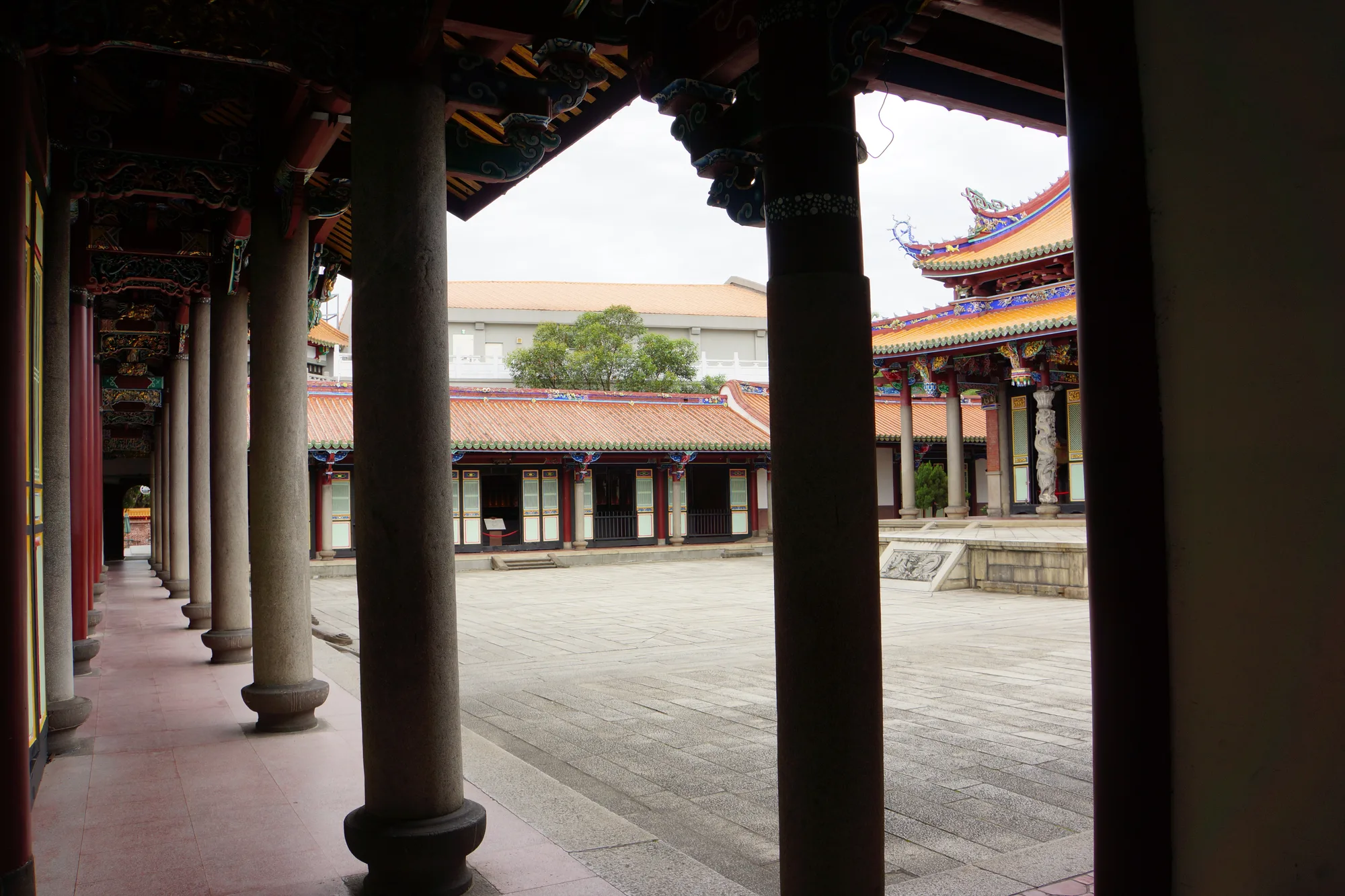
Pick one creative park for the afternoon—doing one well feels far better than rushing two. Huashan 1914 Creative Park, a converted 1910s winery near Zhongxiao Xinsheng, is the central, flexible choice, with rotating exhibitions, design shops, indie cinema, and cafés across atmospheric brick courtyards. Songshan Cultural & Creative Park, a former tobacco factory near City Hall, is the more spacious, design-museum-anchored alternative with elegant grounds, ideal for a late-afternoon-into-evening loop.
The grounds are generally free to wander while individual exhibitions are ticketed, so you can graze public spaces and design stores freely and pay only for shows that grab you (current exhibitions and prices are easy to confirm). If you want a contrast to the polished museum-and-park experience, add a short, optional stop at Treasure Hill Artist Village near Gongguan—a former hillside squatter settlement reborn as a warren of artist studios and installations, full of ‘found Taipei’ texture. Keep it to one main park, though; depth beats breadth.
Finish in a neighborhood that matches the day’s aesthetic. Zhongshan is the natural default: central, stylish, and full of relaxed restaurants, dessert spots, cafés, and quiet bars within easy walking distance, making it effortless to round off an art day with a good meal and a soft landing. It’s also where you likely started, so there’s no awkward cross-city trek at the end.
If you did the Songshan park in the afternoon, you can simply continue the evening there or nearby in the Dongqu (East District) area, which has plenty of dining. Either way, this is a low-commitment finish—the heart of the day is the art and design, and the evening is just a pleasant coda. A dessert or a nightcap, and you’re done.
Transit is light and centered on Zhongshan. MOCA Taipei is a short walk from Zhongshan station (Red and Green lines). Huashan sits at Zhongxiao Xinsheng (Blue and Orange lines), a quick hop away; Songshan C&C is near City Hall on the Blue line; and Treasure Hill is near Gongguan on the Green line. Most moves are a single line or one transfer, so you’ll spend the day looking at art, not riding trains.
Keep an EasyCard topped up for the hops, and remember the MRT’s no-eating-or-drinking rule inside the paid zone. Because MOCA and the central creative parks are close together, parts of the day are walkable, and strolling Zhongshan’s design-rich lanes between stops is part of the pleasure rather than dead time.
Contemporary art can feel opaque if you treat it like a checklist, and rewarding if you treat it like a conversation. Before you go, glance at the current exhibition descriptions so you have a thread to follow; once inside, give yourself permission to spend several minutes with a single piece rather than skimming everything. Reading one or two wall texts per room, rather than all of them, keeps you engaged without turning the visit into homework.
Pace is everything: a focused 90 minutes to two hours at MOCA, then a break, beats three exhausted hours. If a work doesn’t land, move on without guilt—not everything will speak to you, and that’s normal. Photography rules vary by exhibition, so check signage and respect no-photo requests. Most of all, let the building and the design objects in the shop be part of the experience; the art day is as much about atmosphere and looking closely as about any single masterpiece.
This is a flagship bad-weather plan. MOCA, the creative-park galleries, design shops, and cafés are nearly all indoor or covered, so rain and summer heat scarcely affect the day. On a wet day, favor the more enclosed Huashan over Songshan’s open grounds, skip or shorten the outdoor Treasure Hill stop, and let cafés absorb the heaviest downpours. A compact umbrella handles the short dashes between buildings.
In peak heat, the indoor-heavy structure keeps you comfortable through the hottest hours: museum and galleries by day, an evening stroll once it cools. The flexibility of free public spaces plus ticketed shows means you can always be somewhere air-conditioned and interesting, whatever the forecast. Stay hydrated and you’ll barely notice the weather.
Art and design lovers can easily build a second themed day. Pair this with a design-and-shopping day (creative parks plus Zhongshan boutiques), or go broader with a visit to the Taipei Fine Arts Museum near Yuanshan for modern and contemporary Taiwanese art, often combined with the surrounding Expo Park and the Taipei Story House. For a deeper historical-art counterpoint, the National Palace Museum offers world-class classical Chinese art—an entirely different register that complements a contemporary day nicely.
You can also fold in Taipei’s strong specialty-coffee scene and independent bookstores as connective tissue, turning the trip into a slow, aesthetic wander. The principle stays the same at any length: a museum or gallery plus a park or neighborhood per day, with real breaks, beats a frantic sweep through every art venue in the city.
This day suits contemporary-art and design lovers, aesthetically minded travelers, café people, and anyone wanting a stylish, low-stress day that holds up in any weather. It’s especially good on rainy or scorching days and for visitors who prefer engaging with a few works deeply over marching through a vast collection. Couples and friends who enjoy a slow, conversation-friendly pace will like it too.
It’s less ideal for travelers who want classic sights and history, for anyone indifferent to contemporary art (the experience leans modern and sometimes abstract), or for those wanting a fast, see-it-all day. If you’re unsure about contemporary art, swap MOCA for the more accessible Taipei Fine Arts Museum or weight the day toward the creative parks’ design shops. With kids, keep gallery time short and lean on the parks’ open, interactive spaces.
Eating well is easy on this route because the whole day is anchored in food-rich neighborhoods. Around Zhongshan and near MOCA you’ll find an excellent spread of cafés for the essential post-museum break, plus relaxed lunch spots for everything from noodles to brunch-style fare. Keep lunch light and unhurried so you stay sharp for the afternoon’s gallery-going—heavy meals and contemporary art are not a great pairing.
The creative parks themselves have good cafés and casual eateries, so you can refuel without leaving your afternoon anchor; Songshan in particular has stylish dining if you linger into the evening. For dinner, Zhongshan offers relaxed sit-down options and dessert within walking distance, while the East District near Songshan is dense with restaurants. As on any culture day, a mid-afternoon coffee or tea stop is both a pleasure and a pacing tool that keeps you engaged rather than fading.
Quick answers to common planning questions.
Official pages and references for planning details.
Hand-picked next reads to make your Taipei plan smoother.
A design-forward guide to Taipei’s contemporary side—MOCA, creative parks, modern museums, and the neighborhoods that make an art day feel effortless.
Read more →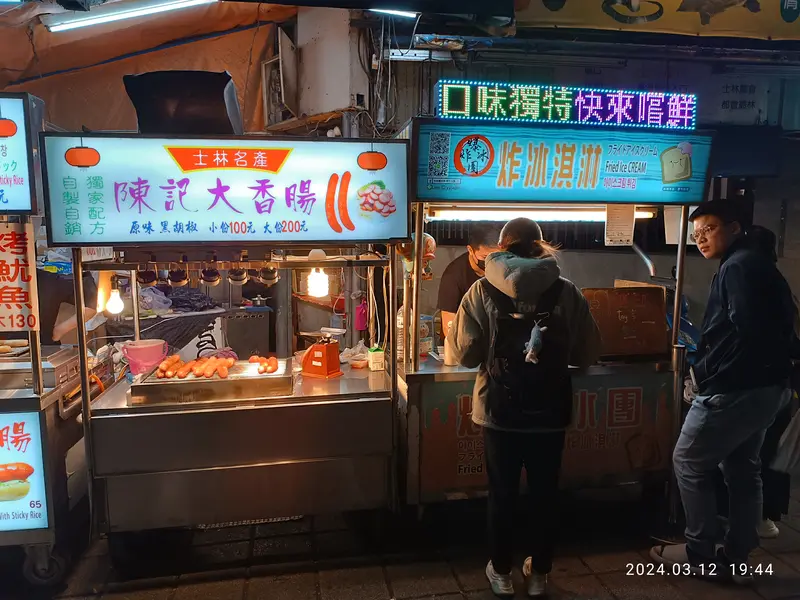
A rainy day in Taipei can be perfect—here’s how to plan a full, satisfying day without getting soaked or stuck in transit.
Read more →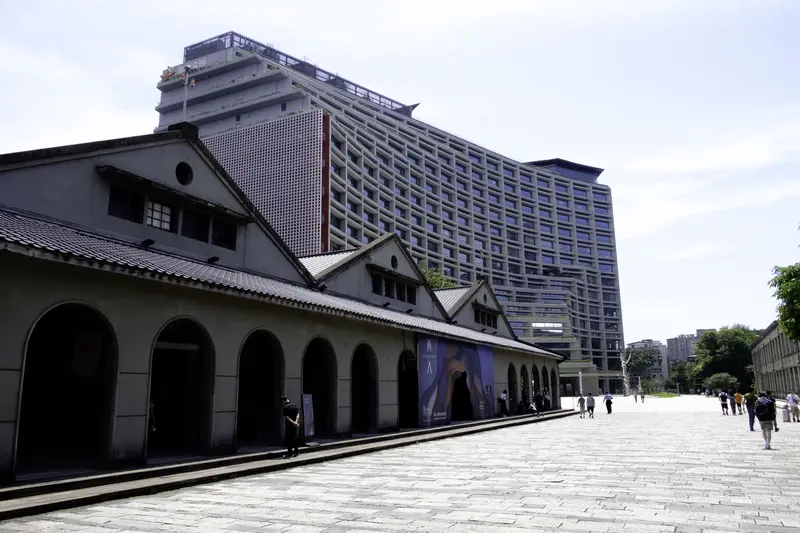
Taiwan’s first museum dedicated solely to contemporary art, in a 1921 former school building near MRT Zhongshan—perfect for a focused culture stop on rainy days or as part of a design-forward Datong/Zhongshan afternoon.
Read more →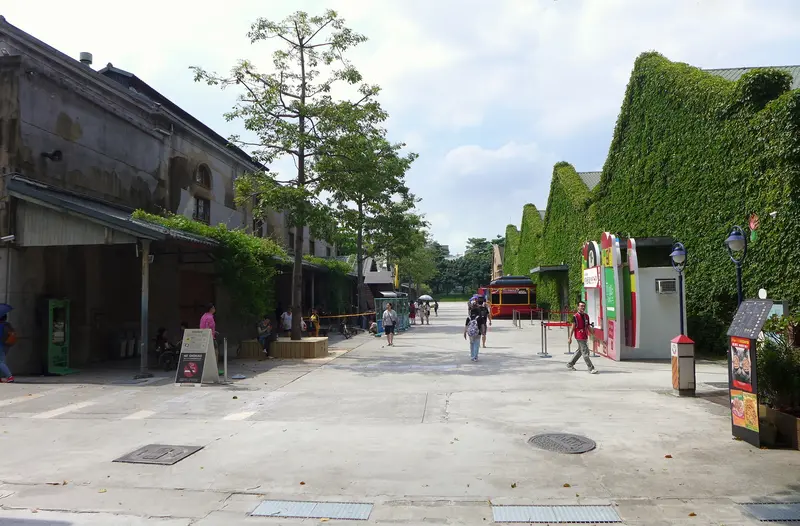
A former 1914 winery turned arts complex in Zhongzheng—preserved red-brick industrial buildings now packed with exhibitions, design shops, cafés, and markets, all a few minutes from the MRT.
Read more →Taiwan’s first cigarette factory, built in 1937, reborn as a design hub in 2011—preserved Japanese-era industrial architecture, an ecological pond, and rotating exhibitions, minutes from Raohe Night Market.
Read more →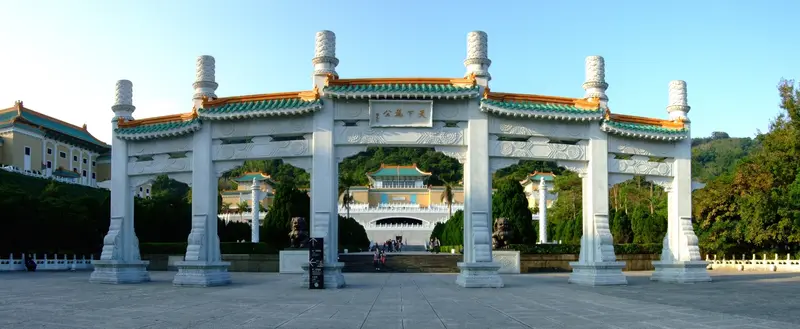
A unique cultural corner near Gongguan—a former hillside squatter settlement built by KMT military veterans, now an in-situ-preserved artist village beside the Xindian River. Best for slow walkers, photographers, and travelers who like ‘deep cut’ Taipei.
Read more →Start with a simple loop: one neighborhood stroll, one iconic sight, and one night market. Taipei rewards balance.
Tip: hours, prices, and seasonal schedules can change. When something matters (like a museum ticket or a special exhibition), check the official listing before you go.