
Getting around Taipei: MRT, buses, walking, and taxis
Taipei is one of Asia’s easiest cities to navigate. Here’s how to combine MRT + walking (and when buses or taxis actually help).
Read more →
You can travel Taipei without speaking Mandarin. These strategies keep things smooth: translation apps, polite phrases, and how to order confidently.
You can travel Taipei without speaking Mandarin. These strategies keep things smooth: translation apps, polite phrases, and how to order confidently.
Updated June 20, 2026
 Quick facts資訊Best time / forGood to knowBest forCore toolsMindsetBest trick
 Highlights亮點
Most travel communication is about intent: where you want to go, what you want to eat, and how to pay. In Taipei, you can do all of that with polite body language and a phone screen.
Prepare a little (save your hotel address, screenshot key notes) and you’ll feel confident fast.
These habits reduce friction more than memorizing phrases.
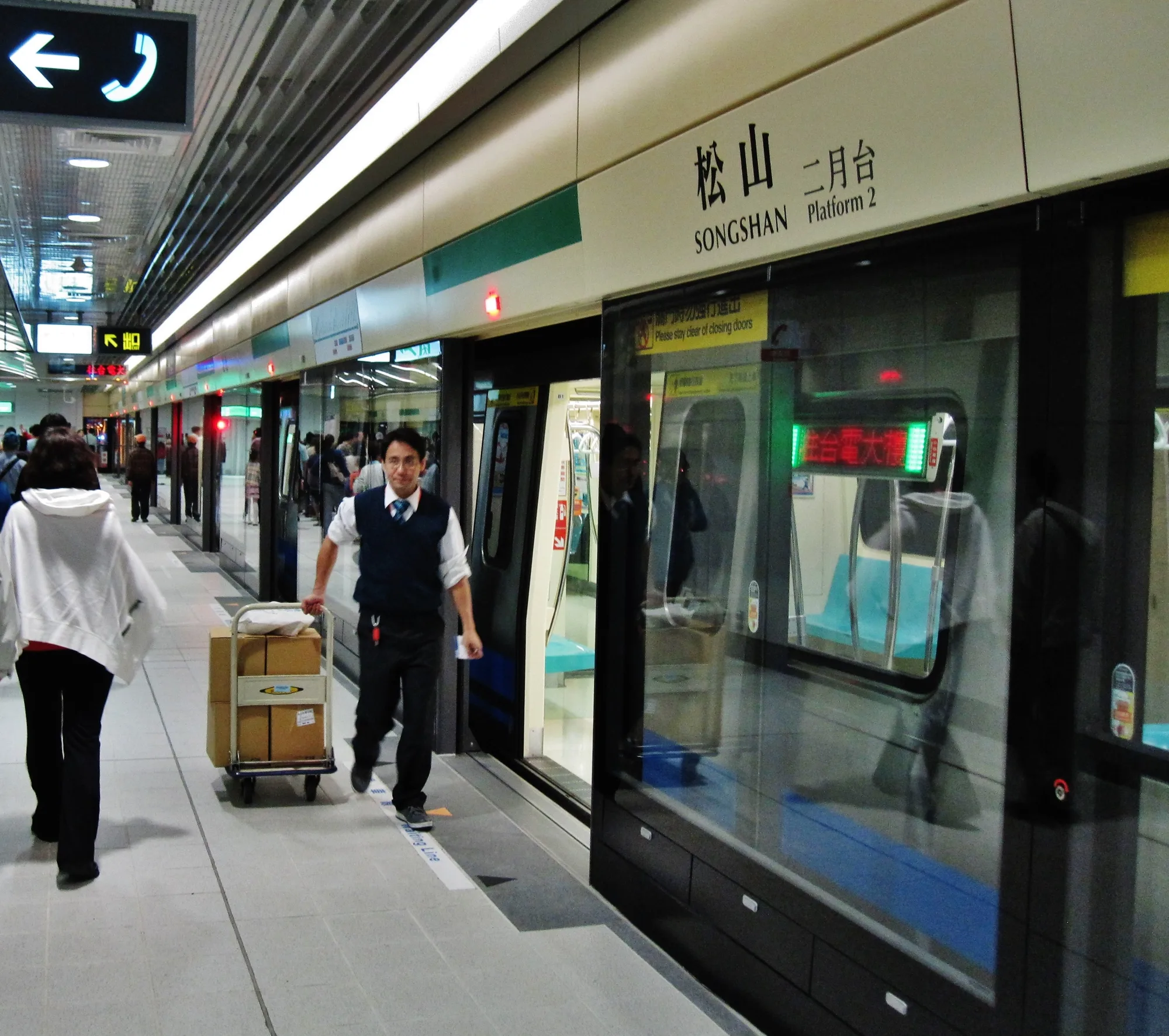
You don’t need a long phrase list. A handful of polite basics and a few food/ordering phrases cover most situations.
Pronunciation doesn’t need to be perfect. Calm delivery + a smile + pointing does most of the work.
Ordering becomes easy when you treat it like a three-step script: pick the item, choose dine-in/takeaway, then confirm quantity and payment.
If you’re stuck, point to a photo, point to the menu item, and show the number on your phone. That’s often all you need.
The main language in Taipei is Mandarin Chinese, and Taiwan writes with traditional Chinese characters (the fuller, classic forms rather than the simplified ones used in mainland China). You’ll also hear Taiwanese Hokkien, especially among older residents and in some neighborhoods, but Mandarin is what you’ll encounter most as a visitor. None of this is a barrier to a great trip—it’s just helpful context for what you’re seeing and hearing.
English is common in the places travelers spend the most time: MRT signage and announcements are bilingual, major attractions and larger hotels usually have English support, and many menus include English or pictures. It thins out at small family stalls and in residential areas, which is exactly where your phone earns its keep. A friendly attitude carries a lot of weight here—a smile, patience, and a willingness to point and gesture will get you remarkably far even with zero shared words.
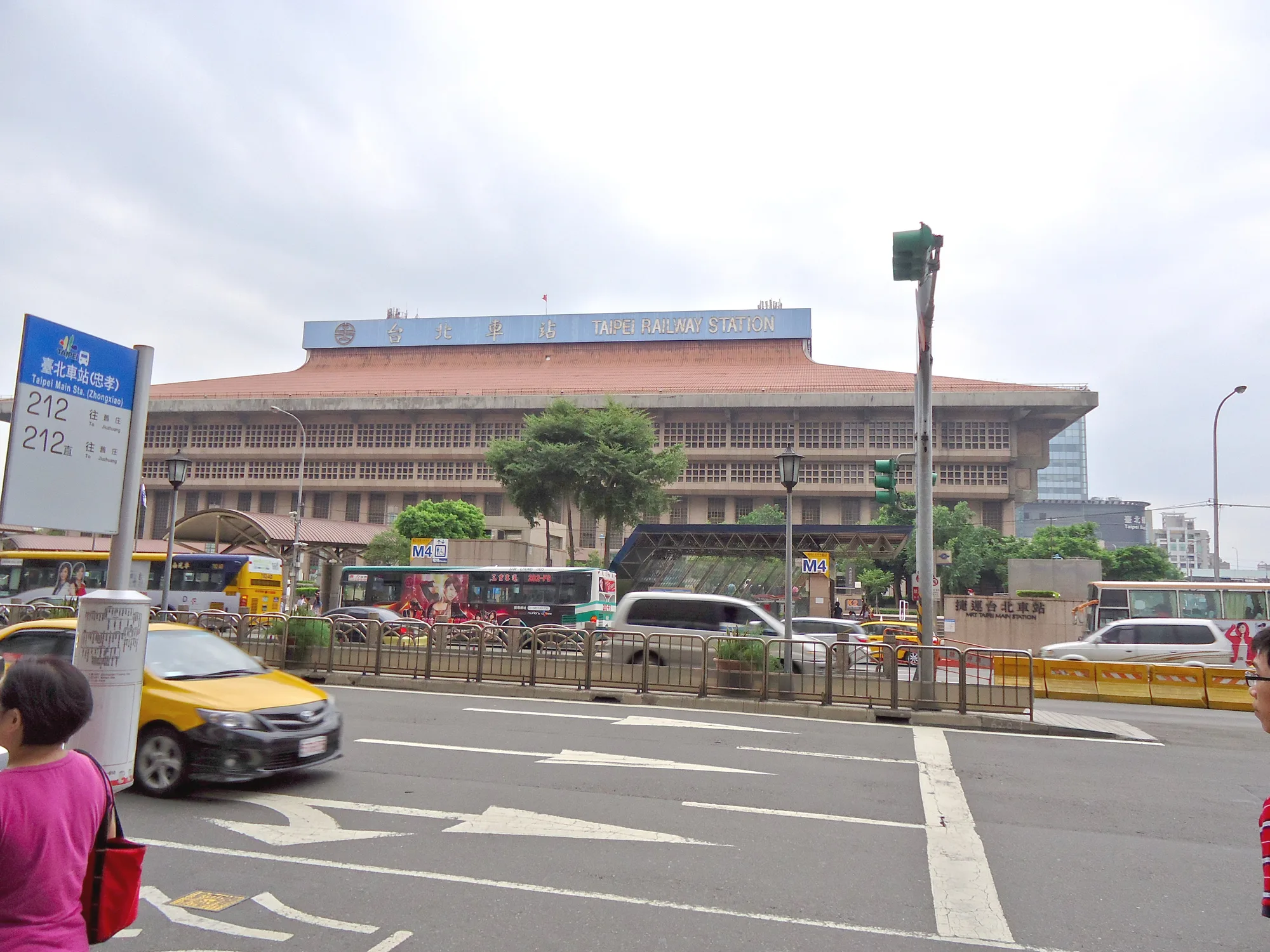
A translation app is the single most useful language tool in Taipei, but a few habits make it dramatically better. The camera (live-photo) mode is the star: point it at a menu, a sign, or a product label and it overlays a translation instantly, which turns an intimidating wall of characters into something you can actually order from. For back-and-forth with a person, the conversation or voice mode lets each side speak and read the reply—slow, clear sentences work best.
Download the offline language pack before you travel so the app still works when your signal drops underground or in a busy market. And lean on screenshots as a backup: save your hotel address, key reservations, and any tricky phrases as images so you can show them even when you’re tired, offline, or in a hurry. ‘Show, don’t explain’ is the whole game—pointing at a translated screen is faster and clearer than struggling through pronunciation.
The fastest way to communicate destinations is showing the address on your screen. Save your hotel’s address and any key places you’re visiting in both English and Chinese if possible.
Screenshots are the ultimate low-tech solution when you have low signal or you’re tired.
Quick answers to common planning questions.
Official pages and references for planning details.
Hand-picked next reads to make your Taipei plan smoother.
Taipei is one of Asia’s easiest cities to navigate. Here’s how to combine MRT + walking (and when buses or taxis actually help).
Read more →
A practical overview of staying connected in Taipei: what to do at the airport, how to keep maps working, and what to pack for backup.
Read more →
A first-timer-friendly overview of Taipei’s neighborhoods, iconic sights, food culture, and how to get around—plus a simple plan you can actually follow.
Read more →Start with a simple loop: one neighborhood stroll, one iconic sight, and one night market. Taipei rewards balance.
Tip: hours, prices, and seasonal schedules can change. When something matters (like a museum ticket or a special exhibition), check the official listing before you go.