Skip to content
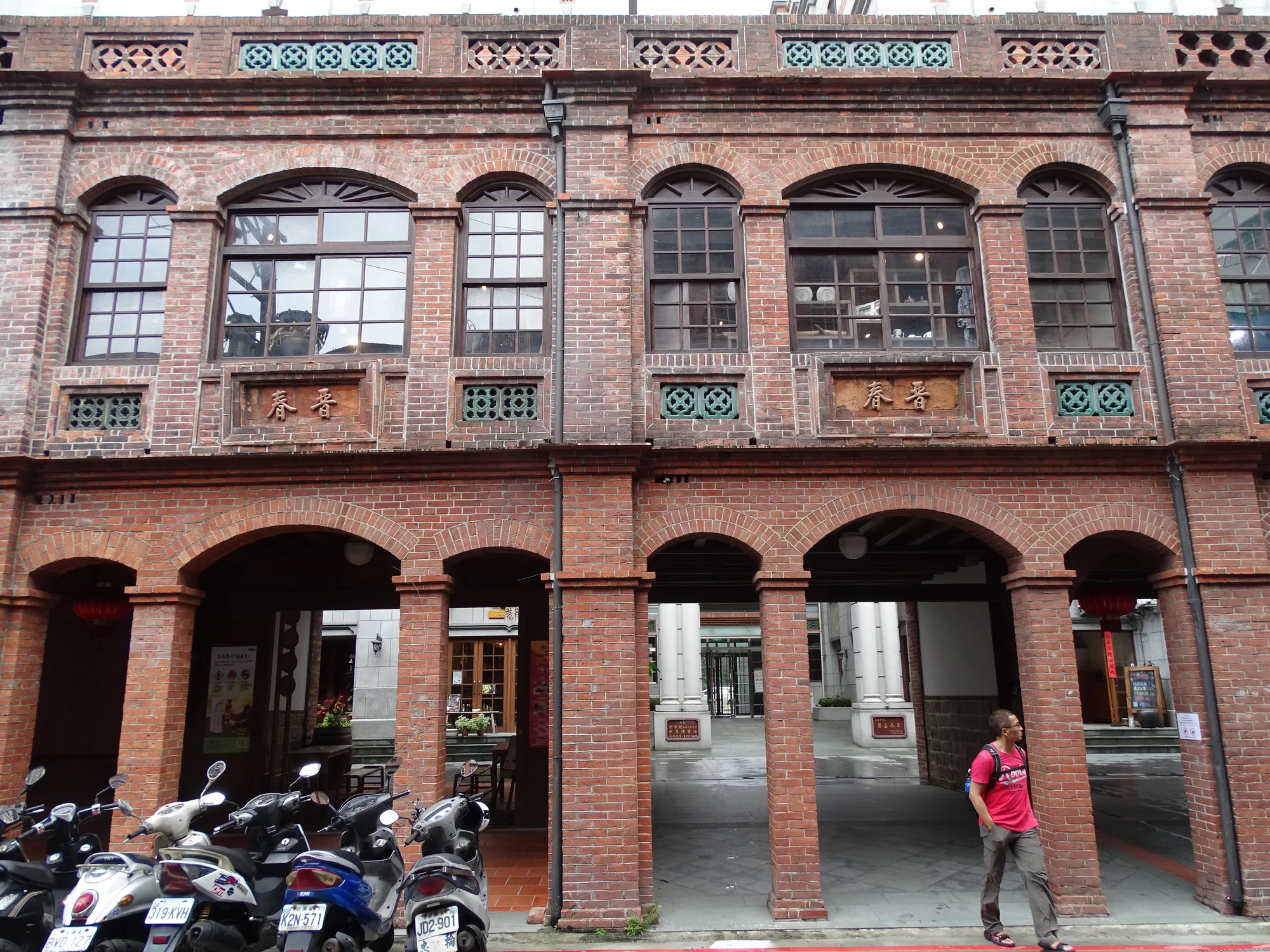
A historic red-brick shophouse facade with arched windows and a covered arcade on Dihua Street, Dadaocheng, Taipei
Taipei · 台北 · 25.03°N 121.56°E

Office of the President: an iconic Taipei landmark in the historic core

Taiwan’s Presidential Office Building — a 60-meter Japanese-era landmark from 1919 in Zhongzheng — opens free to visitors on weekday mornings and occasional holiday open-house days. A high-impact civic stop, easy to pair with the city gates, central museums, and a historic-core walking loop.

Adam Jones from Kelowna, BC, Canada · CC BY-SA 2.0

Taiwan’s Presidential Office Building — a 60-meter Japanese-era landmark from 1919 in Zhongzheng — opens free to visitors on weekday mornings and occasional holiday open-house days. A high-impact civic stop, easy to pair with the city gates, central museums, and a historic-core walking loop.

Updated June 20, 2026

Map

Visualize where this fits in your day (and plan nearby pairings).

Open full map →

Quick facts資訊

Cost
Free admission.
Hours
Interior open to individual visitors Monday–Friday, 9:00am–12:00pm, with entry required before 11:30am. Selected holiday open-house days run 9:00am–4:00pm. The exterior can be admired any time.
Time needed
20–60 minutes, longer if you join a guided tour.
Getting there
Gate No. 3, No. 122, Chongqing South Road Section 1, Zhongzheng District. Walkable from NTU Hospital Station (Exit 1, Red line) or Ximen Station (Exit 3, Blue/Green lines).
Best time / for
Weekday mornings for the interior visit; arrive before 11:00am to clear security comfortably before the 11:30am cutoff.
Good to know
Bring a photo ID (passport for foreign visitors) and register on arrival. Keep silence inside, and leave large backpacks, luggage, pets, and food behind. Groups of 15+ must reserve online at least three business days ahead. As a government site, schedules can change — confirm on the official site.
District
Zhongzheng
Best for
Landmark photos, historic-core walks, civic context
Nearest MRT
NTU Hospital or Ximen

Highlights亮點

  • One of the most recognizable civic buildings in Taipei, completed in 1919
  • Free weekday-morning interior visits (bring photo ID)
  • Easy to pair with North Gate, East Gate, and central museums
  • Periodic holiday open-house days run longer hours

What it is

The Presidential Office Building is the formal seat of Taiwan’s president and one of Taipei’s defining landmarks. Designed by Japanese architect Uheiji Nagano and completed on March 31, 1919 (construction began in 1912), it was built as the Office of the Governor-General during the Japanese colonial period.

The building blends Renaissance, Baroque, and neoclassical elements, with a 130-meter-wide façade and a central tower rising about 60 meters. Bombed during the May 1945 Raid on Taipei, it was reconstructed between 1947 and 1948 and became the Presidential Office in 1950.

Visiting inside

You can visit the interior for free on weekday mornings without a reservation — just queue, pass security with photo ID, and register. Weekday entry is 9:00am to 12:00pm, with last admission at 11:30am.

Several times a year the building holds holiday open-house days with extended hours (9:00am–4:00pm). These are popular and a good chance to see more of the building if your trip lines up with one.

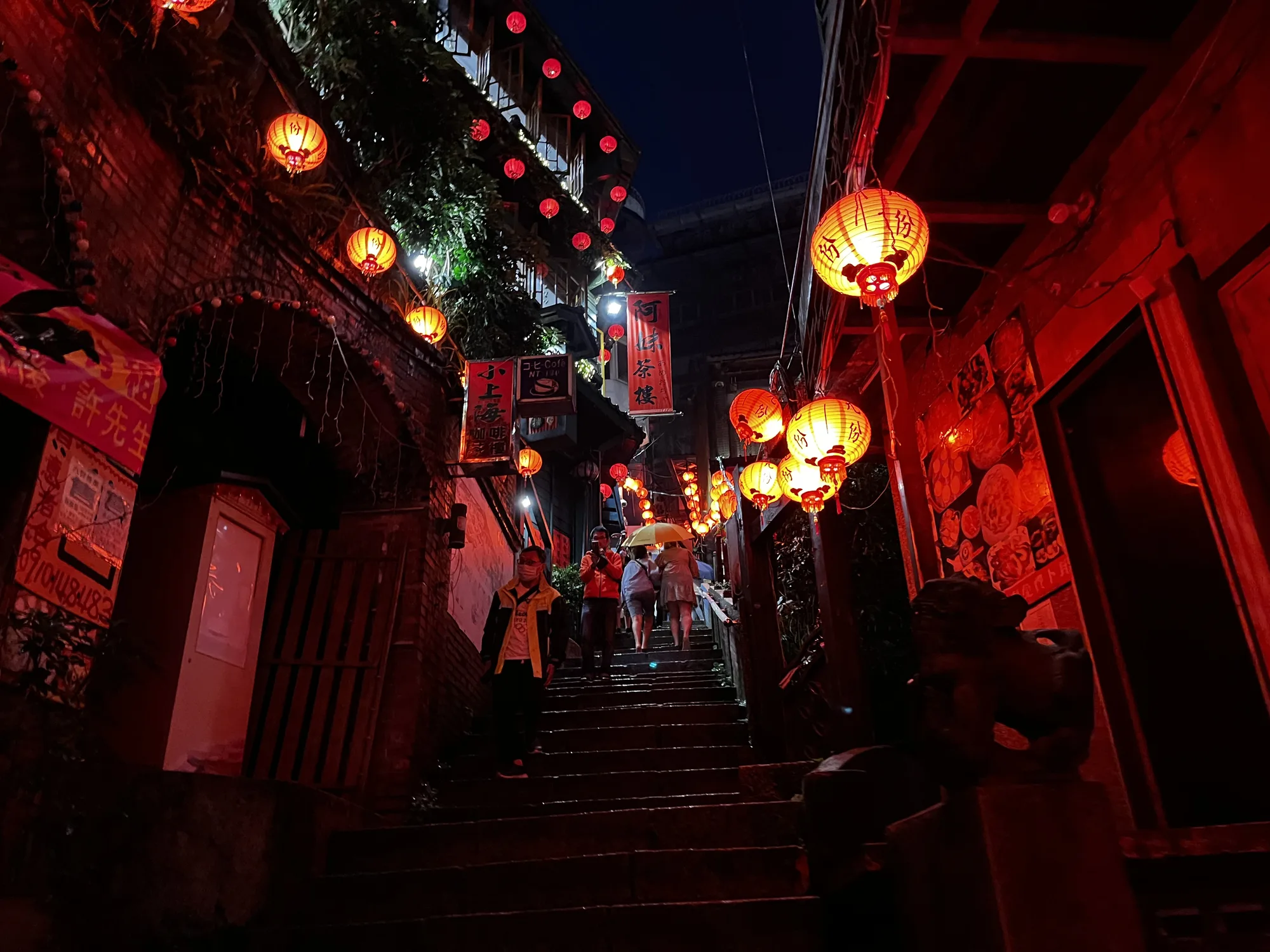
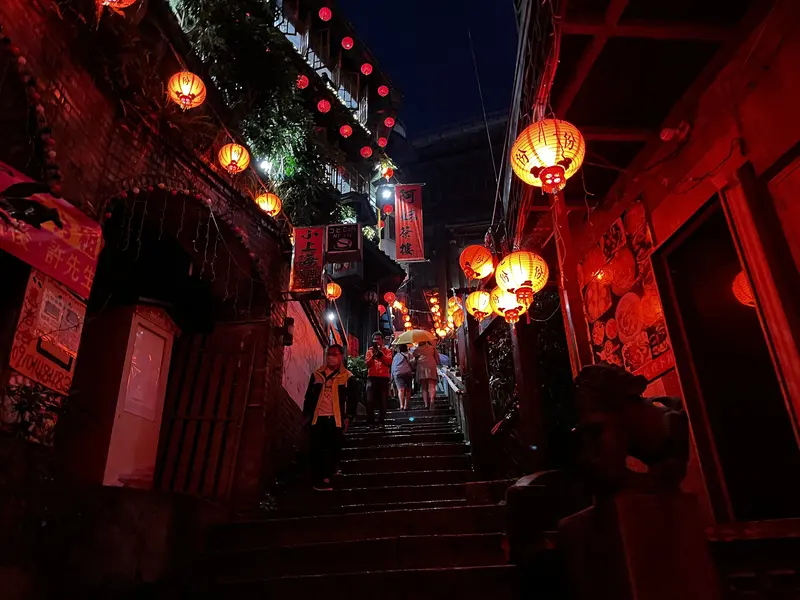
The red-lantern stairway of Jiufen old street glowing at night, lanterns lining the narrow alley as people climb the steps
Photo: Sunkenbean · CC BY-SA 4.0 · Wikimedia Commons

Why go

This is a big Taipei landmark: formal, central, and easy to include without breaking your day plan. Even as an exterior photo stop, it adds a strong sense of place to a historic-core loop.

The simplest way to enjoy it is to keep expectations realistic. Go for the landmark feeling and the architecture, then move on to a museum, a park, or a street-culture neighborhood for contrast.

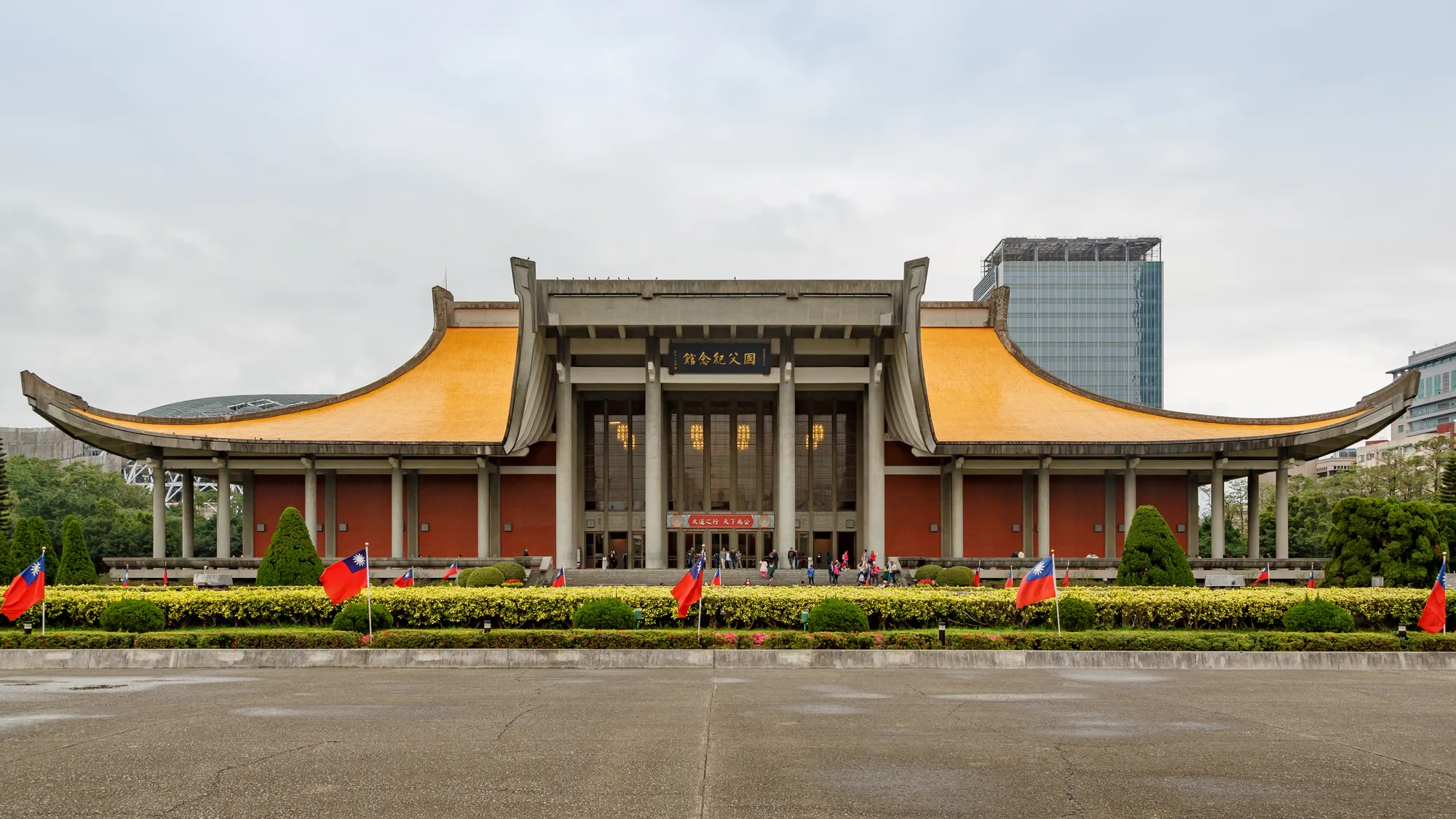
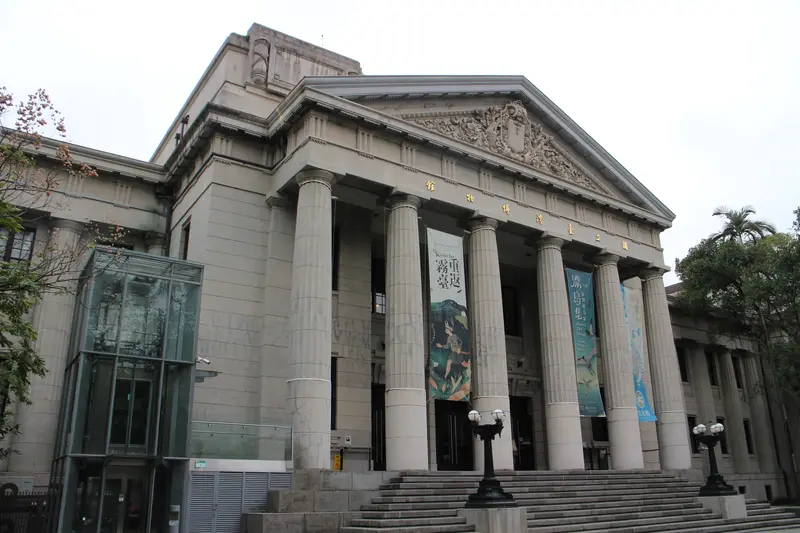
The Sun Yat-sen Memorial Hall in Taipei with its sweeping upturned yellow curved roof and red columns
Photo: CEphoto, Uwe Aranas · CC BY-SA 3.0 · Wikimedia Commons

Reading the building and its history

Part of what makes a visit rewarding is recognising the layers of history written into the structure. It was built to house the Japanese Governor-General, the seat of colonial power on Taiwan for half a century, before being bombed near the end of the Second World War, rebuilt, and repurposed as the seat of the Republic of China’s presidency. Few buildings in the city carry that arc of rule and reinvention so visibly, and knowing it turns a quick photo into a genuine encounter with Taiwan’s twentieth century.

Architecturally, it rewards a slow look from the front plaza. The symmetrical red-and-white façade, the rhythm of arched windows, and the central tower were designed to impress, and the building is deliberately oriented to face the rising sun to the east — a detail meant to project authority and renewal. Even if you don’t go inside, lining up the tower against the broad Ketagalan Boulevard gives you the landmark’s full ceremonial sweep.

How to fit it into a real day

Don’t build an entire day around one building. Use it as a civic anchor, then connect it to one historic landmark and one comfort stop such as a museum or café.

  • Office of the President → East Gate (Jingfumen) → 228 Peace Memorial Park
  • Office of the President → North Gate → Railway Department Park → Dadaocheng tea browsing
  • Office of the President → Liberty Square area → Zhongshan dinner

FAQ 常見問題

Quick answers to common planning questions.

What’s nearby to combine it with?
It sits squarely in the historic core, so within a short walk you can reach the East Gate, the National Taiwan Museum, 228 Peace Memorial Park, and Chiang Kai-shek Memorial Hall’s Liberty Square. Treat the Office as one civic anchor on a wider Zhongzheng walking loop rather than a standalone trip.
Can I go inside, and does it cost anything?
Yes — interior visits are free. Individual visitors can come Monday to Friday, 9:00am–12:00pm (enter by 11:30am) with no reservation. Just bring photo ID and register at security.
What do I need to bring?
A photo ID (passport for foreign visitors). Leave large bags, luggage, pets, and food behind, and keep silence inside the building.
Are there special open days?
Yes. The Office holds occasional holiday open-house days with longer 9:00am–4:00pm hours on selected Saturdays and January 1. The current year’s dates are easy to find on the official site if you want to plan around one.
How do I get there?
The visitor entrance is Gate No. 3 on Chongqing South Road Section 1, Zhongzheng District. It’s walkable from NTU Hospital Station (Red line) or Ximen Station (Blue/Green lines).

Keep exploring 繼續逛

Hand-picked next reads to make your Taipei plan smoother.

Zhongzheng: monuments, museums, and classic civic Taipei

Zhongzheng: monuments, museums, and classic civic Taipei

A central district for big cultural landmarks and museum-style sightseeing—ideal for your ‘classic Taipei’ day. Home to the CKS Memorial Hall, Liberty Square, and the city’s great national museums, it’s where Taipei tells its public story.

Read more →
Taipei Main Station area: transit hub, city edges, and practical Taipei

Taipei Main Station area: transit hub, city edges, and practical Taipei

Not a ‘romantic’ neighborhood, but incredibly useful: the city’s central transit nerve center, easy day-trip logistics, and a fast way to move between districts. Understanding it makes the rest of your trip run smoother.

Read more →
North Gate (Beimen): a historic Taipei city gate near the main station

North Gate (Beimen): a historic Taipei city gate near the main station

Officially Cheng’en Gate, this 1884 Qing-dynasty blockhouse is the only one of Taipei’s old city gates surviving in its original form—a compact but high-impact landmark on an ‘old city’ walking loop near Taipei Main Station.

Read more →
Taipei East Gate (Jingfumen): a city-wall landmark in the historic core

Taipei East Gate (Jingfumen): a city-wall landmark in the historic core

Built in 1884 as one of five gates in Taipei’s Qing-dynasty city wall, Jingfumen (景福門) is the grandest survivor — though a 1966 “beautification” remodel gave it today’s northern-Chinese palace look. It stands on a traffic island where Zhongshan South Road meets Ketagalan Boulevard, an easy free stop in the historic core.

Read more →
National Taiwan Museum: Taiwan’s oldest museum, at the old city core

National Taiwan Museum: Taiwan’s oldest museum, at the old city core

Established in 1908, the National Taiwan Museum is the oldest museum in Taiwan and the only Japanese-colonial-era museum still on its original site—a white Greek/Roman-revival building with a Roman dome at the north end of 228 Peace Memorial Park. With collections in Taiwan’s anthropology, geology, zoology, and botany, it’s an inexpensive, atmospheric ‘context’ stop for first-timers.

Read more →
National 228 Memorial Museum: essential modern-history context in a 1931 landmark

National 228 Memorial Museum: essential modern-history context in a 1931 landmark

Housed in the elegant 1931 former Taiwan Education Hall on Nanhai Road, this free national museum commemorates the February 28 (228) Incident of 1947 and Taiwan’s path toward democracy and human rights — a thoughtful, context-building stop best paired with a slower Zhongzheng day.

Read more →

Ready to plan your next stop? 下一站

Start with a simple loop: one neighborhood stroll, one iconic sight, and one night market. Taipei rewards balance.

Tip: hours, prices, and seasonal schedules can change. When something matters (like a museum ticket or a special exhibition), check the official listing before you go.