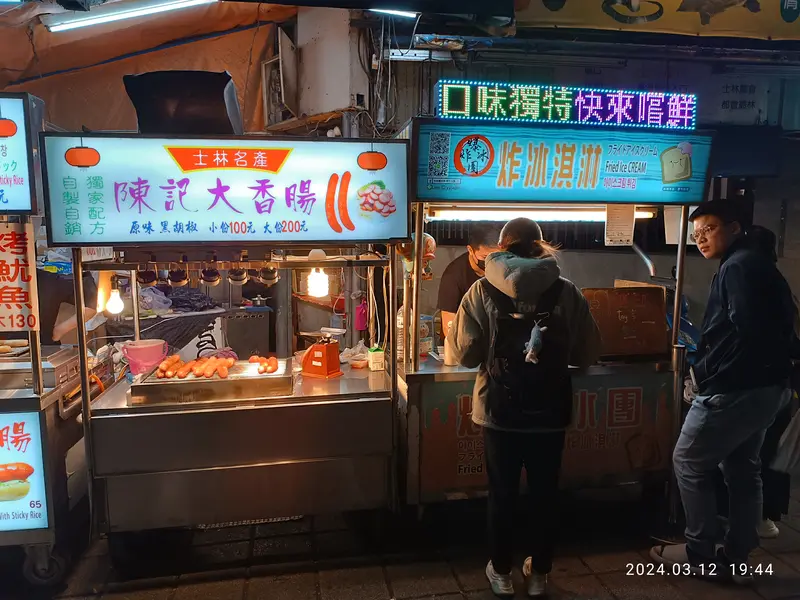
Rainy day Taipei: museums, markets, tea, and cozy food
A rainy day in Taipei can be perfect—here’s how to plan a full, satisfying day without getting soaked or stuck in transit.
Read more →
A Taipei comfort classic: aromatic broth, tender beef, chewy noodles. Learn the styles, how to customize, and how to make it part of a perfect food day.
A Taipei comfort classic: aromatic broth, tender beef, chewy noodles. Learn the styles, how to customize, and how to make it part of a perfect food day.
Updated June 20, 2026
 Quick facts資訊Time neededBest time / forGood to knowBest forPro tip
 Highlights亮點
Beef noodle soup (牛肉麵, niúròu miàn) is a full-spectrum comfort bowl: a deeply aromatic broth, tender chunks of slow-braised beef, and chewy wheat noodles. The best versions manage depth and clarity at the same time—rich, beefy aroma without heaviness or grease.
It’s widely treated as something close to a national dish, and Taipei takes it seriously enough to hold an annual beef noodle festival. You’ll find it everywhere from tiny family shops to long-running specialists, each with its own broth recipe and loyal regulars.
The dish is usually believed to have developed in postwar Taiwan, often associated with mainland military families who settled here, blending braising techniques (including the spicy, bean-paste-driven flavors of Sichuan cooking) with local ingredients. Today it’s entirely, distinctly Taiwanese.
Before you order, it helps to know the two big camps. Most shops specialize in one, and which you prefer is largely a matter of taste—it’s worth trying both across different days.

Most shops keep it simple. You’ll usually choose a size, sometimes a noodle thickness, and occasionally a beef cut. A common upgrade is a bowl that adds soft, gelatinous beef tendon (牛筋) or tripe alongside the meat—worth trying if you like richer textures.
Many shops also offer a “dry” version (without the soup, the noodles and beef tossed in sauce) and serve the broth on the side. If there are condiment stations, start mild and adjust as you go.
Taste the broth first, before adding anything, so you know what the cook intended. Then customize. The pickled greens are the single best move most travelers miss: their sourness resets your palate between bites and balances the fatty richness of the beef.
Use chopsticks for the noodles and beef, and the spoon for broth. There’s no need to rush—but do eat while it’s hot, because the noodles keep softening in the bowl.
A bowl of beef noodle soup is perfect on a rainy day, after a long museum visit, or before a night-market evening. It’s also one of the best “late lunch” meals in Taipei—filling enough to power an afternoon of walking, satisfying enough to feel like a proper sit-down meal.
Because it’s hearty, keep the rest of that meal light. One bowl with a small cold side is usually plenty.

Beef noodle soup is everywhere in Taipei, from hole-in-the-wall family shops to long-established specialists with decades of regulars and lines out the door. There’s no single neighborhood that owns it, but the city even runs an annual beef noodle festival that crowns standout shops—proof of how seriously locals take the question of who makes the best bowl.
When choosing, look for a shop that specializes (a short menu built around the soup is a good sign) and has steady turnover, which means fresh broth and noodles. The tell-tale signs of a great bowl are clear: tender beef that pulls apart easily, noodles with genuine bite, and a broth that smells deeply aromatic rather than just salty. If a place has free pickled greens on every table and a queue of locals, you’re probably in good hands.
Classic beef noodle soup is, by definition, built on beef and beef-bone broth, so it isn’t vegetarian. Some dedicated vegetarian restaurants serve a meatless “beef” noodle soup using mushrooms, gluten, or soy protein and a vegetable broth, which can be excellent in its own right.
If you avoid beef but eat other meat, look for pork or chicken noodle soups, which many shops also offer. And if you’re spice-sensitive, choose the clear-stewed broth and add chili separately so you control the heat.
Quick answers to common planning questions.
Hand-picked next reads to make your Taipei plan smoother.
A rainy day in Taipei can be perfect—here’s how to plan a full, satisfying day without getting soaked or stuck in transit.
Read more →
A dreamy dessert of fluffy shaved ice (often “snow ice”), ripe mango, and creamy accents—best enjoyed slowly on a hot afternoon or as a cool-down after a night market.
Read more →
Bubble tea is a modern Taipei ritual. Learn sweetness and ice levels, topping choices, and how to drink beyond the sugar rush.
Read more →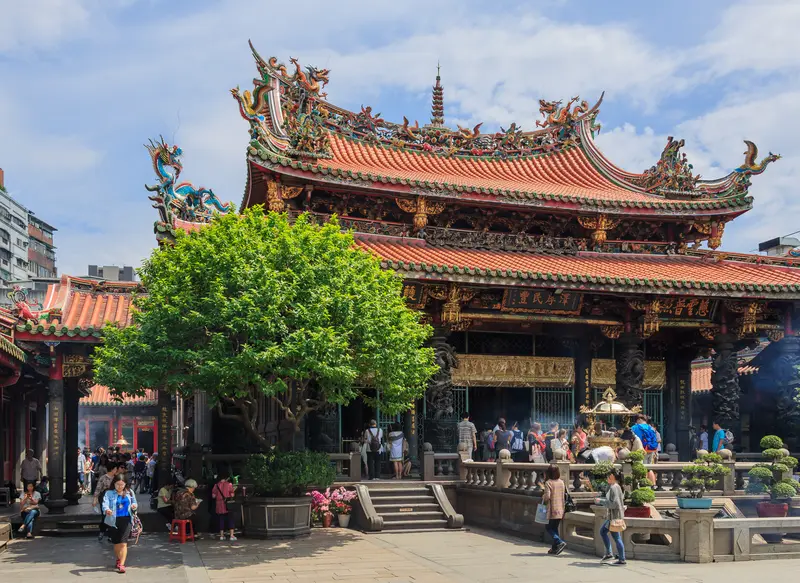
A rainy-day itinerary that stays cozy and productive: creative park exhibitions, tea breaks, a comfort-food mission, and an optional hot-spring finish.
Read more →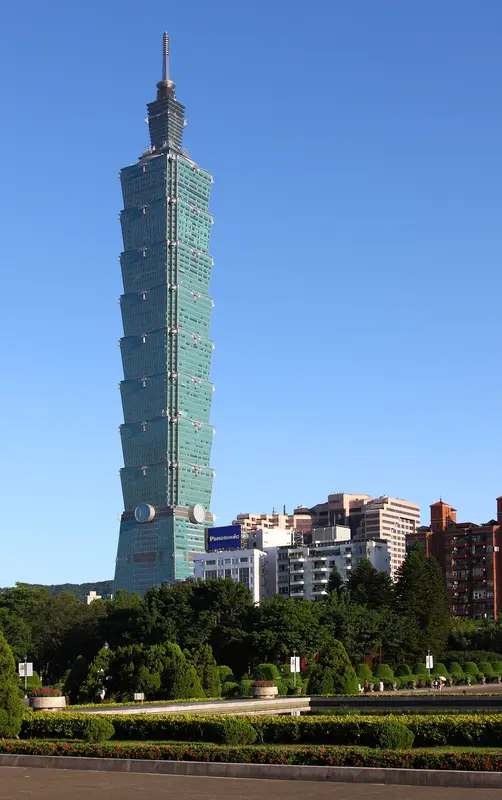
A three-day plan that goes beyond icons: museum depth, heritage streets, tea culture, and multiple neighborhood vibes with built-in breathing room.
Read more →Start with a simple loop: one neighborhood stroll, one iconic sight, and one night market. Taipei rewards balance.
Tip: hours, prices, and seasonal schedules can change. When something matters (like a museum ticket or a special exhibition), check the official listing before you go.