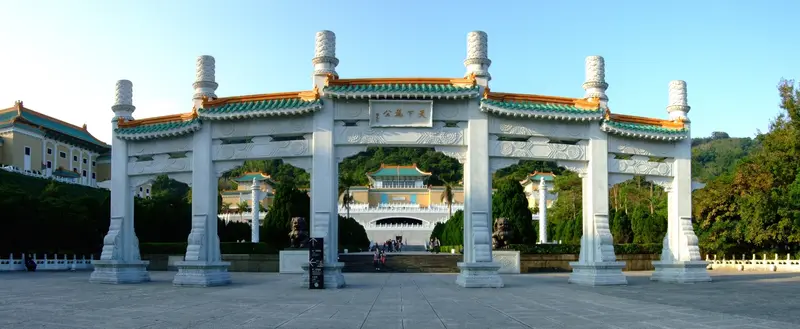
National Palace Museum: a world-class collection (without museum burnout)
One of Taipei’s top cultural stops—known for an extraordinary collection of Chinese imperial art and artifacts. Best visited with a focused plan.
Read more →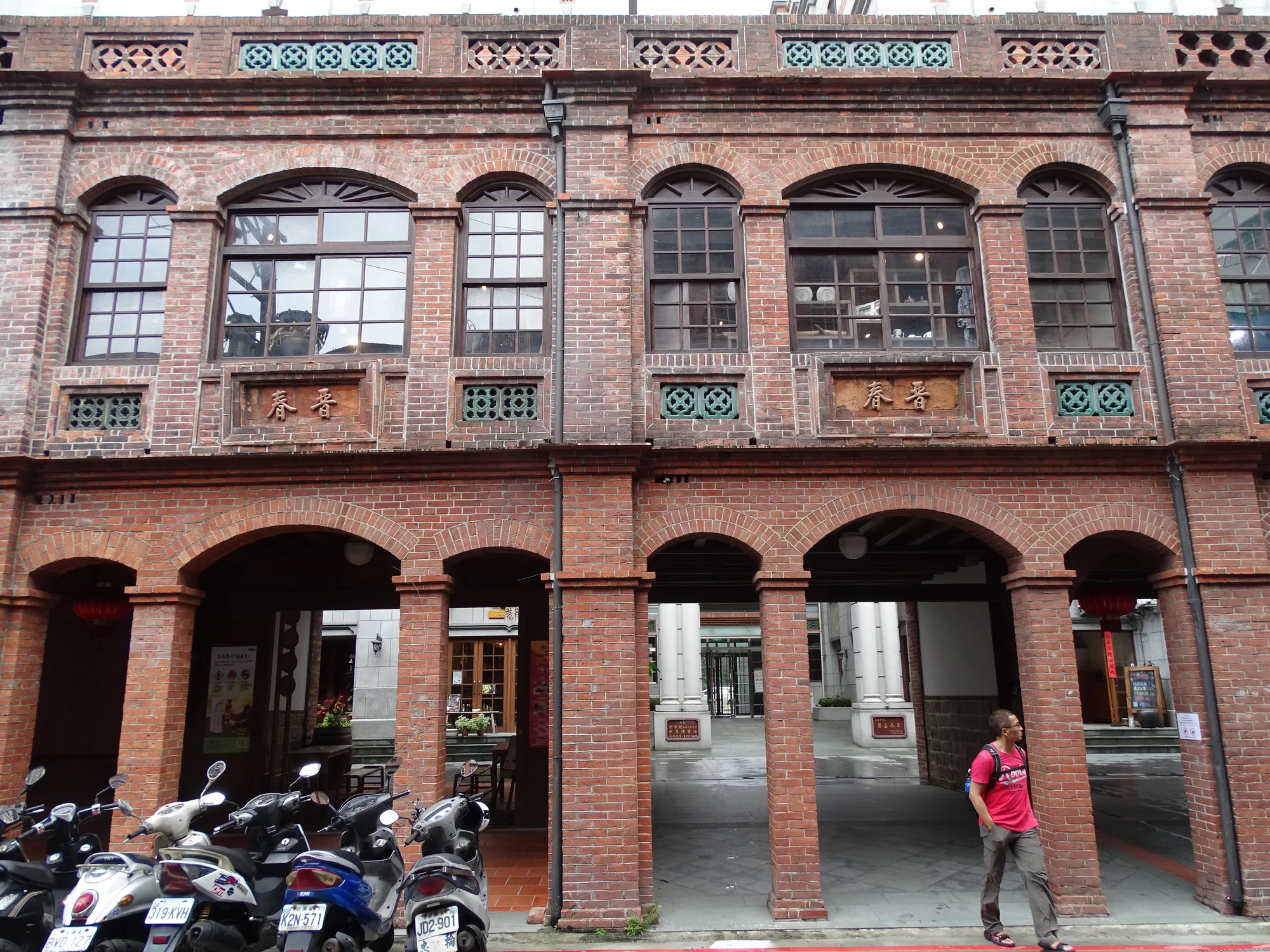
A three-day plan that goes beyond icons: museum depth, heritage streets, tea culture, and multiple neighborhood vibes with built-in breathing room.
A three-day plan that goes beyond icons: museum depth, heritage streets, tea culture, and multiple neighborhood vibes with built-in breathing room.
Updated June 20, 2026
 Quick facts資訊Time neededGetting thereBest time / forGood to knowBest forPaceCore ideaBest upgrade
 Highlights亮點
Three days is the sweet spot for Taipei: enough time for icons, enough time for texture, and enough time to build a rhythm instead of a checklist.
This plan uses a simple structure: one primary anchor per day (landmark, museum, or day vibe) plus one slow neighborhood. That’s how Taipei stays fun instead of frantic.
Day 1 is about establishing your Taipei baseline: a big civic landmark, an older district with real texture, then a night market to end the day with energy.
Keep the afternoon flexible. If you over-schedule Day 1, you’ll feel it on Day 2.
Choose one major museum and do it well. The goal is to actually look, not to “complete” galleries. After that, shift into a neighborhood that feels like everyday Taipei: Zhongshan for design-y wandering or Daan for parks and calm.
If it’s hot or rainy, this is the day to lean indoor and let the city work for you.
Spend the morning in Dadaocheng (Dihua Street), then choose Maokong for tea culture or Beitou for hot springs. This is the “slow luxury” day: fewer icons, more mood.
End with a final great meal and a sweet finish. Repeating a favorite from earlier in the trip is a surprisingly satisfying ending.

Taipei is a food city, but the best way to enjoy it is to set one intentional “food mission” per day—then let the rest happen naturally. This prevents the trip from turning into nonstop eating (which is fun until it isn’t).
Three days is the point where Taipei stops feeling like a checklist and starts feeling like a place you’re getting to know. The way to keep that feeling is to alternate intensity rather than running flat-out. Day 1 is energetic (icons, walking, a market), Day 2 is focused but indoor-heavy (a museum plus a stylish neighborhood), and Day 3 is deliberately slow (heritage streets and a nature reset). That rhythm—busy, focused, slow—lets your legs recover and your attention stay fresh.
Resist the urge to add a second major attraction to any single day. One anchor plus one slow neighborhood is the formula, and it works precisely because it leaves white space. The travelers who enjoy Taipei most are the ones who let a tea house, a temple courtyard, or a side lane stretch out a little longer than planned. If you find yourself consistently ahead of schedule, that’s a feature—use it to sit, not to cram in another stop.
Build in at least one café or tea break every half-day. Taipei’s café and tea culture is genuinely good and is the cheapest pacing tool you have: it gets you off your feet, out of the heat or rain, and resets your appetite before the next meal. A three-day trip with six relaxed breaks baked in feels longer and more generous than the same three days run at a sprint.
Almost everything connects on the MRT, which is what keeps a three-day plan low-stress. Day 1 leans on the Red and Blue lines (CKS Memorial Hall, Longshan Temple, Xinyi). Day 2’s museum sits in Shilin on the Red line, but note the National Palace Museum is uphill from the station, so you’ll add a short city bus or taxi for the last stretch—factor that in both directions. Day 3’s Dadaocheng morning is a short walk from Beimen (Green) or a ride to Daqiaotou (Orange).
Your Day 3 reset sets the longest ride of the trip. Beitou is a clean run up the Red line with a transfer to the two-stop Xinbeitou branch. Maokong means the Red line down to the Brown line, out to Taipei Zoo, then the gondola up into the hills—more total travel, so start earlier if you choose it. Both pay off, but only one fits comfortably if you also want a leisurely Dihua Street morning, so decide which matters more.
Keep an EasyCard topped up and you’ll rarely touch a ticket machine. For the few non-MRT legs (the museum bus, a taxi up to a tea house in Maokong), the same card or a ride-hailing app handles it. When a stop has volatile hours—the museum’s late nights, the gondola’s weather closures—check the official page the night before so a closed door never derails a day.
If a day gets cut, drop Day 2’s museum before you drop anything else—it’s the most time-intensive and least flexible piece. A two-day version is simply Day 1 plus Day 3 (icons and a market, then heritage and a reset), which still covers the city’s emotional range. If you gain a day, the natural addition is a day trip on the new fourth day: Jiufen, the north coast, or the Pingxi rail line all slot in cleanly and give your trip a memorable contrast.
For travelers who specifically want depth over breadth, you can also turn this into a slower three days by spending a full afternoon in a single neighborhood—Daan’s park and cafés, or Dadaocheng’s lanes—rather than chasing a second anchor. The structure is forgiving; the only rule that really matters is one major thing per day.
This plan is unusually weather-resilient because two of its three anchors are flexible. If rain hits on the museum day, you’re already indoors—lean into the National Palace Museum and extend it slightly, then choose a covered neighborhood evening in Zhongshan. If rain hits on the reset day, swap Maokong for Beitou: hot springs turn a wet afternoon into the best part of the trip rather than a washout, and the indoor Hot Spring Museum gives you a dry cultural stop nearby.
Summer heat calls for the opposite adjustment—front-load outdoor stops into the cool of the morning and retreat indoors at midday. Do Longshan Temple and Dadaocheng browsing early, take a long air-conditioned lunch or museum break during the hottest hours, and save the night market and any skyline walking for after sunset when the city cools. Tea houses and creative parks double as heat shelters, so a mid-afternoon tea break isn’t just pleasant, it’s strategic.
Three days suits first-time visitors who want more than a highlight reel—people who’d rather understand a place than tick boxes. It’s ideal for travelers who enjoy a museum and a tea house as much as a skyline, for couples wanting a mix of energy and calm, and for repeat visitors filling in the cultural depth they skipped on a first, faster trip. The built-in breaks make it comfortable across a wide range of fitness and ages.
It’s less ideal if you’re a pure thrill-seeker or you want to maximize day trips—three days here keep you mostly in the city by design. If day trips are your priority, treat this as the city portion of a longer trip and append dedicated day-trip days. Families can absolutely use it, but should soften the museum day (shorter, more interactive) and prefer the Maokong gondola over a long Beitou soak.
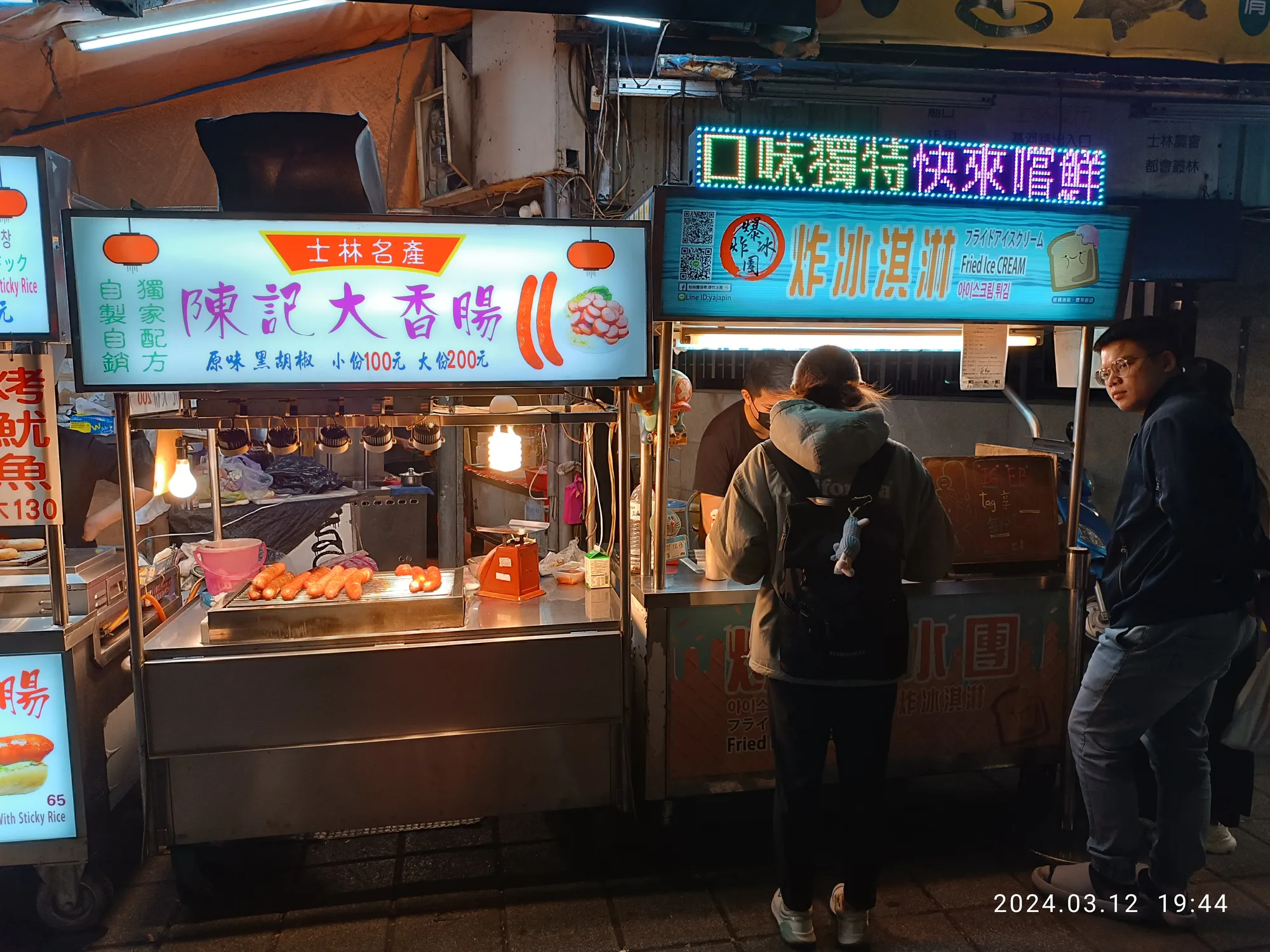
Over three days you have room for one big night market and one or two calmer dinner neighborhoods, which is the ideal balance. For the marquee market night, Raohe rewards a focused, food-first crawl in a compact strip, while Shilin offers more sprawl and variety for groups who like to wander. You don’t need a market every evening—doing one well and then having relaxed sit-down dinners on the other nights actually makes the trip feel more rounded.
For the calmer evenings, Zhongshan is the easy default: central, stylish, and full of cafés, dessert spots, and dinner options a short walk apart. Daan is the quieter, park-adjacent alternative for travelers who want a slower mood, and it pairs naturally with the slow-neighborhood ethos of Day 3. If you based yourself in either area, you can finish a tiring day with a great meal close to your hotel and count it as a win—no extra transit required.
Quick answers to common planning questions.
Official pages and references for planning details.
Hand-picked next reads to make your Taipei plan smoother.
One of Taipei’s top cultural stops—known for an extraordinary collection of Chinese imperial art and artifacts. Best visited with a focused plan.
Read more →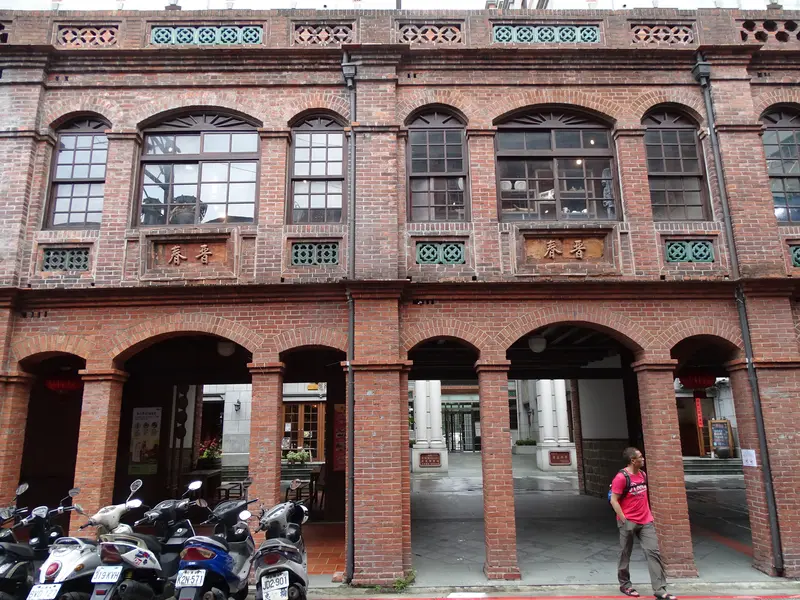
Taipei’s oldest street, with shops dating back to around 1851—a fragrant warren of tea, herbal medicine, fabric, and dried goods set among Qing-dynasty shophouses and colonial Baroque facades.
Read more →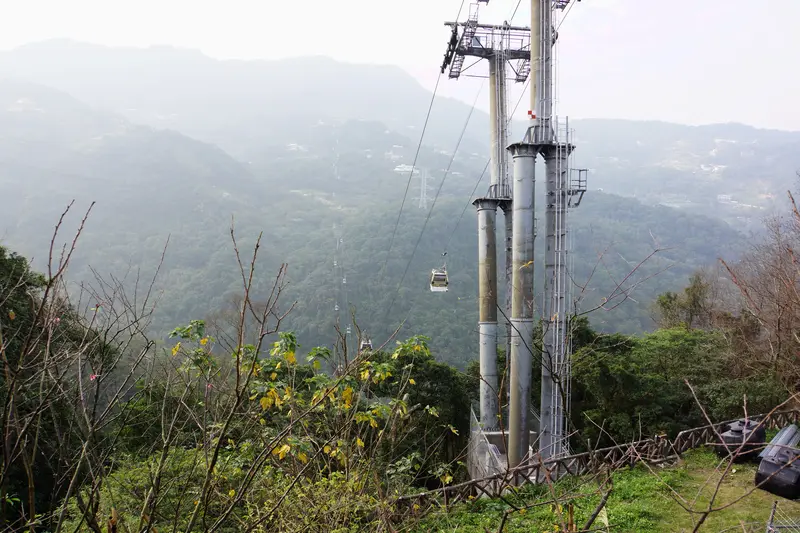
A 4.03 km cable-car ride from beside Taipei Zoo up into the Maokong tea hills—big views, cooler air, glass-bottomed Crystal Cabins, and tea houses waiting at the top.
Read more →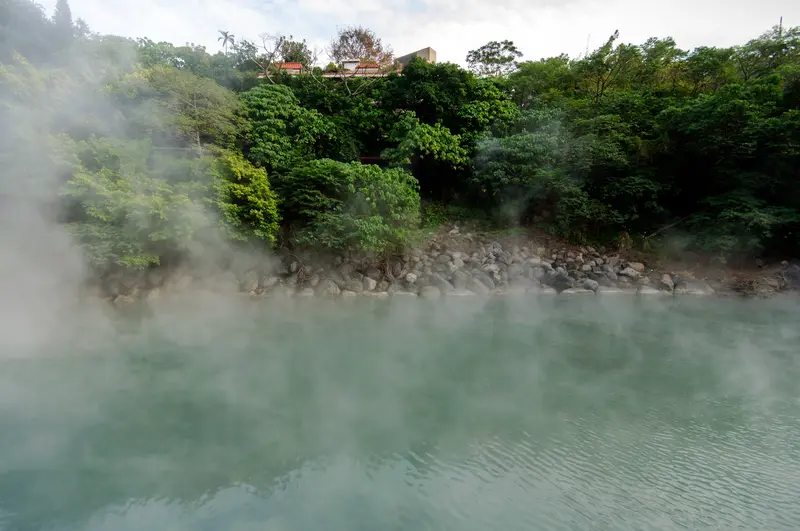
A geothermal hot-spring district inside Taipei—perfect for rainy weather, sore legs, and a slower pace after big sightseeing days.
Read more →
Taipei’s most famous bite: delicate soup dumplings with hot broth inside. Learn what to order, how to eat them, and how to build a dumpling-focused meal.
Read more →
A Taipei comfort classic: aromatic broth, tender beef, chewy noodles. Learn the styles, how to customize, and how to make it part of a perfect food day.
Read more →Start with a simple loop: one neighborhood stroll, one iconic sight, and one night market. Taipei rewards balance.
Tip: hours, prices, and seasonal schedules can change. When something matters (like a museum ticket or a special exhibition), check the official listing before you go.