
Night markets 101: how to eat your way through Taipei
A practical night-market playbook: what to expect, how to order, crowd strategy, and which markets fit your vibe.
Read more →
A beloved Taiwanese street-food format: pick ingredients, let them braise, then snack your way through a savory bowl. Great for night-market grazing.
A beloved Taiwanese street-food format: pick ingredients, let them braise, then snack your way through a savory bowl. Great for night-market grazing.
Updated June 20, 2026
 Quick facts資訊Time neededBest time / forGood to knowBest forTip
 Highlights亮點
Luwei (滷味, lǔwèi) is a pick-your-own braised-snack format that’s a fixture of Taiwanese street food. A stall lays out a spread of raw or pre-cooked ingredients—tofu and tofu skin, leafy greens, mushrooms, noodles, seaweed, kelp knots, quail eggs, various meat and offal bites, fish cakes, and more. You select what you want, and it’s served in a savory, soy-based braising liquid (lu, 滷).
It comes in two broad styles. “Cold” or pre-braised luwei is already cooked, often sliced and tossed with sauce, scallions, and chili to order—great as a snack or beer food. “Hot” luwei (sometimes called lu wei or guan dong zhu–style) cooks your chosen items fresh in a simmering pot when you order, served warm and brothy. Either way, the appeal is the same: deep, savory, soy-and-spice flavor and the freedom to build your own bowl.
Luwei is simple and satisfying: you choose ingredients, they’re braised (or already braised) in a savory broth, then served as a snack bowl. It’s a great way to sample a range of textures without committing to a full meal—a few bites of this and that rather than one big dish.
Because it’s customizable, it works well for groups with mixed preferences: vegetarians can stick to tofu, greens, and mushrooms while others add meat and offal, all from the same stall.

Pick one protein-style item (tofu and tofu skin work well and soak up flavor beautifully), one vegetable, and one noodle-ish or chewy item. That’s enough for a satisfying first round, and it keeps the price low. You can always do a second pass later.
Luwei is one of the most quietly satisfying ways to eat in Taipei because it rewards curiosity. Instead of committing to one big dish, you assemble a personalized spread of textures—silky tofu skin, springy fish cake, slippery noodles, crunchy greens—all unified by that deep, soy-and-spice braise. It’s comfort food and tasting menu in one cheap, casual package.
It’s also a window into everyday Taiwanese eating. Luwei is the kind of thing locals grab after work or pile up for a group to share over drinks, and it’s endlessly adaptable: cold and tangy in summer, hot and brothy in winter. Once you understand the format, you’ll start spotting variations of it everywhere—from night-market stalls to dedicated luwei shops to the chilled, deli-style counters in convenience stores.

If you’re deciding between the two main styles, let the weather and your mood guide you. Cold (pre-braised) luwei is sliced and tossed with sauce, scallions, garlic, and chili to order—punchy, refreshing, and great as a snack or with a drink. Hot luwei simmers your chosen items fresh in a brothy pot, arriving warm and soupy, which is wonderful on a cool evening.
Both draw their character from the same soy-based braise, so neither is “better.” Trying one of each across different stalls is a great way to understand the dish.
Luwei is one of the more flexible street foods for different diets because you choose your own ingredients. Vegetarians can build an entirely plant-based bowl from tofu, tofu skin, mushrooms, greens, kelp, and noodles—but the braising liquid is usually a shared soy-based broth that may have cooked meat in it, so strict vegetarians and vegans should ask or look for a dedicated vegetarian luwei stall.
If you avoid offal or unfamiliar bits, just don’t pick them—nothing is forced on you, which is the whole charm of the format.
Quick answers to common planning questions.
Hand-picked next reads to make your Taipei plan smoother.
A practical night-market playbook: what to expect, how to order, crowd strategy, and which markets fit your vibe.
Read more →
Bubble tea is a modern Taipei ritual. Learn sweetness and ice levels, topping choices, and how to drink beyond the sugar rush.
Read more →A night-market rite of passage. Stinky tofu can be pungent, but the best versions are crispy, juicy, and surprisingly balanced with pickles and sauce.
Read more →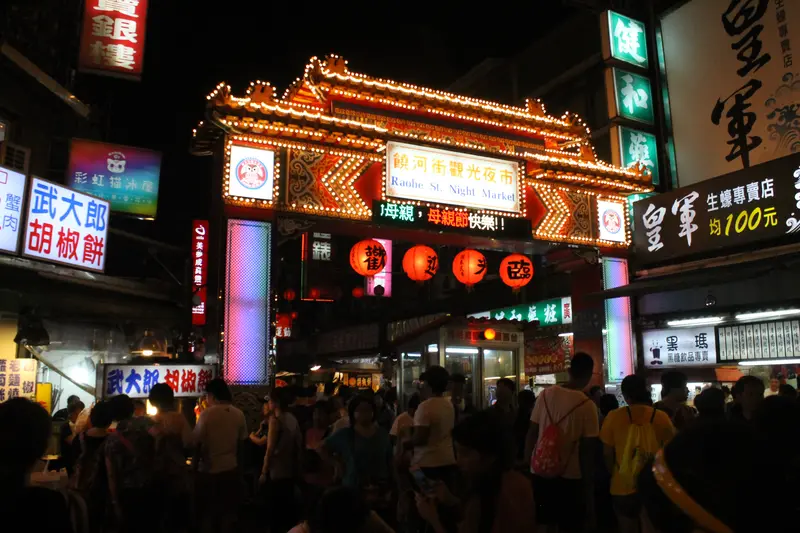
A famous night market with a focused, walkable layout—great for a deliberate food mission and a classic Taipei evening.
Read more →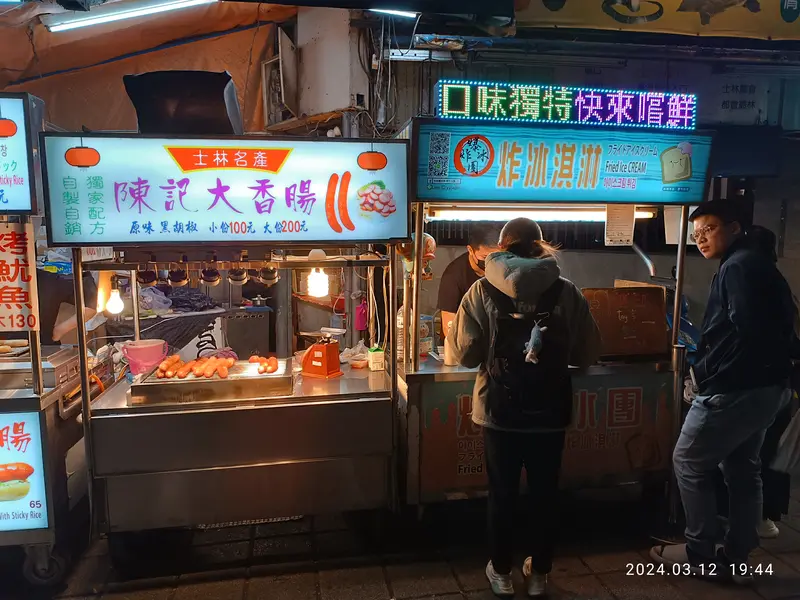
One of Taipei’s best-known night markets—busy, varied, and ideal if you want a ‘try everything’ evening with lots of food options.
Read more →Start with a simple loop: one neighborhood stroll, one iconic sight, and one night market. Taipei rewards balance.
Tip: hours, prices, and seasonal schedules can change. When something matters (like a museum ticket or a special exhibition), check the official listing before you go.