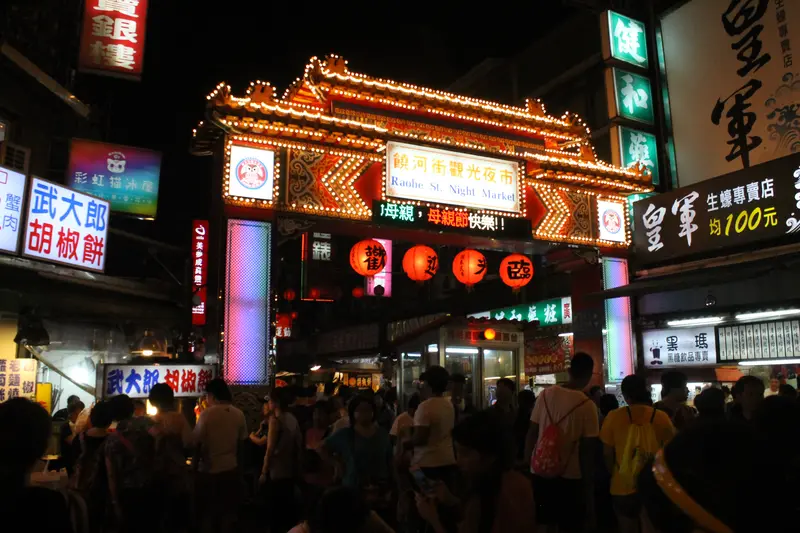
Tea culture & bubble tea in Taipei: drink beyond the hype
Taiwan is a tea place first. Learn how to order bubble tea with intention—and where to slow down for real tea in Taipei.
Read more →
Taipei is full of chewy, gentle sweets—mochi-style textures, light fillings, and desserts that travel well. Perfect for afternoon tea breaks.
Taipei is full of chewy, gentle sweets—mochi-style textures, light fillings, and desserts that travel well. Perfect for afternoon tea breaks.
Updated June 20, 2026
 Quick facts資訊Time neededBest time / forGood to knowBest forTip
 Highlights亮點
Mochi (麻糬, máshǔ in Mandarin) is a soft, chewy sweet made from glutinous (sticky) rice that’s been pounded or steamed into a stretchy dough. In Taiwan it usually comes as bite-size rounds, sometimes filled, sometimes rolled in a coating, with a tender, springy bounce that’s the whole appeal.
Taiwan’s mochi reflects layered influences—Japanese-era history, Hakka traditions, and Indigenous communities (the town of Hualien on the east coast is especially famous for mochi). The textures and fillings vary widely, which is exactly why it’s fun to compare a few.
Travelers sometimes wonder whether Taiwanese mochi is the same as the Japanese version, and the answer is: related, but with its own character. Both are pounded glutinous-rice sweets, and Taiwan’s decades under Japanese rule left a real influence, so you’ll see overlap in form and even in some dusted, kinako-style coatings.
But Taiwanese mochi has distinct local threads—particularly the warm, freshly pounded Hakka mua-chi rolled in peanut powder, and Indigenous traditions on the east coast (Hualien is especially famous). Fillings like taro and red bean are common, and the textures range from the very soft, just-made kind to firmer packaged versions. Think of it as a cousin rather than a copy.

“Mochi” is a family of chewy sweets rather than one fixed thing. Some are filled, some are coated, and the Hakka-style mua-chi is often served warm and rolled in toppings to order. Knowing the main variations helps you pick what you’ll enjoy.
Taipei’s dessert culture isn’t only about shaved ice. Chewy, mochi-like textures show up everywhere—soft, comforting, and ideal when you want something sweet without feeling overwhelmed.
They also pair beautifully with tea-culture days and slow heritage-street strolls, and they make good edible souvenirs: boxed, individually wrapped mochi packs travel well and are easy to share. Heritage areas like Dadaocheng (Datong) are good places to find traditional sweet shops.
Mochi turns up in many settings: traditional sweet shops and bakeries, night-market stalls (where you’ll often see freshly pounded Hakka mua-chi rolled in peanut powder to order), souvenir shops, and supermarkets selling vacuum-packed boxes. Heritage shopping areas like Dadaocheng (Datong) are great for finding old-school sweet shops.
For the best fresh mochi, look for somewhere making it that day—the texture should be soft, tender, and springy, not hard or rubbery. For souvenirs, the boxed and individually wrapped versions are the practical choice. A common standout is mochi wrapped around ice cream, sold by some dessert shops, which delivers a fun warm-chewy-meets-cold-creamy contrast.

Mochi shines with a drink that contrasts its chewy, gently sweet character. Because the rice dough is rich and the fillings can be nutty or beany, something warm and slightly astringent cuts through beautifully and keeps the experience from feeling cloying.
There’s no single right answer, but a few pairings are classics worth trying as you graze your way through different shops.
Do it as a ritual: a short walk, a sweet bite, and a tea or coffee. The gentle chew of mochi against a warm drink is one of the simplest ways to make a day feel spacious.
Buy small portions first and compare textures—fresh, same-day mochi is pillowy soft, while packaged mochi is firmer and chewier. Tasting both tells you which to take home.
A small note on eating it safely: mochi is dense and very sticky, so take modest bites and chew thoroughly rather than swallowing big pieces. That’s not a reason to skip it—just a sensible way to enjoy such a chewy treat, especially for young children and older travelers.
Quick answers to common planning questions.
Hand-picked next reads to make your Taipei plan smoother.
Taiwan is a tea place first. Learn how to order bubble tea with intention—and where to slow down for real tea in Taipei.
Read more →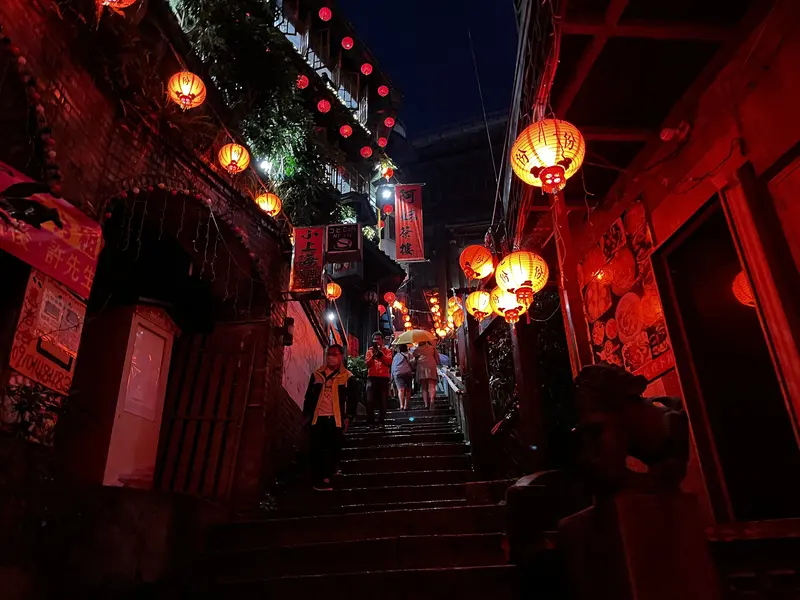
Taipei’s café scene is one of the best ways to feel the city’s pace. Use coffee stops as itinerary ‘buffers’—and discover neighborhoods through their daily rituals.
Read more →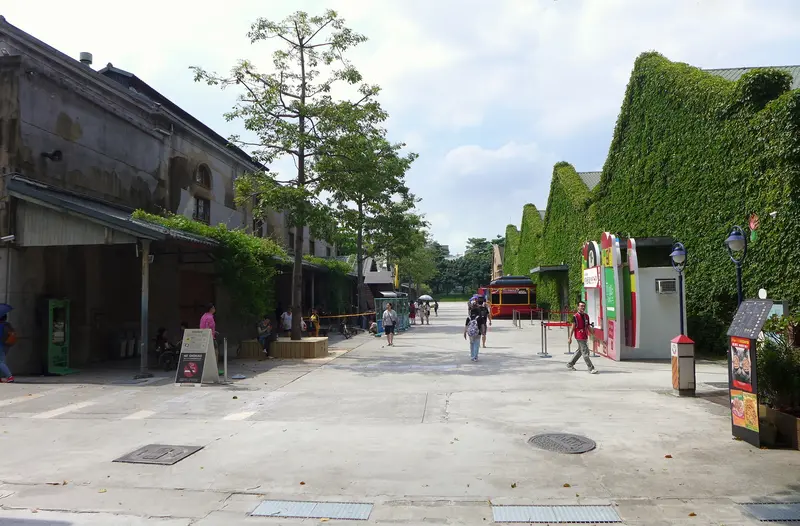
A historic area anchored by Dihua Street—tea, dry goods, traditional shops, and a slower, more photogenic side of Taipei. It’s one of the city’s oldest trading quarters, full of Qing-era and Japanese-Baroque facades that reward a slow, curious wander.
Read more →
A central, design-forward district with great food, cafés, nightlife, and convenient connections—an ideal ‘default’ base for many trips. It blends boutique shopping, art spaces, and a relaxed adult nightlife within easy reach of everywhere.
Read more →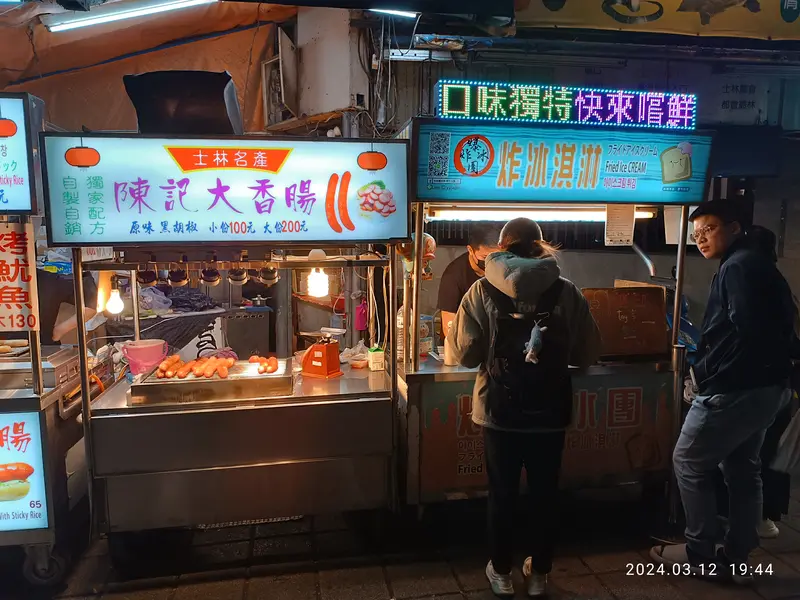
A slower five-day itinerary built around neighborhoods and pacing: more cafés, fewer transfers, and enough buffer to actually enjoy what you discover.
Read more →Start with a simple loop: one neighborhood stroll, one iconic sight, and one night market. Taipei rewards balance.
Tip: hours, prices, and seasonal schedules can change. When something matters (like a museum ticket or a special exhibition), check the official listing before you go.