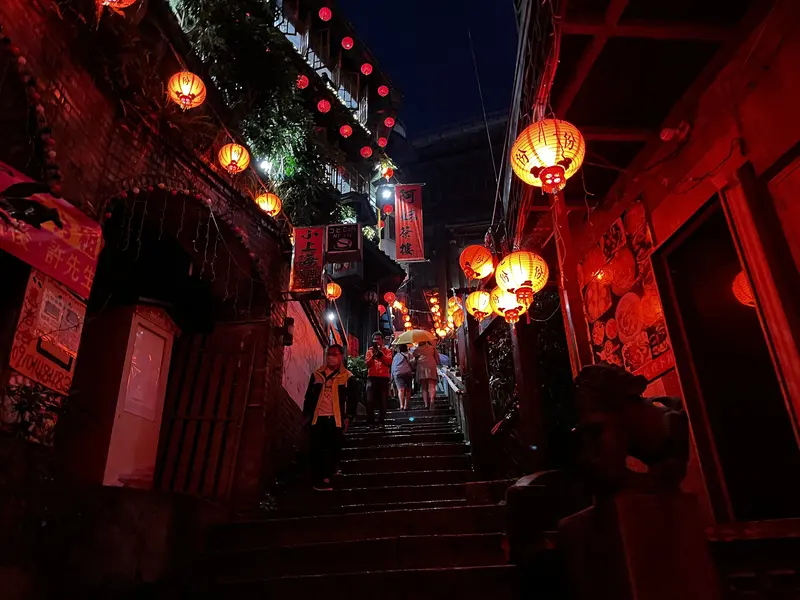
Coffee culture in Taipei: cafés, slow mornings, and espresso breaks
Taipei’s café scene is one of the best ways to feel the city’s pace. Use coffee stops as itinerary ‘buffers’—and discover neighborhoods through their daily rituals.
Read more →
A slower five-day itinerary built around neighborhoods and pacing: more cafés, fewer transfers, and enough buffer to actually enjoy what you discover.
A slower five-day itinerary built around neighborhoods and pacing: more cafés, fewer transfers, and enough buffer to actually enjoy what you discover.
Updated June 20, 2026
 Quick facts資訊Time neededGetting thereBest time / forGood to knowBest forPaceRule
 Highlights亮點
Five days in Taipei is a luxury of time, and the worst thing you can do with it is fill every hour. This itinerary is built on the opposite instinct: one anchor per day, lots of unstructured texture around it, and enough buffer to actually enjoy what you stumble into. Slow travel here means more neighborhood time, more cafés, fewer transfers, and the freedom to change plans on a whim. The reward is a trip that feels like temporarily living in the city rather than touring it.
The shape is loose by design: two easy settling-in days, a heritage-and-tea day, a nature reset, and a final flexible day that can be a day trip or simply more of the city. None of it is rigid. If you fall in love with a neighborhood, stay longer. If it rains, swap an outdoor plan for a museum or a long café morning. The structure exists to prevent decision fatigue, not to be obeyed minute by minute.
Two habits make slow travel work: under-schedule (plan less than you think you can do), and build in real rest (a park afternoon, a long lunch, a lazy morning). Travelers who do this consistently report that the unplanned hours—wandering a lane, lingering over a third pot of tea—become the trip’s most vivid memories. Give yourself permission to do less.
Use Day 1 for gentle orientation: a civic landmark, an older district for texture, and one night market in the evening—the classic loop, but unhurried, with no pressure to ‘complete’ anything. Day 2 shifts to modern, stylish Taipei: a creative park to browse exhibitions and design shops, an afternoon wandering Zhongshan’s boutiques and cafés, and a calm dinner. Keep these first two days simple deliberately—they reduce friction while you find your feet and your rhythm.
Because you have time, resist the urge to cram the icons into Day 1. Spread them across the first two days, leave the skyline hike for whichever evening is clear, and let yourself nap or linger when you want to. The goal of the opening days is to settle in, not to sprint. By the end of Day 2 you’ll have the city’s layout, transit, and food rhythms comfortably in hand.
Day 3 is a full, slow heritage day, the heart of a slow-travel trip. Spend the morning easing into Dadaocheng and the afternoon working slowly down Dihua Street—old storefronts, tea merchants, dried-goods shops, and the Yongle fabric market. This is a ‘taste and browse’ day: sample teas, pick up edible souvenirs, and pause for mochi or tofu pudding (douhua) without watching the clock. Do at least one proper sit-down tea stop and let it stretch.
Because you’re not rushing, you can add the small, characterful stops that fast itineraries skip: the deity-dense Xiahai City God Temple on Dihua Street, the riverside Dadaocheng Wharf with its container-market food scene (warmer months; check hours), or a sunset stroll along the water. The day’s pleasure is precisely its lack of agenda—browse, sip, snack, repeat.

Choose one nature reset and do it well—slow travel means you don’t need all three. Maokong tea hills (gondola up to ridge-top tea houses) suit a clear day; Beitou hot springs suit comfort, cool weather, or rain; and a dedicated Yangmingshan day suits outdoors lovers who want volcanic landscapes, fumaroles, and seasonal flowers. Any one is a restorative, change-of-air day that balances the city time on either side.
Keep it unhurried. A morning out and a relaxed afternoon and dinner is plenty; this isn’t a day to stack stops. If the weather is poor, default to Beitou (rain-proof and comforting); if it’s glorious, take the views at Maokong or the trails at Yangmingshan. Current hours for the gondola (closed Mondays, weather-dependent) or bathhouses are easy to confirm first, and let yourself genuinely rest.
End with maximum flexibility. If you want a day trip, choose one—Jiufen’s hillside lanes, Yehliu’s rock formations, a Pingxi rail-line waterfall day, or the easy MRT-only option of Tamsui for riverside strolling and a famous sunset. Keep it focused (one nature stop plus one atmospheric old street) and start early to beat crowds. A day trip gives the trip a memorable contrasting finale.
But the truest slow-travel move on Day 5 is optional: if you’re tired, stay in the city and wander a neighborhood you haven’t seen yet. Daan’s park and cafés, Gongguan’s student energy, a corner of Datong you missed—any of these makes a lovely low-effort final day, perhaps built around one last food mission. There’s no wrong choice; match the day to your energy and the weather.
What separates a slow-travel trip from a slow-paced rushed trip is the deliberate use of downtime. Taipei’s specialty-coffee scene is genuinely excellent and rewards a wandering café crawl; treat finding a great neighborhood café as an activity in itself rather than a pit stop. Green spaces do the same job for free—Daan Forest Park in the center, riverside parks along the Keelung and Tamsui rivers, and small temple courtyards all offer somewhere to sit, breathe, and watch the city go by.
Schedule at least one genuine rest block each day—a lazy morning, a long lunch, an aimless park afternoon. Over five days, these add up to a trip that feels restorative rather than depleting, and they leave you with the energy and curiosity to enjoy the anchors fully. The discipline of slow travel is, paradoxically, the discipline of doing less and savoring more.
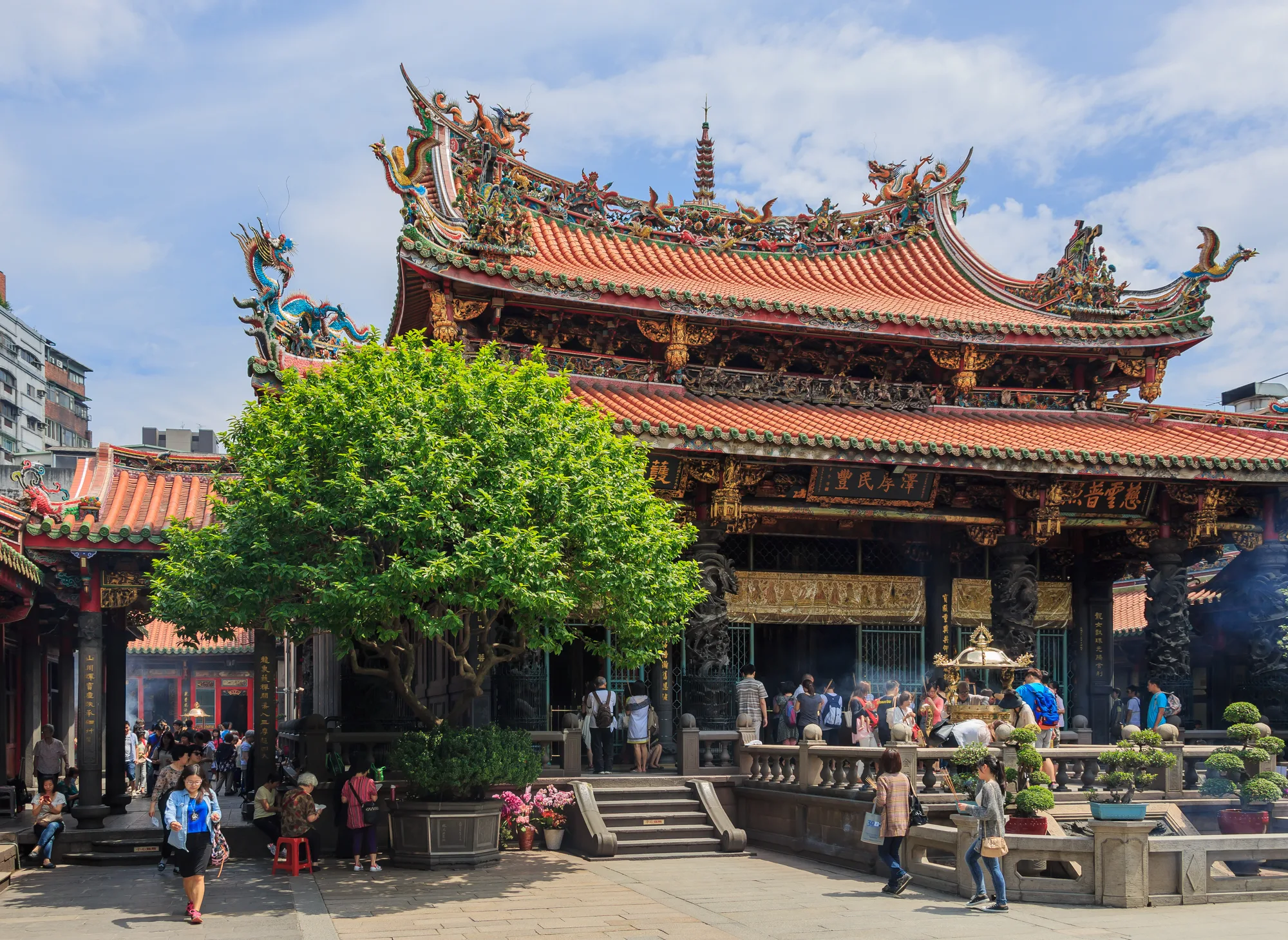
With five days, you can go beyond the headline districts and spend real time in the neighborhoods that give Taipei its character. Zhongshan is the stylish all-rounder for cafés and boutiques; Daan is leafy and calm, anchored by its forest park and full of good restaurants; Datong (around Dadaocheng) carries the old-trade heritage and the best edible souvenirs; and Gongguan, near the universities, has a youthful, bookish energy with the Treasure Hill artist village nearby. Each rewards an unhurried half-day.
Pick one or two to dig into rather than sampling all of them—depth is the slow-travel reward. Wander without a fixed route, follow interesting lanes, sit in a café and let the neighborhood reveal itself. This is the kind of travel five days makes possible and shorter trips simply don’t, and it’s often what visitors remember most fondly afterward.
Five days is the ultimate weather hedge—you can simply wait out a bad day and grab clear ones for views and day trips. When rain comes, lean into the indoor-friendly options: a museum, a creative park, a long café or tea morning, or a Beitou hot-springs day that turns rain into atmosphere. Save the skyline, Maokong views, Yangmingshan, and any coastal day trip for clear windows, which over five days you’re very likely to get.
In summer heat, the slow pace is your friend: do outdoor wandering in the cool mornings and evenings, retreat to air-conditioned museums, cafés, and shops through the midday peak, and keep night markets and skyline strolls for after dark. Stay hydrated and never feel you must push through the worst of the heat—you have time to wait for the day to cool. Flexibility, not a fixed schedule, is the slow traveler’s superpower.
This plan suits long stays, repeat visitors, and anyone temperamentally drawn to slow travel—people who’d rather know a few neighborhoods well than glimpse everything. It’s ideal for remote workers and digital nomads with flexible days, for travelers recovering from a faster leg of a bigger trip, and for couples who enjoy unstructured time together. The relaxed pace is gentle on all ages and fitness levels.
It’s less ideal for first-timers on a tight schedule who want to maximize sights (a denser three- or four-day plan fits that better), or for travelers who feel anxious without a full agenda—if that’s you, simply add a second anchor to a couple of days. The framework is endlessly adaptable: tighten it for a busier trip, or loosen it further and let the city set the pace entirely.
Quick answers to common planning questions.
Official pages and references for planning details.
Hand-picked next reads to make your Taipei plan smoother.
Taipei’s café scene is one of the best ways to feel the city’s pace. Use coffee stops as itinerary ‘buffers’—and discover neighborhoods through their daily rituals.
Read more →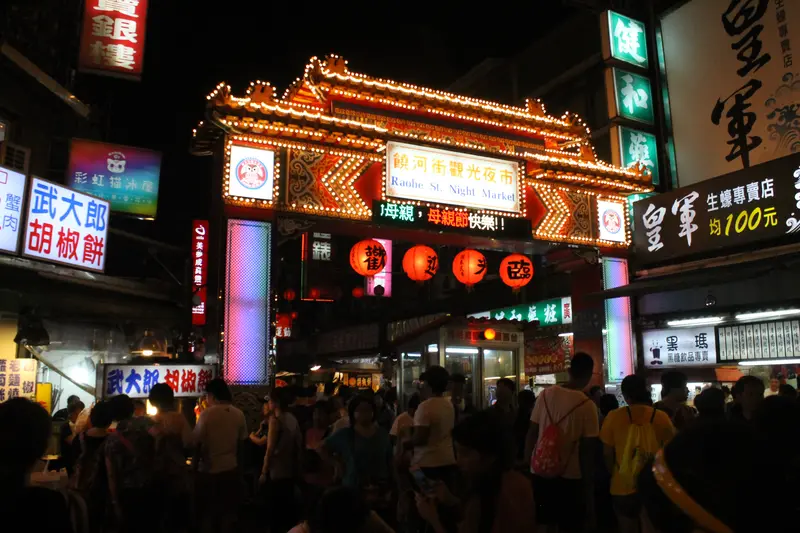
Taipei is an ideal base for easy day trips—choose between old towns, coastlines, hikes, hot springs, and lantern villages with minimal planning friction.
Read more →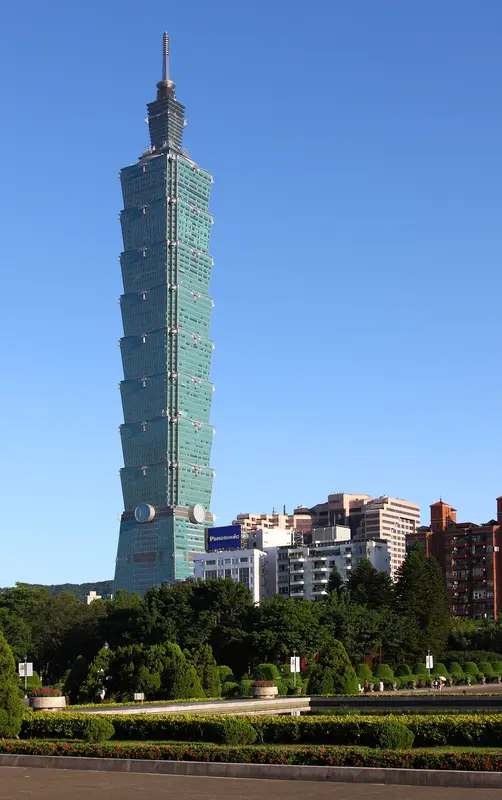
A four-day plan designed for balance: classic Taipei, old-street texture, one nature reset, and one flexible day trip outside the city.
Read more →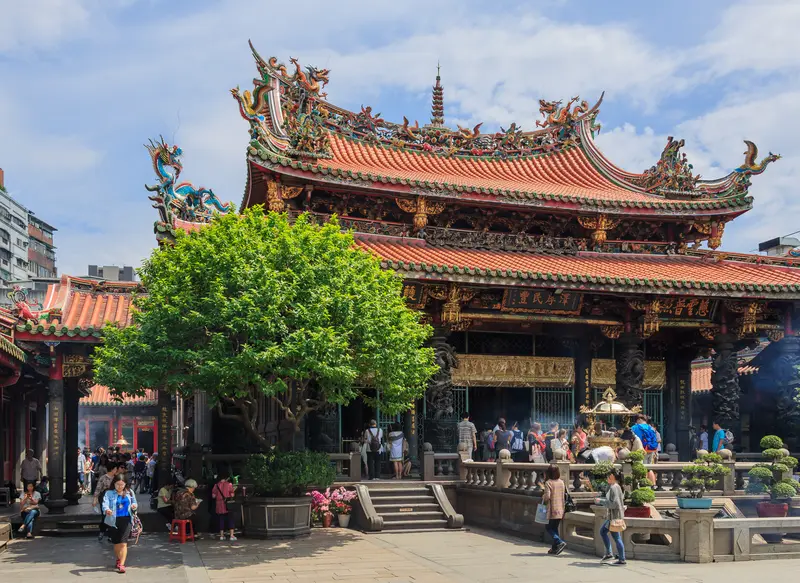
A calm north-Taipei day plan with minimal transfers: one museum, one garden walk, one landmark photo stop, and an easy night-market or Zhongshan-dinner finish.
Read more →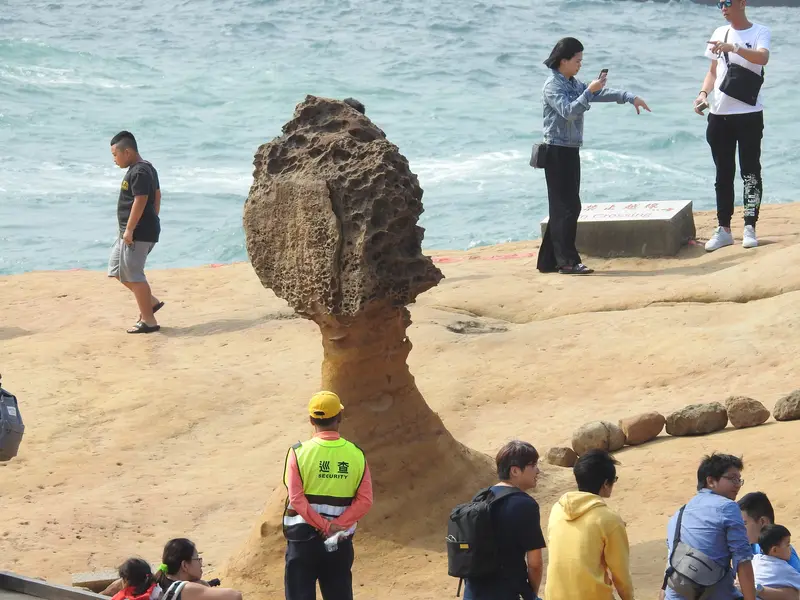
A flexible day-trip template that lets you choose one major landscape (coast or waterfall) and one atmospheric old-street stop—without turning the day into a rushed checklist.
Read more →A high-payoff day trip that balances scenery with food: do one coastal anchor in the afternoon, then finish with Keelung’s famous night market in the evening.
Read more →Start with a simple loop: one neighborhood stroll, one iconic sight, and one night market. Taipei rewards balance.
Tip: hours, prices, and seasonal schedules can change. When something matters (like a museum ticket or a special exhibition), check the official listing before you go.