
Night markets 101: how to eat your way through Taipei
A practical night-market playbook: what to expect, how to order, crowd strategy, and which markets fit your vibe.
Read more →
A famous Taiwan street-food texture: eggs, oysters, greens, and a glossy sauce. The best versions balance crisp edges with a soft, chewy center.
A famous Taiwan street-food texture: eggs, oysters, greens, and a glossy sauce. The best versions balance crisp edges with a soft, chewy center.
Updated June 20, 2026
 Quick facts資訊Time neededBest time / forGood to knowBest forTip
 Highlights亮點
The oyster omelette (蚵仔煎, ô-á-tsian in Taiwanese, é zǎi jiān in Mandarin) is one of Taiwan’s most iconic night-market dishes. Small oysters are cooked on a hot griddle with egg, leafy greens (often a crown daisy or similar vegetable), and a starchy batter—usually sweet potato starch—that gives the dish its distinctive gooey, slightly chewy texture. It’s finished with a glossy, sweet-savory pink-red sauce.
It’s less like a breakfast omelette and more like a street-food griddle dish. The magic is in the contrast: lightly crisp edges where the batter meets the griddle, a soft and stretchy center, briny pops from the oysters, and that sweet sauce tying it together.
If you’re unsure about oysters, try it once anyway—the dish is as much about the overall texture and balance as it is about the seafood, and the oysters here are small and mild.
The sauce is a big part of the personality. It’s typically a sweet-and-savory blend—often built on a base that can include fermented bean paste, ketchup-like tomato, sugar, and miso or soy—giving a slightly sweet, tangy finish. It varies stall to stall, which is part of the fun.
If oysters aren’t your thing, many stalls offer near-identical griddle dishes with different proteins, so you can get the same satisfying texture without the seafood.

Turnover matters. Busy stalls usually mean fresher oysters and better texture, and you want it made to order rather than sitting. Watch the griddle: high heat and quick, confident assembly tend to produce the best results.
The oyster omelette is one of those dishes that shows up across the coastal regions of southern China, Taiwan, and Southeast Asia, but Taiwan has made it thoroughly its own as a night-market icon. There’s even a popular origin tale tying it to lean times and clever cooks stretching a few oysters with starch and egg into a filling dish—plausible folklore that fits the dish’s humble, resourceful character.
The use of sweet potato starch is the key local signature: it’s what creates the glossy, gooey, slightly translucent texture that distinguishes a Taiwanese oyster omelette from a plain egg-and-oyster fry. Pair that with the sweet pink sauce and a tangle of greens and you have something instantly recognizable.

Treat the oyster omelette as one anchor dish, then add two lighter items (fruit, tea, a small dessert) to keep the meal balanced. Night markets are more fun when you graze rather than filling up on one thing.
Because it’s rich and saucy, follow it with something clean—a fruit cup, a cup of tea, or shaved ice works well to reset your palate. A small bowl of clear soup or a cold drink alongside also helps balance the sweetness of the sauce. It’s a great early or mid-crawl item: substantial enough to satisfy, but not so heavy that it ends your night.
The biggest mistake is expecting the wrong dish. If you arrive picturing a fluffy, eggy Western omelette, the soft, gooey, starch-bound texture can be a surprise. Go in knowing it’s a chewy griddle dish and you’ll appreciate it for what it is. The second mistake is letting it sit—the crisp edges and warm, stretchy center are best within a minute or two of cooking, so eat it right away rather than carrying it around.
It’s also easy to overdo it early. Because the omelette is rich and saucy, it fills you up faster than you’d think. Order one to start, see how you feel, and keep the rest of your night-market plan flexible. And if you’re cautious about the oysters, remember you can usually choose a shrimp or egg-and-vegetable version at the same stall.
Quick answers to common planning questions.
Hand-picked next reads to make your Taipei plan smoother.
A practical night-market playbook: what to expect, how to order, crowd strategy, and which markets fit your vibe.
Read more →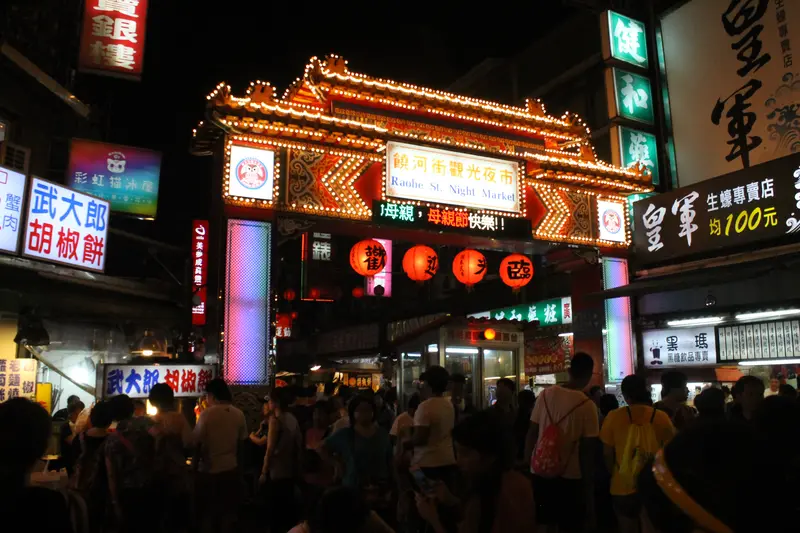
A famous night market with a focused, walkable layout—great for a deliberate food mission and a classic Taipei evening.
Read more →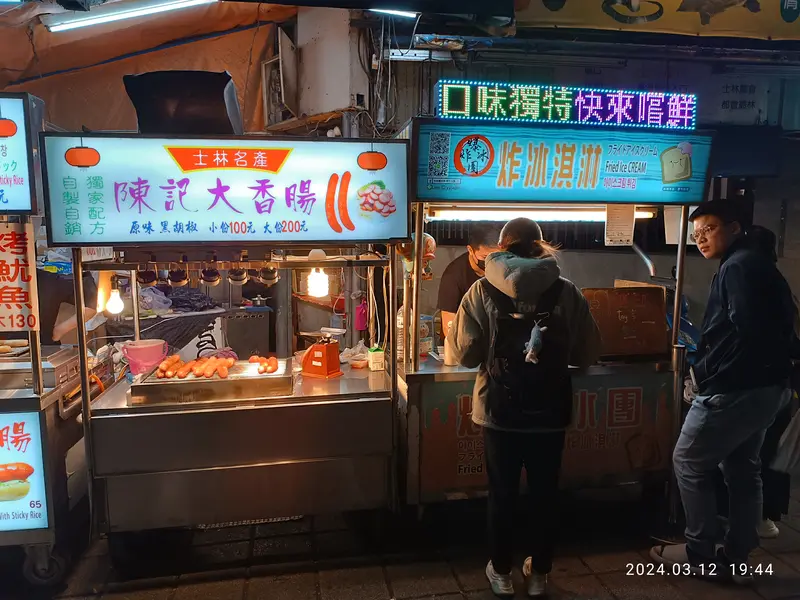
One of Taipei’s best-known night markets—busy, varied, and ideal if you want a ‘try everything’ evening with lots of food options.
Read more →
Bubble tea is a modern Taipei ritual. Learn sweetness and ice levels, topping choices, and how to drink beyond the sugar rush.
Read more →
A dreamy dessert of fluffy shaved ice (often “snow ice”), ripe mango, and creamy accents—best enjoyed slowly on a hot afternoon or as a cool-down after a night market.
Read more →
A high-impact day plan that balances iconic sights with neighborhood texture—designed to feel full but not frantic.
Read more →Start with a simple loop: one neighborhood stroll, one iconic sight, and one night market. Taipei rewards balance.
Tip: hours, prices, and seasonal schedules can change. When something matters (like a museum ticket or a special exhibition), check the official listing before you go.