First Time in Taipei: a smart, low-stress starter guide
A first-timer-friendly overview of Taipei’s neighborhoods, iconic sights, food culture, and how to get around—plus a simple plan you can actually follow.
Read more →
A high-impact day plan that balances iconic sights with neighborhood texture—designed to feel full but not frantic.
A high-impact day plan that balances iconic sights with neighborhood texture—designed to feel full but not frantic.
Updated June 20, 2026
 Quick facts資訊Time neededGetting thereBest time / forGood to knowBest forPaceStart timeEvening choice
 Highlights亮點
This itinerary is built for flow. The goal isn’t to be fast—it’s to keep your day feeling smooth. Do three small setup steps and the rest becomes easier.
Start with a city-center landmark to orient yourself. Wide plazas and formal architecture give you an instant “Taipei is a capital city” moment—then you can shift into older streets for texture.
Keep it short and satisfying: photo, slow walk, then move on. The best Taipei days are built from contrasts, not from lingering at one stop until you’re tired.
Head to Wanhua for Longshan Temple and a short street loop. This is one of the most efficient ways to feel Taipei’s older layers: temple atmosphere, incense, small shops, and streets that still carry history in their shape.
Move slowly here. This isn’t a checklist stop—it’s a “look around and absorb” stop.
Taipei’s best one-day food strategy is simple: one comfort bowl + one snack crawl + one night market. Lunch is the comfort bowl. Pick something warm, fast, and satisfying—then save your second appetite for the evening.
This is the most important choice of the day. Pick one contrasting vibe so your trip feels layered: either old-street Taipei (heritage) or design-y Taipei (cafés and browsing).
If the sky is clear and you want the iconic Taipei photo, aim for Elephant Mountain. If the weather is hazy or your legs are done, keep it flat and photogenic in Xinyi near Taipei 101.
Either way, your goal is the same: arrive with enough energy to enjoy it. Don’t sacrifice your evening for a perfect photo.
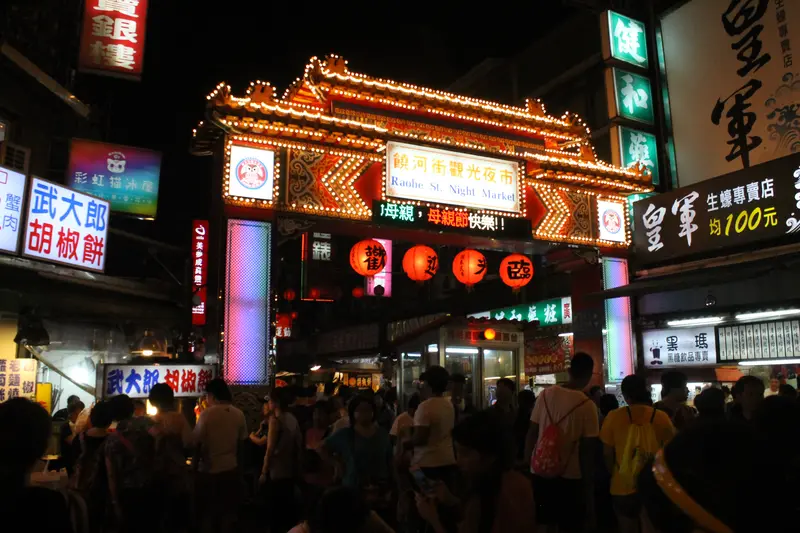
End your day with a night market. Go early if you want comfort, go later if you want neon energy. Either way, don’t treat it like one giant meal—treat it like 5–7 small bites with breaks.
The easiest night-market success formula: one signature item first, one scouting lap, then graze with intention.
If you still have energy after the market, do one short add-on that doesn’t require planning: a quick neon stroll, a calm dessert stop, or a final bubble tea and a walk back toward transit.
The best one-day Taipei ending is the one that doesn’t turn into a second itinerary.
The single biggest mistake on a one-day Taipei plan is over-stuffing the morning, then arriving at the night market too tired to enjoy it. This itinerary is deliberately front-loaded with landmarks (when your legs are fresh) and back-loaded with food and atmosphere (when you want to slow down). Treat the day as four blocks—morning landmarks, late-morning old Taipei, an afternoon contrast, and an evening market—with a real sit-down break between at least two of them.
A useful rule of thumb: budget about 60–90 minutes per major stop, plus roughly 15–25 minutes of transit between districts, and assume you’ll lose half an hour somewhere to a snack, a photo detour, or simply slowing down. If you keep that buffer in mind, you won’t feel like you’re racing a clock. Taipei rewards travelers who leave room to wander into a side lane or sit in a temple courtyard for ten unplanned minutes.
If you’re jet-lagged or arriving on an overnight flight, cut the day in half rather than pushing through: do the CKS Memorial Hall morning, one comfort meal, a long afternoon nap or café sit, then go straight to the night market in the evening. A half-energy day that you actually enjoy beats a full itinerary you slog through.

Taipei’s MRT is the reason this whole day works on a single EasyCard tap. The three lines you’ll lean on are the Red (Tamsui–Xinyi), which threads CKS Memorial Hall, Daan, Taipei 101/World Trade Center and Xiangshan (the Elephant Mountain trailhead); the Blue (Bannan), which serves Longshan Temple, Ximen and the Zhongxiao corridor; and the Green (Songshan–Xindian), which reaches Ximen, Songshan (for Raohe) and the Zhongshan/Songjiang area. Most transfers on this plan are a single line change, which is exactly why it stays low-stress.
From CKS Memorial Hall to Longshan Temple is a short ride with one easy transfer toward the Blue line; from Wanhua over to Xinyi for the skyline is a straightforward Blue-to-Red connection. If you finish the evening at Raohe, you’re on the Green line at Songshan station, which loops you back toward the center without much fuss. When in doubt, the MRT app or the station maps make the next move obvious—you rarely need to plan more than one hop ahead.
Trains run frequently and stations are clean, air-conditioned, and signposted in English, so transit here is genuinely part of the pleasure rather than a chore. The one habit worth keeping: stand on the right of escalators, don’t eat or drink inside the paid zone (it’s enforced), and keep your EasyCard somewhere quick to reach so the gates stay smooth.
Short layover or a late start? Compress the day to its two highest-impact moments: old Taipei and a night market. Skip the civic-landmark morning, go straight to Longshan Temple and a short Wanhua loop for texture, grab one comfort bowl nearby, then time your evening around a single night market. That gives you the temple atmosphere, a real meal, and the iconic market energy in a fraction of the time.
If your layover is in daylight only, swap the night market for a daytime food street and add a quick Ximending stroll for the neon-and-people-watching version of Taipei. Either way, resist adding a third district—half a great day beats a rushed full one.
The food strategy that makes this day sing is simple: one comfort bowl at lunch, light snacking in the afternoon, and your real eating at the night market. Don’t fill up at lunch or you’ll waste the best part of the evening. Around Wanhua and Ximending you’ll find classic beef noodle soup, braised pork rice (lu rou fan), and dumpling shops; near CKS Memorial Hall and Daan there are calmer cafés if you’d rather start slow.
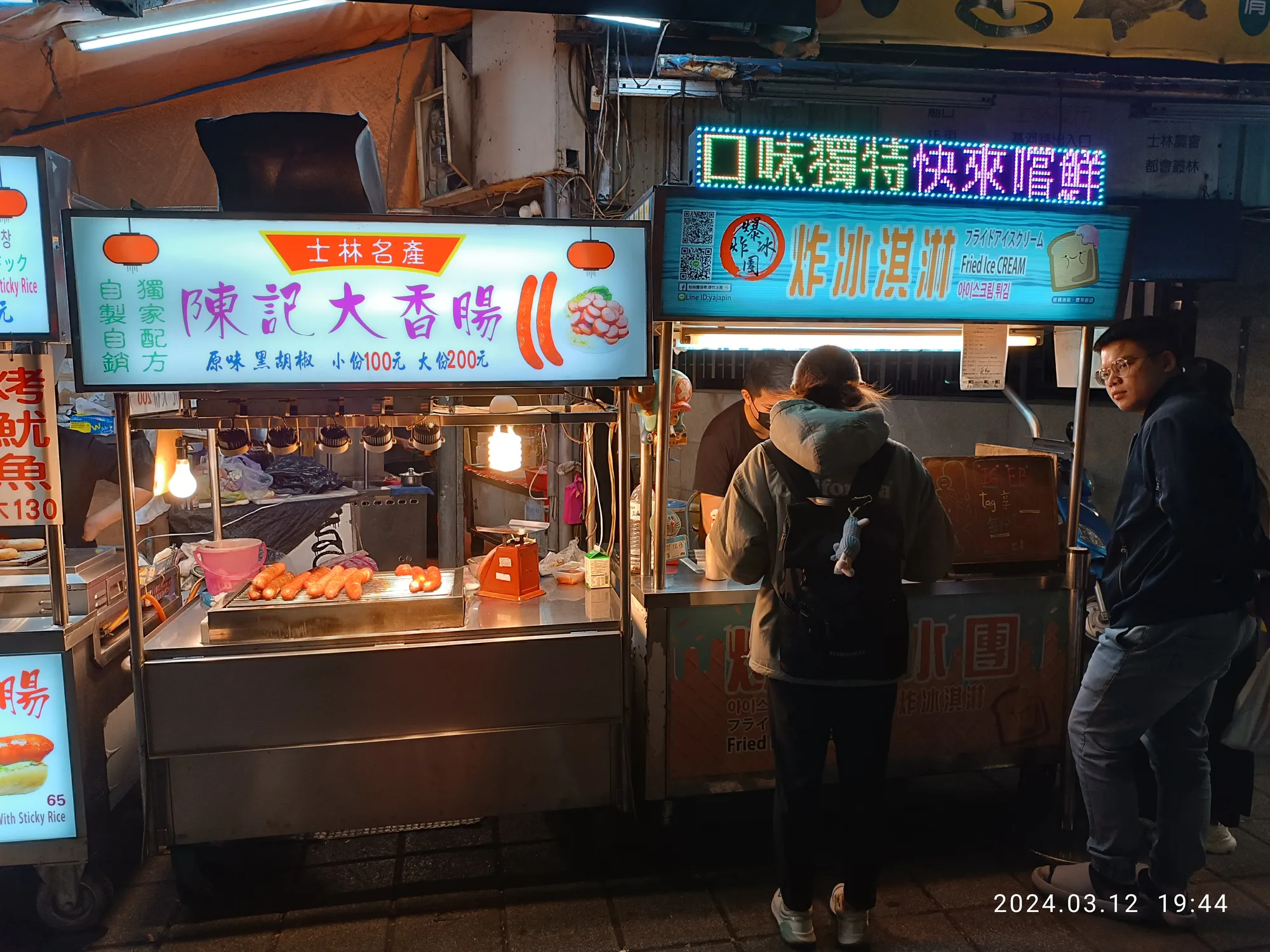
At the night market, graze rather than committing to one big plate. A good order: start with one signature item (Raohe’s black-pepper buns are the local icon), do a scouting lap, then pick two or three more low-wait stalls and finish with a sweet—tofu pudding (douhua) or, in mango season, shaved ice. Keep a drink in hand and pace yourself; the goal is five to seven small bites, not one enormous meal.
This plan is built for first-time visitors who want a satisfying overview without a guidebook’s worth of stops. It’s ideal for short weekend trips, layovers long enough to leave the airport, and travelers who like a clear spine to their day with built-in choices rather than a rigid minute-by-minute schedule. Couples and small groups do especially well with it, because the night-market finish is naturally social.
It’s less ideal if you want to go deep on a single theme—serious museum-goers, dedicated hikers, or shoppers who want a full retail day will find this skims the surface by design. If that’s you, treat this as Day 1 and then build a more specialized day around your interest (a museum day, an outdoors day, a food day). It’s also worth tempering for very young children or anyone with limited mobility: keep it to the landmark, one temple neighborhood, and an early night-market visit, and skip the hill entirely.
Taipei rain is rarely all-day and rarely a dealbreaker—you just shift the balance toward covered, indoor, and short-walk options. Keep the CKS Memorial Hall morning (the main hall and its galleries are indoors), shorten the Wanhua walk to Longshan Temple plus one nearby snack, and replace the Elephant Mountain hike with a flat Xinyi evening where covered walkways link Taipei 101, the malls, and the plazas. The skyline still reads beautifully at night from street level, no climb required.
For the afternoon contrast, lean indoor: a creative park like Huashan or Songshan gives you exhibitions, design shops, and cafés under cover, which is a far better wet-weather choice than open-air street browsing. At the night market, go in with a tight plan—two or three target stalls and a quick exit—since crowds bunch under the awnings when it’s raining. A compact market like Raohe handles rain better than a sprawling one.
Quick answers to common planning questions.
Official pages and references for planning details.
Hand-picked next reads to make your Taipei plan smoother.
A first-timer-friendly overview of Taipei’s neighborhoods, iconic sights, food culture, and how to get around—plus a simple plan you can actually follow.
Read more →
A practical night-market playbook: what to expect, how to order, crowd strategy, and which markets fit your vibe.
Read more →
A practical guide to using the Taipei Metro (MRT): EasyCard tips, transfers, station etiquette, and how to plan routes without stress.
Read more →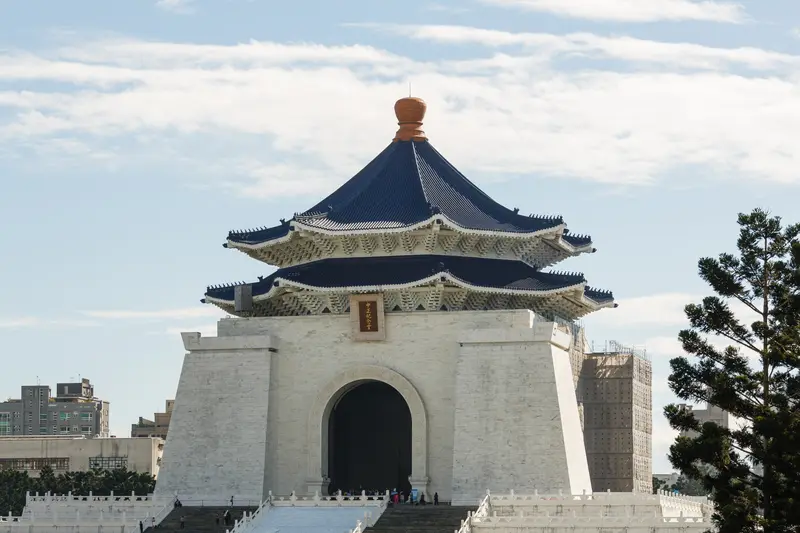
Taipei’s most monumental landmark—a 76-metre white hall with a blue octagonal roof, flanked by the National Theater and Concert Hall, where an hourly honour-guard ceremony draws the crowds.
Read more →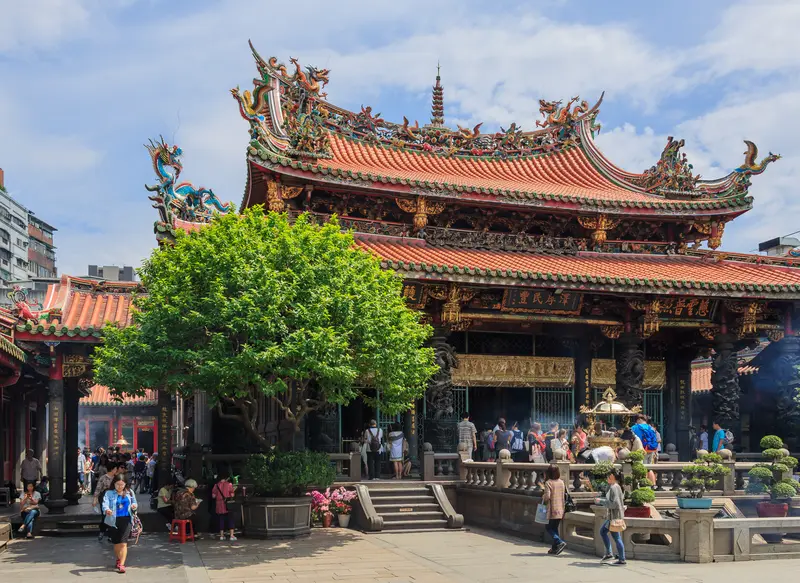
Founded in 1738 in Taipei’s oldest neighborhood, Longshan Temple is a working Buddhist-and-Taoist shrine wrapped in ornate Taiwanese craftsmanship—and the perfect gateway into the old streets of Wanhua.
Read more →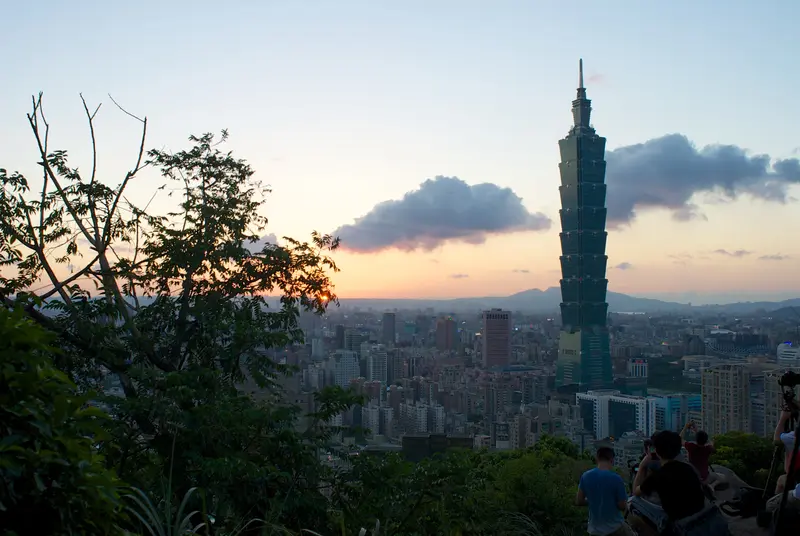
A short, steep hike with a high payoff: Taipei 101 framed by the city skyline. Best at sunset and blue hour.
Read more →Start with a simple loop: one neighborhood stroll, one iconic sight, and one night market. Taipei rewards balance.
Tip: hours, prices, and seasonal schedules can change. When something matters (like a museum ticket or a special exhibition), check the official listing before you go.