
Night markets 101: how to eat your way through Taipei
A practical night-market playbook: what to expect, how to order, crowd strategy, and which markets fit your vibe.
Read more →
A hot, peppery bun baked until crisp outside and juicy inside—perfect for cold evenings or when you want one bold, satisfying bite.
A hot, peppery bun baked until crisp outside and juicy inside—perfect for cold evenings or when you want one bold, satisfying bite.
Updated June 20, 2026
 Quick facts資訊Time neededBest time / forGood to knowBest forTip
 Highlights亮點
The pepper bun (胡椒餅, hújiāo bǐng) is a baked, hand-sized bun stuffed with seasoned pork—usually marbled with fat and heavily seasoned with black and white pepper—plenty of chopped scallions, and a topping of sesame seeds on the crust. What sets it apart is how it’s cooked: the buns are slapped onto the inside wall of a clay tandoor-style oven and baked until the bottom crust is crisp and blistered while the filling stays incredibly juicy.
The result is a contrast of textures and temperatures: a crunchy, sesame-studded shell giving way to a peppery, soupy, scallion-packed pork center. The pepper isn’t just for heat—it gives the bun an aromatic, almost warming bite that’s especially welcome in cooler weather.
Pepper buns are all about heat and aroma: crisp baked exterior, juicy filling, and a pepper-forward flavor profile that wakes up your palate.
They’re ideal when you want something substantial early in a night-market crawl—filling and warming rather than a light nibble. Because each one is baked in batches, popular stalls often have a line and a wait, which is a good sign of freshness.

This is the dish most likely to scald an unsuspecting traveler. The filling traps a lot of juicy, fatty, very hot pork liquid, so the first bite of a fresh pepper bun can be genuinely dangerous if you rush it.
Take a small first bite near an edge, let the steam escape, and give it a moment to cool. After that, it’s smooth sailing—and the contrast of crisp crust and juicy center is the whole reward.
The pepper bun has roots in Fujianese baking traditions brought to Taiwan, where it evolved into the night-market staple you find today. The clay-oven baking method—pressing the buns onto the hot interior wall of a barrel-shaped oven—is what gives it that signature blistered, crisp bottom and is part of the spectacle of watching it made.
It’s strongly associated with night markets, and a few stalls have become genuinely famous for it. The Raohe Street Night Market is especially well known for pepper buns, with stalls that draw long lines—a reminder that, with this dish, a queue usually means the buns are coming out fresh and hot.

Watching a pepper bun being made is half the appeal. A round of dough is wrapped around a generous nugget of peppery, scallion-packed pork, sealed, brushed with syrup or egg wash, and pressed with sesame seeds. Then it’s slapped directly onto the searing-hot interior wall of a tandoor-style clay oven, where it bakes from the radiant heat until the crust crisps and the filling turns juicy.
When you choose a stall, look for that clay barrel oven and buns coming out in fresh batches. The ideal pepper bun has a crackly, golden, sesame-studded shell, a clearly defined crisp bottom, and a filling that’s still steaming and juicy inside. Avoid buns that have been sitting under a heat lamp—the crust goes soft and the filling dries out, losing exactly what makes the dish special.
Have a plan: pepper bun first, then something lighter (fruit or tea), then something crunchy or sweet to finish. This keeps your meal balanced and fun, and stops one rich item from filling you up too early.
Because the bun is hearty and warming, it’s a brilliant cold-weather anchor. On a chilly or rainy evening, a fresh pepper bun straight from the oven is one of the most satisfying things you can eat in Taipei—just remember to let that first molten bite cool down.
Quick answers to common planning questions.
Hand-picked next reads to make your Taipei plan smoother.
A practical night-market playbook: what to expect, how to order, crowd strategy, and which markets fit your vibe.
Read more →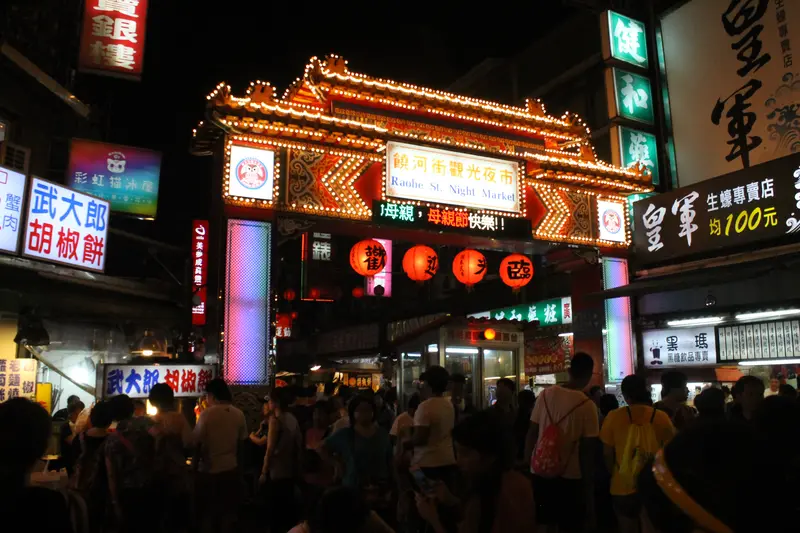
A famous night market with a focused, walkable layout—great for a deliberate food mission and a classic Taipei evening.
Read more →
Bubble tea is a modern Taipei ritual. Learn sweetness and ice levels, topping choices, and how to drink beyond the sugar rush.
Read more →
A dreamy dessert of fluffy shaved ice (often “snow ice”), ripe mango, and creamy accents—best enjoyed slowly on a hot afternoon or as a cool-down after a night market.
Read more →
A high-impact day plan that balances iconic sights with neighborhood texture—designed to feel full but not frantic.
Read more →Start with a simple loop: one neighborhood stroll, one iconic sight, and one night market. Taipei rewards balance.
Tip: hours, prices, and seasonal schedules can change. When something matters (like a museum ticket or a special exhibition), check the official listing before you go.