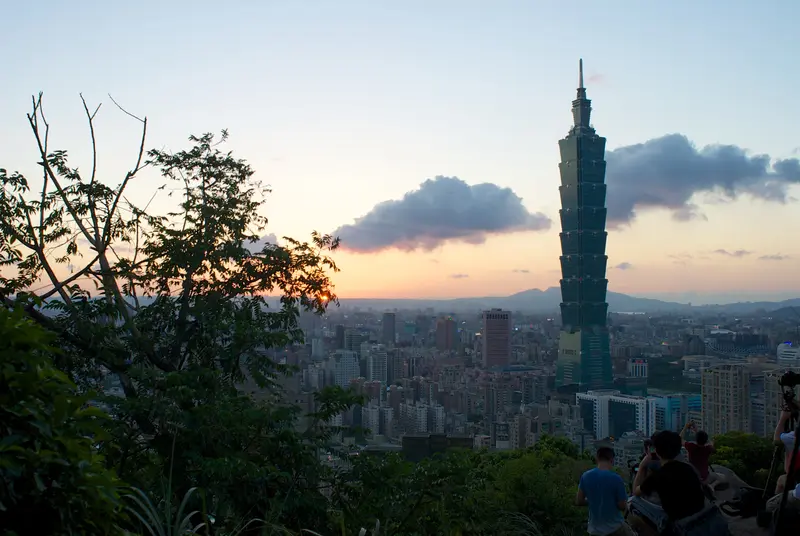
Elephant Mountain (Xiangshan): the classic Taipei 101 viewpoint
A short, steep hike with a high payoff: Taipei 101 framed by the city skyline. Best at sunset and blue hour.
Read more →
Where to get high-payoff views in Taipei—without turning your trip into a hiking marathon. Includes sunset strategy and weather-friendly alternatives.
Where to get high-payoff views in Taipei—without turning your trip into a hiking marathon. Includes sunset strategy and weather-friendly alternatives.
Updated June 20, 2026
 Quick facts資訊
 CostTime neededBest time / forGood to knowBest forBest time
 Plan tip
 Highlights亮點
Taipei views work best when you treat them as punctuation, not the whole sentence. Pick one great viewpoint, enjoy it fully, then go back to street-level Taipei where the daily life happens.
Taipei is unusually generous with views because of its geography: the city sits in a basin ringed by green hills, so you’re rarely far from a slope that opens up the skyline. That means you don’t need a cable car ticket or a fancy observation deck to feel on top of the city—several of the best views are free and reachable on foot from an MRT station.
If you chase every viewpoint, you’ll end up with more steps and fewer memories. Aim for quality over quantity.
The classic pairing is Taipei 101 and a skyline viewpoint in the same evening. Do the modern district in late afternoon, then head for elevation at sunset and stay for city lights.
The reason this works so well is the frame: from the eastern hills, Taipei 101 stands clear above the rest of the skyline, so a single tower anchors every photo. Elephant Mountain (Xiangshan), the closest of these hills, is famous precisely because it delivers that postcard composition after only a short—if steep—climb.
If you want the tower itself in your day, Taipei 101 has its own indoor and outdoor observation decks. It’s a paid experience and worth confirming current hours and ticket details on the official site, but pairing the deck with a hill viewpoint gives you both the “from above” and the “tower in frame” shots.
If you take one thing from this guide, make it this: arrive before sunset and stay through blue hour. The 30–40 minutes after the sun drops—when the sky still glows and the city lights switch on—is when Taipei looks its best. People who show up at full dark miss the magic.
Plan backward from sunset. Check the day’s sunset time, then add buffer for the climb or the gondola line. For Elephant Mountain, give yourself 20–30 minutes to reach the main viewing platforms and a little extra to claim a spot, because the best rocks fill up on clear evenings.
If you want classic skyline photos, choose one of the iconic viewpoint hikes and commit to the light window. Bring water and go slower than you think—these are short but stair-heavy.
If you’re traveling with kids or sensitive knees, choose the low-effort view section instead. Taipei still delivers without the steps.
Not every view needs steps. Taipei has plenty of satisfying, easy moments: riverside paths, wide plazas, and city-light walks in modern districts.
If the weather is humid or you’re traveling with kids, choose these instead of steep hikes.
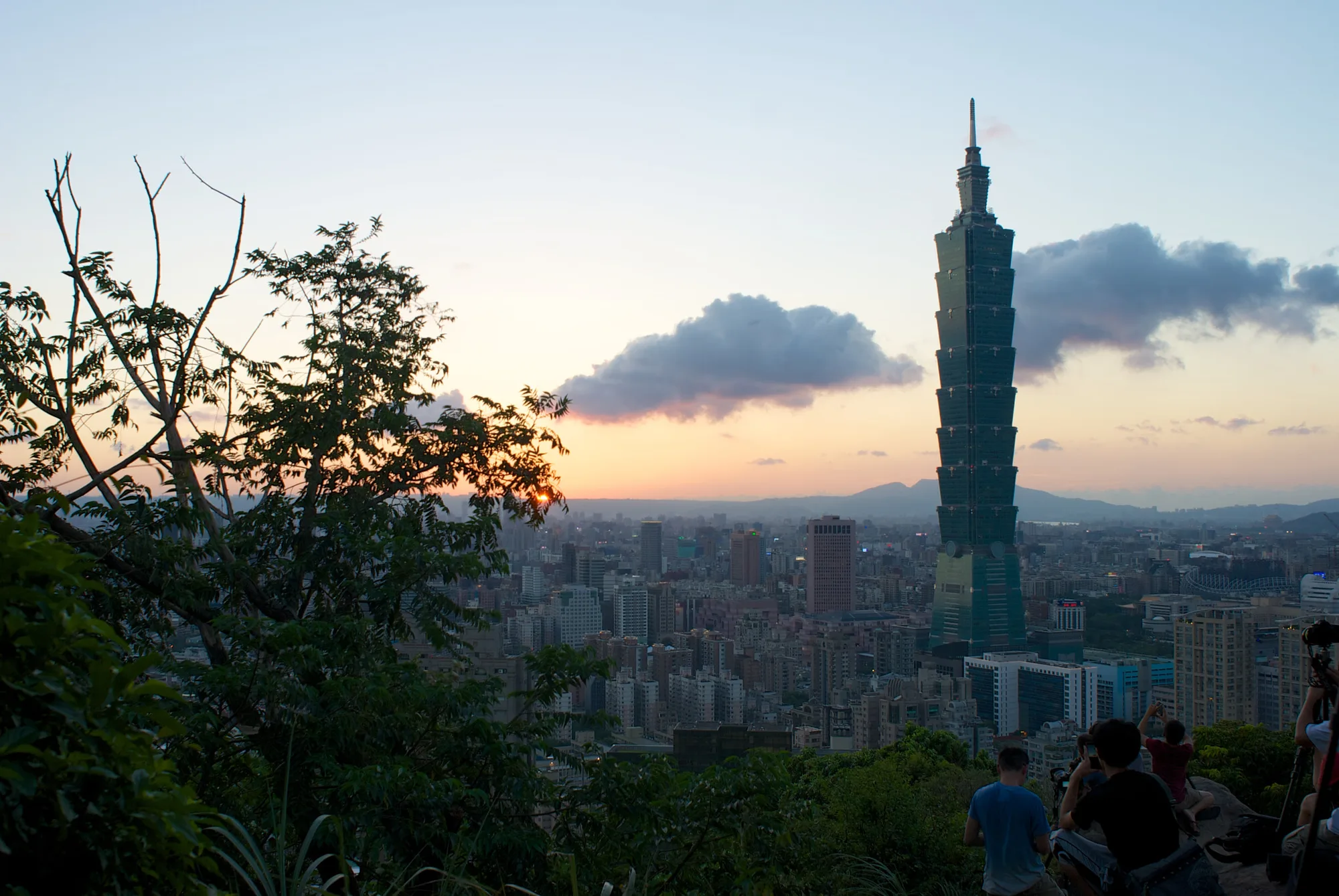
If you want elevation without a serious hike, Maokong is the easiest scenic upgrade in Taipei. The Maokong Gondola runs from the Taipei Zoo area up into the tea hills of Wenshan, climbing several kilometers over forested slopes. It’s a view experience plus a tea experience, and it naturally slows your day down.
At the top you’ll find tea houses with terraces overlooking the city—an ideal place to watch the basin fill with light as evening comes on. This is one of the best choices when you want scenery without pushing your body, or when you’re traveling with kids or anyone who’d rather not climb.
One practical note: the gondola has its own operating days and hours and closes on some weekdays, so confirm the current schedule on the official site before building your afternoon around it.
Elephant Mountain gets the headlines, but Taipei has a deeper bench of viewpoints. If your favorite is crowded, or you simply want variety on a multi-day trip, these spread the load and each offers a slightly different angle on the city.
On hazy days, distant skyline views can feel muted. That’s not a loss—it’s a reason to focus on street-level Taipei: temples, markets, neon reflections, and small details.
If it rains, switch to a creative park and plan your view day for a clearer window.
Taipei views land best when you give them a clean arc: modern district first, viewpoint second, food third. It’s simple and it works.
Taipei is unusually generous with free views, which means paying is a choice rather than a necessity. The city sits in a basin ringed by green hills, so several of the best skyline moments cost nothing but a short climb and good timing—Elephant Mountain being the headline example, with riverside paths and parks rounding out the easy, no-ticket options.
Paid views earn their keep when you want something the free spots can’t give you: a true bird’s-eye perspective from inside a tower, an enclosed deck that works regardless of how steep or sweaty the alternative would be, or the gentle, no-effort elevation of a gondola ride into the tea hills. The Taipei 101 observation deck is the obvious paid icon—indoor and outdoor levels that put you above the city rather than across from it—while the Maokong Gondola buys you altitude and a tea-house pace without a hike.
A simple way to decide: if you’re fit, the weather’s clear, and you love the postcard composition with the tower in frame, the free hilltop is hard to beat. If you specifically want the view from the top, or you’re traveling with anyone who’d rather not climb, the paid options are well worth it. Either way, hours and ticket details are worth a glance on the official site before you build an evening around them.

When your legs are tired or the hills are crowded, Taipei’s rivers offer some of the city’s most relaxing views at zero elevation. The basin is laced with riverside parks and bike paths along the Tamsui and Keelung rivers, with wide-open horizons, mountain silhouettes, and a calm that the busy streets don’t have. These are golden-hour places: the light goes soft, the water catches the sky, and there’s room to simply sit.
For a classic water-and-sunset combination, Tamsui at the end of the Red line is the famous choice—the old street, the riverfront, and the Fisherman’s Wharf area with its Lover’s Bridge are all known for their sunsets out toward the river mouth. Closer in, the Dadaocheng Wharf on the Tamsui River pairs an old tea-port setting with river cruises and a seasonal container market, and the Dajia and riverside parks along the Keelung River give you big skies and bike paths a short ride from Yuanshan.
Riverside areas sit behind the city’s flood walls, so access is often through floodgates that can keep their own hours—worth a quick check if you’re heading out late. Bring a light layer, because the open water’s edge can feel breezier than the sheltered streets, and let the slower pace be the point.
Maokong rewards travelers who treat it as a destination rather than a quick photo stop. The gondola climbs roughly four kilometers from the Taipei Zoo terminus on the Brown line up over forested slopes into the tea-growing hills of Wenshan, and the ride itself—especially in one of the glass-bottomed “Crystal Cabin” cars, available for a small surcharge—is half the experience. Give yourself a half-day so you’re not racing the last cabin down.
At the top, the appeal is the pace: tea houses with terraces overlooking the basin, short walking trails between them, and the chance to sit with a pot of local tea while the city lights come up below. Late afternoon into sunset is the sweet spot, ending with tea-house snacks or a simple dinner before you ride back. Because it’s elevation without a real climb, it’s an excellent pick for families or anyone happy to skip the stairs.
The one thing to plan around is the schedule. The gondola keeps its own operating days and hours and closes on certain weekdays, and it can pause in high winds or storms, so confirm the current timetable on the official site before committing your afternoon to it. Have a backup in mind on iffy-weather days so a closure doesn’t strand your plans.
How good your view will be often comes down to the day’s air clarity, which shifts with the season. After rain and on breezy days, the basin can be startlingly crisp, with sharp mountain edges and a clean skyline; on still, humid, or hazier days, distant towers can soften into the murk. There’s no way to guarantee a perfect day, but you can stack the odds by staying flexible and pouncing on the clear ones.
The practical move is to keep your big view day loose and let the weather call it. If you wake to a clear, breezy morning, that’s your evening for Elephant Mountain or Maokong; if it’s hazy or socked in, save the skyline and do street-level Taipei instead—temples, markets, neon, and reflections all look great regardless of distant clarity. Checking the forecast and even local air-quality readings the day before helps you commit at the right moment.
Rain has its own logic. A passing shower often clears the air beautifully, so the window right after a storm can be the best view of your trip. Carry a compact umbrella, keep a flexible backup, and treat a clear evening as something to seize rather than schedule.
Not every great Taipei view demands a stair climb, which matters if you’re traveling with young kids, sensitive knees, or anyone who’d simply rather not sweat for the skyline. The good news is that some of the city’s most enjoyable views are reached by gondola, elevator, or a flat riverside stroll—so a tougher-mobility day doesn’t mean missing out.
The gentlest options stack up well. The Maokong Gondola lifts you into the tea hills with no climbing at all, and the Miramar Ferris Wheel over by Dazhi (near the Brown line) gives a relaxed, family-friendly night view over the Keelung River area from an enclosed car. The Taipei 101 observation deck is reached by elevator and is fully indoors with an outdoor level, making it one of the more accessible high views in the city. Riverside paths and wide plazas in Xinyi add flat, open-sky views with benches and room to pause.
As always with specifics, the official sites are the easy place to confirm details—operating hours, ticketing, and any accessibility features change, and it’s worth a peek at step-free routes and elevator access first. But the headline holds: Taipei’s view repertoire is broad enough that almost everyone can find a comfortable, rewarding way to look out over the city.
A viewpoint can feel like two completely different places depending on when you arrive. By day you get geography—the green ring of hills, the river lines, the spread of the basin, and the satisfying way Taipei 101 stands clear above everything else. By night the same spot becomes a carpet of lights with the tower lit up as the centerpiece. Neither is “better,” but knowing which you want shapes your timing.
The trick most photographers swear by is to catch both at once. Arrive 20–30 minutes before sunset so you see the city in daylight, stay through the sunset colors, and hold on into blue hour—the short window after the sun drops when the sky still glows and the lights switch on. That overlap, with detail still visible and the skyline beginning to sparkle, is when Taipei looks its absolute best.
You don’t need fancy gear to capture it, just steadiness and a little patience. Brace your phone or camera against a railing or rock for the low-light shots, give your screen a moment to settle on exposure rather than chasing every passing change, and consider a small clip-on or pocket tripod where it won’t block other visitors. Above all, watch with your own eyes too—the best version of the view is the one you actually take in, not just the one on your screen.
The pages that pair best with this one — tap a card to keep planning.
AttractionsElephant Mountain (Xiangshan)A short, steep hike with a high payoff: Taipei 101 framed by the city skyline. Best at sunset and blue hour.
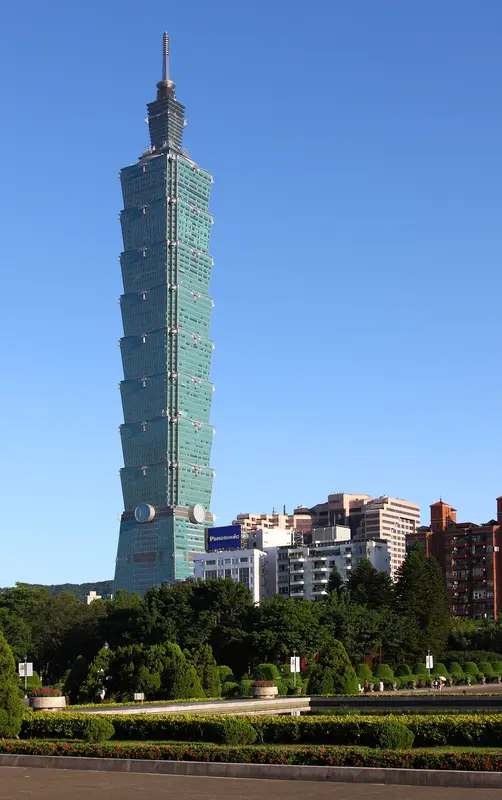 AttractionsTaipei 101
Taipei’s most recognizable landmark—part engineering icon, part neighborhood anchor, and the perfect start to a modern Taipei day in Xinyi.
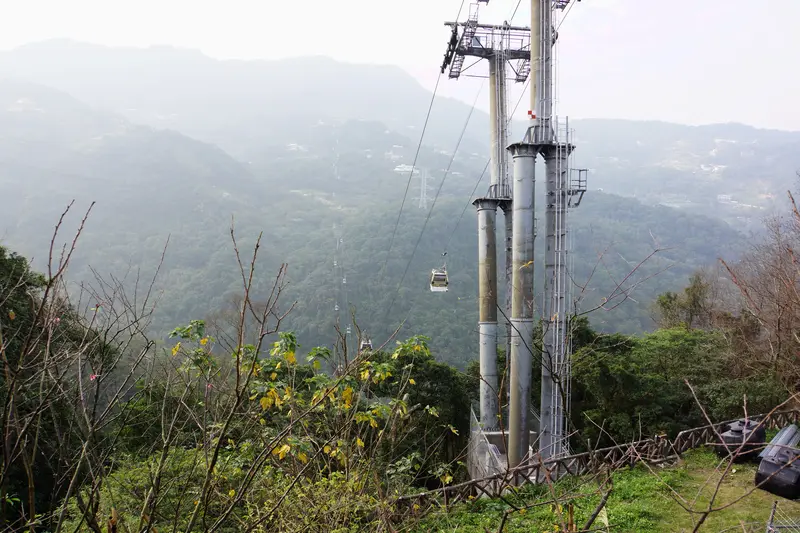 AttractionsMaokong Gondola
A 4.03 km cable-car ride from beside Taipei Zoo up into the Maokong tea hills—big views, cooler air, glass-bottomed Crystal Cabins, and tea houses waiting at the top.
ItinerariesOutdoors TaipeiA nature-focused day that still feels very ‘Taipei’: a viewpoint hike, tea hills via gondola, and a soak in Beitou if you want the full reset arc.
Quick answers to common planning questions.
Official pages and references for planning details.
Hand-picked next reads to make your Taipei plan smoother.
A short, steep hike with a high payoff: Taipei 101 framed by the city skyline. Best at sunset and blue hour.
Read more →Taipei’s most recognizable landmark—part engineering icon, part neighborhood anchor, and the perfect start to a modern Taipei day in Xinyi.
Read more →A 4.03 km cable-car ride from beside Taipei Zoo up into the Maokong tea hills—big views, cooler air, glass-bottomed Crystal Cabins, and tea houses waiting at the top.
Read more →A nature-focused day that still feels very ‘Taipei’: a viewpoint hike, tea hills via gondola, and a soak in Beitou if you want the full reset arc.
Read more →
A high-impact day plan that balances iconic sights with neighborhood texture—designed to feel full but not frantic.
Read more →Taipei is a year-round city—this guide helps you choose dates based on weather, crowds, and the kind of trip you want (food, hiking, culture, or shopping).
Read more →Start with a simple loop: one neighborhood stroll, one iconic sight, and one night market. Taipei rewards balance.
Tip: hours, prices, and seasonal schedules can change. When something matters (like a museum ticket or a special exhibition), check the official listing before you go.