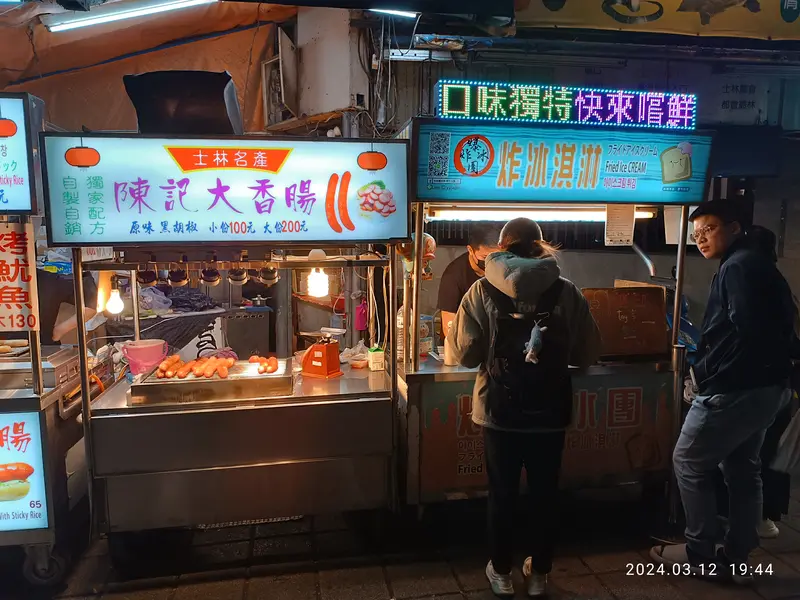
Rainy day Taipei: museums, markets, tea, and cozy food
A rainy day in Taipei can be perfect—here’s how to plan a full, satisfying day without getting soaked or stuck in transit.
Read more →
Taipei is a year-round city—this guide helps you choose dates based on weather, crowds, and the kind of trip you want (food, hiking, culture, or shopping).
Taipei is a year-round city—this guide helps you choose dates based on weather, crowds, and the kind of trip you want (food, hiking, culture, or shopping).
Updated June 20, 2026
 Quick facts資訊Time neededBest time / forGood to knowBest forTime to readCore idea
 Highlights亮點
Taipei sits in a humid subtropical climate. That means lush greenery, dramatic skies, and a lot of “feels warmer than the number” days. You’ll do best with breathable layers and a plan that includes indoor breaks.
Rather than chasing a perfect forecast, pick the season that matches your priorities: comfortable walking, hot springs and food, or late-night street life and festivals.
Choose the milder parts of the year. These are the months where Taipei’s best traits shine: long neighborhood walks, outdoor markets, and hikes like Elephant Mountain without the “sauna effect.”
In these seasons, you can plan packed days without needing a long midday escape.
Both are excellent for walking-heavy trips. Spring tends to feel fresh and green, while fall often feels crisp and comfortable for long days outdoors.
If you have flexibility, choose by trip vibe: blossoms and fresh energy (spring) or clear-sky walking and cozy evenings (fall).
Summer in Taipei can be intensely hot and humid. The city is still fun—but structure your day: early mornings for hikes and viewpoints, midday museums and shopping, evenings for night markets.
Carry water, take breaks in air-conditioned cafés, and don’t underestimate how much slower you’ll move in the heat.
Winter can be a great Taipei season: evenings can feel crisp, hot springs feel better, and museum-heavy itineraries are easier to execute without heat stress.
This is a perfect time for a ‘slow luxury’ pace: parks, tea, museums, then an early night market loop or a calm dinner.

Storm systems happen. The practical approach is flexible planning: don’t lock your entire trip into one fragile outdoor day. Keep one ‘view day’ movable and build an indoor backup plan you actually enjoy.
On genuinely severe weather days, follow official guidance and stay inside. Taipei has plenty of indoor options that can still feel like travel.
Rain is common at different times of year. The good news: Taipei is built for it. You can turn a rainy day into a great one with a museum + market + tea house loop.
Treat rain as a reason to explore indoor Taipei: creative parks, bookstores, food courts, and hot springs in Beitou.
If you’re choosing dates, this rough month-by-month read helps you match the calendar to the trip you want. None of it is a promise—Taipei’s weather is genuinely changeable and the lunar-calendar dates move every year—so treat each month as a tendency and confirm anything time-sensitive (festival dates, plum-rain and typhoon forecasts) on official sources when you book.
Taipei can feel busy around major holidays and popular travel windows. If you’re crowd-sensitive, plan early mornings and choose neighborhoods with more local rhythm (like Daan or Wenshan) for downtime.
If you’re budget-focused, keep flexibility: weekday museums and neighborhood eateries often give you a better experience than peak-time hotspots.
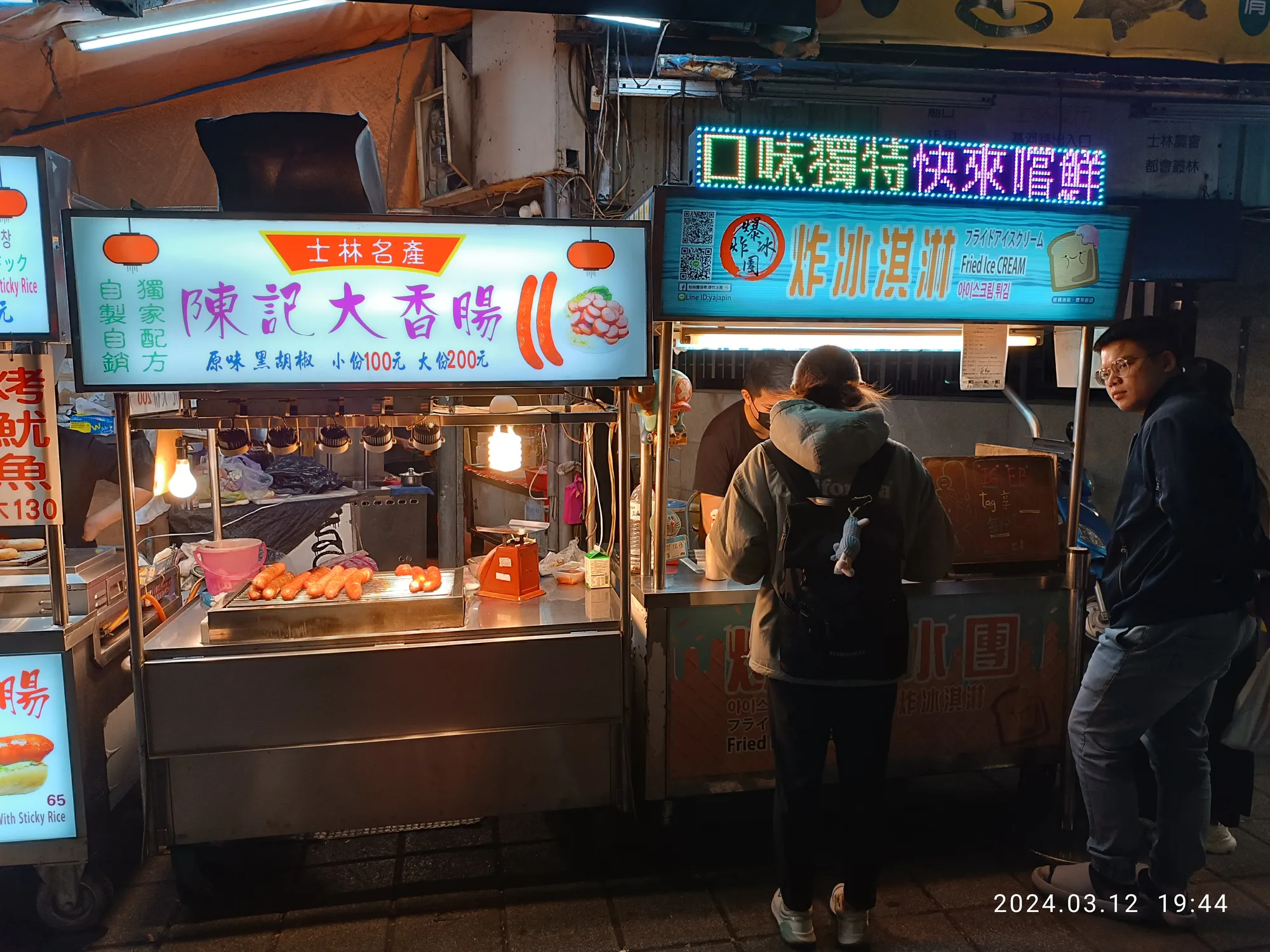
Numbers on a forecast don’t capture how Taipei feels day to day, so it helps to think in moods rather than averages. Spring tends to arrive damp and green, with soft light and a lot of “maybe rain, maybe not” mornings—lovely for parks and tea houses, occasionally frustrating for locked-in hiking plans. By the time the warm months take over, the city shifts into a slower, stickier rhythm where shade, air-conditioning, and an iced drink become genuine planning tools rather than luxuries.
Autumn often feels like the city exhaling: clearer skies, more comfortable evenings, and the kind of walking weather where you forget to check the time. Winter is mild by most standards but can turn grey and drizzly for stretches, which is exactly when Beitou’s steam and a bowl of something hot feel earned. None of these are guarantees—Taipei’s weather is genuinely changeable—so treat the “feel” as a tendency, not a promise, and pack so you can adapt either way.
The practical upshot: choose your dates around the experiences you care most about, then build a plan flexible enough to survive a surprise. A traveler chasing viewpoints should keep a spare clear-weather slot in reserve; a traveler chasing food and culture barely needs to worry about the sky at all.
Taiwan has two wet patterns worth understanding before you book. The first is the so-called “plum rain” season in late spring to early summer, when a stationary front can park over the island and deliver days of steady, soaking rain. The second is the broader typhoon season across the warmer half of the year, when tropical systems occasionally track close enough to affect Taipei with heavy rain and strong wind. Exact timing shifts every year, so a look at the Central Weather Administration’s official site for current conditions and forecasts beats relying on a fixed calendar.
Neither pattern should scare you off—plenty of great trips happen in these windows—but both reward flexible planning. The single best habit is to avoid hanging your whole trip on one fragile outdoor day. Keep your marquee hike or skyline viewpoint movable, and have an indoor plan you’d genuinely enjoy as a backup rather than a consolation prize. If a serious storm is forecast, follow official guidance, including any announcements about closures or suspended services, and simply pivot indoors.
On a practical level, wet-season travel is mostly about reducing exposure and protecting your mood. Short dashes between covered stops, a reliable compact umbrella, and shoes with grip turn a soggy forecast into a non-event. Taipei absorbs rain gracefully, and a well-planned wet day can be one of the most memorable parts of a trip.
Several of Taiwan’s biggest celebrations follow the lunar calendar, so their dates shift from year to year on the Western calendar. The most travel-relevant is Lunar New Year, when many local businesses close for several days and transport fills with people heading home; it’s a fascinating but logistically tricky window, so it’s worth pinning exact dates and likely closures on official sources well in advance. Closely tied to it is the Lantern Festival, which closes out the New Year period with lantern displays and a famously festive mood.
Later in the lunar year come the Dragon Boat Festival, with its dragon-boat races and sticky-rice dumplings, and the Mid-Autumn Festival, associated with mooncakes, family gatherings, and—very much a modern Taiwanese twist—outdoor barbecues. In Taipei’s orbit, the Pingxi Sky Lantern releases draw big crowds around the New Year period, and Dadaocheng’s Dihua Street hosts a bustling Lunar New Year market in the run-up to the holiday. Because all of these move with the lunar calendar, treat any specific date you read as provisional—current schedules are easy to confirm on official tourism listings.
The mindset that serves you best is to decide whether you want to travel toward a festival or around one. Aiming for a festival can be magical if you book early and accept bigger crowds; avoiding the busiest holiday peaks is the easier choice for a relaxed, walk-heavy trip. Either way, knowing roughly when these events fall helps you read prices, crowds, and closures before they surprise you.
Taipei packing is less about season-specific wardrobes and more about being ready for humidity and sudden shifts. In the warmer months, breathable, quick-drying fabrics beat anything heavy, and you’ll want sun protection plus a compact umbrella that doubles for sun and rain. In the cooler months, the temperatures rarely demand serious winter gear, but a light insulating layer and something water-resistant handle the grey, drizzly stretches that winter occasionally delivers.
The constants matter more than the variables. Comfortable, broken-in walking shoes with decent grip are the single most important item year-round, because Taipei is a walking-and-standing city and its tiled surfaces get slick when wet. A small day bag that can hold a folded umbrella, a water bottle, and a thin layer covers almost every situation the weather throws at you. Anything you forget, the city’s convenience stores and shops can usually cover—so pack light and adapt on arrival.
If you’re visiting hot springs in Beitou, it’s worth a glance at each venue’s policies, since some public baths have specific requirements around swimwear or caps; the details are easy to find on the official listing. Bringing a small towel is a low-effort win for both hot-spring days and rainy ones.
If you have any flexibility, the quieter windows between peak travel periods often deliver the best overall experience: thinner crowds at popular sights, easier restaurant seating, and a more relaxed pace on the MRT and at viewpoints. You’re trading a small amount of weather certainty for a lot more breathing room, which suits walk-heavy, food-forward trips especially well. Weekdays almost always beat weekends for the same reason, particularly at museums and headline attractions.
Rather than hunting for a single “best” week, plan with a calendar-aware mindset. Check whether your dates overlap a major holiday or festival, since those windows can mean higher prices, fuller trains, and closures—but also once-a-year experiences. If you’re crowd-sensitive and budget-minded, steer toward ordinary weekdays outside the big peaks; if you want the spectacle, lean in and book early. Either way, the goal is to know what you’re walking into.
Build the plan so it bends. Keep one outdoor highlight movable, favor district clusters over cross-city marathons, and leave a little slack each day for weather, naps, or an unplanned detour. A flexible plan beats a perfect forecast every time in a city this changeable.
The pages that pair best with this one — tap a card to keep planning.
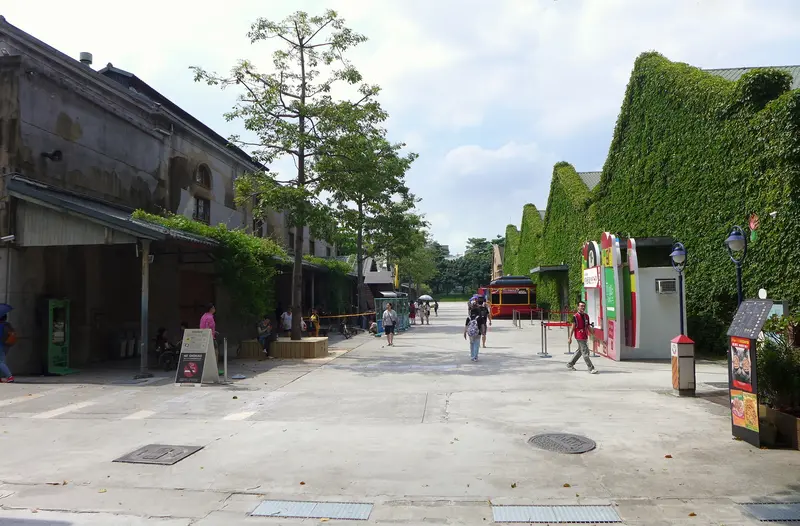 GuidesRainy day Taipei
A rainy day in Taipei can be perfect—here’s how to plan a full, satisfying day without getting soaked or stuck in transit.
 GuidesTaipei on a budget
Taipei can be surprisingly affordable if you lean into the city’s strengths: public transit, neighborhood food, parks, and free views.
 GuidesWhere to stay in Taipei
Choose a Taipei base that matches your trip: modern skyline, leafy cafés, late-night street culture, hot springs, or design-forward city living.
ItinerariesRainy day TaipeiA rainy-day itinerary that stays cozy and productive: creative park exhibitions, tea breaks, a comfort-food mission, and an optional hot-spring finish.
Quick answers to common planning questions.
Official pages and references for planning details.
Hand-picked next reads to make your Taipei plan smoother.
A rainy day in Taipei can be perfect—here’s how to plan a full, satisfying day without getting soaked or stuck in transit.
Read more →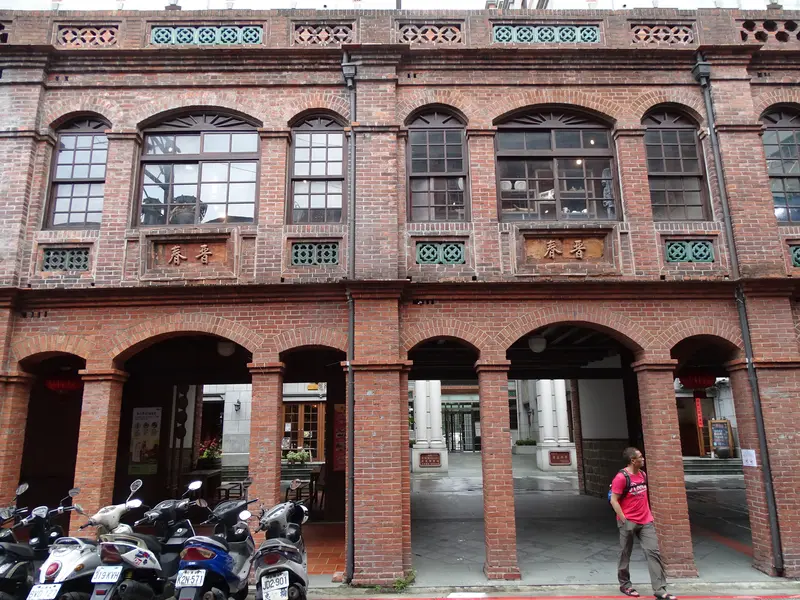
Taipei can be surprisingly affordable if you lean into the city’s strengths: public transit, neighborhood food, parks, and free views.
Read more →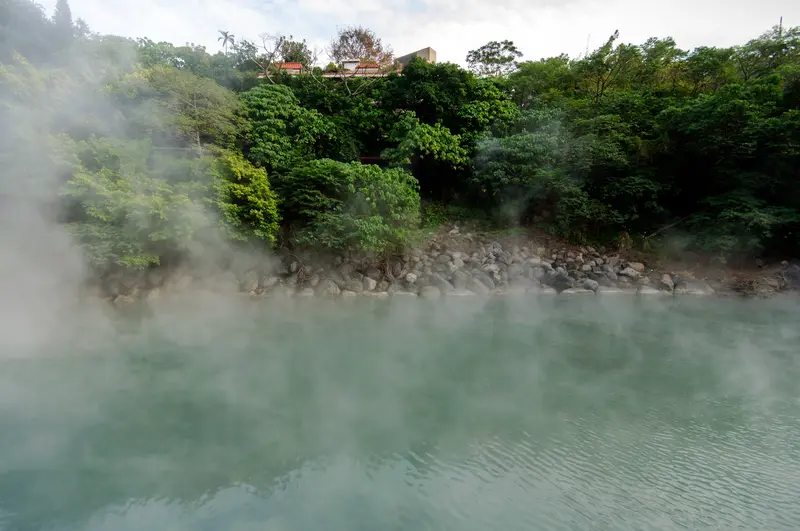
Choose a Taipei base that matches your trip: modern skyline, leafy cafés, late-night street culture, hot springs, or design-forward city living.
Read more →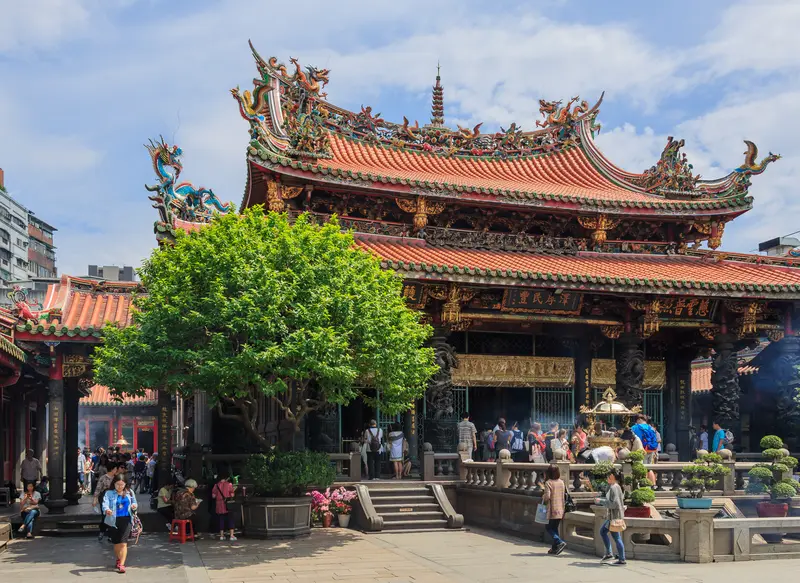
A rainy-day itinerary that stays cozy and productive: creative park exhibitions, tea breaks, a comfort-food mission, and an optional hot-spring finish.
Read more →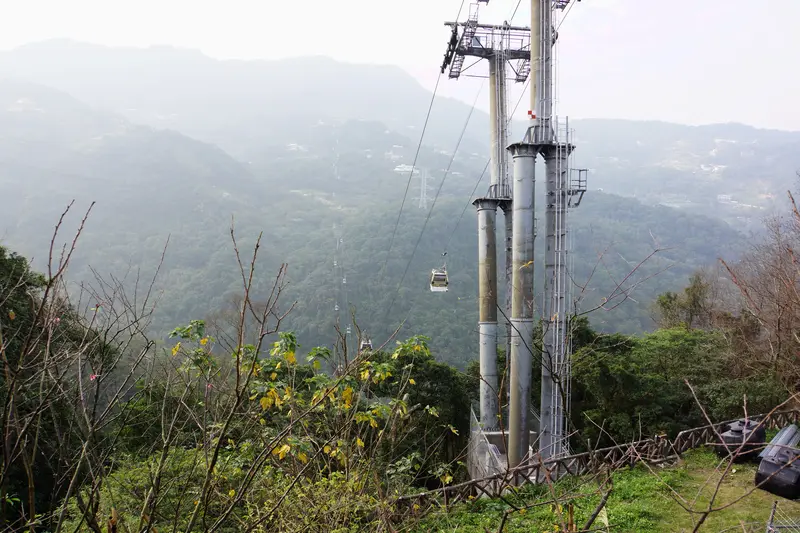
A nature-focused day that still feels very ‘Taipei’: a viewpoint hike, tea hills via gondola, and a soak in Beitou if you want the full reset arc.
Read more →A geothermal hot-spring district inside Taipei—perfect for rainy weather, sore legs, and a slower pace after big sightseeing days.
Read more →Start with a simple loop: one neighborhood stroll, one iconic sight, and one night market. Taipei rewards balance.
Tip: hours, prices, and seasonal schedules can change. When something matters (like a museum ticket or a special exhibition), check the official listing before you go.