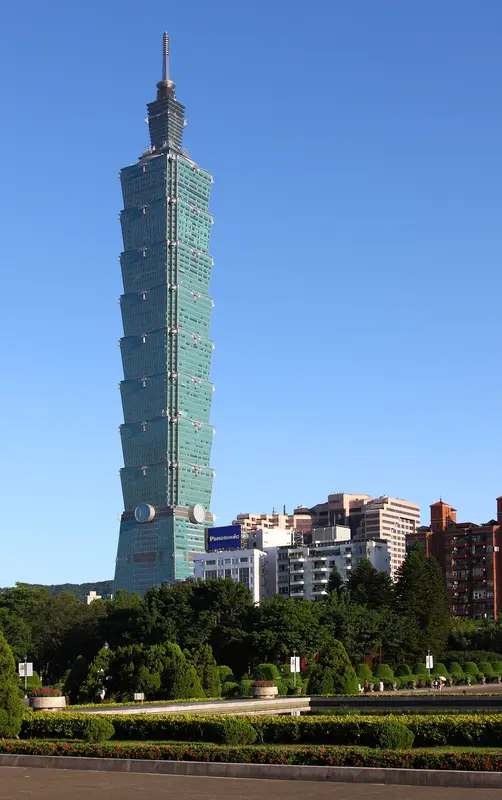
3 days in Taipei: culture, food, and the city’s best contrasts
A three-day plan that goes beyond icons: museum depth, heritage streets, tea culture, and multiple neighborhood vibes with built-in breathing room.
Read more →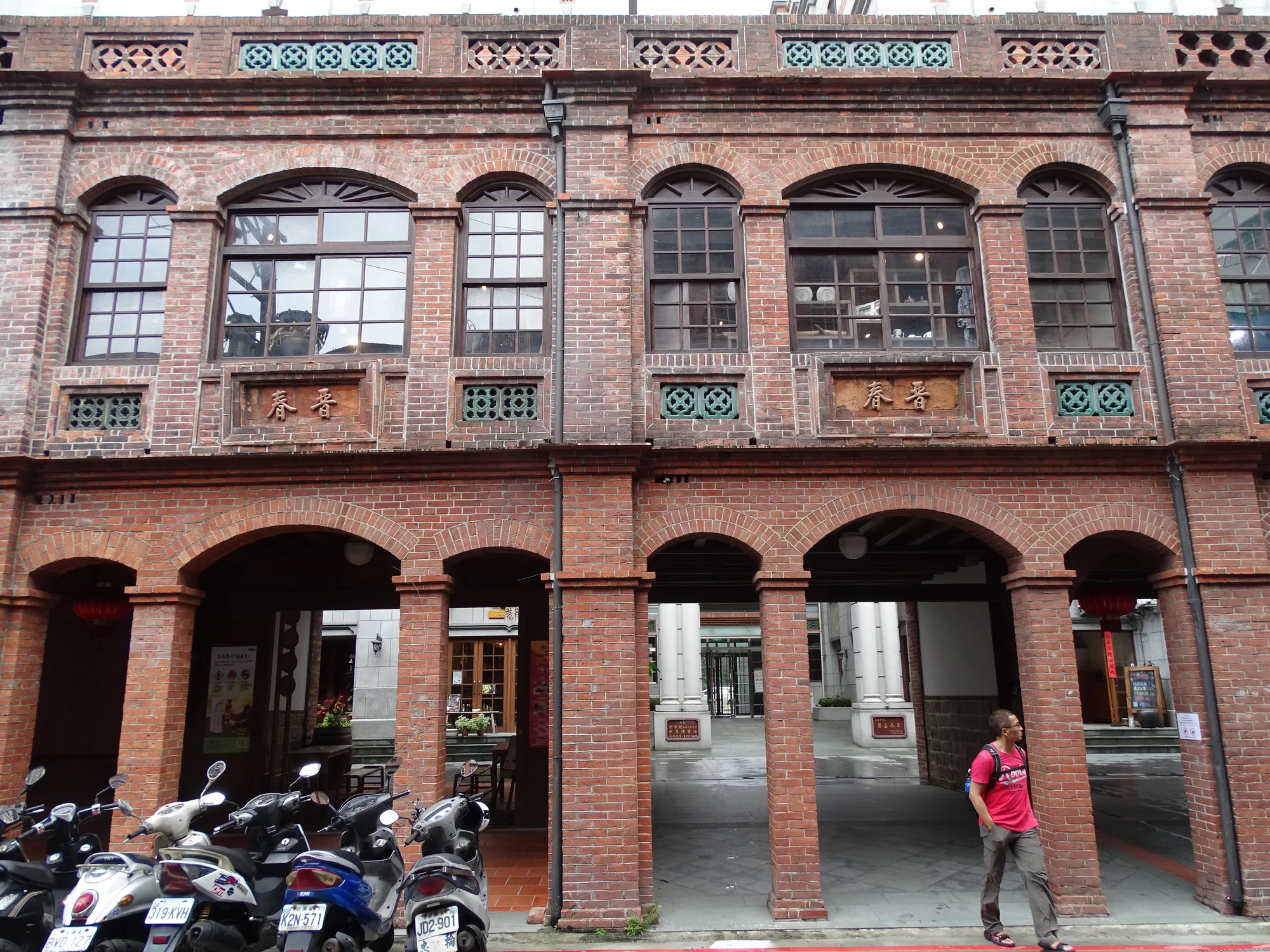
Taipei is an ideal base for easy day trips—choose between old towns, coastlines, hikes, hot springs, and lantern villages with minimal planning friction.
Taipei is an ideal base for easy day trips—choose between old towns, coastlines, hikes, hot springs, and lantern villages with minimal planning friction.
Updated June 20, 2026
 Quick facts資訊Time neededBest time / forGood to knowBest forTime to readMindsetRule
 Highlights亮點
Taipei’s density is a gift, but so is what surrounds it: mountains, seaside landscapes, old streets, and smaller towns that feel instantly different from the city core.
The best day trip is the one that matches your energy. Choose a single theme and do it well.
Use this as your decision shortcut: if you want atmosphere and photos, choose an old street. If you want ocean air, choose the coast. If you want to reset, choose a nature day and finish with food.
If this is your first time doing a Taipei day trip, choose something simple: one main destination that’s famous for a reason, then one small add-on nearby if you have energy.
The day stays fun when you’re not rushing between three distant stops.
If you want a completely different Taiwan mood, go to the coast. It’s a great contrast to Taipei’s dense city energy: wind, horizon lines, and geology.
Coast days are best when you keep the route short and commit to the scenery instead of trying to “collect” every stop.
If you want a calmer day without crowd pressure, choose tea culture. These day trips are more about pacing and atmosphere than about one famous photo spot.
They’re perfect as a mid-trip reset when your feet need a gentler day.

You don’t have to leave the city to change the vibe. Beitou feels like a different world, and Maokong gives you tea hills and views with minimal effort.
If you’re short on time, these are the best ‘big difference’ outings without the full day-trip logistics.
Start early. Even if you’re not a morning person, early hours are calmer, cooler, and easier for transportation. Plan one main destination, then one optional add-on nearby.
Avoid the temptation to do three far-flung stops in one day. Your photos will be better when you’re not rushing.
You don’t need a tour for most popular day trips—what you need is a simple plan and one backup option if transit timing shifts. The easiest approach is choosing one anchor destination and committing to it.
If a route feels too complex, simplify it: fewer stops, earlier start, and a clear return plan.
Jiufen is the postcard day trip for a reason: a former gold-mining town of steep stone lanes, red-lantern teahouses, and tiered views down to the sea, layered with the nostalgia of old Taiwanese cinema. The atmosphere peaks in the late afternoon and at dusk when the lanterns glow, but that’s also when the crowds peak, so the savvy move is to arrive earlier for quieter wandering, then linger as the light softens. The standard route is to take a train from Taipei to Ruifang and connect by bus, though direct buses also run from the city—either way, expect the final climb into town to be busy on weekends.
Just over the ridge sits Jinguashi, the quieter, more contemplative half of the same gold-mining story. Its Gold Ecological Park (the Gold Museum area) preserves mine structures, Japanese-era buildings, and a famously enormous gold bar you can touch, set against green hills that feel a world away from Jiufen’s crowded lanes. Pairing the two gives the day a satisfying arc—the bustling old street and then the open-air history—without overstacking your itinerary. A short bus links the areas, so you don’t need to backtrack to Taipei in between.
Treat this as a one-anchor day with a single add-on, not a race. The lanes are steep and can be slick in rain, the weather on this coast turns quickly, and the fun lies in slow browsing and tea with a view rather than ticking off sights. Opening hours and admission for the museum area can change, so a peek at the official site first helps, and aim to start your return before the evening crush builds at the bus stops.
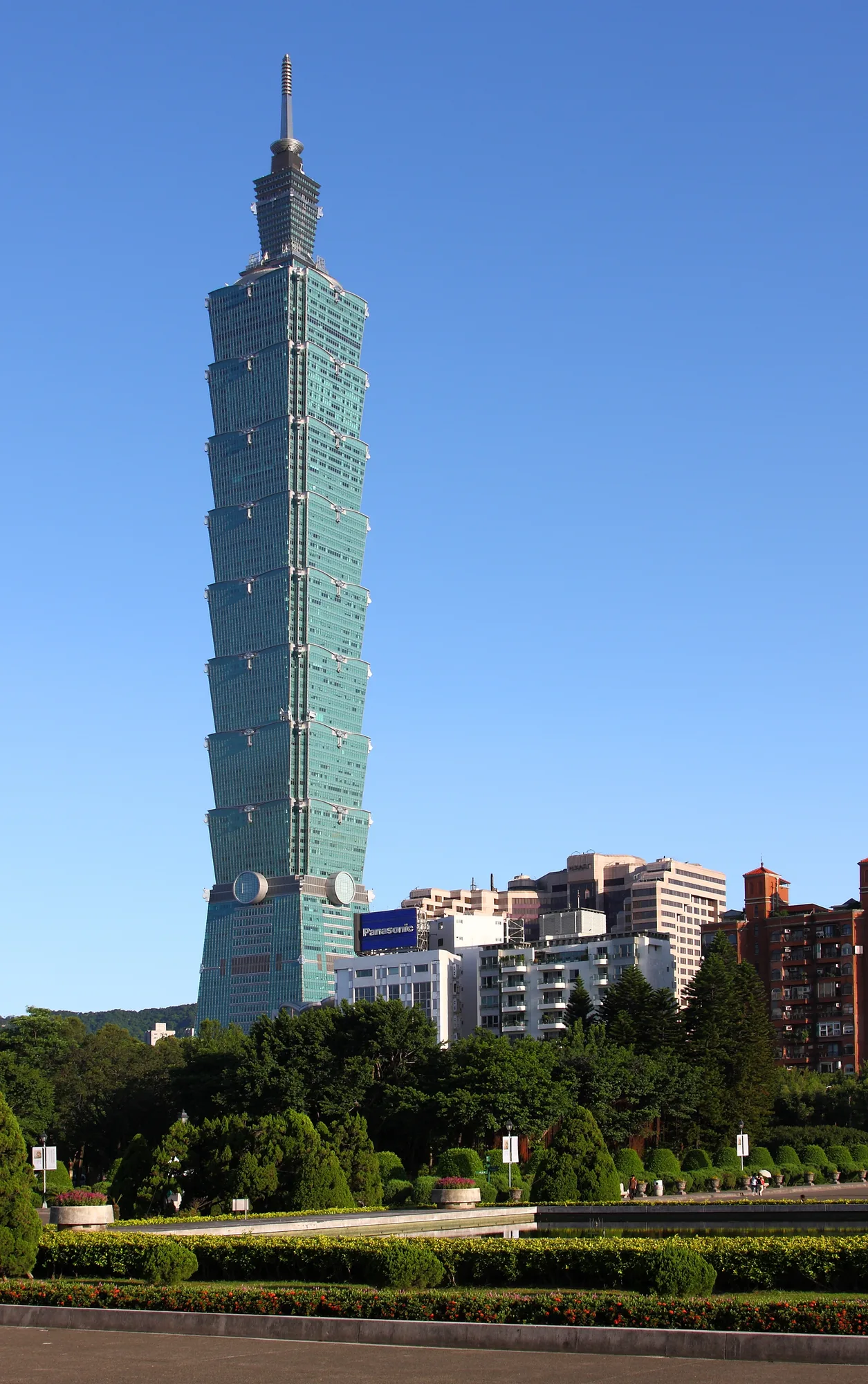
The Pingxi Line is one of the most charming rail journeys near Taipei—a single-track branch line, originally built to haul coal, that now trundles through green valleys past a string of small old towns. You reach it by taking a train to Ruifang and switching to the Pingxi branch, and a day pass for the line lets you hop on and off at will. The signature stops are Shifen, where the old street runs right alongside the active tracks and visitors release paper sky lanterns, and Pingxi itself, a sleepy mining town that’s the heart of the famous lantern festival. Shifen Waterfall, a broad cascade nicknamed Taiwan’s ‘Little Niagara,’ is a short walk from Shifen station and well worth the detour.
Houtong, on the same branch, is the wildcard: a former top coal-mining settlement reborn as a cat village, where dozens of resident cats lounge around a pedestrian bridge over the railway. It’s a light, easy, oddly delightful stop, and it pairs naturally with the Pingxi towns since they share the same line. You can structure the day as a relaxed string of short visits rather than one big destination—exactly the kind of low-pressure outing that suits travelers who like texture over checklists.
Because the line is single-track and trains run on a sparse timetable, the one piece of real planning is to note departure times so you’re not stranded waiting an hour at a tiny platform. A glance at the current schedule first never hurts, build in buffer for the connection at Ruifang, and don’t try to cram every stop—two or three towns plus the waterfall is a full, happy day. Lantern releases carry a small fee and the towns get busy on weekends, so weekday visits are noticeably calmer.
Tamsui is the easiest ‘big day trip feel’ you can have, because it’s the northern terminus of the Red line—no train connections, no buses to puzzle over, just ride to the end. It rewards you with a riverside promenade, a lively old street stacked with snacks, and one of the best sunset settings near the city as the sun drops over the river mouth toward Guanyin Mountain. The old-street eating is half the appeal: look for local specialties like A-gei, fish balls, and iron eggs as you wander.
Beyond the snacks, Tamsui carries real history. Fort San Domingo, built by the Spanish and rebuilt by the Dutch, sits alongside the old British Consular Residence and tells the story of this strategic river port and Taiwan’s colonial layers. A combination ticket typically covers several of these heritage sites together, though prices and opening days change, so a quick check on the official site pays off. It’s an easy add-on that gives the day depth beyond the waterfront.
For the classic finale, head out to Fisherman’s Wharf and the Lover’s Bridge for the sunset—reachable by a short bus, the Danhai light rail, or a pleasant ferry hop across the water. The ferry is the most atmospheric option and turns the journey itself into part of the experience. Time your afternoon so you’re at the wharf as the light goes golden, then ride the Red line straight back into the city for dinner. It’s a low-logistics day with a genuinely memorable ending.
If you want a landscape that looks like nowhere else in Taiwan, the north coast delivers. Yehliu Geopark is the headliner—a narrow cape of bizarre, wind-and-sea-sculpted rock formations, including the much-photographed Queen’s Head, set against open ocean. It’s an outdoor, exposed site, so it’s at its best on a clear day; bring sun protection and a windbreaker, because the cape catches the weather. Admission and hours apply and can change, so it’s worth a peek at the official site before setting out.
The wider north coast strings together more than just the geopark. Around Keelung you’ll find Heping Island Park with its own eroded coastal rock, and the colorfully painted houses of Zhengbin Fishing Harbor, which photograph beautifully and make for an easy, gentle stroll. These stops pair naturally because they sit along the same coastline, letting you build a day around sea air and geology rather than one single attraction. Reaching the coast generally means buses from Taipei or Keelung rather than the MRT, so check routes ahead.
The right way to do the north coast is to commit to the scenery and resist over-collecting stops. Pick one main anchor—usually Yehliu—and one or two nearby add-ons, leave generous buffer for bus timing, and finish with food. Keelung’s Miaokou Night Market is the natural ending: a dense, famous, seafood-forward market a short walk from the railway station that turns the coast day into a satisfying evening. As with all coastal outings, watch the forecast; this stretch is gorgeous in good weather and bleak in bad.
When you want a day that’s about calm rather than crowds, head south and east. Pinglin is a tea-country valley reachable by bus from Xindian, centered on the Pinglin Tea Museum and surrounded by terraced hillsides, riverside paths, and quiet teahouses. It’s the kind of place where the point is to slow down—sip a brew, walk a trail, and let the pace drop. The museum has free grounds and a modest admission for the exhibits, and hours and fares are easy to confirm on the official site, since the daily guided tour and closing times can change.
Yilan, over the mountains on the east side, is a bigger commitment but a genuinely different region. The fast highway and rail links have made it an easy escape for hot springs at Jiaoxi, waterfalls like Wufengqi, the craft-focused National Center for Traditional Arts, and one of the country’s best-loved night markets at Luodong. It’s really a full day in its own right rather than a quick add-on, so pick one or two Yilan anchors and let the rest go—trying to ‘see Yilan’ in a day is a recipe for spending it on transport.
Both of these suit travelers who’ve already done the marquee day trips and want something gentler and less photographed. They reward an early start and a loose plan: choose your anchor, check the return timings, and treat the journey as part of the rest. If your feet are tired from city days, a tea valley or a hot-spring town is the ideal mid-trip reset before you dive back into Taipei’s density.
Most Taipei day trips run on a simple two-part backbone: a train for the long haul and a bus for the last mile to scenic spots. Trains are predictable and beat traffic, which is why so many routes start with a ride to a hub like Ruifang before a connecting bus or branch line. The Taiwan Tourist Shuttle network covers several scenic areas with tourist-friendly routes, and your EasyCard works across most trains, buses, and the MRT—keep it topped up so you’re never stuck at a counter. For the genuinely far destinations, intercity buses and the high-speed rail open up the map, but for the classics, regional trains plus local buses are all you need.
Timing is the single biggest lever on a smooth day. Start earlier than feels necessary: early hours are cooler, calmer, and easier for connections, and they buy you slack when a bus runs late or a branch-line train is sparse. Build buffer into every transfer, note return timetables before you commit to a final stop, and aim to head back before you’re exhausted—the ending of a day trip matters as much as the start. Weekdays are noticeably quieter than weekends at popular spots, so if your schedule allows, shift the big outings off the weekend.
Pack light but deliberately. Comfortable shoes are non-negotiable—old streets are steep and stairs are everywhere—and a compact umbrella doubles as rain and sun cover in Taipei’s changeable weather. Carry water, a small cash buffer for stalls and bus fares that don’t take cards, and a charged phone with offline maps and saved screenshots of addresses you can show drivers or staff. On the coast or in the hills, add a windbreaker and sun protection. A little preparation is what separates a relaxed day from a stressful one.
The pages that pair best with this one — tap a card to keep planning.
A three-day plan that goes beyond icons: museum depth, heritage streets, tea culture, and multiple neighborhood vibes with built-in breathing room.
ItinerariesOutdoors TaipeiA nature-focused day that still feels very ‘Taipei’: a viewpoint hike, tea hills via gondola, and a soak in Beitou if you want the full reset arc.
ItinerariesDay tripA high-payoff day trip that balances scenery with food: do one coastal anchor in the afternoon, then finish with Keelung’s famous night market in the evening.
ItinerariesDay tripA calmer Jiufen day plan: do Jinguashi’s gold-mining context first, then enjoy Jiufen’s lanes and teahouse atmosphere with less rush and better light.
Quick answers to common planning questions.
Official pages and references for planning details.
Hand-picked next reads to make your Taipei plan smoother.
A three-day plan that goes beyond icons: museum depth, heritage streets, tea culture, and multiple neighborhood vibes with built-in breathing room.
Read more →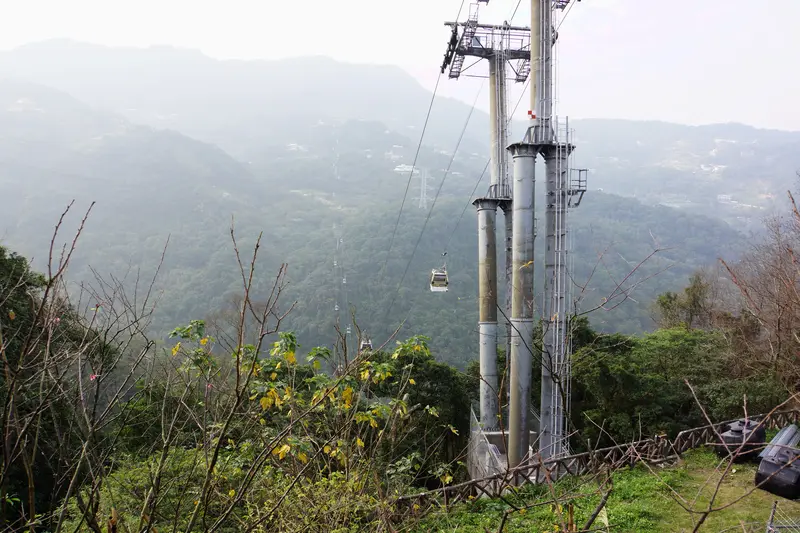
A nature-focused day that still feels very ‘Taipei’: a viewpoint hike, tea hills via gondola, and a soak in Beitou if you want the full reset arc.
Read more →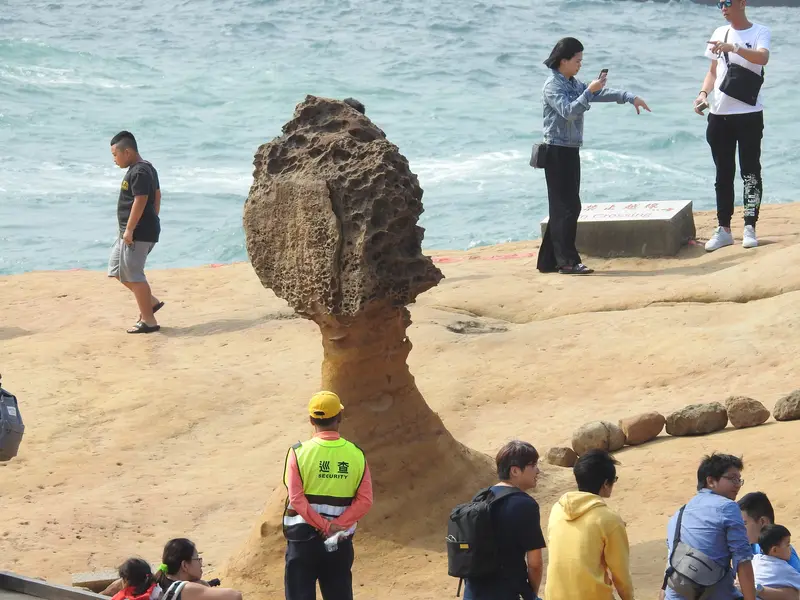
A high-payoff day trip that balances scenery with food: do one coastal anchor in the afternoon, then finish with Keelung’s famous night market in the evening.
Read more →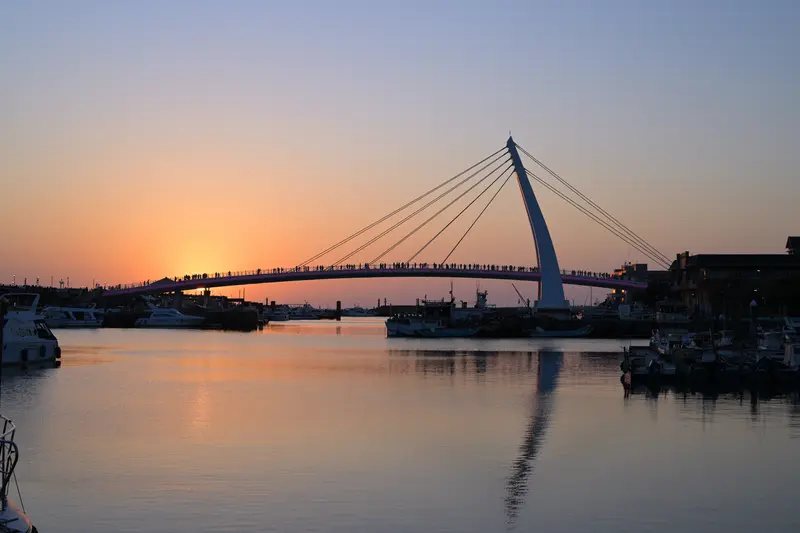
A calmer Jiufen day plan: do Jinguashi’s gold-mining context first, then enjoy Jiufen’s lanes and teahouse atmosphere with less rush and better light.
Read more →A low-stress rail-line day trip built around two stops: one old-street vibe and one cute, photogenic cat-town moment—plus an optional mining-history add-on.
Read more →A low-stress New Taipei day trip built around two stops: Sanxia’s historic street atmosphere and Yingge’s ceramics culture—plus plenty of time for snacks and slow browsing.
Read more →Start with a simple loop: one neighborhood stroll, one iconic sight, and one night market. Taipei rewards balance.
Tip: hours, prices, and seasonal schedules can change. When something matters (like a museum ticket or a special exhibition), check the official listing before you go.