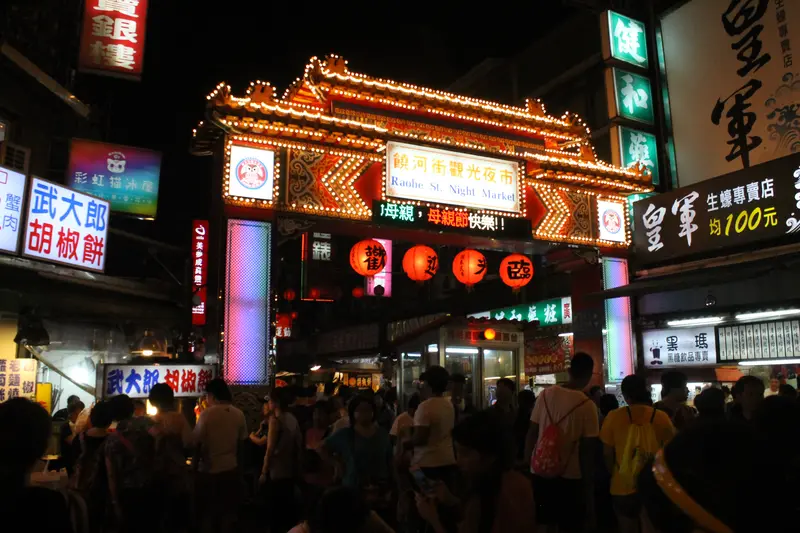
Best day trips from Taipei (with a simple decision framework)
Taipei is an ideal base for easy day trips—choose between old towns, coastlines, hikes, hot springs, and lantern villages with minimal planning friction.
Read more →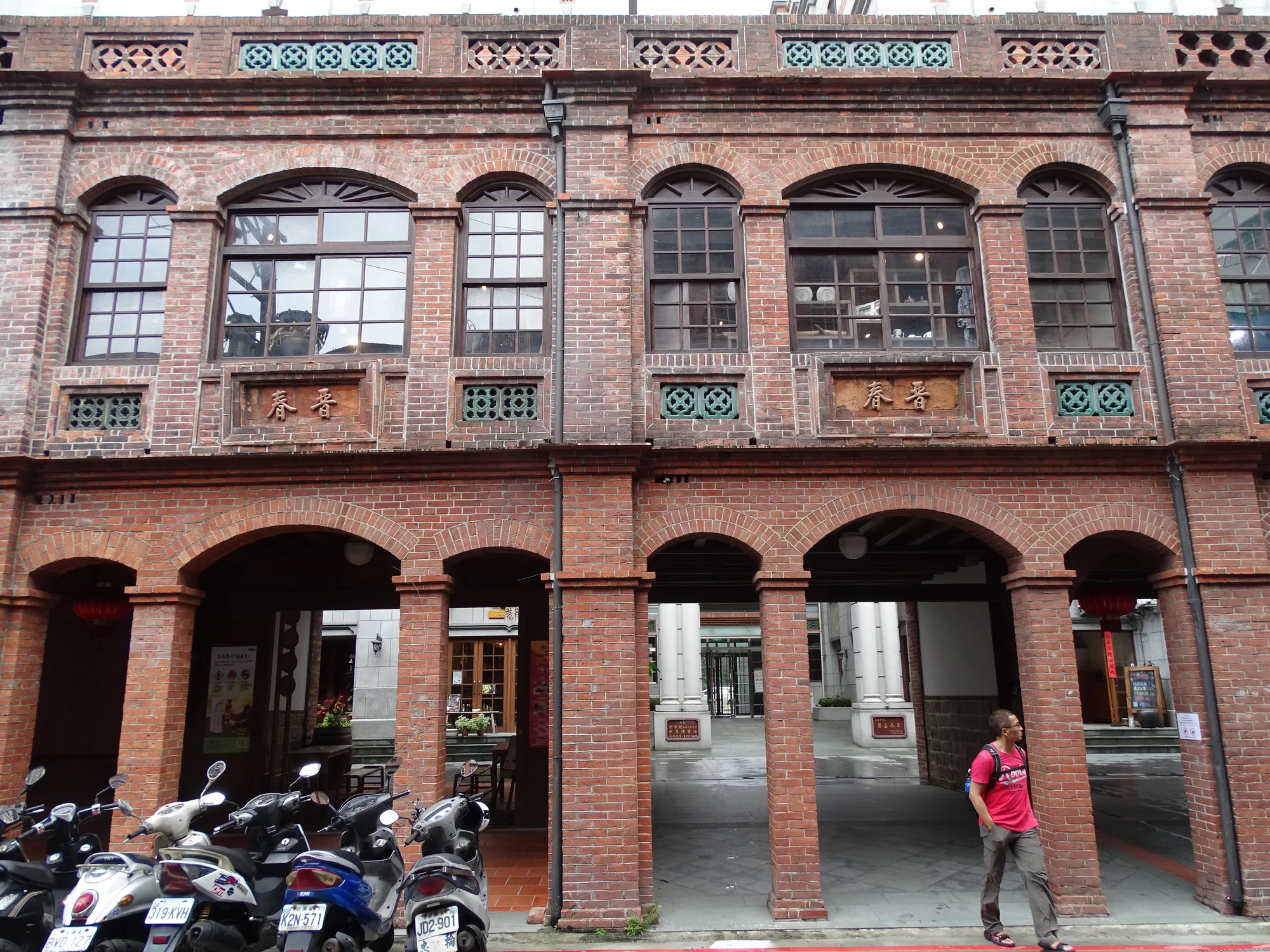
A calmer Jiufen day plan: do Jinguashi’s gold-mining context first, then enjoy Jiufen’s lanes and teahouse atmosphere with less rush and better light.
A calmer Jiufen day plan: do Jinguashi’s gold-mining context first, then enjoy Jiufen’s lanes and teahouse atmosphere with less rush and better light.
Updated June 20, 2026
 Quick facts資訊Time neededGetting thereBest time / forGood to knowBest forPaceRuleTransit note
 Highlights亮點
Jiufen is close enough for a day trip, but the transit can feel confusing on a first try. Keep it simple: either take a direct bus from Taipei or take the train to Ruifang and transfer from there.
The winning strategy is the same either way: leave earlier than you think you need to. Morning hours are calmer, better for photos, and less crowded on narrow lanes.
Start with the mining-history side of the region. Morning energy is better for museum-style visits, and it gives the day a narrative before you hit the famous lanes.
This region is full of tempting detours. The day stays enjoyable when you choose one small scenic add-on, then commit to Jiufen’s lanes without trying to “collect” every viewpoint.
Fog and rain are common. If the view disappears, lean into atmosphere instead: teahouse warmth, lanterns, and slow browsing.
Move to Jiufen when you’re ready for browsing and food. The goal here is slow wandering, not completing a checklist. Narrow alleys, lanterns, small snacks, and the feeling of being above the sea are the real experience.
The best Jiufen visit is one where you take breaks. A teahouse stop is not optional if you want this to feel calm instead of crowded.
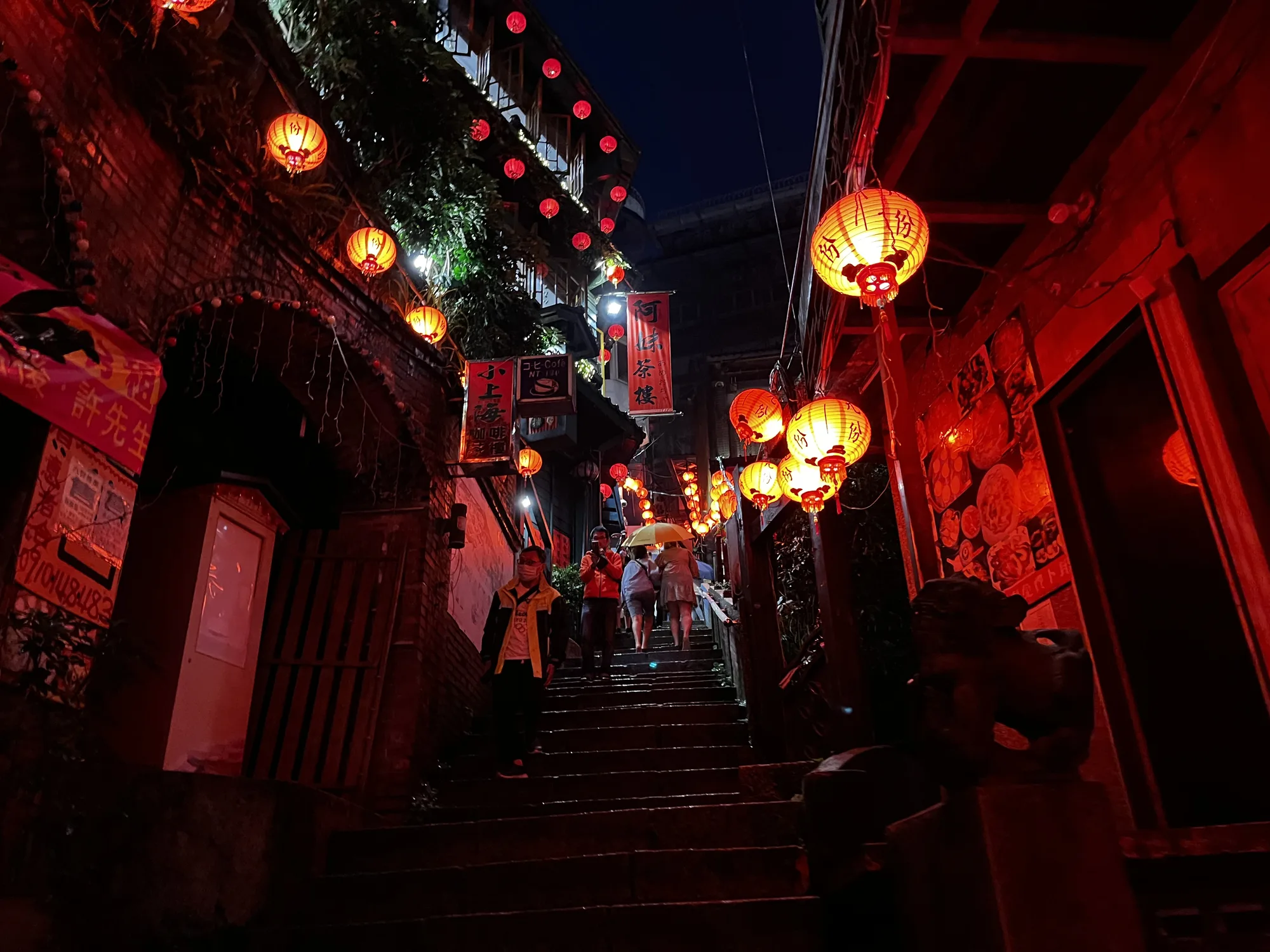
Jiufen at dusk can be beautiful, but it can also be peak crowd time. Decide what you want: lantern photos and evening atmosphere, or a smoother return with less waiting.
Either way, returning to Taipei for an easy dinner is part of the pleasure. The contrast—hills to city—is the satisfying ending.
Jiufen and Jinguashi share a single dramatic history: gold. Gold was discovered here in the late 19th century, and through the Japanese colonial era the area boomed into one of the most productive mining regions in East Asia, with Jinguashi as the gold-and-copper mining hub and Jiufen as the bustling town above. When mining wound down in the latter half of the 20th century, the towns faded—then Jiufen found a second life as a nostalgic, atmospheric destination, helped along by its starring mood in Taiwanese cinema and its much-photographed lantern-lit teahouses.
Knowing this transforms the day from a snack-and-photo run into something richer. The narrow, vertical lanes make sense as a mining-boom town clinging to a steep hillside; the teahouses and old shopfronts carry the patina of that history; and the Gold Museum at Jinguashi gives you the hard context—the tunnels, the refining, the lives of the miners—that makes the atmosphere upstairs in Jiufen resonate. Doing the museum first, then the lanes, is why this plan reads as a story rather than a queue.
Jiufen’s old street is a grazing destination, so arrive hungry and share. The local signatures lean toward warm, comforting, and a little nostalgic: taro balls (yuyuan) in sweet syrup—hot in cold weather, iced in summer—are the iconic Jiufen treat, often served at shops with sweeping sea-view terraces. You’ll also find savory snacks, fish-ball soups, peanut-ice-cream rolls with cilantro, and various braised and grilled bites along the lanes.
The real Jiufen food experience, though, is a teahouse. Sitting down for a pot of oolong as mist drifts over the hills (or lanterns glow at dusk) is the moment that defines the visit—it’s also the pacing tool that keeps the crowded lanes from wearing you out. Treat the teahouse not as optional but as the centerpiece of your time here. Carry small cash, since many stalls don’t take cards, and don’t try to eat everything; a few shared bites plus tea is the sweet spot.
This day suits photographers, history lovers, and return visitors who want the region’s story as well as its atmosphere—and who appreciate the calmer, context-first pacing over a crowd-marathon ‘Jiufen only’ trip. It rewards an early start, a willingness to step off the main lane, and a teahouse mindset. The mix of mining heritage and old-street mood gives it real depth for travelers who like their day trips to mean something.
It’s less ideal for anyone with mobility limitations (Jiufen is steep and stair-heavy), for travelers who dislike crowds and can’t go early or on a weekday, or for those wanting beach-and-sun scenery rather than misty hills and history. If you want a gentler day, shorten the old-street time, prioritize the Gold Museum and one teahouse, and skip the viewpoint-hopping. With kids, keep it short, plan for the stairs, and lean on the taro balls and the teahouse.
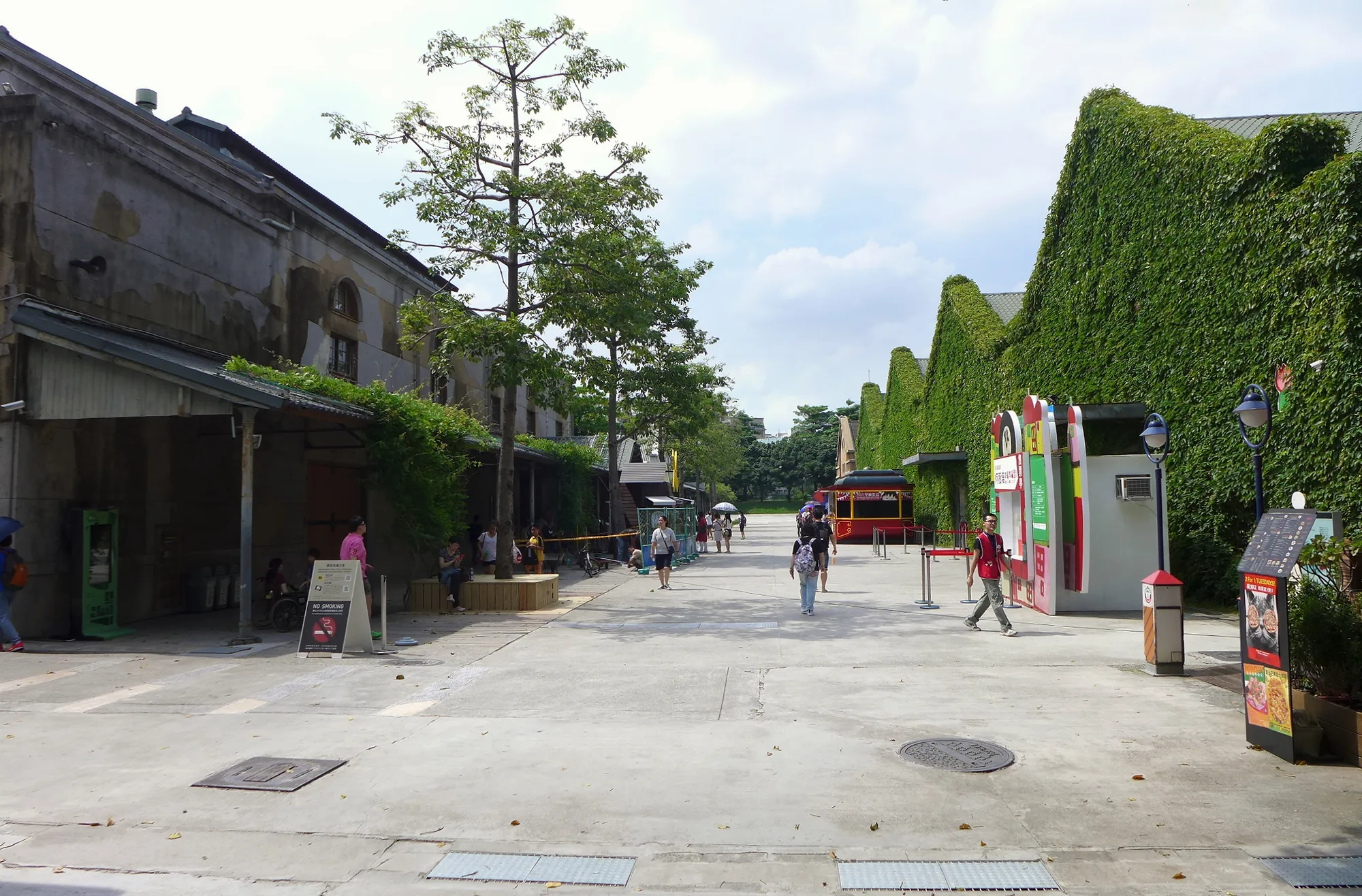
Jinguashi deserves more than a token stop. The Gold Ecological Park (Gold Museum) preserves the heart of the old mining operation: you can walk a section of a real mine tunnel (the Benshan No. 5 Tunnel), see the refining buildings, tour the elegant Crown Prince Chalet built for a planned royal visit, and—the famous highlight—touch a colossal gold ingot weighing around 220 kilograms. It’s a genuinely substantial museum that turns abstract ‘mining history’ into something tactile and human.
Beyond the museum, Jinguashi’s setting is striking in its own right—green ridges, the remains of industrial structures, and views toward the sea, including the famous (and unswimmable) ‘Golden Waterfall’ and the Yin-Yang Sea, both colored by mineral runoff from the old workings. Morning is the right time for this side of the day: museum energy is better when you’re fresh, the site is quieter, and it gives the day its narrative before you climb into Jiufen’s snack lanes. Current hours and any closed days (the museum typically closes one Monday-type day and over Lunar New Year) are worth a peek first.
Jiufen’s layout confuses first-timers because it’s vertical, not flat. The two arteries to know are Jishan Street—the covered, snack-and-shop ‘old street’ that runs roughly horizontally—and Shuqi Road, the steep, photogenic stone staircase lined with lanterns and teahouses that everyone wants to photograph. They intersect, and most of the magic happens where the two meet. Expect stairs constantly; this is not a place for wheeled luggage or anyone who struggles with steps.
The crowds concentrate hard on these two lanes, especially midday and at dusk. The trick is to step off them for short breathers—side alleys and quieter viewpoints can feel dramatically calmer just meters from the crush—and to anchor yourself in a teahouse when the press of people gets tiring. Keep your group together at junctions, mind the steps when they’re wet (mist is constant up here), and budget extra time for the simple act of moving through crowds. Patience and a willingness to wander off-piste are what make Jiufen enjoyable rather than overwhelming.
These hills make their own weather, and it’s often wetter and mistier than Taipei below. That’s not necessarily bad: fog drifting through lantern-lit lanes is part of Jiufen’s cinematic appeal, and a teahouse feels even cozier when the view is socked in. But it does mean you should pack for it—a compact umbrella or light rain layer and, crucially, shoes with good grip, since the stone stairs get genuinely slick. A light extra layer is wise too, as it can be cooler and breezier up here than in the city.
Season matters mostly for comfort and crowds. Spring and autumn offer the most pleasant temperatures; summer is humid and can bring sudden downpours (and afternoon thunderstorms); winter is cool, damp, and atmospheric. Weekends and holidays are the busiest by far, so a weekday visit is worth real effort. Whatever the forecast, lean into the atmosphere—if the views disappear into cloud, prioritize the museum and teahouse rhythm rather than chasing viewpoints that won’t deliver.
Jiufen and Jinguashi sit in the same corner of the northeast as several other worthwhile stops, so the region rewards a little planning. Because you’re routing through Ruifang, you can in principle connect onward to the Pingxi rail line (Shifen waterfall, old streets, sky lanterns) or the Houtong cat village—but be honest about energy and timing. Stacking Jiufen with a full Pingxi day usually turns a relaxed outing into a transit marathon, so most travelers are happier choosing one region per day.
If you do want to combine, the gentlest pairing is Jiufen plus Houtong (a short, low-effort cat-village stroll) rather than Jiufen plus a multi-stop Pingxi day. Alternatively, treat Jiufen–Jinguashi as a complete day in itself and save Pingxi or the north coast for a separate outing. Whatever you choose, the golden rule holds: leave buffer time, watch the return crowds, and don’t over-schedule a region whose whole charm is its unhurried, atmospheric pace.
Quick answers to common planning questions.
Official pages and references for planning details.
Hand-picked next reads to make your Taipei plan smoother.
Taipei is an ideal base for easy day trips—choose between old towns, coastlines, hikes, hot springs, and lantern villages with minimal planning friction.
Read more →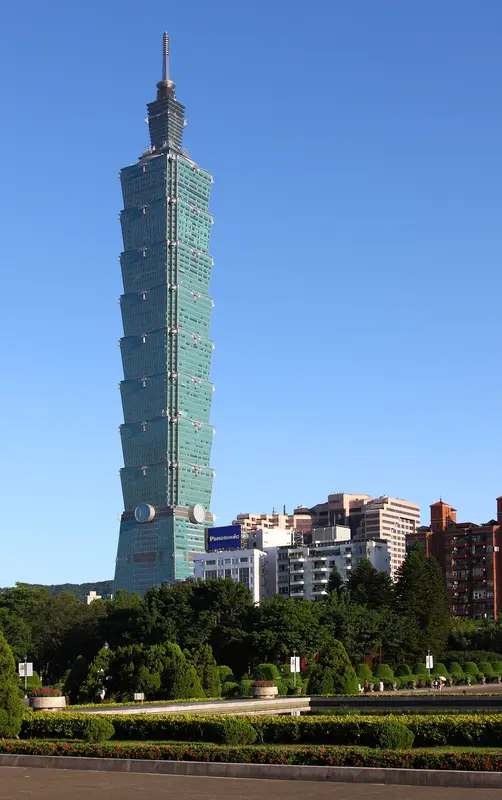
Taipei is a year-round city—this guide helps you choose dates based on weather, crowds, and the kind of trip you want (food, hiking, culture, or shopping).
Read more →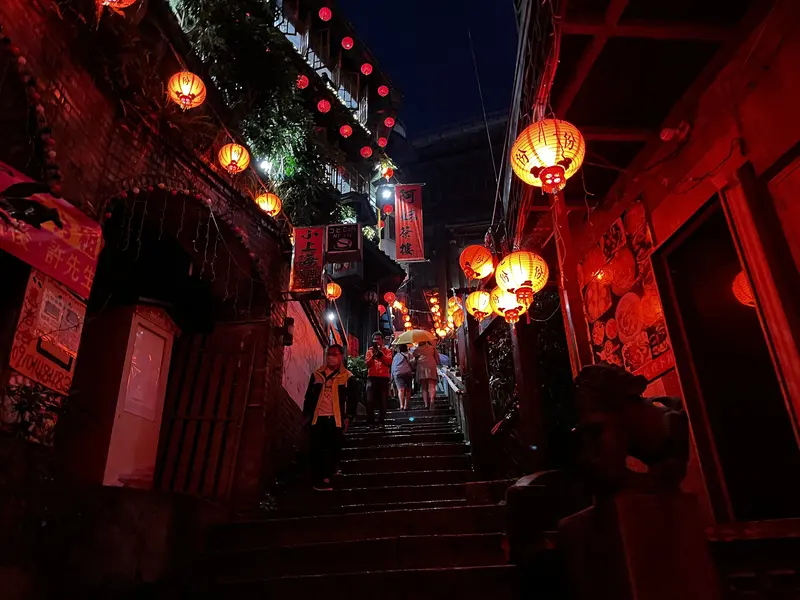
A former gold-mining town in the mountains of Ruifang, New Taipei—stepped alleys, red-lantern-lit lanes, and traditional teahouses made famous after Hou Hsiao-hsien’s 1989 film ‘A City of Sadness’. A high-atmosphere day trip; start early and stay for the lanterns at dusk.
Read more →A scenic, history-rich hillside above Jiufen where Taiwan’s biggest gold and copper mines once ran under Japanese rule. Its Gold Ecological Park and Gold Museum tell the mining story – including a 220 kg gold bar you can touch – with mountain views and a calmer pace than the old-street crowds.
Read more →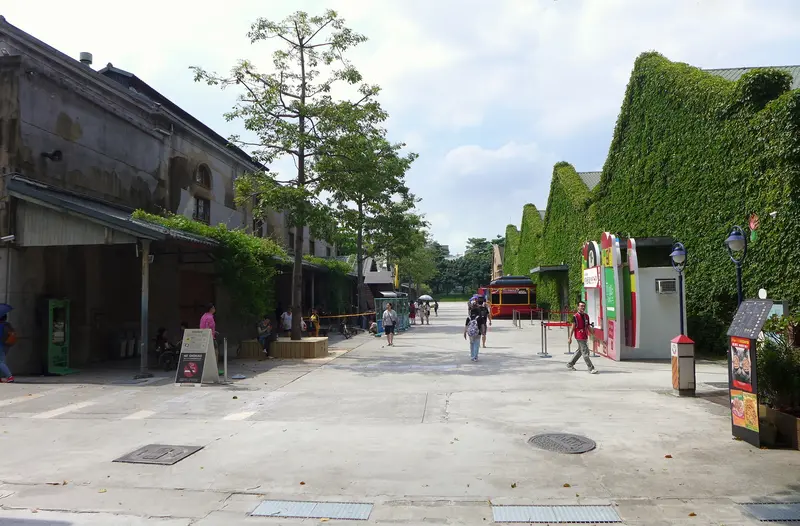
Opened in 2004 in the old mining town of Jinguashi, this open-air “ecology museum” tells the story of the region’s gold and copper boom. Highlights include a 220kg solid-gold ingot you can actually touch, the Benshan Fifth Tunnel where you can step underground, and restored Japanese-era buildings — real context for any Jiufen-area day trip.
Read more →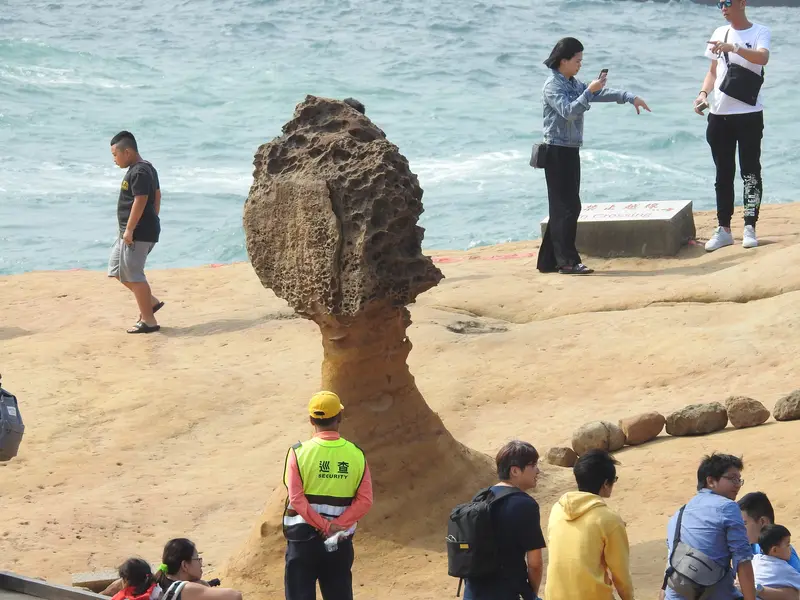
A high-payoff day trip that balances scenery with food: do one coastal anchor in the afternoon, then finish with Keelung’s famous night market in the evening.
Read more →Start with a simple loop: one neighborhood stroll, one iconic sight, and one night market. Taipei rewards balance.
Tip: hours, prices, and seasonal schedules can change. When something matters (like a museum ticket or a special exhibition), check the official listing before you go.