Skip to content
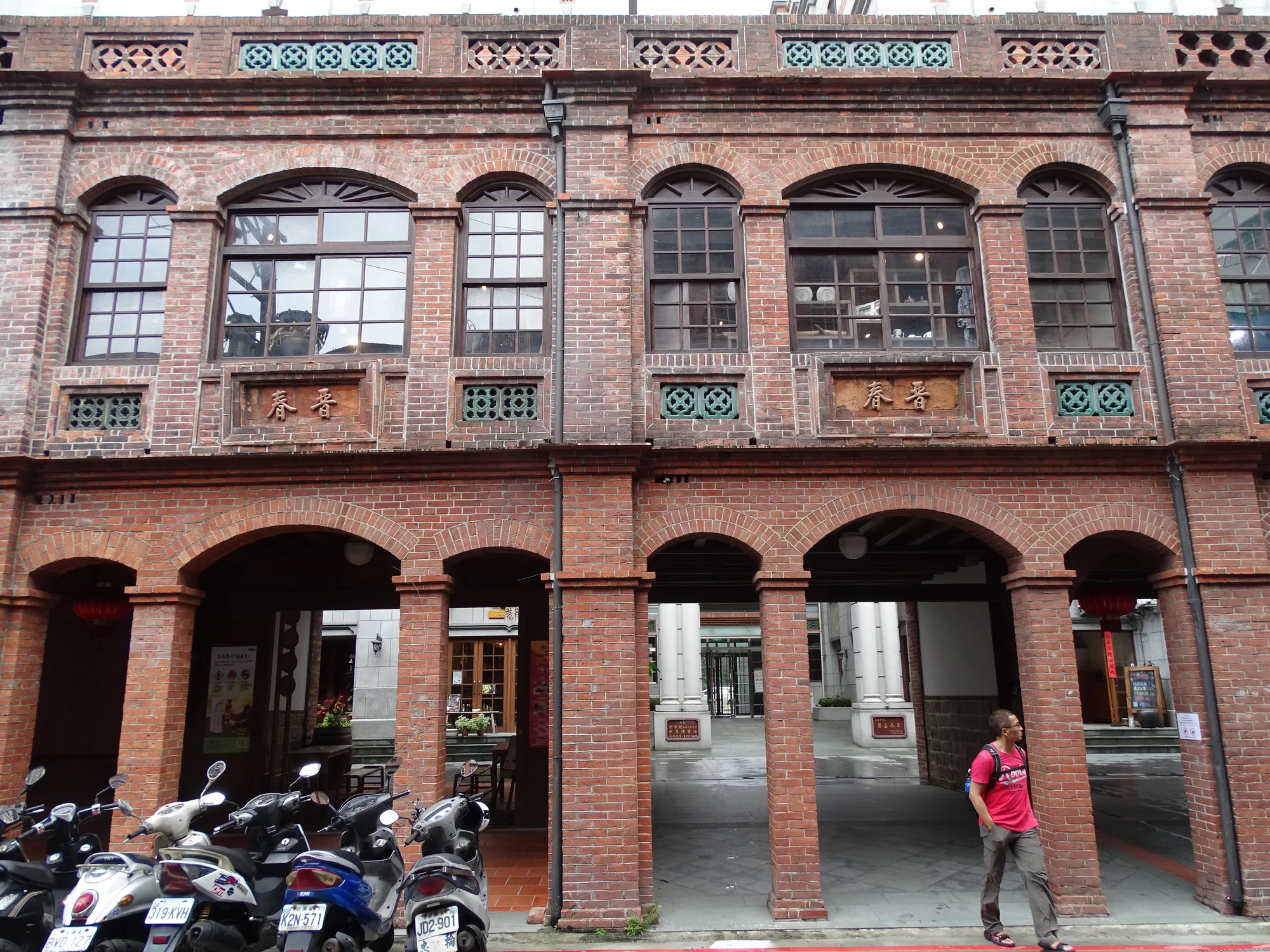
A historic red-brick shophouse facade with arched windows and a covered arcade on Dihua Street, Dadaocheng, Taipei
Taipei · 台北 · 25.03°N 121.56°E

Taoyuan day trip: Daxi Old Street + Cihu + Shimen Reservoir

An easy ‘close by’ day trip west of Taipei: heritage strolling in Daxi, a unique stop at Cihu, and open-air views at Shimen Reservoir—balanced and low-stress.

Adam Jones from Kelowna, BC, Canada · CC BY-SA 2.0

An easy ‘close by’ day trip west of Taipei: heritage strolling in Daxi, a unique stop at Cihu, and open-air views at Shimen Reservoir—balanced and low-stress.

Updated June 20, 2026

Quick facts資訊

Time needed
Full day trip west of Taipei (easy to scale down)
Getting there
Bus-based via Taoyuan: Taoyuan Bus routes from Taoyuan Station or Bus 5096 from Zhongli reach Daxi, with onward buses (e.g. the Cihu line / Bus 5050/5055/501) to Cihu and Shimen Reservoir—routes are worth a quick look first
Best time / for
Spring and autumn are most comfortable; clear days reward the reservoir views, and weekdays are calmer at Daxi Old Street
Good to know
This is a relaxed ‘close by’ day west of Taipei that mixes heritage and nature, but it’s bus-based via Taoyuan with no direct MRT—check routes and frequency, and feel free to drop a stop if you’re tired.
Best for
Trips 4+ days, photographers, slow travel
Pace
Easy to moderate
Rule
Drop one stop if tired

Highlights亮點

  • A relaxed day trip with minimal travel fatigue
  • Great mix of old-street vibes and nature
  • Easy to scale down to 2 stops

Why this Taoyuan day is a relaxed, varied option

West of Taipei, in Taoyuan, lies an easy ‘close by’ day trip that mixes old-street heritage with open-air nature: a slow morning browsing Daxi Old Street, then your choice of the unusual Cihu Memorial Sculpture Park and/or the open views of Shimen Reservoir. It’s balanced, low-stress, and easy to scale—do all three stops for a full day or trim to two for an easier one. The variety (heritage architecture plus a reflective park plus a reservoir) gives the day texture without the crowds of the headline day trips.

The plan is deliberately flexible. Daxi is the cultural anchor; Cihu and the reservoir are the nature-and-curiosity afternoon, and you can pick one or both depending on energy and weather. There are no must-rush logistics—just a sensible bus-based route through Taoyuan and a willingness to slow down. It suits photographers, slow travelers, and anyone on a trip of four or more days who wants a different, lesser-visited corner of the region.

The one rule worth keeping: drop a stop if you’re tired. The day is most enjoyable when it feels spacious, so there’s no shame in skipping the reservoir (or Cihu) and lingering longer where you are. A relaxed two-stop version beats a frantic three-stop one, and the bus-based pacing rewards an unhurried approach.

  • A relaxed ‘close by’ day mixing heritage (Daxi) with nature (Cihu, reservoir)
  • Easy to scale: all three stops for a full day, or two for an easier one
  • Lesser-visited and low-crowd compared to the headline day trips
  • Rule: drop a stop if you’re tired—keep the day spacious

Late morning: Daxi Old Street

Start with Daxi Old Street when you have daylight and energy for browsing. A former river-port town that thrived on the camphor and tea trades, Daxi is known for its handsome Baroque-façade shophouses—built in the 1910s during the Japanese era, with an eclectic fusion of Western pediments and Chinese motifs along Heping and Zhongshan roads. Walk slowly, look up at the ornate gables, and enjoy the architectural detail; it’s one of the more elegant old streets in the wider Taipei region.

Daxi is also a food and craft stop: it’s famous for dried tofu (a local specialty), peanut candies, and tofu pudding, and it has a tradition of woodcraft and furniture-making. Snack lightly as you browse, pick up an edible souvenir or two, and let the morning be unhurried. This heritage anchor sets a calm, observational tone before the afternoon’s nature stops. Shop hours can vary between weekdays and weekends, so a quick check helps.

  • Daxi Old Street: Baroque-façade shophouses from a former river-port town
  • Local specialties: dried tofu, peanut candies, tofu pudding
  • A woodcraft and furniture-making tradition; browse and snack lightly
  • Walk slowly and look up at the ornate gables; shop hours are worth a peek

Afternoon: Cihu + reservoir (choose your pace)

In the afternoon, choose your pace among two contrasting stops. The Cihu Memorial Sculpture Park is the unusual, reflective option—a parkland gathering of around 150 statues of Chiang Kai-shek relocated from around Taiwan, set near the Cihu Mausoleum, with an hourly honor-guard ceremony. It’s a genuinely distinctive, quietly thought-provoking place and very photogenic. Shimen Reservoir is the nature option—a large reservoir with open views, a lakeside trail, a suspension bridge, and ‘fish street’ restaurants, ideal for a breath of fresh air and a scenic reset.

If you want a full day, add both; if you want an easier day, pick one and keep it calm. Cihu suits travelers drawn to the curious and the contemplative, while the reservoir suits those wanting open-air scenery and a gentle walk. On a clear day the reservoir views pay off most; if you’re short on energy, choosing just one keeps the day relaxed. Both are reached by onward bus from Daxi—routes and timings are easy to confirm.

  • Cihu Memorial Sculpture Park: ~150 relocated statues, hourly honor guard (unique, reflective)
  • Shimen Reservoir: open views, lakeside trail, suspension bridge, ‘fish street’ dining
  • Full day: do both; easier day: pick one and keep it calm
  • Clear day favors the reservoir views; both reached by onward bus from Daxi
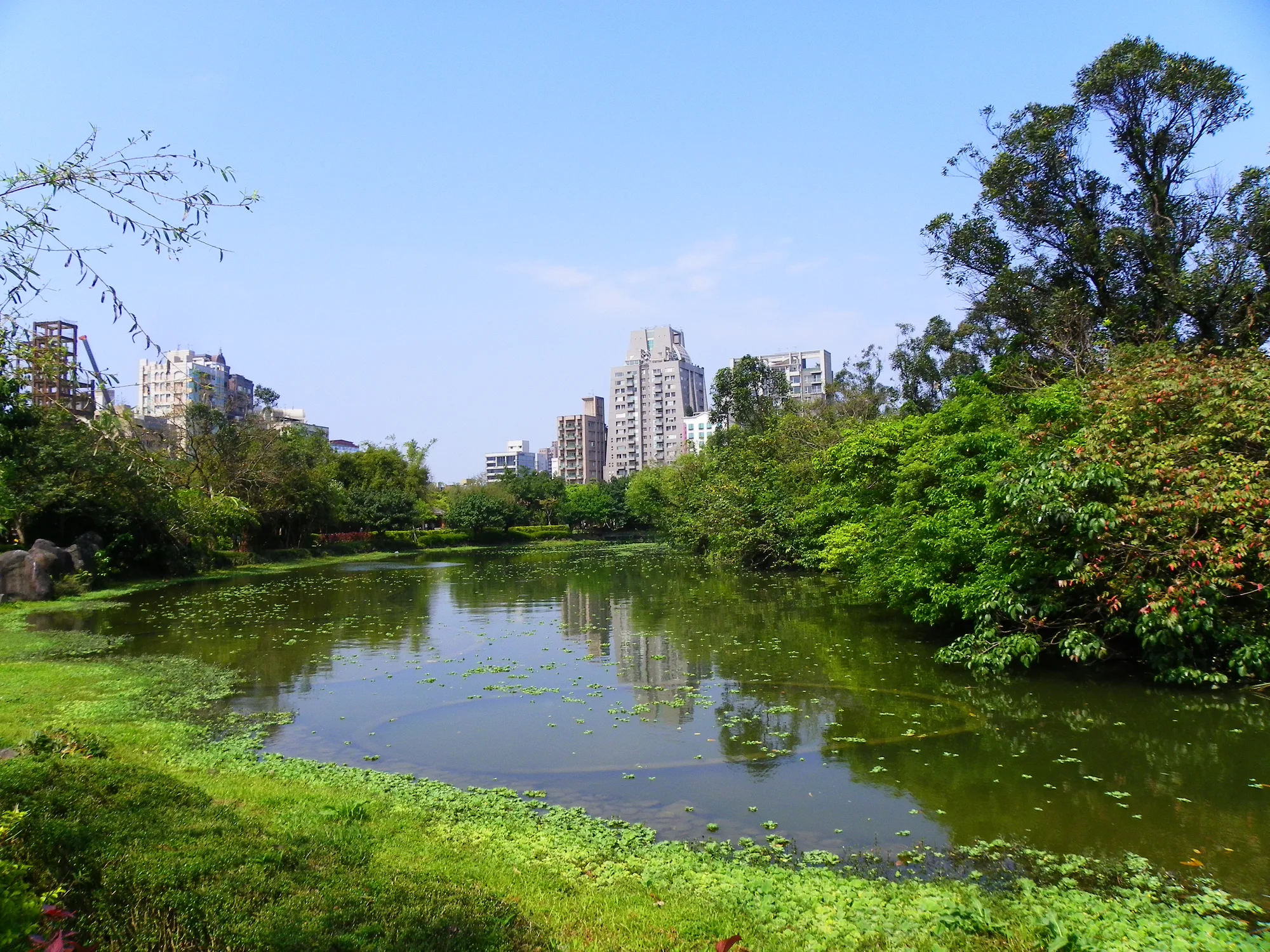
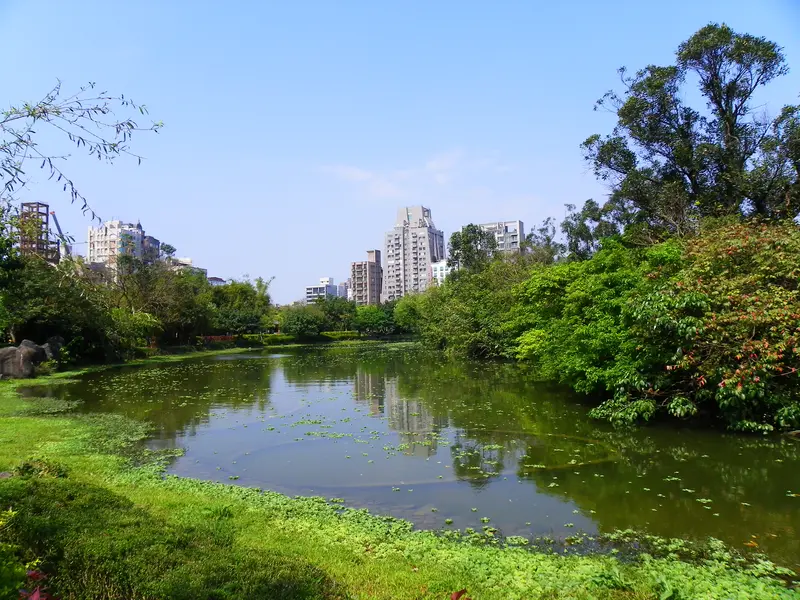
The ecological pond at Daan Forest Park in Taipei, ringed by green lawns and trees with apartment towers behind
Photo: 玄史生 · CC BY-SA 3.0 · Wikimedia Commons

Evening: return to Taipei for dinner

Finish with a simple Taipei dinner—day trips feel better when the ending is easy. After a relaxed day of heritage and nature, there’s no need to force a big evening plan; a warm, comforting meal back in the city is the right way to close things out, and the contrast with the open-air afternoon is part of the pleasure.

Because this is a bus-based trip via Taoyuan, plan your return timing in advance—services to and from these stops are less frequent than the MRT, so note your connections and leave buffer rather than risking a long wait. Back in Taipei, choose whatever comfort food appeals near your accommodation. A calm, unhurried return rounds off a calm, unhurried day.

  • A simple, comforting Taipei dinner closes the day well
  • No need to force a big evening plan after a relaxed day out
  • Bus-based via Taoyuan—plan return timing and leave buffer
  • Choose any comfort food near your accommodation back in the city

Getting there and back

This trip is bus-based and routed through Taoyuan rather than on the MRT, so it takes a little planning. Daxi is reached by Taoyuan Bus routes from Taoyuan Station, by Bus 5096 from Zhongli, or via hop-on-hop-off tourist routes; from Daxi, onward buses (such as the Cihu line and routes like 5050/5055 or 501) connect to Cihu and Shimen Reservoir. There’s no direct metro, so it’s well worth looking up current routes and frequency ahead of time.

Plan the order to flow naturally—Daxi first as the morning anchor, then Cihu and/or the reservoir in the afternoon, then back toward Taoyuan and Taipei. Your EasyCard works on the buses. Because services are less frequent than the MRT, note your return connections and build in buffer time. With a glance at the schedules, the logistics are manageable, but this is a trip that rewards looking up the bus times the night before rather than improvising on the day.

  • Bus-based via Taoyuan: routes from Taoyuan Station or Bus 5096 from Zhongli to Daxi
  • Onward buses (Cihu line, 5050/5055, 501) to Cihu and Shimen Reservoir
  • No direct MRT—a quick look at routes and frequency in advance helps
  • Order: Daxi first, then the afternoon stops; note return connections

What to eat in Daxi

Daxi’s food is part of its appeal, and the old street is the place to graze. The town is most famous for its dried tofu (dougan)—firm, savory, and often sold in many flavors—which makes a tasty snack and a packable souvenir. You’ll also find tofu pudding (douhua), traditional peanut candies and brittle, and various old-street snacks among the heritage shophouses. Sample in small portions as you browse the architecture, and pick up some dried tofu or candy to take home.

If you continue to Shimen Reservoir, its lakeside ‘fish street’ is known for freshwater-fish restaurants—a fitting, scenic spot for a heartier meal if you want one mid-afternoon. Otherwise, keep daytime eating light and grazey and save a proper meal for your return to Taipei. Carry small cash for old-street stalls, and stay hydrated, especially on a warm day or if you’re doing the reservoir walk.

  • Daxi specialties: dried tofu (a great snack and souvenir), tofu pudding, peanut candy
  • Graze in small portions as you browse the heritage shophouses
  • Shimen Reservoir’s ‘fish street’ offers freshwater-fish restaurants
  • Carry small cash; keep daytime eating light and save dinner for Taipei
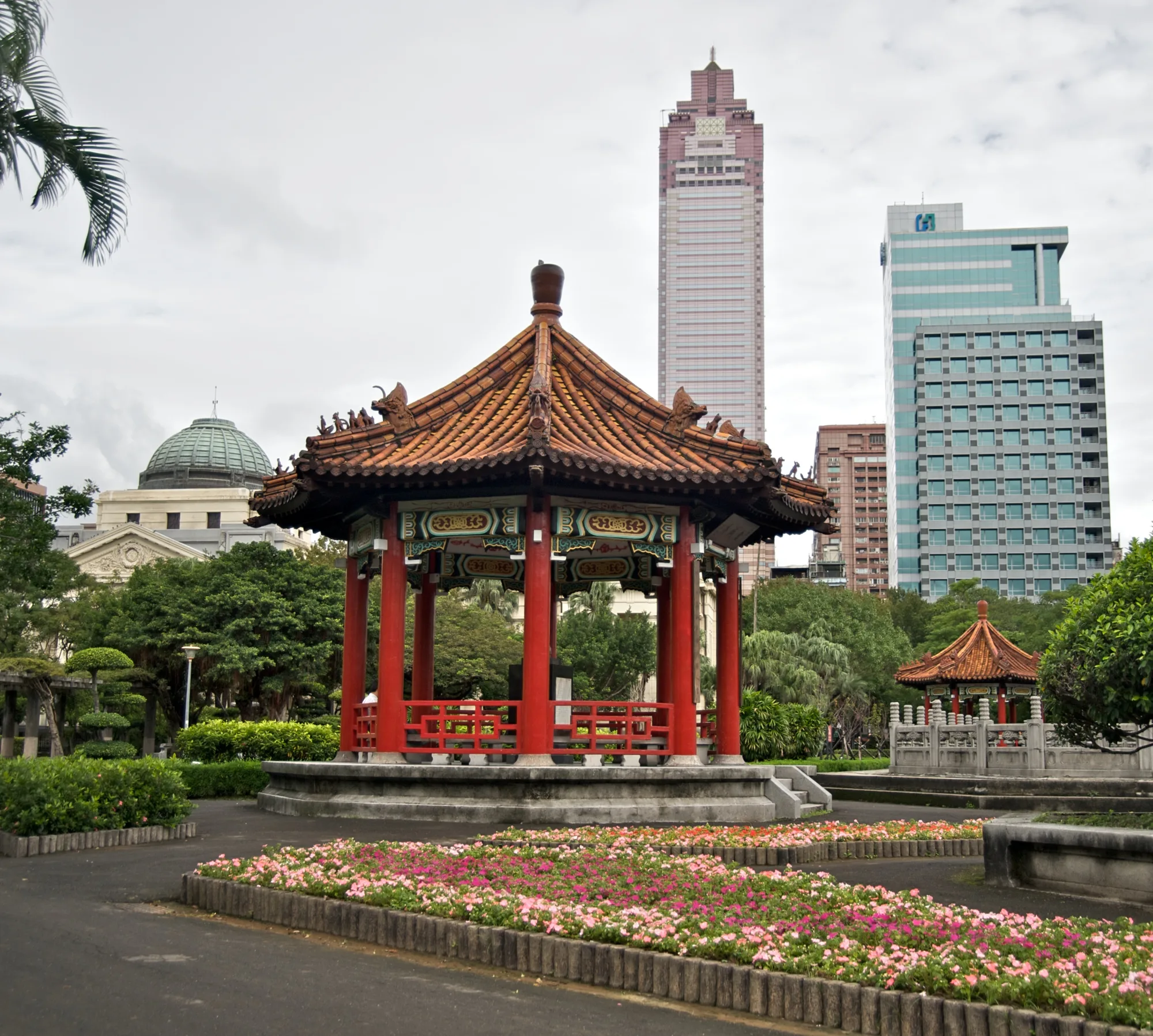
The red-pillared Chinese pavilion at 228 Peace Memorial Park in Taipei, with flower beds and Taipei high-rises behind
Photo: Fred Hsu · CC BY-SA 3.0 · Wikimedia Commons

Seasons, weather, and timing

Spring and autumn are the most comfortable seasons for this day, with mild temperatures for both old-street browsing and the reservoir’s open-air views. Summer is hot and humid, so an earlier start and shade breaks help, while winter is cool and generally manageable for an indoor-leaning heritage focus. Clear days reward the Shimen Reservoir scenery most, so if the reservoir is a priority, time the trip to good weather.

On a wet day, lean toward the covered browsing of Daxi Old Street and consider skipping or shortening the open-air reservoir stop; Cihu’s parkland is also less appealing in heavy rain. Weekdays are calmer at Daxi, while weekends bring fuller shop hours and more visitors. Whatever the conditions, the plan’s flexibility is your friend—drop or swap a stop to suit the weather, and let the day stay relaxed rather than forcing an itinerary that doesn’t fit the day.

  • Spring/autumn most comfortable; start early in summer heat
  • Clear days reward the reservoir views—time the trip to good weather if it’s a priority
  • Rain: favor covered Daxi browsing, shorten or skip the open-air stops
  • Weekdays calmer at Daxi; use the plan’s flexibility to suit conditions

Best for / not ideal for

This day suits travelers on trips of four or more days, photographers, and slow travelers who want a relaxed, lesser-visited corner of the region with a mix of heritage and nature. It’s ideal for those curious about the unusual Cihu sculpture park, for anyone who enjoys handsome old-street architecture, and for visitors who like the freedom to scale a day up or down. The low-crowd, flexible structure makes it a calm alternative to the busy headline trips.

It’s less ideal for first-timers who haven’t yet seen Taipei itself, for travelers wanting dramatic must-see landmarks, or for anyone who dislikes bus-based transit (there’s no direct MRT, and connections require planning). If you want maximum efficiency or guaranteed wow-factor sights, other day trips may suit better. With kids, the open space at the reservoir and the old-street snacks are the easy wins—keep Cihu short and the overall pace gentle.

  • Great for: 4+ day trips, photographers, slow travelers, lesser-visited corners
  • Heritage + nature with the freedom to scale up or down
  • Not ideal for: first-timers, must-see-landmark seekers, or bus-averse travelers
  • With kids: reservoir open space and old-street snacks; keep Cihu short

A closer look at Daxi’s history and architecture

Daxi’s elegance is no accident—it grew wealthy as a river port, shipping camphor, tea, and timber down the Dahan and Tamsui rivers in the 19th and early 20th centuries. That prosperity is written into its streets: during the Japanese colonial period, around the 1910s, the town’s merchants rebuilt their shopfronts with ornate Baroque-influenced façades, blending Western pediments, Roman-style pillars, and Greek motifs with Chinese symbols like fish and bats for good fortune. The result is one of the most architecturally distinguished old streets in the region.

Take time to read the buildings as you walk: the gable decorations often carry the family or shop name, and the fusion of Eastern and Western design tells the story of a town that was both traditionally Chinese and outward-looking in trade. Daxi also retains a living woodcraft and furniture-making tradition, a legacy of its timber-trade past, so you may spot workshops among the shops. Understanding even a little of this history turns a pleasant browse into a richer, more rewarding visit—and makes the photogenic façades far more meaningful.

  • Daxi grew rich as a river port shipping camphor, tea, and timber
  • 1910s Japanese-era merchants rebuilt with ornate Baroque-fusion façades
  • Gable decorations often carry the family or shop name; look for fish/bat motifs
  • A living woodcraft and furniture tradition survives from its timber-trade past
  • Knowing the history makes the photogenic façades far more meaningful to browse

FAQ 常見問題

Quick answers to common planning questions.

How do I get to Daxi and the other stops?
It’s bus-based via Taoyuan, with no direct MRT. Reach Daxi by Taoyuan Bus routes from Taoyuan Station, Bus 5096 from Zhongli, or hop-on-hop-off tourist routes; from Daxi, onward buses (the Cihu line and routes such as 5050/5055 or 501) connect to Cihu and Shimen Reservoir. Your EasyCard works on the buses. Because services are less frequent than the metro, a glance at current routes and timings beforehand pays off, and it’s good to note your return connections.
Should I do both Cihu and the reservoir, or just one?
Do both for a full day, or pick one for an easier, calmer day—the plan is built to be flexible. Choose Cihu if the unusual, reflective sculpture park and the honor-guard ceremony appeal; choose Shimen Reservoir if you want open-air scenery and a gentle lakeside walk (best on a clear day). If you’re tired or the weather is poor, there’s no shame in dropping one and lingering longer at the other.
What is the Cihu Memorial Sculpture Park, exactly?
It’s a parkland gathering of around 150 statues of Chiang Kai-shek, relocated from sites across Taiwan, set near the Cihu Mausoleum in Daxi. It’s a genuinely unusual, quietly thought-provoking place—part historical curiosity, part sculpture garden—with an hourly honor-guard ceremony and very photogenic grounds. Admission is generally free; current hours and ceremony times are easy enough to look up first, and it’s best treated as a reflective, low-key stop rather than a major attraction.
Is this a good day trip in the rain?
Partly. Daxi Old Street offers covered browsing and stays enjoyable in rain, but the open-air Shimen Reservoir and Cihu’s parkland are less appealing when it’s wet. On a rainy day, lean into Daxi’s heritage and food, and shorten or skip the outdoor afternoon stops. Bring a compact umbrella and grippy shoes. If clear-day reservoir views are your main draw, it’s worth waiting for better weather.
How much time does this day take?
It scales from a relaxed half-plus day to a full day. Daxi Old Street is a comfortable morning, and adding one afternoon stop (Cihu or the reservoir) makes a satisfying day; doing both fills a full day. Factor in bus travel via Taoyuan and the less-frequent connections, so build in buffer. If you’re short on time or energy, the two-stop version (Daxi plus one) is the sweet spot.
Can I combine this with other Taoyuan sights?
It’s best kept as its own balanced heritage-and-nature day, since the bus connections take some planning and stacking more stops can make it tiring. If you want to extend, the Daxi area and the reservoir region have additional trails and viewpoints that fit the theme without much extra travel. For most travelers, though, the Daxi–Cihu–Shimen trio (or a two-stop subset) is a complete, relaxed day on its own.

Helpful links 連結

Official pages and references for planning details.

Keep exploring 繼續逛

Hand-picked next reads to make your Taipei plan smoother.

Taoyuan day trip from Taipei: Daxi Old Street, Cihu, and Shimen Reservoir

Taoyuan day trip from Taipei: Daxi Old Street, Cihu, and Shimen Reservoir

A low-stress ‘close by’ day trip west of Taipei: heritage strolling in Daxi, a unique stop at Cihu, and lakeside breathing room at Shimen Reservoir—perfect when you want space without a long journey.

Read more →
Best day trips from Taipei (with a simple decision framework)

Best day trips from Taipei (with a simple decision framework)

Taipei is an ideal base for easy day trips—choose between old towns, coastlines, hikes, hot springs, and lantern villages with minimal planning friction.

Read more →
Daxi Old Street: baroque shophouses, dried tofu, and woodcraft in old Taoyuan

Daxi Old Street: baroque shophouses, dried tofu, and woodcraft in old Taoyuan

Once a thriving river port for camphor and tea, Daxi is famous for the ornate baroque shophouse façades its merchants built in the early 1900s under Japanese rule. Heping Old Street is the heart of it, lined with carved storefronts, woodcraft workshops, and the town’s celebrated braised dried tofu — a relaxed, photogenic Taoyuan day trip.

Read more →
Cihu Memorial Sculpture Park: a lakeside gathering of Chiang Kai-shek statues

Cihu Memorial Sculpture Park: a lakeside gathering of Chiang Kai-shek statues

A genuinely unusual Taoyuan day-trip stop: a lakeside park near the Cihu Mausoleum where more than a hundred statues of Chiang Kai-shek — removed from schools, parks, and plazas across Taiwan — have been collected together. Free to enter, it’s a thought-provoking walk through a singular chapter of Taiwan’s recent history.

Read more →
Shimen Reservoir: a lakeside nature reset outside Taipei

Shimen Reservoir: a lakeside nature reset outside Taipei

A vast Taoyuan reservoir ringed by mountains and lakeside trails, opened in 1964 as one of Taiwan’s largest. It adds open views and fresh air to a day trip — best combined with Daxi Old Street or Cihu for a relaxed ‘nature + culture’ day, with fish-street restaurants for lunch.

Read more →
Taipei Main Station area: transit hub, city edges, and practical Taipei

Taipei Main Station area: transit hub, city edges, and practical Taipei

Not a ‘romantic’ neighborhood, but incredibly useful: the city’s central transit nerve center, easy day-trip logistics, and a fast way to move between districts. Understanding it makes the rest of your trip run smoother.

Read more →

Ready to plan your next stop? 下一站

Start with a simple loop: one neighborhood stroll, one iconic sight, and one night market. Taipei rewards balance.

Tip: hours, prices, and seasonal schedules can change. When something matters (like a museum ticket or a special exhibition), check the official listing before you go.