
Night markets 101: how to eat your way through Taipei
A practical night-market playbook: what to expect, how to order, crowd strategy, and which markets fit your vibe.
Read more →
A full-day eating plan that still feels like travel: one iconic dumpling meal, one heritage street stroll, and one night-market crawl—plus gentle desserts and tea breaks.
A full-day eating plan that still feels like travel: one iconic dumpling meal, one heritage street stroll, and one night-market crawl—plus gentle desserts and tea breaks.
Updated June 20, 2026
 Quick facts資訊Time neededGetting thereBest time / forGood to knowBest forPaceRule
 Highlights亮點
Taipei is one of the great eating cities in the world, and the temptation is to treat a food day as nonstop consumption. Don’t—that path leads to a queasy mid-afternoon and a wasted night market. The better approach is to pace your appetite the way you’d pace your steps: one real anchor meal per half-day, light snacking in between, and your biggest grazing session saved for the evening market. This itinerary is built around that rhythm so every stop lands when you’re actually hungry for it.
The structure is a satisfying arc across the day: a traditional breakfast to start, a soup-dumpling anchor at lunch, a tea-and-snacks afternoon in a heritage neighborhood, and a night-market crawl to finish. Walks and tea breaks sit between the big moments, both to digest and to keep the day feeling like travel rather than a buffet line. Share dishes whenever you can—small portions across many stalls beat one big plate every time.
Two practical habits make the day smoother: carry small cash (many of the best stalls are cash-only) and stay loosely flexible about specific famous shops. Beloved stalls sometimes close one day a week, sell out, or have long lines—if your top pick is shut, the one next door is usually excellent too. A food day in Taipei rewards curiosity over rigid checklists.
Start early at least once on your trip—Taipei mornings are calmer, and the breakfast-shop culture is part of the city’s daily rhythm. A classic Taiwanese breakfast is warm and simple: fresh soy milk (hot or cold, sweet or savory) paired with a crunchy youtiao (fried dough stick), often with a flaky shaobing flatbread or an egg crepe (danbing). It’s cheap, fast, and a genuine local experience rather than a tourist set-piece.
Order a few things and share so you taste the range—a savory soy milk with bits of dough and chili oil is a revelation if you’ve only had the sweet version. Add a scallion pancake to split if you’re hungry. Keep it light enough that you’re ready for the lunch anchor; this is a taster, not a feast. Many breakfast shops wind down by late morning, so don’t sleep in too late if a specific spot is on your list.
Make soup dumplings (xiaolongbao) your midday anchor—it’s the dish most travelers come to Taipei for, and a sit-down lunch is the right setting to enjoy it properly. The ritual matters: lift gently, rest the dumpling on your spoon, nip the skin to release the hot soup, sip, then eat with a little ginger and vinegar. Pair with a plate of greens and one light side so the meal is balanced rather than heavy, and you’re not weighed down for the afternoon.
After lunch, walk it off with a neighborhood stroll and a coffee or tea reset. This digestion break is non-negotiable on a food day—it’s what lets you enjoy the afternoon snacks and the evening market instead of feeling stuffed by 2 p.m. If you’d rather, swap the dumplings for another beloved anchor like beef noodle soup or braised pork rice; the principle is one real, satisfying meal, then keep moving.
Spend the afternoon in Dadaocheng, wandering Dihua Street—one of Taipei’s oldest commercial streets, lined with historic facades, dried-goods shops, tea merchants, and herb stores. It’s the perfect food-day afternoon because the snacking is gentle and the browsing is the point: sample teas, pick up edible souvenirs (dried fruit, nougat, pineapple cakes), and soak in the slower texture of old Taipei. The district is reached via Daqiaotou on the Orange line or a short walk from Beimen on the Green line.
Do one proper sit-down tea stop rather than a takeaway—Taiwan’s tea culture deserves a pause, and a pot of oolong with a small sweet is the ideal mid-afternoon reset. If you’re shopping for gifts, Dihua Street is the place: pineapple cakes and other boxed treats here are both a tasty afternoon nibble and an easy, packable souvenir. Keep the eating light; the night market is the main event still to come.
End the day with a night-market crawl—the climax of any Taipei food day. Choose one market and arrive on the earlier side if you want comfort, later if you want full neon energy. The winning strategy is to start with one signature item, do a scouting lap to see what’s drawing lines, then graze with intention: one fried item, one chewy or comforting item, one drink, and a sweet to finish. Aim for five to seven small bites rather than one giant meal.
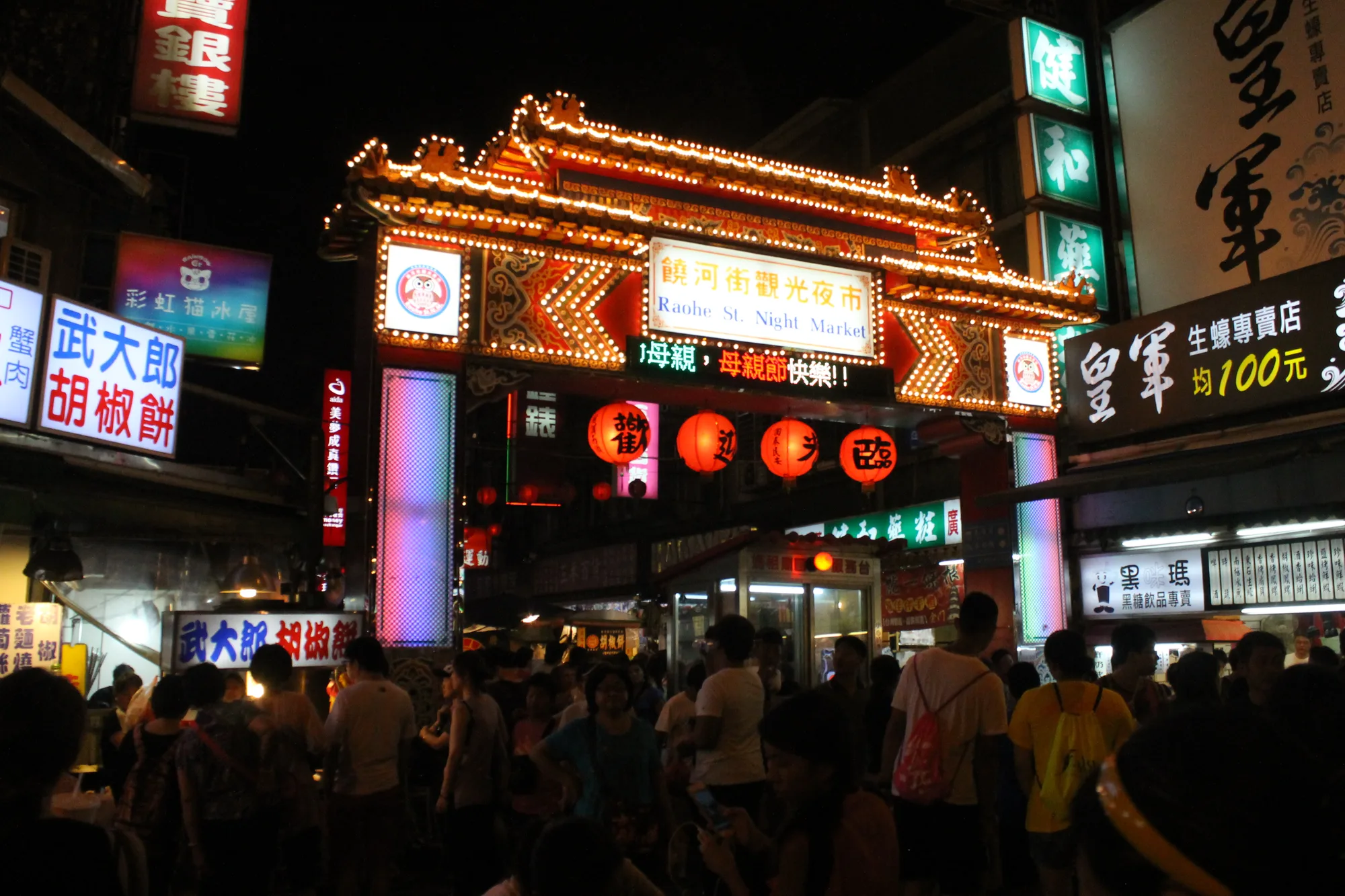
Raohe is the compact, iconic choice—its black-pepper buns (hujiao bing) baked in a clay oven are a must, and the single main lane makes it easy to crawl end to end. Shilin is bigger and more varied, better for groups who want options. Whichever you pick, keep a drink in hand, pace yourself, and finish with something sweet like hot tofu pudding (douhua) or, in season, mango shaved ice. Bring cash and an appetite you’ve carefully protected all day.
This is a low-transit day by design—the food does the heavy lifting, not the trains. Your morning breakfast can be near wherever you’re staying; lunch and the afternoon naturally cluster around the city center and Dadaocheng, which is a short MRT hop or even a pleasant walk from the Beimen/Ximen area. The only meaningful ride is out to your chosen night market in the evening: Raohe sits at Songshan on the Green line, and Shilin is on the Red line, both clean, quick connections.
Keep an EasyCard topped up for those hops and any buses, and remember the MRT bans eating and drinking inside the paid zone—so finish that bubble tea before you tap in. Because the stops are close together, you’ll spend most of the day on foot in neighborhoods, which is exactly how a food day should feel: strolling between bites rather than racing across the city.
Rain barely dents a food day. Keep breakfast and the sit-down dumpling lunch as planned (both indoors), and shift the Dadaocheng afternoon toward covered tea houses and indoor shops rather than open-air browsing. At the night market, go in with a tight plan—two or three target stalls and a quick exit—since crowds bunch under the awnings when it’s wet. A compact market like Raohe handles rain far better than a sprawling one.
In summer heat, do the opposite balancing act: enjoy hot meals in air-conditioned restaurants during the day, lean on cold treats (cold soy milk, bubble tea, shaved ice) when you’re outside, and save the night market for after sunset when the city cools. Tea houses double as heat shelters, so a long mid-afternoon tea stop is both pleasant and strategic. Carry water—Taipei’s humidity sneaks up on you.

This day is made for food-first travelers, curious first-timers, and couples who like to eat their way through a city. The pacing—anchor meals plus light grazing—keeps it enjoyable rather than gluttonous, and the mix of breakfast culture, a sit-down classic, tea, and a market crawl gives a genuine cross-section of how Taipei eats, from morning shops to midnight stalls.
It’s less ideal for travelers with very restrictive diets who may find street-food labeling limited (though dumpling houses and sit-down spots are easier), or for anyone who wants a sightseeing-heavy day—this plan deliberately keeps landmarks to a minimum so your stomach, not your feet, sets the schedule. With kids, lean on the milder options (dumplings, plain noodles, pan-fried buns), go to the market early, and keep portions small.
If you want a loose hit-list to anchor your grazing, a few dishes punch above their weight. Beyond xiaolongbao, seek out beef noodle soup (Taiwan’s unofficial national dish—rich broth, tender beef, springy noodles) and braised pork rice (lu rou fan), the humble bowl that locals eat constantly. For street snacks, the clay-oven black-pepper bun is a Raohe icon, scallion pancakes are reliably great, and oyster omelets are a classic night-market gamble worth taking. Stinky tofu is the famous dare—pungent at the stall, milder on the tongue than its reputation suggests.
On the sweet and drink side, bubble tea was invented in Taiwan, so it’s practically obligatory; ask for less sugar if you find the standard version cloying. Tofu pudding (douhua) comes hot or cold with toppings and is the perfect light finish, while mango shaved ice is the summer showstopper when the fruit is in season. Pineapple cakes and nougat make excellent edible souvenirs. Don’t try to eat all of this in one day—pick a handful per stop and leave the rest for next time.
Got a second food-focused day, or want to stretch this one? Add a different night market on another evening so you’re comparing rather than repeating—Ningxia is a compact, old-school market beloved for traditional snacks, while the markets near Taipei 101 and around the universities each have their own character. You can also build in a dedicated tea or coffee morning: Taipei’s specialty-coffee scene is excellent, and a slow café crawl pairs beautifully with the eating.
Day-trip extensions deepen the theme, too. The Keelung Miaokou night market is a seafood-forward feast worth the train ride, the tofu street at Shenkeng is a short trip for a focused snack crawl, and a Maokong tea-house afternoon adds context to all the tea you’ve been drinking. The principle stays the same whether you have one food day or three: one anchor per half-day, light grazing between, and your appetite—not a map—setting the pace.
Quick answers to common planning questions.
Official pages and references for planning details.
Hand-picked next reads to make your Taipei plan smoother.
A practical night-market playbook: what to expect, how to order, crowd strategy, and which markets fit your vibe.
Read more →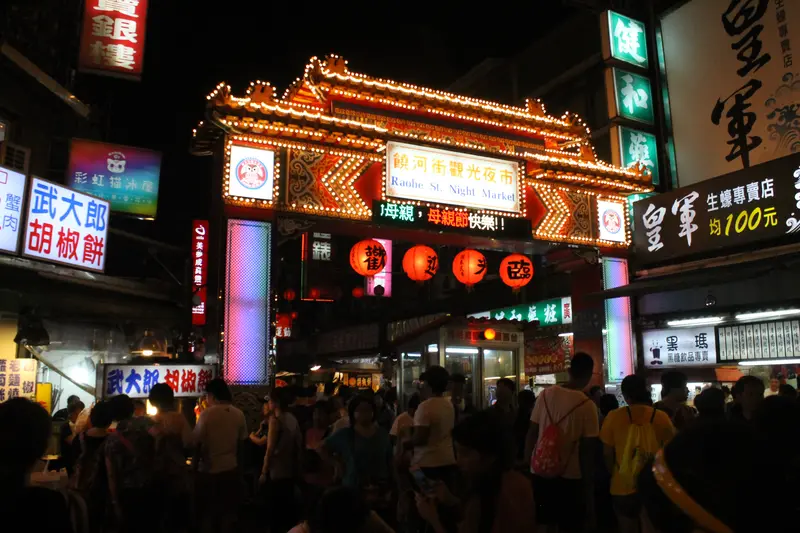
Taiwan is a tea place first. Learn how to order bubble tea with intention—and where to slow down for real tea in Taipei.
Read more →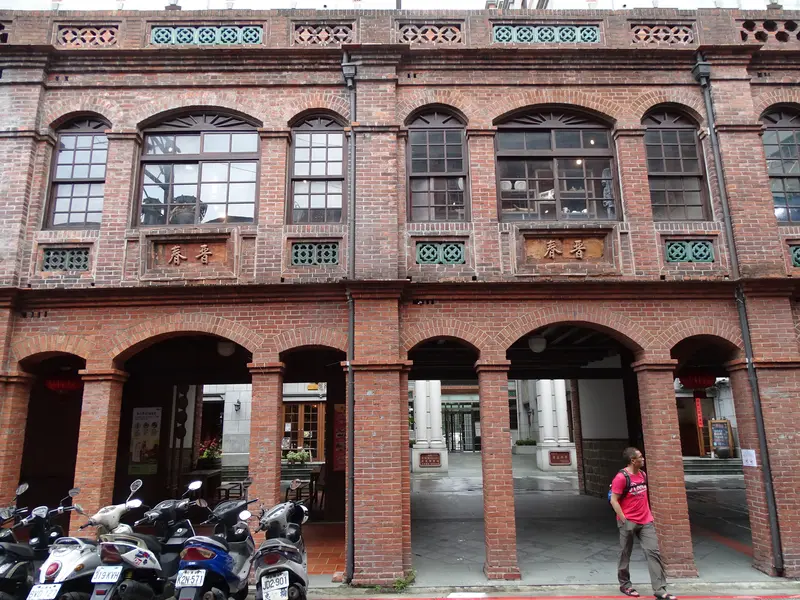
Taipei’s oldest street, with shops dating back to around 1851—a fragrant warren of tea, herbal medicine, fabric, and dried goods set among Qing-dynasty shophouses and colonial Baroque facades.
Read more →A famous night market with a focused, walkable layout—great for a deliberate food mission and a classic Taipei evening.
Read more →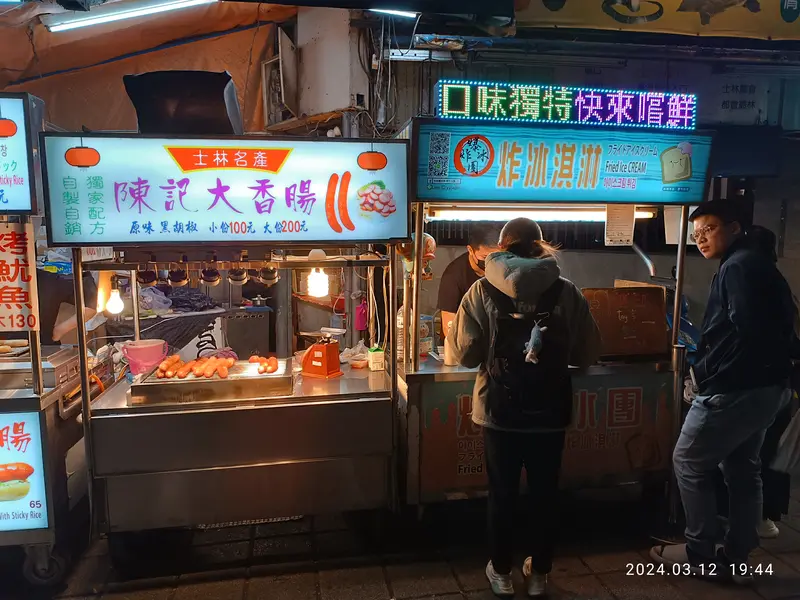
One of Taipei’s best-known night markets—busy, varied, and ideal if you want a ‘try everything’ evening with lots of food options.
Read more →
Wake up early once and do Taipei breakfast properly: hot soy milk, crispy youtiao, scallion pancakes, and the calm energy of morning shops.
Read more →Start with a simple loop: one neighborhood stroll, one iconic sight, and one night market. Taipei rewards balance.
Tip: hours, prices, and seasonal schedules can change. When something matters (like a museum ticket or a special exhibition), check the official listing before you go.