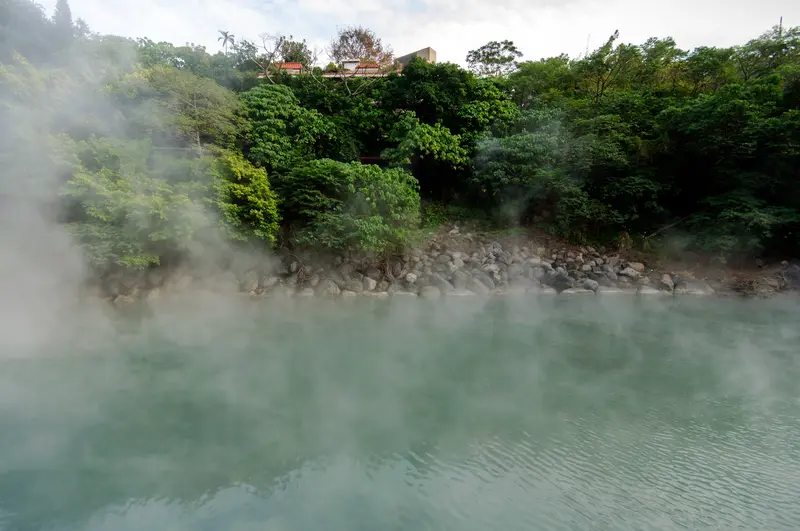
1 day in Taipei: classics + a night-market finish
A high-impact day plan that balances iconic sights with neighborhood texture—designed to feel full but not frantic.
Read more →
Taipei can be surprisingly affordable if you lean into the city’s strengths: public transit, neighborhood food, parks, and free views.
Taipei can be surprisingly affordable if you lean into the city’s strengths: public transit, neighborhood food, parks, and free views.
Updated June 20, 2026
 Quick facts資訊
 CostTime neededBest time / forGood to knowBest forTime to readBig ideaEasiest win
 Highlights亮點
Taipei’s ‘best’ experiences are often simple: a great bowl of noodles, a night-market crawl, a long neighborhood walk, a skyline view from a trail. You can build a memorable trip without constant ticketed attractions.
The key is to spend intentionally: choose one or two paid experiences you truly care about, then let daily life do the rest.
You don’t need perfect tracking. Taipei is easiest when you budget by categories: transit, food, and one daily ‘experience.’ If those stay reasonable, the trip stays affordable.
The biggest budget killer isn’t a museum ticket—it’s scattered planning that creates lots of transfers, lots of taxis, and lots of convenience spending.
Public transit is a big win. Another is food: local eateries and markets are both high quality and good value. If you eat like a local—small shops, short menus—you’ll spend less and eat better.
Some of Taipei’s most satisfying moments are free: a temple courtyard, a heritage street stroll, a riverside walk, a viewpoint trail. Build your days around these anchors and sprinkle in one paid stop when you care about it.
If you want to splurge, do it on something you can’t replicate at home: a special view, a refined meal, or a unique day trip. Keep everything else simple.
A good rule: one splurge per day at most—otherwise Taipei’s everyday magic gets crowded out.
Start with a cheap and iconic breakfast, walk a neighborhood, do one museum or park, then eat your way through a night market. You’ll be full and happy and still have room for bubble tea.
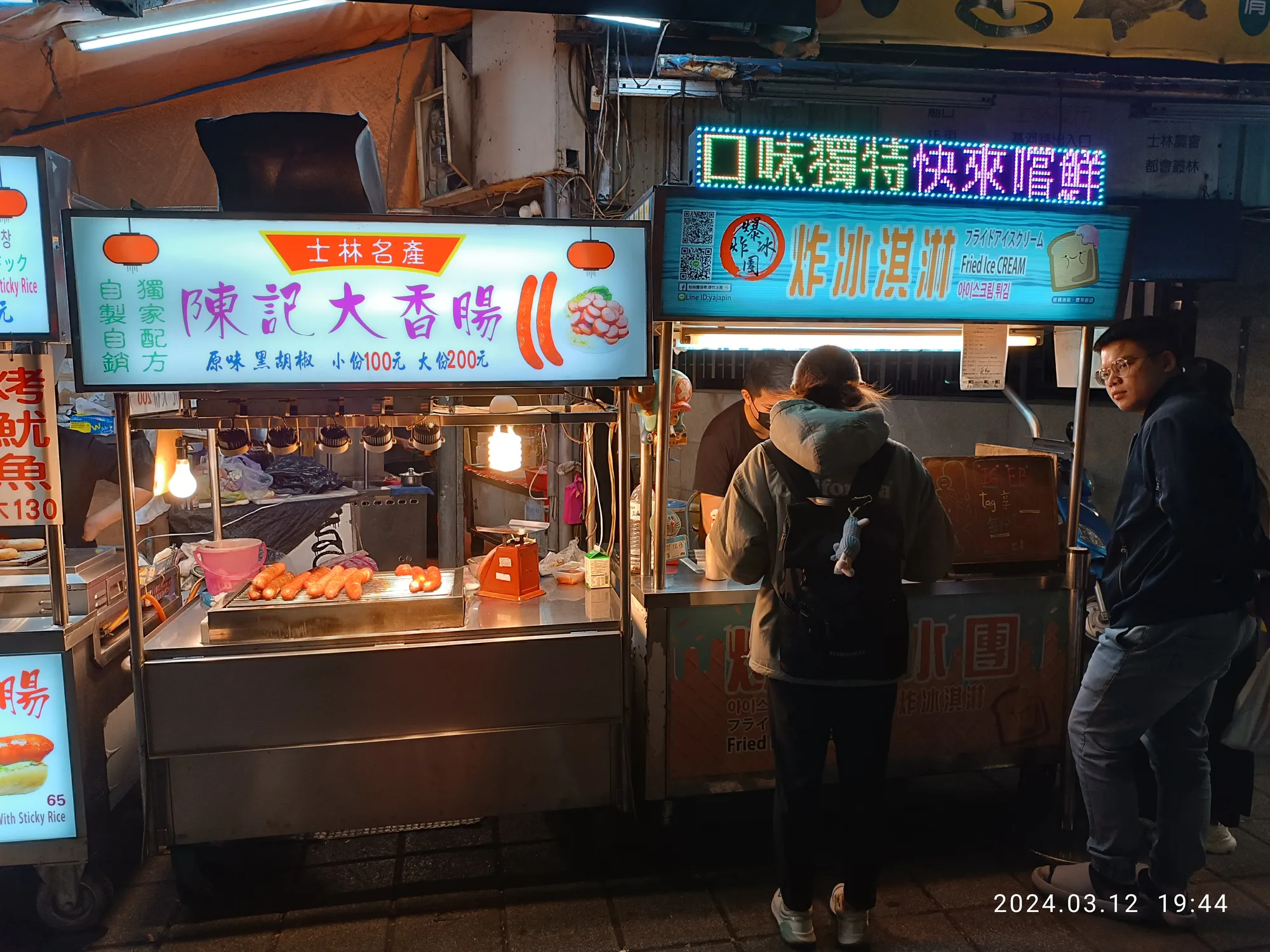
The best budget eating in Taipei is also the best eating: small shops, short menus, high turnover. You don’t need to chase expensive “famous” restaurants every meal to eat well.
Share more, order smaller portions, and repeat what you love. That’s a Taipei skill and a budget skill at the same time.
Transit is where Taipei quietly saves you money, and an EasyCard is the simplest tool for it. Tap in and out on the MRT and buses, and you keep your daily transport cost low without thinking about it. The same card works at convenience stores and many small shops, which helps you avoid the “I’ll just grab a taxi” impulse.
Before you buy a tourist day-pass, do the math: passes only beat an EasyCard when you’re doing lots of cross-city rides in a single day. If your days are mostly walking inside one neighborhood—which is the budget-smart way to travel Taipei anyway—the EasyCard is almost always the better value.
The biggest hidden cost isn’t the fares; it’s scattered planning. Every extra transfer and every impulse taxi adds up. Cluster your days by district and you’ll naturally spend less on transport and more on the stuff you’ll remember.
Accommodation is usually the biggest line in a Taipei budget, but a few habits keep it reasonable. Hostels, guesthouses, and small business hotels are widely available, and many cluster near MRT stations—which matters more than the room itself, because a well-connected base cuts your daily transport and taxi spend.
Counterintuitively, the cheapest-looking room isn’t always the best value. A room that’s a 5–10 minute walk from a station you’ll use daily can save you more in avoided taxis and wasted time than the few dollars you’d save staying somewhere awkward.
If you’re staying longer, areas like Daan, parts of Wanhua near Ximending, and the Main Station vicinity offer a good mix of price and convenience. Prioritize transit access, then comfort, then everything else.
You don’t need a spreadsheet—just a mental model. Think of your daily spend in four buckets and keep each one honest: accommodation, transit, food, and one experience. When all four stay reasonable, the trip stays affordable almost automatically.
Because prices change, treat any specific figure you find online as a ballpark—it’s easy enough to confirm current costs on the ground. The ratios matter more than the digits: in Taipei, food and transit can be remarkably low, which frees up room for the occasional splurge.
Most overspending in Taipei isn’t about one big purchase—it’s death by a thousand small leaks. Fix the structure and the budget mostly takes care of itself.
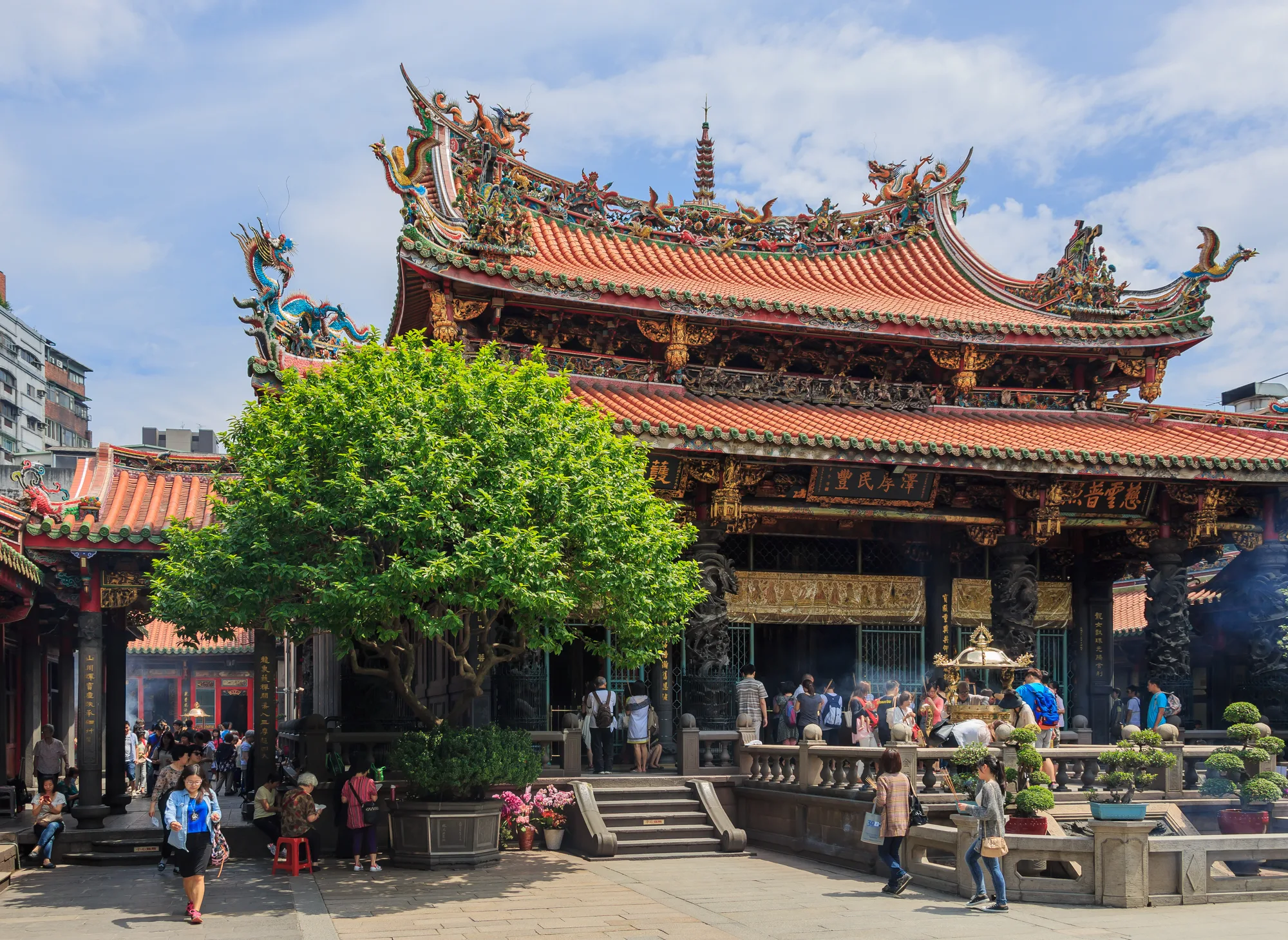
Taipei’s free offerings are good enough to build whole days around, not just fill gaps between paid stops. Several of the city’s signature sights cost nothing to enter: the grand plaza and halls of the Chiang Kai-shek Memorial and Liberty Square, the temples of Longshan, Xingtian, Baoan, and the Confucius Temple, and heritage streets like Dihua in old Dadaocheng. Add the creative parks—Huashan and Songshan—where the grounds are free even if individual exhibitions are ticketed.
Green space is another rich free vein. Daan Forest Park is the leafy “lungs” of the city, the Taipei Botanical Garden is free and lovely, and Yangmingshan National Park charges nothing for general entry to its trails and scenery. For a free view, Elephant Mountain’s short climb delivers the postcard skyline, and the riverside parks and bike paths along the Tamsui and Keelung rivers give open-sky walks at no cost.
A handful of museums are free or nearly so, including some that run free entry windows—the 228 Memorial Museum is free, and several city museums waive or discount admission at certain times. Because these policies and hours change, a quick look at the official site pays off, but the underlying point stands: you could fill a multi-day trip with first-rate sights and barely buy a ticket.
Taiwan’s convenience stores are a genuine budget superpower, not a last resort. They’re everywhere, open around the clock, and stocked with surprisingly decent ready meals: rice triangles (onigiri-style), tea eggs simmering by the counter, hot oden in cooler months, steamed buns, fresh fruit and yogurt, and an enormous wall of teas, coffees, and drinks. Staff will heat your meal for you, and most stores have a small seating area where you can eat in comfort.
Your EasyCard works at the registers, which keeps spending frictionless and easy to track, and it’s the natural way to grab a cheap breakfast, a between-sights snack, or a light late dinner without hunting for a restaurant. For even better value on staples like water, snacks, and breakfast items, a regular supermarket beats the convenience store on price if there’s one near your base.
Use this as a strategy, not just a fallback. A convenience-store breakfast frees your budget and appetite for a proper night-market dinner; a cold drink and a tea egg mid-afternoon keeps you going without a sit-down stop. Lean on it for the easy meals and save your spending—and your hunger—for the food that’s actually worth lining up for.
Timing is one of the easiest ways to eat better food for less money. Many sit-down restaurants—including ones that feel like a treat at dinner—offer cheaper set lunches, so if there’s a place you’re curious about, going at midday often gets you most of the experience at a fraction of the dinner price. It’s the single best trick for sampling Taipei’s nicer kitchens on a budget.
The same logic applies to drinks and treats. Cafés and bars sometimes run quieter-hours or set-time deals, and many small eateries are simply cheapest at their busiest, highest-turnover hours when the food is freshest. Breakfast shops are a budget category all their own—soy milk, savory pancakes, and egg crepes for very little—and make a satisfying, cheap start that lets you spend elsewhere.
Deals and hours change constantly, so confirm anything specific on the spot rather than counting on a price you read online. The reliable principle is to shift your big or fancy meal to lunch, keep breakfast cheap and local, and let the night market handle dinner variety—stretching your food budget without ever feeling like you’re skimping.
Some of Taipei’s best experiences are simply walks, and they cost nothing but time. The city is dense, walkable, and full of texture, so a thoughtfully chosen route is an attraction in itself. Stitch together a temple, a heritage street, and a market and you’ve got a full, varied day without buying a single ticket.
A few routes plan themselves. In old Wanhua, link Longshan Temple with the Bopiliao historical block and the Huaxi covered market, then drift into Ximending for the evening. In Dadaocheng, walk historic Dihua Street with its old shophouses down to the Dadaocheng Wharf on the river. Around Yuanshan, the Expo Park, Fine Arts Museum grounds, and the Baoan and Confucius temples cluster within an easy stroll. And in Zhongzheng, Liberty Square, the surrounding government-district landmarks, and the Botanical Garden chain together neatly.
Self-guiding keeps the cost at zero and the pace yours. Map a loose sequence, leave room to wander into side streets, and let snack stops punctuate the walk. You’ll see more of how Taipei actually lives than any single paid attraction would show you—and your only real expense is the food you choose along the way.
Day trips don’t have to blow the budget—several of the region’s most rewarding ones are cheap precisely because the scenery and atmosphere do the work. Tamsui is the easiest: it’s the end of the Red line, so it’s an ordinary MRT fare away, and the old street, riverfront, and famous sunset are all free to enjoy. Bitan, at the Xindian end of the Green line, is another low-cost escape with a suspension bridge and riverside calm right by the station.
Reach a little farther and the value holds if you plan transit smartly. The Pingxi branch line, accessed by train via Ruifang, has an affordable one-day ticket that lets you hop between old mining towns like Shifen and Pingxi, where the waterfalls and old streets are free (only the optional sky-lantern release costs extra). Jiufen’s lantern-lit lanes cost nothing to wander once you arrive, and reaching it by train-plus-bus keeps it reasonable. Yangmingshan, accessible by city bus, gives you national-park scenery for the price of the ride.
The budget killer on day trips is usually transport, not the destination, so favor trains, the MRT, and public buses over taxis, and use your EasyCard wherever it’s accepted. Pack water and snacks, time your return to avoid late-night taxi temptation, and you can have a full, scenery-rich day out for not much more than your fares.
Taipei is hot and humid for much of the year, and dehydration quietly wrecks budgets by sending you toward expensive drinks and a sapped, taxi-prone afternoon. Carry a refillable bottle: water is safe to refill from many public dispensers and your accommodation, convenience stores sell cheap water if you run dry, and staying hydrated keeps your energy—and your spending discipline—intact through a long day of walking.
Avoiding tourist traps is mostly about following locals. The genuinely good, cheap food tends to be where residents line up, not where the biggest English signs and souvenir prices cluster. Be a little wary of stalls positioned purely for foot traffic at the most touristy spots, and remember that the most “famous” place isn’t automatically the best value—often a smaller shop a street over is better and cheaper.
Finally, spend where it counts. The things genuinely worth paying for in Taipei tend to be experiences you can’t replicate for free: a true bird’s-eye view, a memorable special meal, a hot-spring soak in Beitou, a worthwhile museum visit, or a day trip that justifies its transport. Budget one such highlight at a time, keep the everyday cheap and local, and you’ll feel rich on a modest spend.
The pages that pair best with this one — tap a card to keep planning.
A high-impact day plan that balances iconic sights with neighborhood texture—designed to feel full but not frantic.
Itineraries2 days in TaipeiA balanced weekend itinerary: one day for iconic Taipei + one day for museums/heritage and either tea hills or hot springs.
Travel TipsMoney in TaipeiHow to handle money smoothly in Taipei: when you’ll need cash, what to expect at night markets, and a simple spending mindset.
Travel TipsGetting around TaipeiTaipei is one of Asia’s easiest cities to navigate. Here’s how to combine MRT + walking (and when buses or taxis actually help).
Quick answers to common planning questions.
Official pages and references for planning details.
Hand-picked next reads to make your Taipei plan smoother.
A high-impact day plan that balances iconic sights with neighborhood texture—designed to feel full but not frantic.
Read more →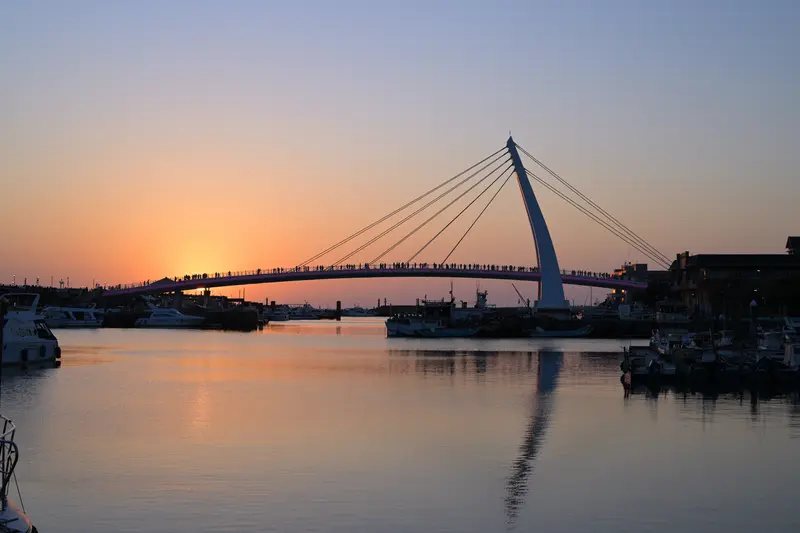
A balanced weekend itinerary: one day for iconic Taipei + one day for museums/heritage and either tea hills or hot springs.
Read more →
How to handle money smoothly in Taipei: when you’ll need cash, what to expect at night markets, and a simple spending mindset.
Read more →
Taipei is one of Asia’s easiest cities to navigate. Here’s how to combine MRT + walking (and when buses or taxis actually help).
Read more →
Wake up early once and do Taipei breakfast properly: hot soy milk, crispy youtiao, scallion pancakes, and the calm energy of morning shops.
Read more →A simple, beloved Taiwanese dish: braised pork over rice with deep, savory-sweet flavor. Learn how to order and what to pair with it.
Read more →Start with a simple loop: one neighborhood stroll, one iconic sight, and one night market. Taipei rewards balance.
Tip: hours, prices, and seasonal schedules can change. When something matters (like a museum ticket or a special exhibition), check the official listing before you go.