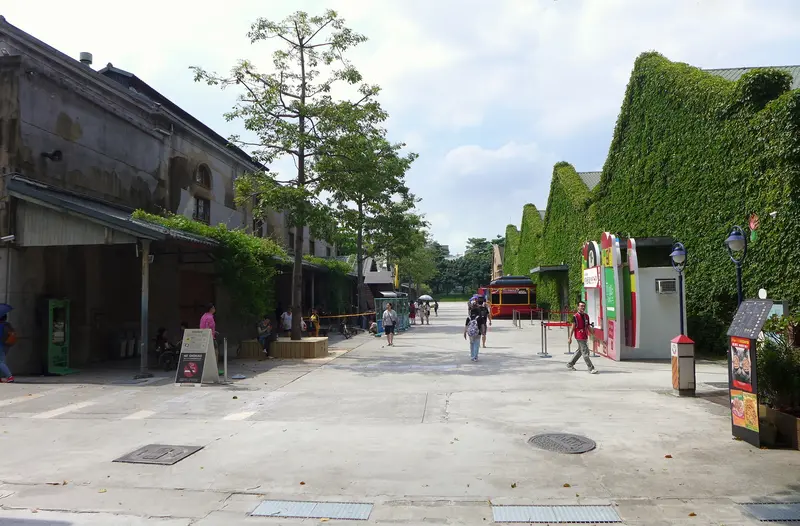
Temples in Taipei: etiquette, timing, and what to notice
A respectful, beginner-friendly guide to visiting Taipei’s temples—what to wear, how to move, and how to appreciate the details without feeling awkward.
Read more →
Taipei is generally comfortable and orderly. These tips help you match local rhythm: transit etiquette, temple respect, and street smarts for crowded markets.
Taipei is generally comfortable and orderly. These tips help you match local rhythm: transit etiquette, temple respect, and street smarts for crowded markets.
Updated June 20, 2026
 Quick facts資訊Best time / forGood to knowBest forCore ideaHigh-crowd zonesEmergency numbers
 Highlights亮點
Taipei generally feels safe and easy to move through. The main ‘rule’ is social: follow the flow. Queue patiently, let people exit trains first, and keep voices low on transit.
In crowded areas, basic awareness is enough—keep bags zipped and close, and don’t leave valuables unattended.
Crowds don’t make Taipei unsafe—they just make it easier to lose track of small things. Treat crowded zones as ‘hands-on’ moments: phone secure, wallet secure, move patiently.
The city’s rhythm is cooperative. If you keep your awareness up and match the pace, you’ll feel comfortable quickly.
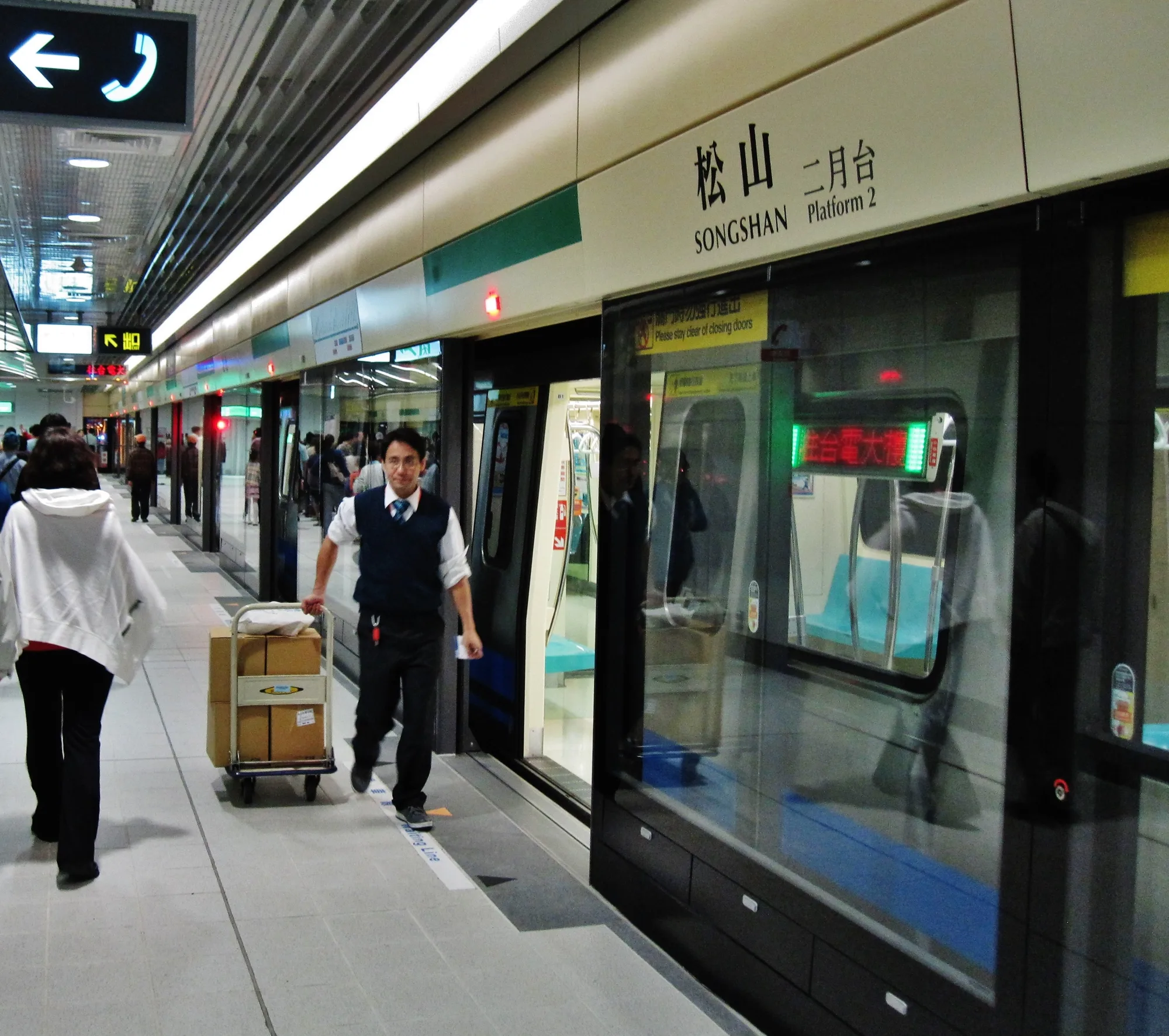
Temples are living places. Dress neatly, keep noise low, and avoid intrusive photos of people praying. If you’re unsure, shoot architecture and wide scenes.
Taipei transit culture is quiet and practical. Matching it is the easiest way to feel comfortable: fewer loud calls, more calm queues, and a simple focus on not blocking flow.
If you’re traveling with luggage, kids, or shopping bags, it’s normal to move a little slower—just step aside when you need to pause.
Most Taipei ‘safety’ issues for travelers are weather issues: slick sidewalks in rain, dehydration in humidity, and stair-heavy hikes done too aggressively.
A few small choices keep your trip comfortable: shoes with grip, water, and flexible plans when the sky changes mood.
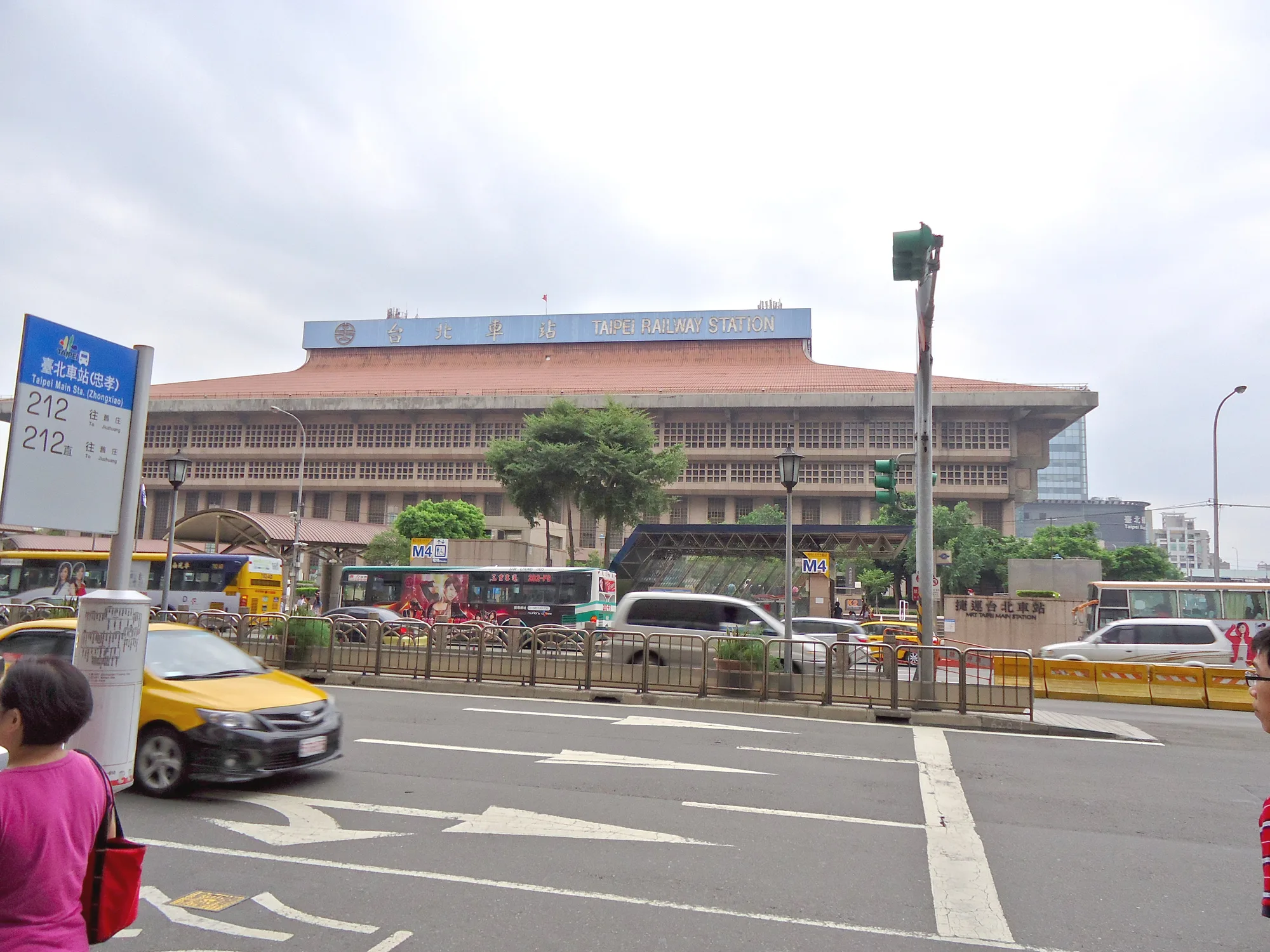
Taipei’s convenience stores—7-Eleven, FamilyMart and others—are everywhere, and they’re far more than snack stops. They’re a reliable anchor when you need a restroom, a cold drink to beat the humidity, an ATM, a quick recharge spot, or simply a calm, well-lit place to pause and check your map. On a long walking day, knowing one is always around the corner takes a lot of low-grade stress out of the city.
They’re also a handy fallback if you ever feel turned around at night. Step inside, get your bearings, route your next move, and head out again. Staff are used to travelers and a phone screen with your destination usually bridges any language gap.
Keep it simple: get to a safe, well-lit place, ask for help, and use your phone for translation if needed. Taipei is service-oriented in many areas, and basic calm communication goes a long way. The two numbers worth memorizing are 110 for police and 119 for fire or ambulance—these are the official emergency lines in Taiwan.
For lost property, Taipei’s systems are genuinely good. If you leave something on the MRT, ask at a station information desk; for a venue, ask the staff. Acting quickly and calmly, with the item described or shown on your phone, gives you the best chance of recovery. For anything involving your passport or a serious incident, your country’s representative office can also assist.
Quick answers to common planning questions.
Official pages and references for planning details.
Hand-picked next reads to make your Taipei plan smoother.
A respectful, beginner-friendly guide to visiting Taipei’s temples—what to wear, how to move, and how to appreciate the details without feeling awkward.
Read more →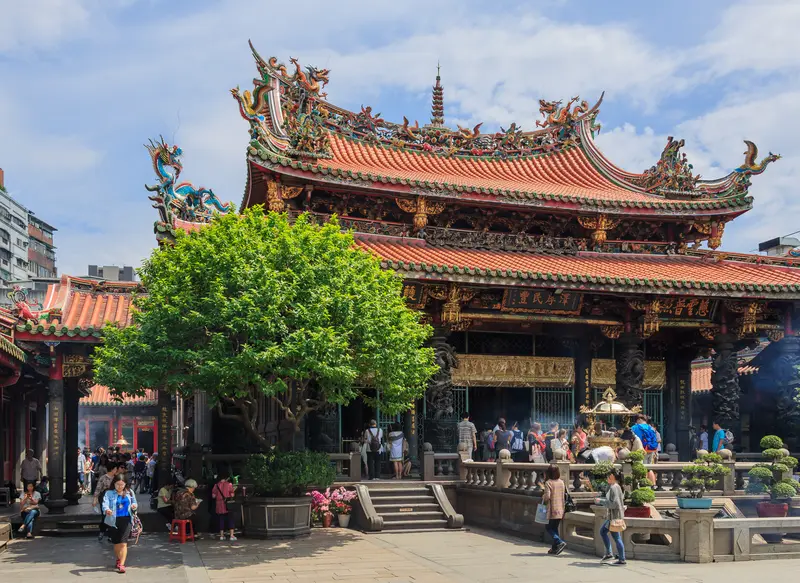
Founded in 1738 in Taipei’s oldest neighborhood, Longshan Temple is a working Buddhist-and-Taoist shrine wrapped in ornate Taiwanese craftsmanship—and the perfect gateway into the old streets of Wanhua.
Read more →
Taipei is a strong solo-travel city. These tips help you plan days with confidence, enjoy food without awkwardness, and keep nights smooth with low-friction transit and calm routines.
Read more →
Taipei is one of Asia’s easiest cities to navigate. Here’s how to combine MRT + walking (and when buses or taxis actually help).
Read more →Start with a simple loop: one neighborhood stroll, one iconic sight, and one night market. Taipei rewards balance.
Tip: hours, prices, and seasonal schedules can change. When something matters (like a museum ticket or a special exhibition), check the official listing before you go.