Quick answers to common planning questions.
What do the moon blocks and fortune sticks mean?+
They’re common divination rituals. Jiaobei, or “moon blocks,” are paired crescent-shaped wooden blocks that worshippers toss and read by how they land—roughly a yes-or-no answer to a question put to a deity. Fortune sticks are numbered sticks shaken loose from a cylinder, then matched to a printed fortune slip. Customs vary by temple, so observe respectfully from a little distance, and join in only where it’s clearly open to visitors.
How should I behave if I arrive during a temple festival?+
Stay at the edges and give the rituals space. Don’t block processions, participants, or offerings, keep your voice low, and move aside when asked—this is meaningful worship, not a show for tourists. Expect firecrackers and heavy smoke, and step back if it’s overwhelming. Because festival dates follow the lunar calendar and shift yearly, confirm timing on official listings if you’re planning around one.
Which Taipei temples should I pair together or with food?+
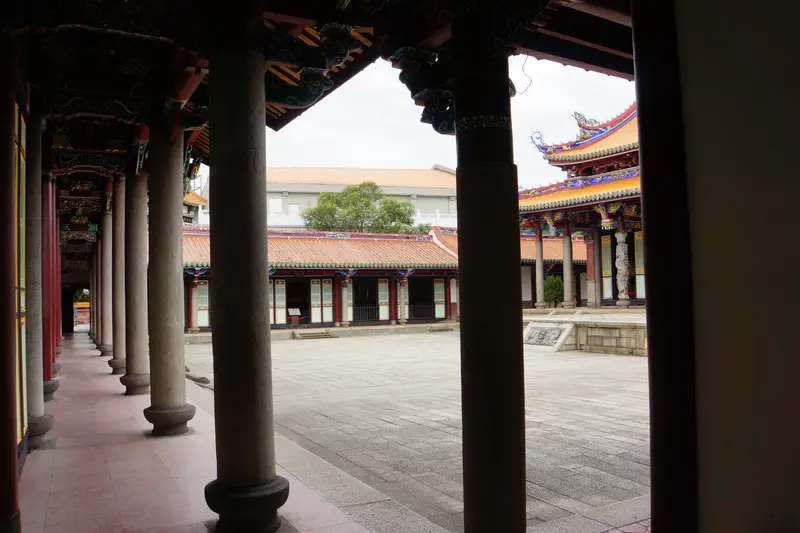
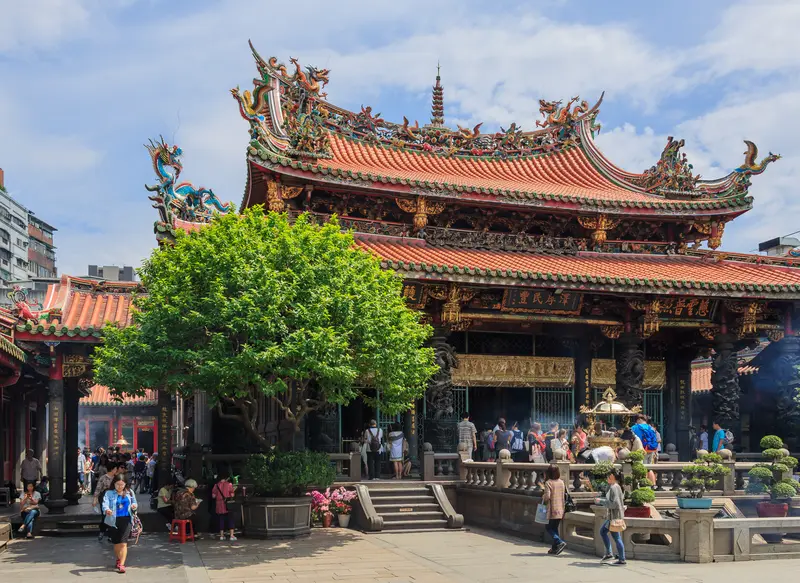
Longshan Temple pairs naturally with old-Wanhua street food and the Huaxi covered market. The Baoan and Confucius temples sit within an easy walk of each other near Yuanshan and pair with Datong’s heritage streets and snack stops. And Raohe Night Market grows right out of the Songshan Ciyou Temple, so a temple visit flows straight into dinner.
Are Taipei temples accessible for wheelchairs or strollers?+
It varies. Many temples have raised door thresholds, steps between courtyards, and uneven older stonework that can be challenging, while some larger ones are flatter than they look. If step-free access matters, check the temple’s official listing or contact them ahead, and visit during quieter hours when there’s more room to move at your own pace.
Do I need to be religious to visit Taipei temples?+
No. Temples are part of daily city life, and respectful visitors are welcome. Observation is enough—participation is always optional.
What should I wear to a temple in Taipei?+
Neat, comfortable clothing is fine. Aim for simple outfits that cover shoulders and avoid overly revealing pieces. The main goal is respect and comfort for walking.
Can I take photos inside temples?+
Often yes, but rules vary by temple and by area. Avoid flash, don’t photograph people praying up close, and when in doubt focus on architecture details and wide shots.
What if I’m sensitive to incense?+
Choose breezier times, stand near doorways, and keep visits shorter. You can still have a great experience by focusing on the courtyard and architectural details.
How long should a temple visit be?+
45–90 minutes is plenty for a satisfying first visit, especially if you pair it with a neighborhood walk and a snack stop afterward.
Which temple should I visit first in Taipei?+
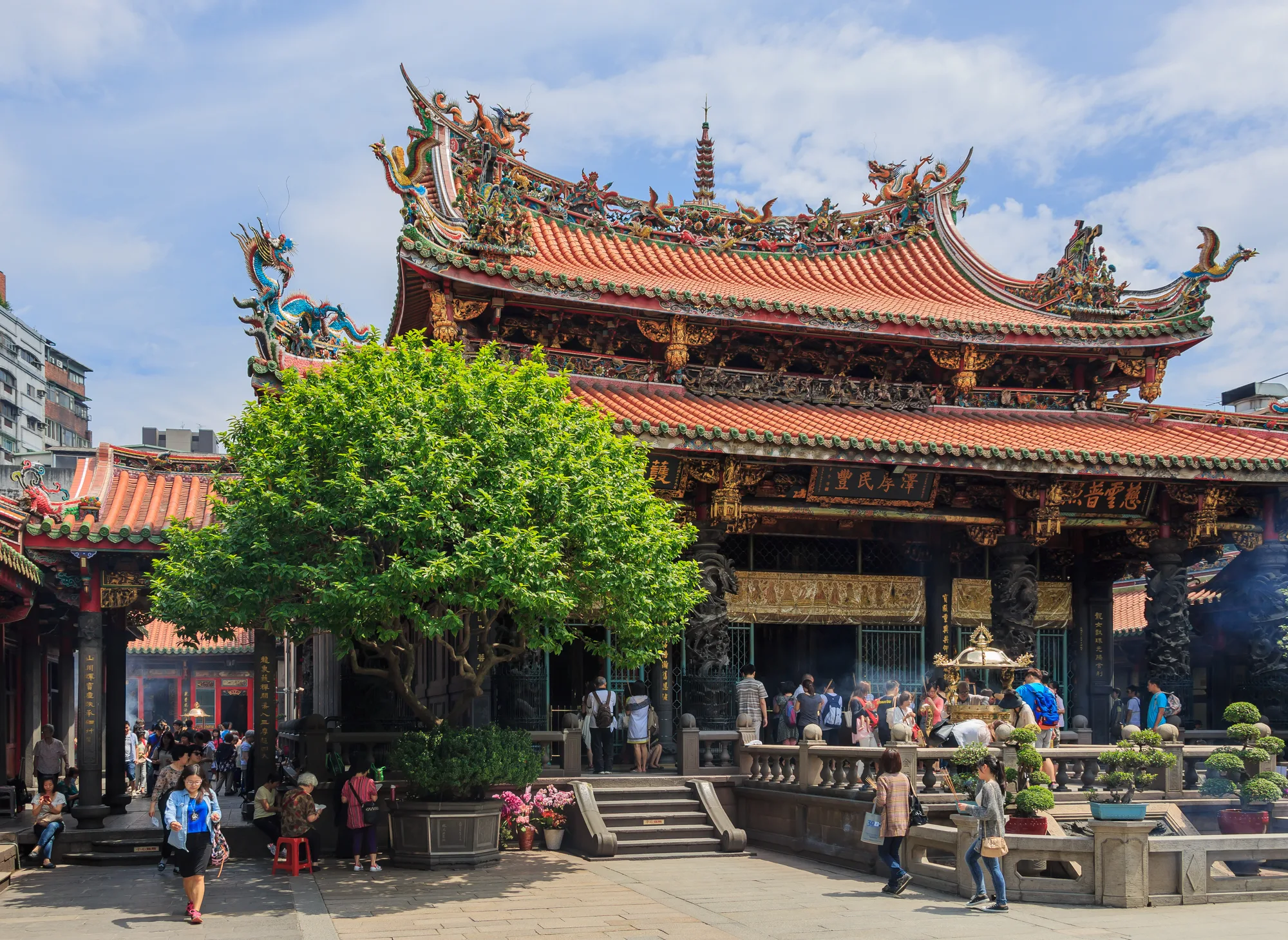
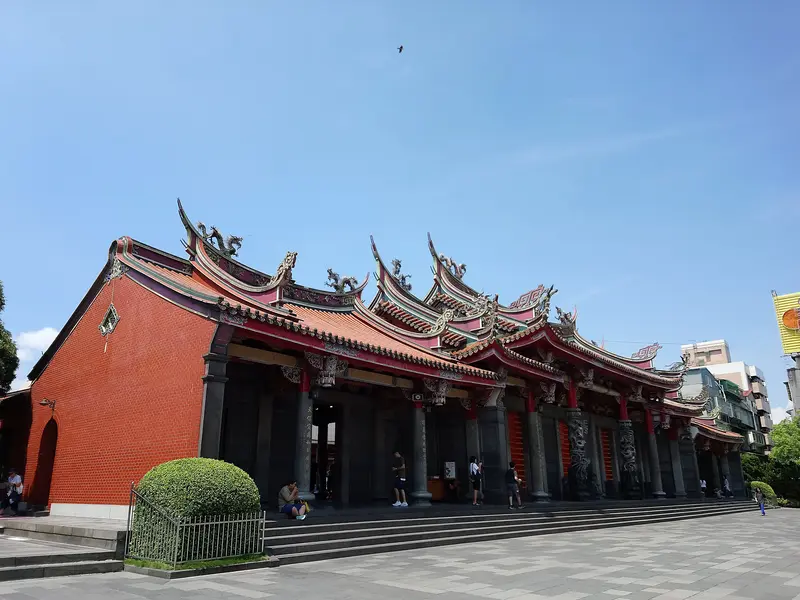
Longshan Temple in Wanhua is the classic first stop—historic, atmospheric, and surrounded by old-district food and street life. If you want a calmer, more straightforward visit, Xingtian Temple is a gentle introduction.
Is it okay to take a fortune or join a ritual?+
Generally yes, if it’s clearly open to visitors. Watch how locals do it, follow the posted flow, and move slowly. If you’re unsure whether something is participatory, it’s perfectly fine to simply observe instead.
Should I remove my shoes or cover my head?+
Most Taipei temples don’t require removing shoes or covering your head, but practices vary. The safe approach is to dress modestly, watch for signage, and follow what the people around you are doing.