Skip to content
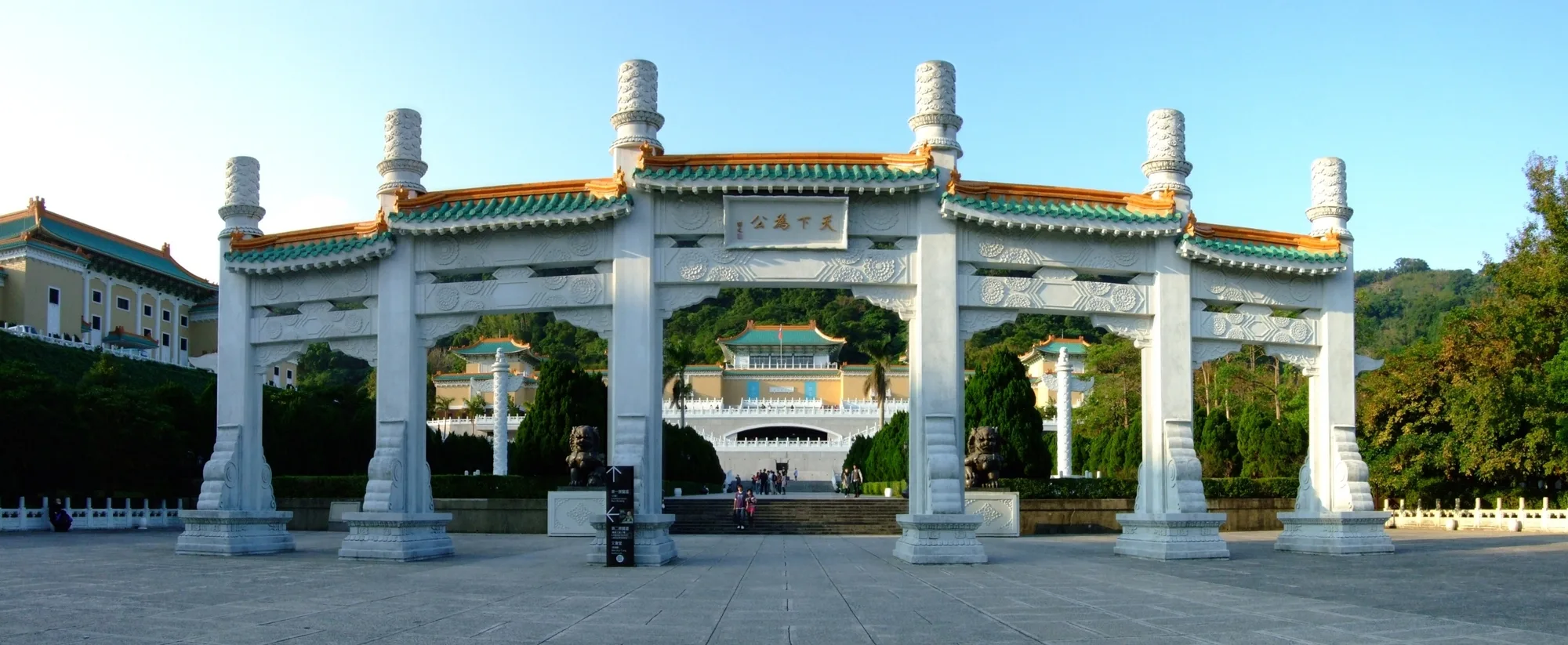
The National Palace Museum (國立故宮博物院) in Shilin, Taipei — the white marble paifang archway with green-tiled roofs, the cream-walled main palace building with its blue-green tiled roof rising on the hillside behind
Taipei · 台北 · 25.03°N 121.56°E

National Palace Museum: a world-class collection (without museum burnout)

One of Taipei’s top cultural stops—known for an extraordinary collection of Chinese imperial art and artifacts. Best visited with a focused plan.

Latinboy · CC BY-SA 3.0

One of Taipei’s top cultural stops—known for an extraordinary collection of Chinese imperial art and artifacts. Best visited with a focused plan.

Updated June 20, 2026

Map

Visualize where this fits in your day (and plan nearby pairings).

Open full map →

Quick facts資訊

Cost
NT$350 adult; NT$150 concession; free for under-18s, R.O.C. seniors 65+, and disabled visitors with a companion
Hours
Tue–Sun 09:00–17:00 (last entry 16:30); closed Mondays
Time needed
2 hours for highlights, up to 4 for a deeper visit
Getting there
MRT Shilin (Red Line) Exit 1, then bus R30/255/304/815 uphill (~15 min)
Best time / for
A good indoor anchor on hot or rainy days
Good to know
Pick three themes before you arrive to avoid museum burnout.
District
Shilin
Best for
Art, history, air-conditioned afternoons
Planning note
Closed Mondays (a handful of public-holiday Mondays open)

Highlights亮點

  • A premier museum for Chinese art and artifacts
  • Best when you choose a few ‘must-see’ themes
  • Easy to enjoy in 2 hours (or go deeper in 4)
  • Pairs well with a Shilin day and a night market evening

Why it’s worth it (even if you’re not a museum person)

This is one of Taipei’s headline cultural stops for a reason: the collection is deep, visually satisfying, and full of objects that make history feel tangible—jade, bronze, ceramics, paintings, calligraphy, miniature craftsmanship.

The key is to avoid the “museum marathon.” You don’t need to see everything to have a great visit. You need a plan that matches your attention span.

The simplest strategy that works (choose 3 themes)

Choose three things before you arrive: one material (ceramics, jade, bronze), one “big” theme (imperial life, landscape painting, calligraphy), and one curiosity category you normally skip. This creates structure without turning your visit into homework.

Then give yourself permission to leave when you’re satisfied. Museums land better when you stop before fatigue takes over.

  • Pick 3 themes (not 30 rooms)
  • Start with your “must-see” energy while you’re fresh
  • Take a café break mid-visit
  • End with something visually soothing (ceramics or landscape art)
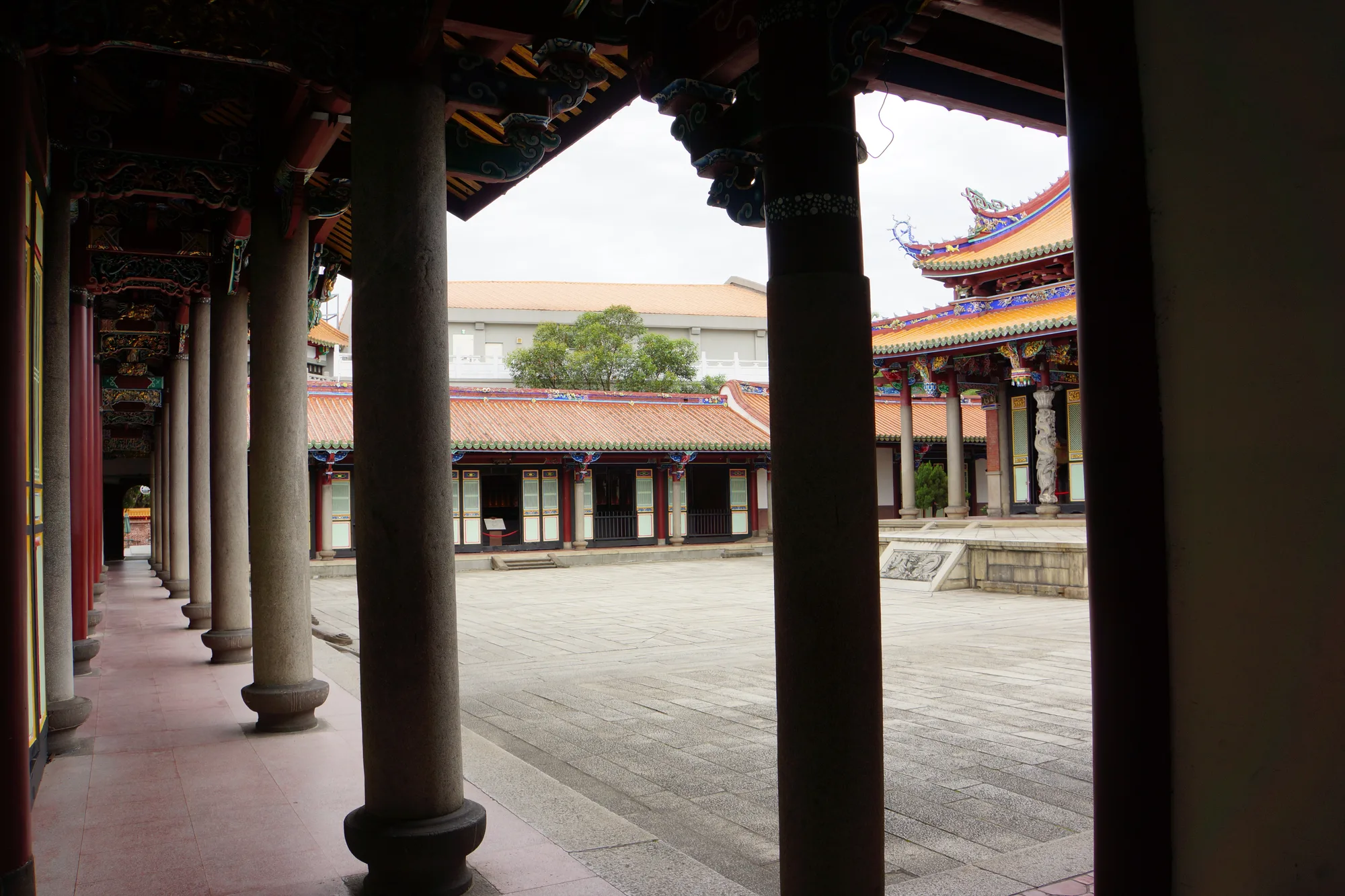
The inner courtyard and colorful tiled-roof halls of the Taipei Confucius Temple
Photo: lienyuan lee · CC BY 3.0 · Wikimedia Commons

A 2-hour “high payoff” route

Two hours is enough for a memorable visit if you stay focused. The goal is to see a handful of standout objects and leave with a clear mental picture of why the museum is famous.

Treat this as a highlights walk with one slow gallery where you actually linger.

  • Start: the museum’s featured highlights (go straight there first)
  • Then: one “material” gallery (jade/ceramics/bronze—choose what pulls you in)
  • Add: one painting/calligraphy gallery for contrast and quiet
  • Finish: gift shop or café break if you want an easy landing
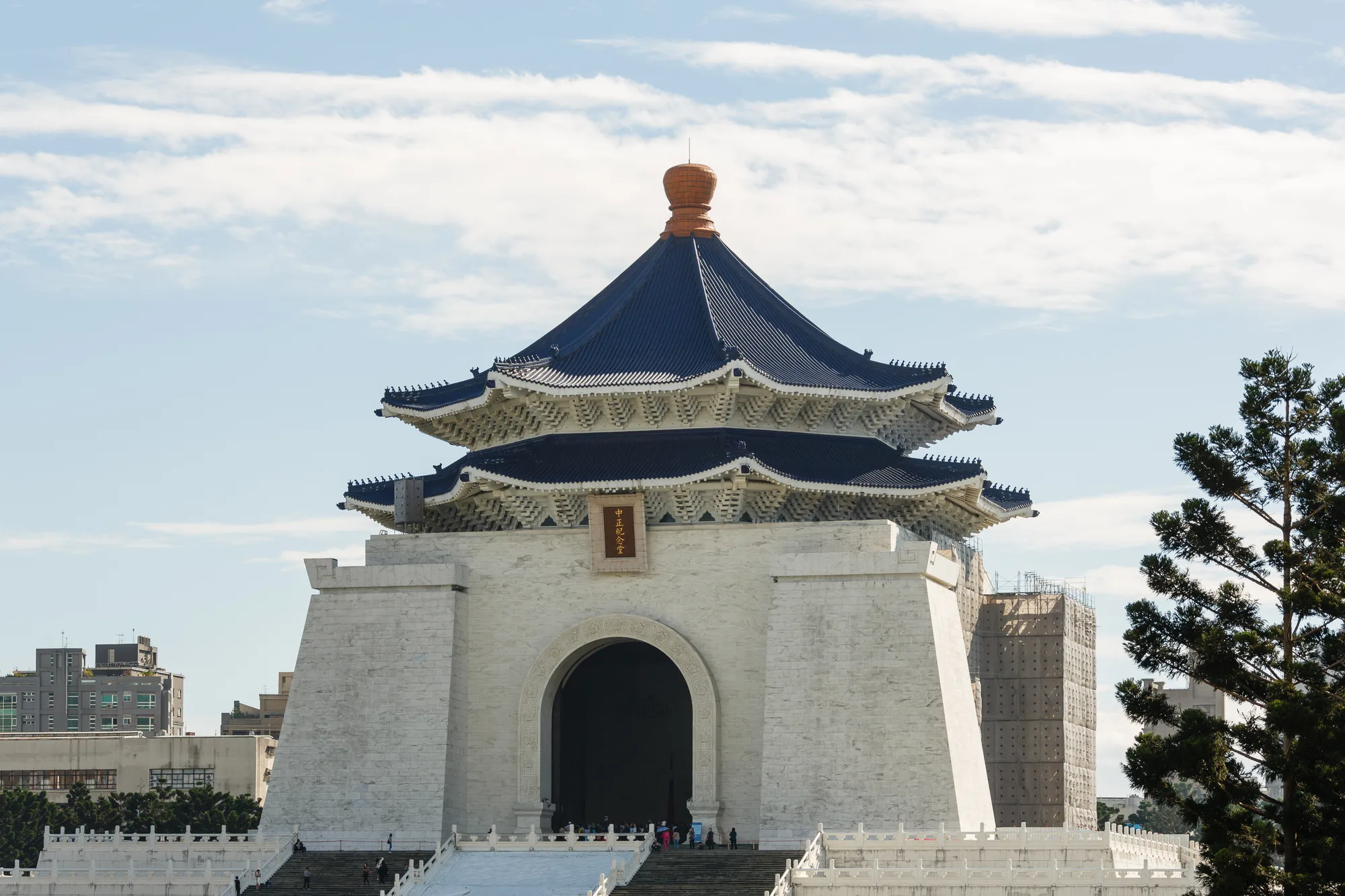
The white Chiang Kai-shek Memorial Hall in Taipei with its blue octagonal roof, ROC flags lining the plaza
Photo: CEphoto, Uwe Aranas · CC BY-SA 3.0 · Wikimedia Commons

A 4-hour “deeper but still sane” visit

Four hours is where the museum becomes a full afternoon—not because you’re sprinting, but because you’re giving yourself time to look. The trick is pacing: two focused blocks with a break in between.

  • Block 1: highlights + one deep-dive theme
  • Break: café / rest (protect your attention)
  • Block 2: second theme + one “surprise” gallery you didn’t plan
  • Exit: leave before your feet decide for you

Practical tips (so the day feels smooth)

This is an easy museum to enjoy if you set it up well: arrive earlier when you can, keep your bag light, and plan one satisfying food stop afterward. Adult admission is NT$350 (NT$150 concession; free for under-18s, R.O.C. seniors 65+, and disabled visitors with a companion), and the museum opens Tuesday to Sunday from 09:00 to 17:00, with last entry at 16:30 and Mondays closed. The museum pairs naturally with a Shilin afternoon and a night market evening.

If your trip has heat or rain, this is one of the best “indoor anchors” in the city.

  • If it’s busy: commit to your 3 themes and ignore the rest
  • If you’re tired: shorten the museum, then do Shilin food later
  • If you’re with kids: plan a shorter visit plus one “reward” stop afterward

FAQ 常見問題

Quick answers to common planning questions.

How do I get there by MRT?
There’s no station at the door, which catches many visitors out. Take the Tamsui–Xinyi (Red) Line to Shilin station (Exit 1), then a short bus up the hill—routes R30, 255, 304 and 815 all serve the museum, about a 15-minute ride—or a taxi. Build the transfer into your timing so you don’t arrive flustered.
What’s nearby to combine it with?
The Shung Ye Museum of Formosan Aborigines sits just across the road, the Zhishan Garden adjoins the grounds, and the wider Shilin district — including the Official Residence gardens and the night market — is a short hop away. A classic plan is the museum by day and Shilin Night Market for dinner.
How long should I spend at the National Palace Museum?
Two hours works well for a highlights-first visit. Plan 3–4 hours if you want to add a deeper theme and take breaks without rushing.
What should I see if I only care about the famous pieces?
Go straight to the museum’s featured highlights first. Signature objects can rotate or travel, so treat the museum’s “highlights” signage as the most reliable guide for what’s currently on display.
Is it still worth visiting if I’m not into art history?
Yes—if you keep it focused. Pick one material you like (jade, ceramics, bronze), do a highlights loop, and leave after you feel satisfied. It’s a visual experience as much as an academic one.
Is this a good rainy-day plan?
One of the best. Pair it with Shilin-area stops and keep the day museum-first, food-second.
What’s the best way to pair the museum with the rest of a day?
Do the museum as an afternoon anchor, then head to Shilin for dinner at the night market (or a calmer sit-down meal) to keep the day balanced.

Helpful links 連結

Official pages and references for planning details.

Ready to plan your next stop? 下一站

Start with a simple loop: one neighborhood stroll, one iconic sight, and one night market. Taipei rewards balance.

Tip: hours, prices, and seasonal schedules can change. When something matters (like a museum ticket or a special exhibition), check the official listing before you go.