



Skip to content
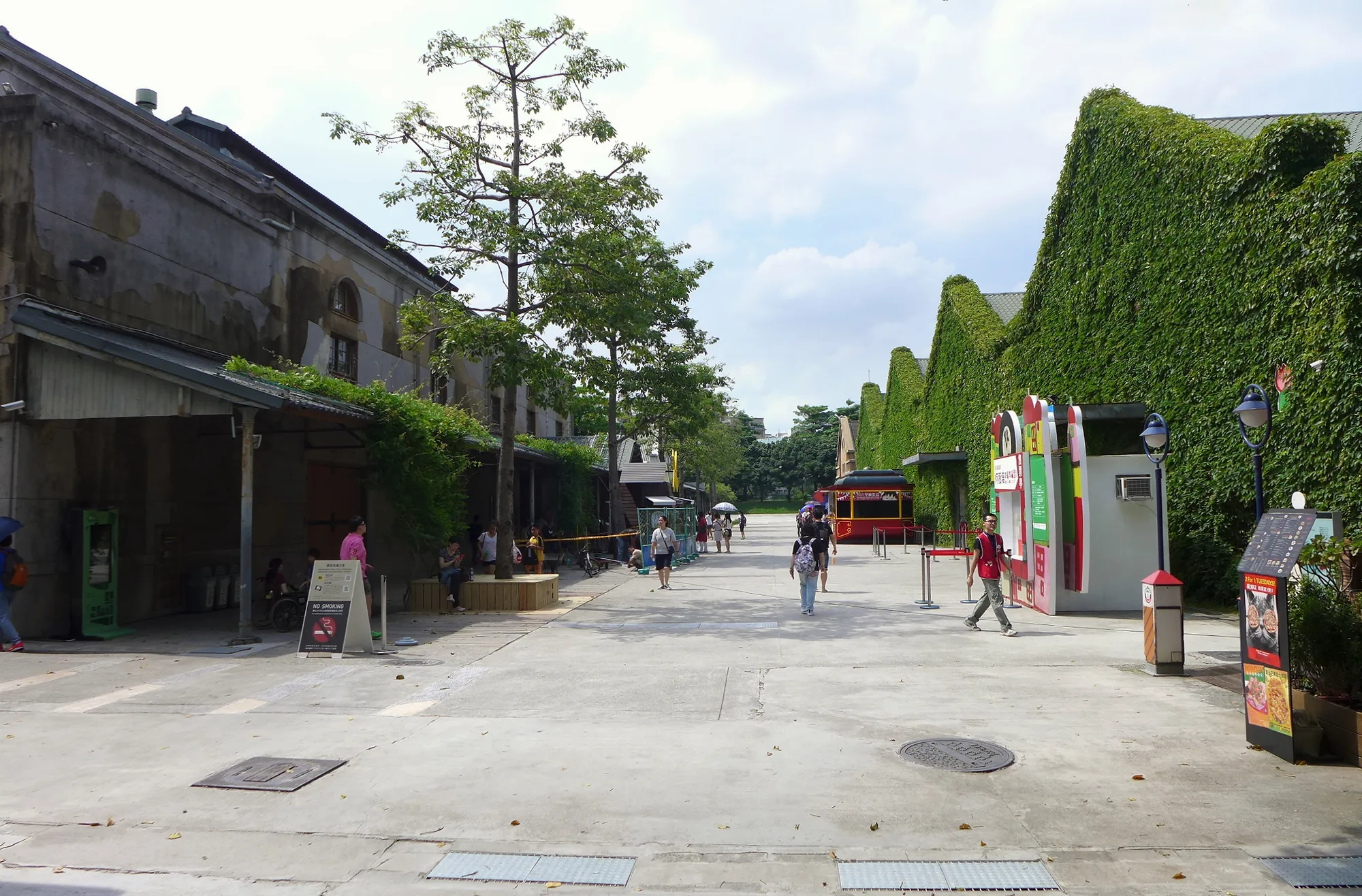
Huashan 1914 Creative Park in Taipei — ivy-covered former-winery warehouse buildings along a tree-lined boulevard with a red sightseeing tram
Taipei · 台北 · 25.03°N 121.56°E

Shung Ye Museum: an approachable introduction to Taiwan’s Indigenous cultures

A thoughtful private museum in Shilin, about 200 metres across from the National Palace Museum. Opened in 1994, it presents Taiwan’s Indigenous cultures across four floors — ceremonies, daily life, dwellings, costumes and weaving — for cultural context, beautifully displayed artifacts and a calmer museum pace.

Wpcpey · CC BY 4.0

A thoughtful private museum in Shilin, about 200 metres across from the National Palace Museum. Opened in 1994, it presents Taiwan’s Indigenous cultures across four floors — ceremonies, daily life, dwellings, costumes and weaving — for cultural context, beautifully displayed artifacts and a calmer museum pace.

Updated June 20, 2026

Map

Visualize where this fits in your day (and plan nearby pairings).

Open full map →

Quick facts資訊

Cost
Admission about NT$150 (adult); NT$100 student/Indigenous visitors; NT$75 seniors over 65 and disabled visitors. A joint ticket with the National Palace Museum is around NT$320—worth a quick check if you’re combining the two.
Hours
Tuesday–Sunday, 09:00–17:00. Closed Mondays and during Chinese New Year.
Time needed
1–2 hours.
Getting there
On Zhishan Road in Shilin, roughly 200 metres diagonally across from the National Palace Museum, so it’s easy to combine the two. Reachable via the Palace Museum’s bus connections from Shilin MRT.
Best time / for
Pair it with a National Palace Museum visit; weekday mornings are quietest.
Good to know
It’s a private foundation museum, separate from the National Palace Museum — check whether you want a single or joint ticket.
District
Shilin
Opened
1994
Best for
Culture days, curious travelers, museum pacing

Highlights亮點

  • A focused museum visit that feels approachable, not exhausting
  • Four floors on Taiwan’s Indigenous peoples — ceremonies, livelihoods, costumes, weaving
  • Just across the road from the National Palace Museum
  • A joint ticket can be combined with the National Palace Museum

Why go

If you want a broader understanding of Taiwan beyond the city skyline, this museum is a great place to start. It focuses entirely on Taiwan’s Indigenous (Formosan Aboriginal) peoples, and the visit is focused and digestible — more ‘curiosity’ than ‘endurance’ museum. It pairs especially well with a National Palace Museum day, adding cultural context and a vivid contrast to the imperial-Chinese collections across the street.

The story behind it

The museum was founded by Lin Ching-fu, chairman of the Shung Ye Group, through the Lin Nai-weng Foundation for Culture and Education, and officially opened to the public in 1994. It grew out of a private passion for preserving and presenting Taiwan’s Indigenous heritage at a time when that heritage was under-represented in mainstream museums — which is part of why the collection feels personal and carefully curated.

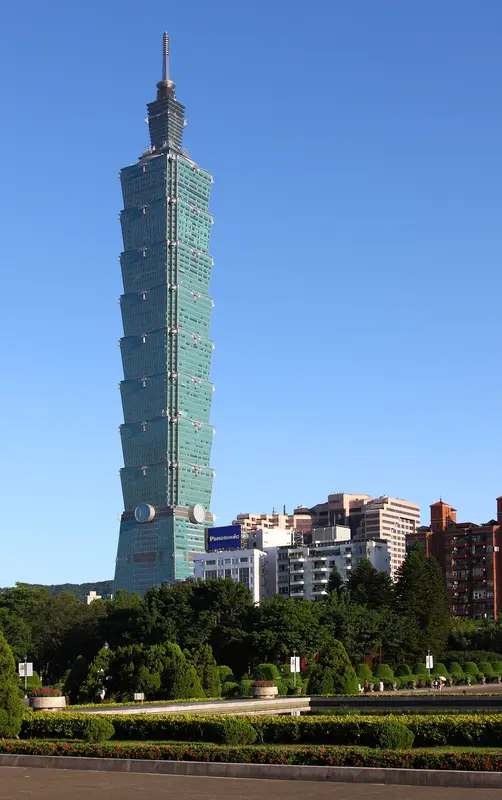
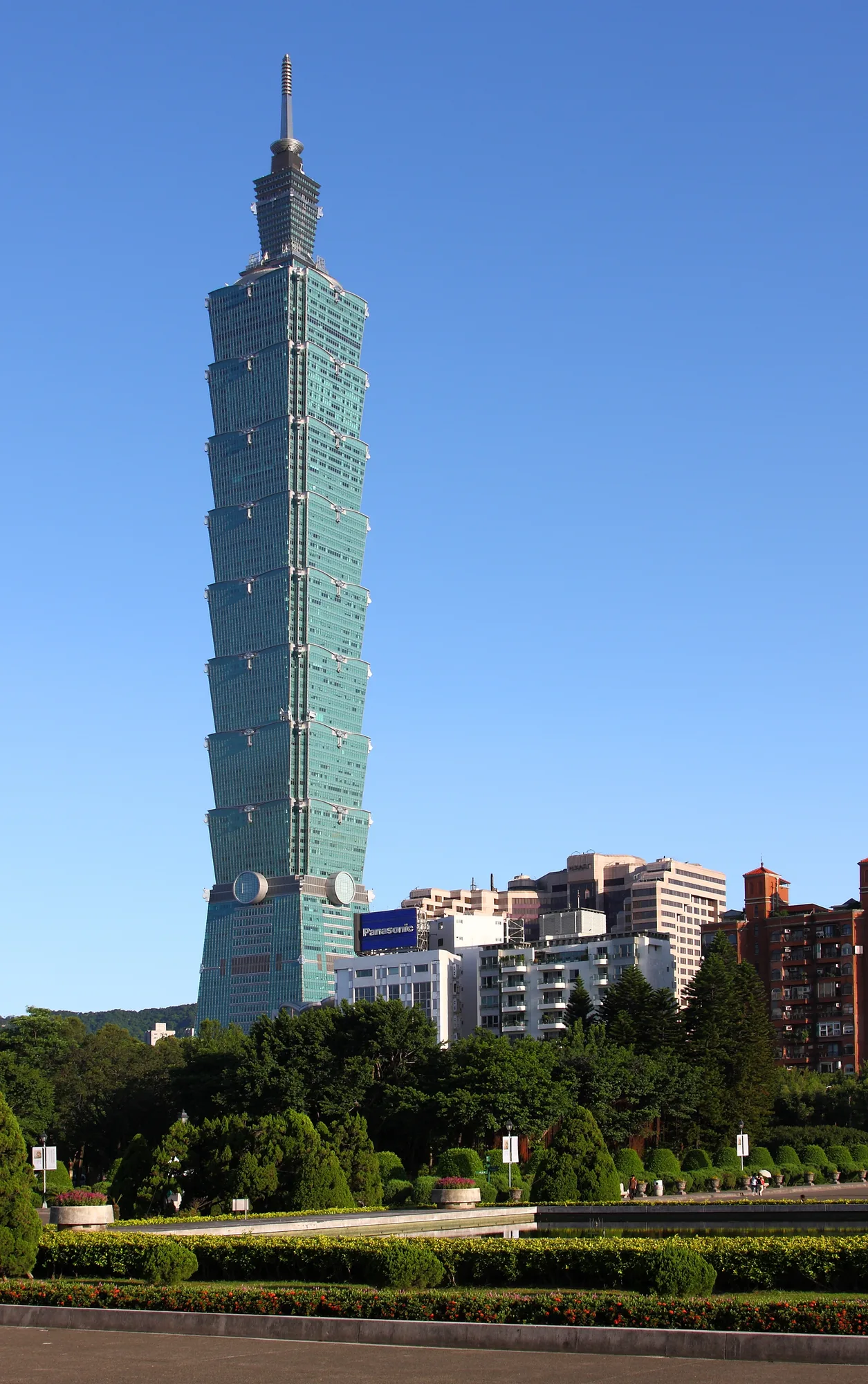
A daytime portrait of the Taipei 101 tower against a clear blue sky, its pagoda-tiered green-glass form clearly visible
Photo: AngMoKio · CC BY-SA 3.0 · Wikimedia Commons

What you’ll see

Exhibits are arranged across four floors, moving through themes such as the natural environment, daily life and livelihoods, religion and ceremonies, dwellings, clothing, embroidery and weaving. Together they introduce the diversity of Taiwan’s Indigenous groups, with artifacts ranging from tools and textiles to ceremonial objects and an entrance lintel created by a contemporary Indigenous artist.

  • Four floors of thematic Indigenous-culture displays
  • Costumes, weaving and embroidery
  • Ceremonial objects and everyday tools
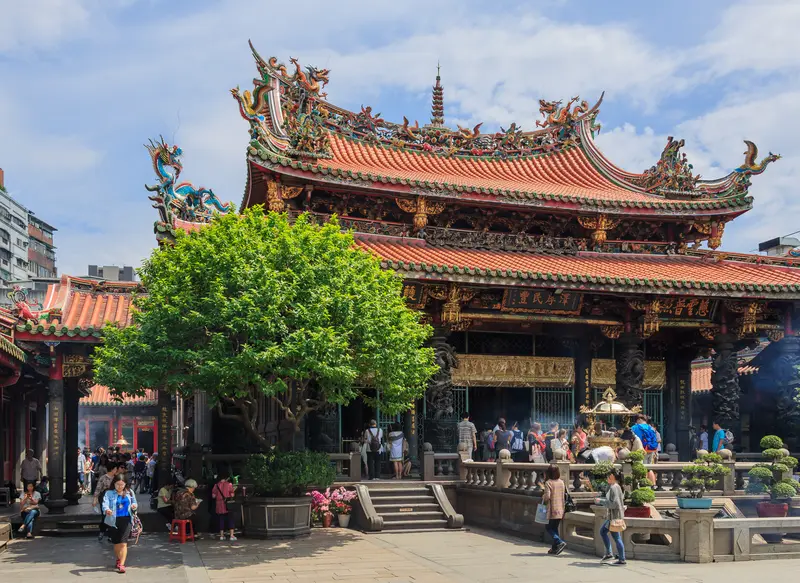
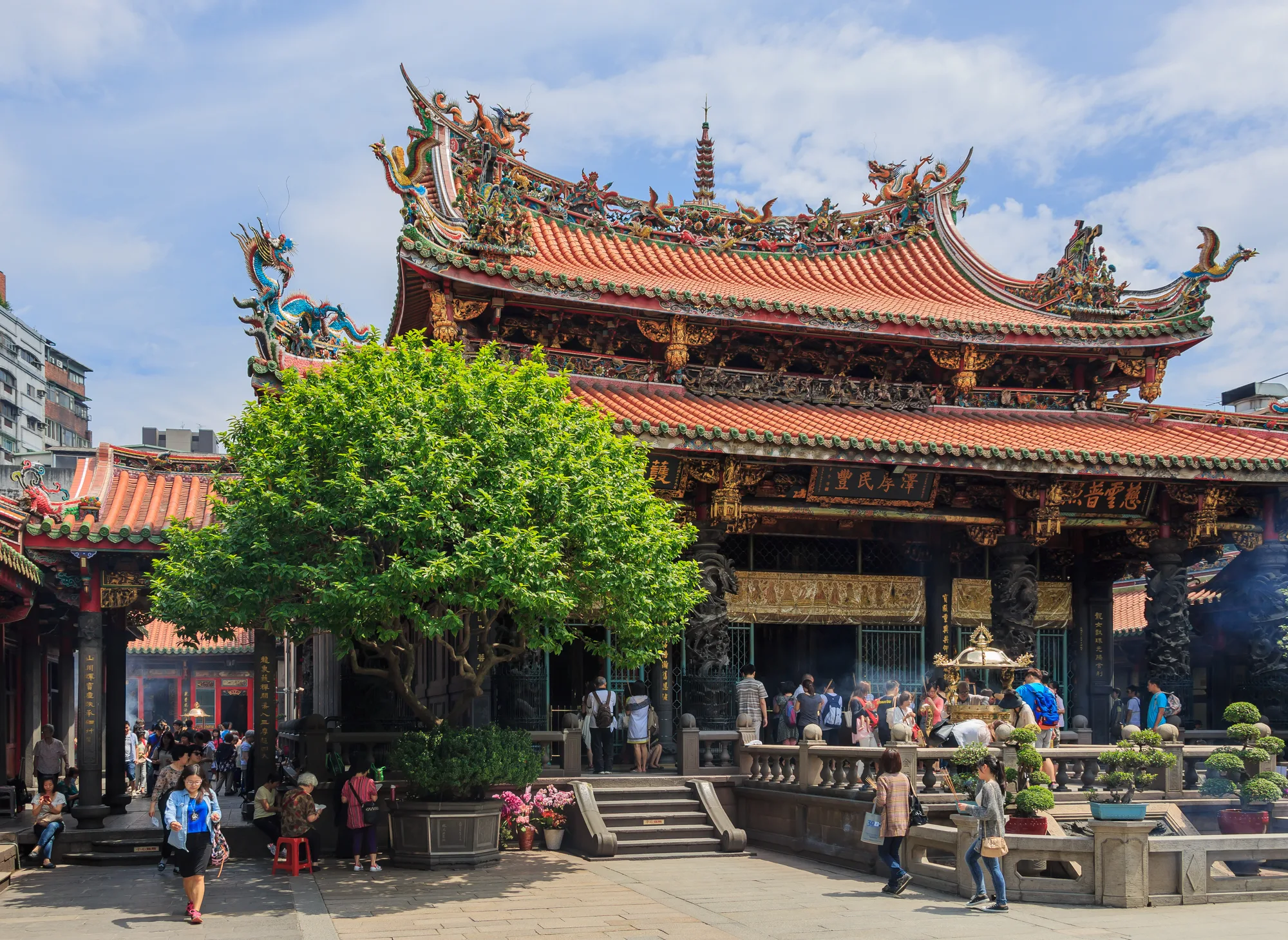
The ornate main hall of Longshan Temple in Wanhua, Taipei, with a dragon-decorated multi-tiered roof and red columns
Photo: CEphoto, Uwe Aranas · CC BY-SA 3.0 · Wikimedia Commons

How to plan the visit

Choose two or three themes, go at a calm pace, and leave while you still feel interested — that’s the best museum strategy in any city, and this one rewards it. Because it sits right across from the National Palace Museum, the smart move is to anchor your day at one big museum and use Shung Ye as the focused, human-scaled counterpoint. Remember it’s closed on Mondays.

  • Do one main museum, then this as a focused second stop
  • Take a café break between the two
  • Closed Mondays — plan around it

Why the pairing works so well

The two museums tell complementary halves of Taiwan’s story. The National Palace Museum across the road holds the imperial-Chinese treasures that arrived from the mainland; Shung Ye turns the lens back onto the island’s first peoples, who were here for thousands of years before any of those objects landed. Seeing both in a day gives you a fuller, more honest sense of what ‘Taiwan’ actually means—and the smaller museum often leaves the deeper impression precisely because it’s human-scaled and unhurried.

Shung Ye also makes a good rainy-day or hot-afternoon anchor in Shilin. It’s indoor, calm, and rarely crowded, and the four-floor layout is easy to do at your own pace. If the Palace Museum’s scale has worn you out, an hour here is a gentle, rewarding way to round off a culture day before heading back toward Shilin’s night market for dinner.

FAQ 常見問題

Quick answers to common planning questions.

Is it worth visiting alongside the National Palace Museum?
Very much so. The big museum covers imperial-Chinese collections, while Shung Ye focuses on Taiwan’s Indigenous peoples—together they give a far more complete picture of the island. A joint ticket makes combining them straightforward, and the short walk between the two is easy.
How much is admission?
Around NT$150 for adults, with reduced rates for students, Indigenous visitors, seniors over 65 and disabled visitors. A joint ticket with the National Palace Museum is roughly NT$320. Current prices are worth a quick look on arrival.
What are the opening hours?
Tuesday to Sunday, 09:00–17:00. It’s closed on Mondays and during Chinese New Year.
Where is it relative to the National Palace Museum?
About 200 metres diagonally across the road, on Zhishan Road in Shilin — easy to visit on the same trip.
When did it open?
It officially opened in 1994, founded by the Shung Ye Group’s chairman through the Lin Nai-weng Foundation for Culture and Education.
How long do I need?
About one to two hours is comfortable for the four floors.

Helpful links 連結

Official pages and references for planning details.

Ready to plan your next stop? 下一站

Start with a simple loop: one neighborhood stroll, one iconic sight, and one night market. Taipei rewards balance.

Tip: hours, prices, and seasonal schedules can change. When something matters (like a museum ticket or a special exhibition), check the official listing before you go.