1 day in Taipei: classics + a night-market finish
A high-impact day plan that balances iconic sights with neighborhood texture—designed to feel full but not frantic.
Read more →
A balanced weekend itinerary: one day for iconic Taipei + one day for museums/heritage and either tea hills or hot springs.
A balanced weekend itinerary: one day for iconic Taipei + one day for museums/heritage and either tea hills or hot springs.
Updated June 20, 2026
 Quick facts資訊Time neededGetting thereBest time / forGood to knowBest forPaceChoose your Day 2
 Highlights亮點
Two days in Taipei is enough for a real trip—if you keep the shape simple. Day 1 is icons and energy. Day 2 is slower texture plus a reset (tea hills or hot springs).
The best weekend upgrade is not cramming more in; it’s making transitions easier. Build each day around one main district cluster plus one evening anchor.
Start with the ‘1 day in Taipei’ loop for maximum impact: landmark → historic district → skyline option → night market. If you’re jet-lagged, skip the hike and keep the day city-centered.
Spend the morning in Datong’s Dadaocheng area and walk Dihua Street slowly. This is where you’ll find tea, dry goods, and old Taipei atmosphere—perfect for a calmer second day.
Choose one ‘reset’ experience and do it well. This avoids last-day stress and makes the trip feel generous instead of rushed.

Finish with a relaxed dinner in Zhongshan or Daan—great for a calmer final night. If you still have energy, add dessert or a bubble tea nightcap.
Taipei is easy to pivot. Treat weather as a design constraint: reduce exposed walking, add one indoor anchor, then keep the food plan simple.
A rainy weekend can still be excellent: creative parks, museums, tea breaks, and hot springs are all built for this city.
Two days is just enough to feel like you actually visited Taipei rather than sprinted through it—if you protect your energy. The trap is treating both days at the same intensity. The better shape is a high-energy Day 1 (icons, walking, a night market) followed by a deliberately gentler Day 2 (slow streets, a reset experience, a calm dinner). Your feet will thank you, and the contrast makes the weekend feel longer and richer than two identical busy days.
Build one genuine sit-down break into each day—a tea house, a café, or a long lunch. These aren’t wasted time; they’re what keeps you curious into the evening. A weekend visitor who rests well at midday can comfortably enjoy a night market on Day 1 and still have the patience for a relaxed Day 2, whereas a visitor who power-walks through both mornings usually fades by the second afternoon.
If you’re arriving Friday night and leaving Sunday evening, you effectively have one full day plus two half-days. In that case, front-load the icons into your one full day, use the Friday evening for a short night-market or neighborhood stroll near your hotel, and keep the Sunday departure morning to a single calm anchor (Dadaocheng browsing or a Beitou soak) so you’re not rushing to a train or bus with luggage.
This weekend stays simple because every anchor is on the MRT. Day 1 lives mostly on the Red and Blue lines—CKS Memorial Hall on the Red, Longshan Temple on the Blue, and Xinyi (Taipei 101, Xiangshan for Elephant Mountain) back on the Red. For the night market, Raohe sits at Songshan on the Green line and Shilin is on the Red line, so either is a clean ride from the center.
Day 2’s heritage morning in Dadaocheng is reached via Daqiaotou (Orange line) or a short walk from Beimen (Green line). From there, your reset choice determines the afternoon: Beitou is a straight shot up the Red line, transferring to the short Xinbeitou branch at Beitou station; Maokong means riding the Red line down to the Brown line and out to Taipei Zoo, where the gondola begins. Both are easy, but Maokong involves more total travel time, so leave earlier if you choose the tea hills.
A small practical note: the Xinbeitou branch is a two-stop shuttle, and the Maokong Gondola is closed on Mondays and in high winds or lightning, so a weekend (Saturday/Sunday) timing usually works in your favor for the gondola. Current gondola hours and any weather suspensions are easy to confirm on the official site, worth a peek before you lock in your afternoon.

Spread your big meals out so no single day feels like a food marathon. Day 1’s eating peaks at the night market—keep lunch light (a comfort bowl) and save your appetite for the evening crawl. Day 2 is the day for a proper sit-down: a tea-house break in Dadaocheng, then a relaxed dinner in Zhongshan or Daan where you’re not standing in a market queue.
If you only do one ‘bucket-list’ food experience this weekend, make it either a soup-dumpling (xiaolongbao) lunch or a focused night-market crawl—doing both well in two days is plenty. Bubble tea, tofu pudding, and pineapple cakes slot in naturally as snacks and souvenirs without needing their own time block.
The reset experience is what gives this weekend its character, so choose deliberately. Maokong is the tea-hills option: you ride a gondola up out of the city to a ridge of slopes dotted with tea houses, where the air is cooler and the pace is unhurried. It’s the better pick on a clear day, when the views over the basin and the chance to linger over pot after pot of local oolong are the whole point. The trade-off is travel time—it’s the longest single journey of the weekend.
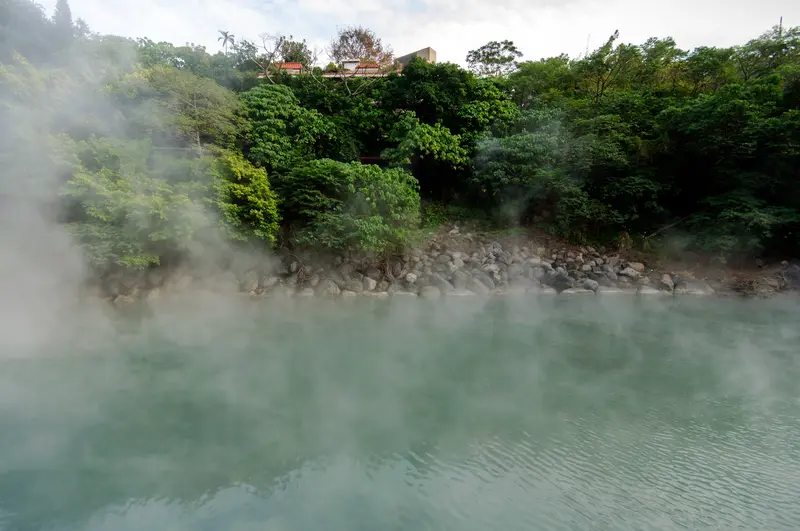
Beitou is the hot-springs option: a short branch line off the Red carries you into a leafy valley of public and private bathhouses, with the historic Hot Spring Museum and the steaming Thermal Valley nearby. It’s the better choice when it’s cool, wet, or you simply want comfort over effort, and it’s wonderfully forgiving on tired feet after a big Day 1. Many travelers find Beitou the more relaxing of the two, while Maokong is the more scenic.
A simple decision rule: check the forecast the night before. Clear and mild? Maokong. Grey, cold, or rainy? Beitou. If you genuinely can’t choose, default to Beitou for a two-day trip—it asks less of your legs and your schedule, leaving you fresher for a good final dinner. Whichever you pick, current hours (the gondola closes Mondays and in bad weather; bathhouses vary) are worth a quick look first.
This weekend plan is built for first-time visitors and weekend travelers who want a genuine cross-section of Taipei—icons, a historic neighborhood, a night market, and a nature reset—without a punishing pace. Couples love it because both evenings (a market crawl, then a calm dinner) are naturally romantic, and it scales gracefully for friends traveling together. It’s also a strong template for a business traveler who has a Saturday and Sunday to spare.
It’s less suited to travelers chasing a single deep theme (a full museum weekend, a hardcore hiking trip, or a dedicated shopping spree), and it’s a stretch for very young children unless you swap the Maokong/Beitou afternoon for the Taipei Zoo and arrive at the night market early. If you’re a repeat visitor who has already done the icons, skip Day 1’s landmarks and build the weekend around two slow neighborhoods plus the reset instead.
Plenty of weekend visitors land midday or even in the evening on the first day, and the plan flexes easily for that. If you arrive around lunchtime, skip the civic-landmark morning entirely and start with old Taipei: Longshan Temple and a short Wanhua loop, a comfort bowl nearby, then commit your evening to a single night market. The icons simply slide to a Day 2 morning, with the heritage and reset compressed into the afternoon.
If you arrive in the evening, treat the first night as a soft landing rather than a full day. Drop your bags, find a nearby comfort dinner or a short, compact night-market visit, and get a good night’s sleep. Then run the full one-day-classics loop on what is effectively your first real morning, and use the second day for Dadaocheng plus your chosen reset. The weekend still works; you’ve just shifted the start line.
The principle that holds in every late-arrival scenario: don’t try to claw back the lost hours by cramming. A weekend is short enough that one overstuffed catch-up day can sour the whole trip. Adjust the shape, keep the breaks, and let the city come to you at a human pace.
Quick answers to common planning questions.
Official pages and references for planning details.
Hand-picked next reads to make your Taipei plan smoother.
A high-impact day plan that balances iconic sights with neighborhood texture—designed to feel full but not frantic.
Read more →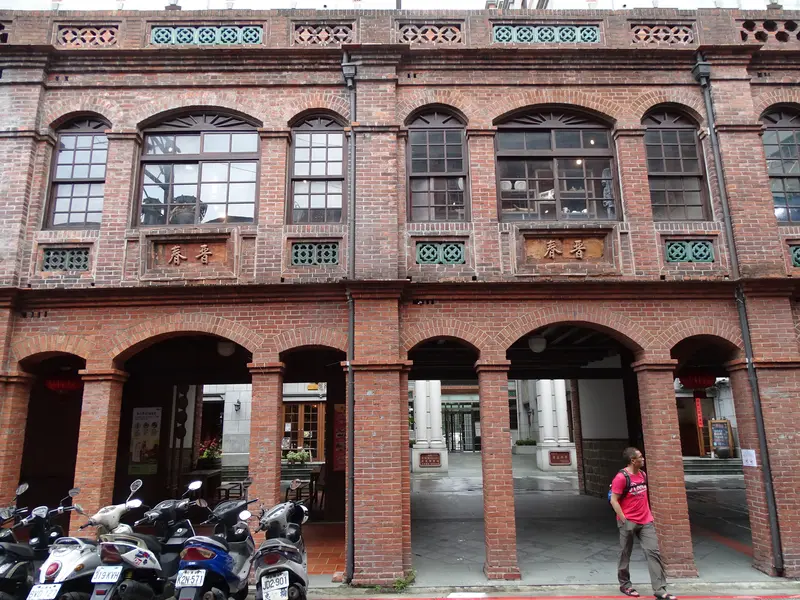
Taipei’s oldest street, with shops dating back to around 1851—a fragrant warren of tea, herbal medicine, fabric, and dried goods set among Qing-dynasty shophouses and colonial Baroque facades.
Read more →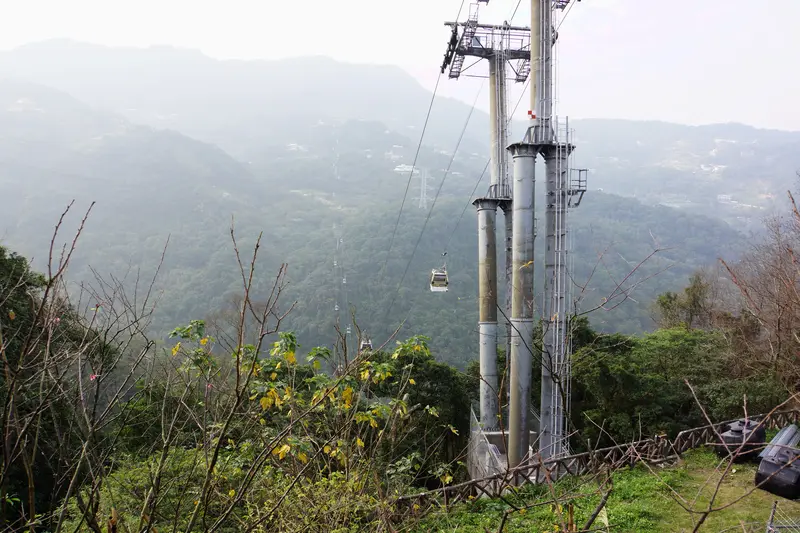
A 4.03 km cable-car ride from beside Taipei Zoo up into the Maokong tea hills—big views, cooler air, glass-bottomed Crystal Cabins, and tea houses waiting at the top.
Read more →A geothermal hot-spring district inside Taipei—perfect for rainy weather, sore legs, and a slower pace after big sightseeing days.
Read more →
A historic area anchored by Dihua Street—tea, dry goods, traditional shops, and a slower, more photogenic side of Taipei. It’s one of the city’s oldest trading quarters, full of Qing-era and Japanese-Baroque facades that reward a slow, curious wander.
Read more →A south-Taipei district that shines when you want nature: Taipei Zoo, the Maokong gondola, tea houses, and cooler hill air. It’s the city’s easy ‘green reset’, where you can change elevation and mood in a single afternoon.
Read more →Start with a simple loop: one neighborhood stroll, one iconic sight, and one night market. Taipei rewards balance.
Tip: hours, prices, and seasonal schedules can change. When something matters (like a museum ticket or a special exhibition), check the official listing before you go.