Skip to content
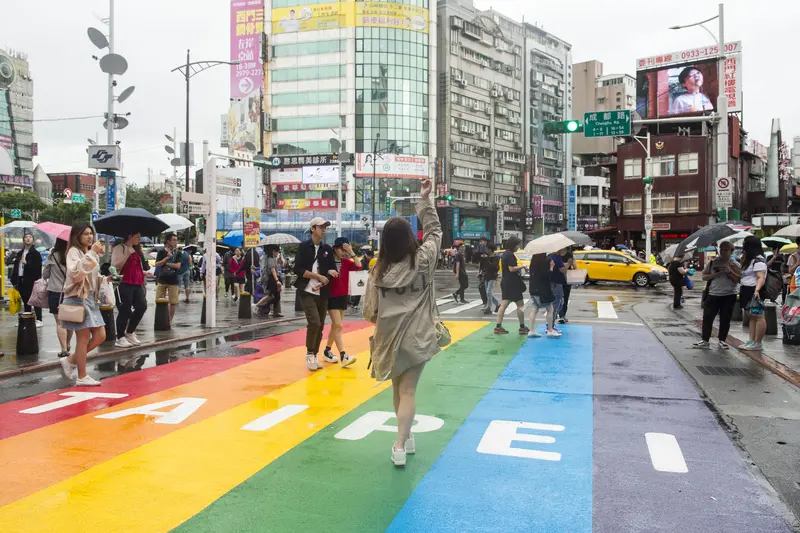
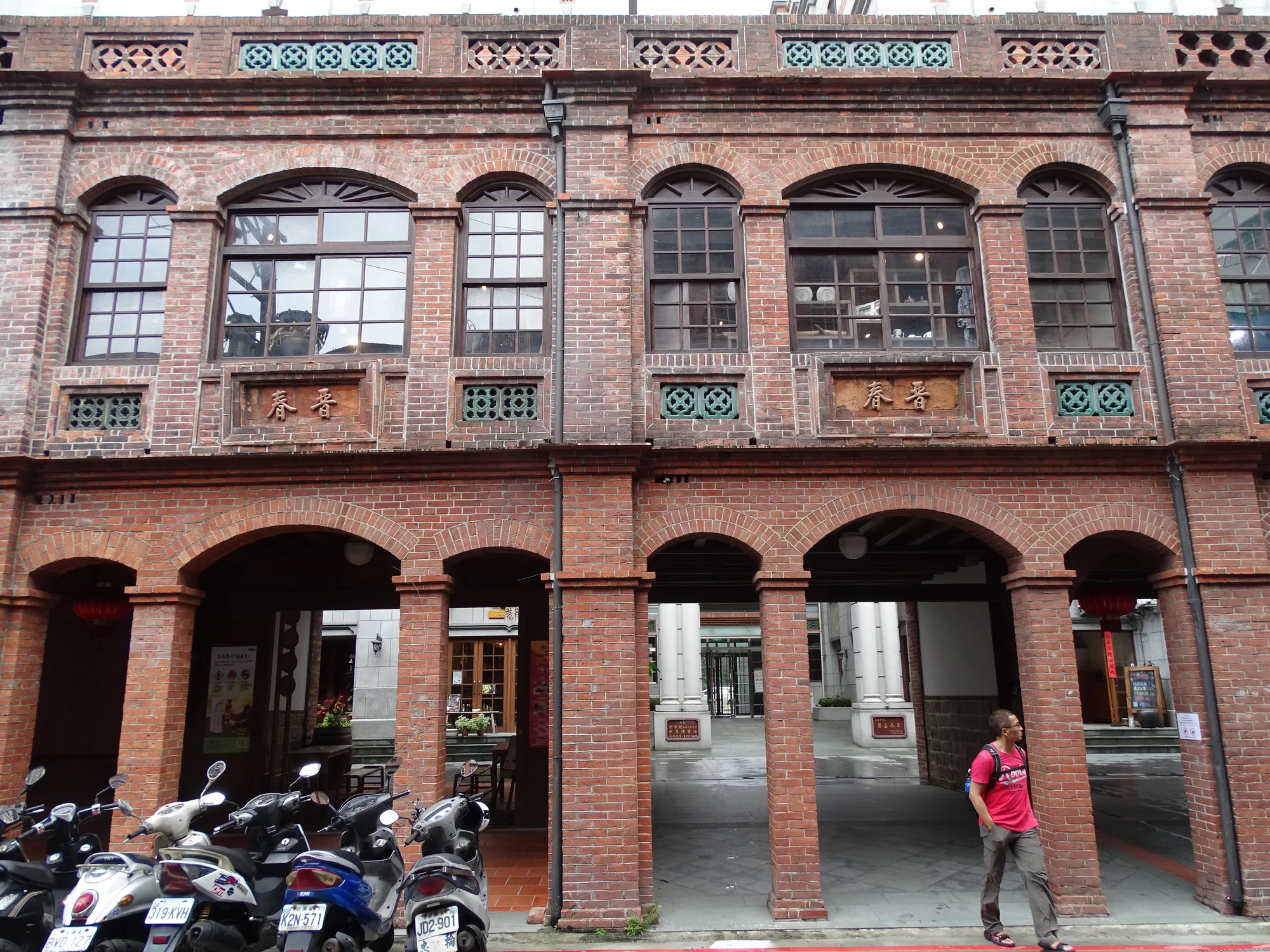
A historic red-brick shophouse facade with arched windows and a covered arcade on Dihua Street, Dadaocheng, Taipei
Taipei · 台北 · 25.03°N 121.56°E

Zhongshan Hall: a classic Taipei landmark beside Ximending

A 1930s civic landmark beside Ximending—originally the Taipei City Public Hall and the site of Japan’s 1945 surrender in Taiwan—that adds architectural and historical texture to a city-center day, and still stages concerts, opera, and exhibitions.

Adam Jones from Kelowna, BC, Canada · CC BY-SA 2.0

A 1930s civic landmark beside Ximending—originally the Taipei City Public Hall and the site of Japan’s 1945 surrender in Taiwan—that adds architectural and historical texture to a city-center day, and still stages concerts, opera, and exhibitions.

Updated June 20, 2026

Map

Visualize where this fits in your day (and plan nearby pairings).

Open full map →

Quick facts資訊

Cost
Free (some special exhibitions and events are ticketed)
Hours
Roughly 09:30–17:00
Time needed
45–90 minutes
Getting there
MRT Ximen (Green & Blue lines), Exit 5 (also Exit 4), about 200 m
Best time / for
Weekday daytime—tours pause during auditorium performances
Good to know
Free audio guides require leaving a personal ID as collateral; group tours need application at least a week in advance.
District
Zhongzheng (Ximending edge)
Best for
Architecture, history texture, city-center strolls

Highlights亮點

  • The site of the 25 October 1945 Japanese surrender ceremony in Taiwan
  • A 1930s light-green-tiled hall with Spanish-Islamic window detailing
  • Still a working venue for concerts, opera, dance, and exhibitions

Why go

Zhongshan Hall is the kind of landmark that improves your day without taking it over. It gives you a strong architectural moment and a deep slice of civic history, then releases you back into the city’s everyday flow.

It’s especially satisfying if you’re already walking between 228 Park and Ximending—this is the perfect ‘in-between’ anchor, sitting about 200 metres from MRT Ximen.

A building with history

Construction began on 23 November 1932 and was completed on 26 November 1936, with Ide Kaoru as chief architect. Originally the Taipei City Public Hall, it’s a four-story steel-reinforced structure clad in light-green tile, with distinctive Spanish-Islamic detailing around the windows. It was deliberately built large — for a time one of the most modern civic buildings in East Asia — to serve as a public gathering hall for the colonial city.

Its place in history is significant: this was the site of the Japanese surrender ceremony in Taiwan on 25 October 1945, when General Andō Rikichi formally handed authority over the island to the incoming administration — the moment that ended fifty years of Japanese rule. In the decades since, it has hosted presidential inaugurations and visiting dignitaries, and today it stages concerts, opera, dance, and exhibitions.

  • Built 1932–1936, chief architect Ide Kaoru; once the Taipei City Public Hall
  • Site of the 25 October 1945 Japanese surrender in Taiwan
  • Light-green-tiled, four-story building with Spanish-Islamic window detail
people eat on street foods
Photo: K X I T H V I S U A L S / Unsplash

What to look for inside

Beyond the auditorium, the building rewards a slow wander. Period details survive throughout — terrazzo floors, decorative ironwork, and grand staircases that recall the 1930s ambition of the place. The main auditorium is still in active use, so the public areas you can access vary with the performance schedule, but the lobbies, corridors, and the upper-floor café and exhibition spaces are usually open for a look.

There’s also a small free-to-browse character to the place: rotating exhibitions, a long-running café, and views over the Ximending district make it an easy, low-pressure stop rather than a ticketed attraction. If you only have a short window, simply circling the exterior to take in the green tilework and the ornate window surrounds is worthwhile on its own.

  • 1930s terrazzo floors, ironwork, and grand staircases
  • Lobbies, corridors, and an upper-floor café usually open
  • Rotating exhibitions and city views over Ximending
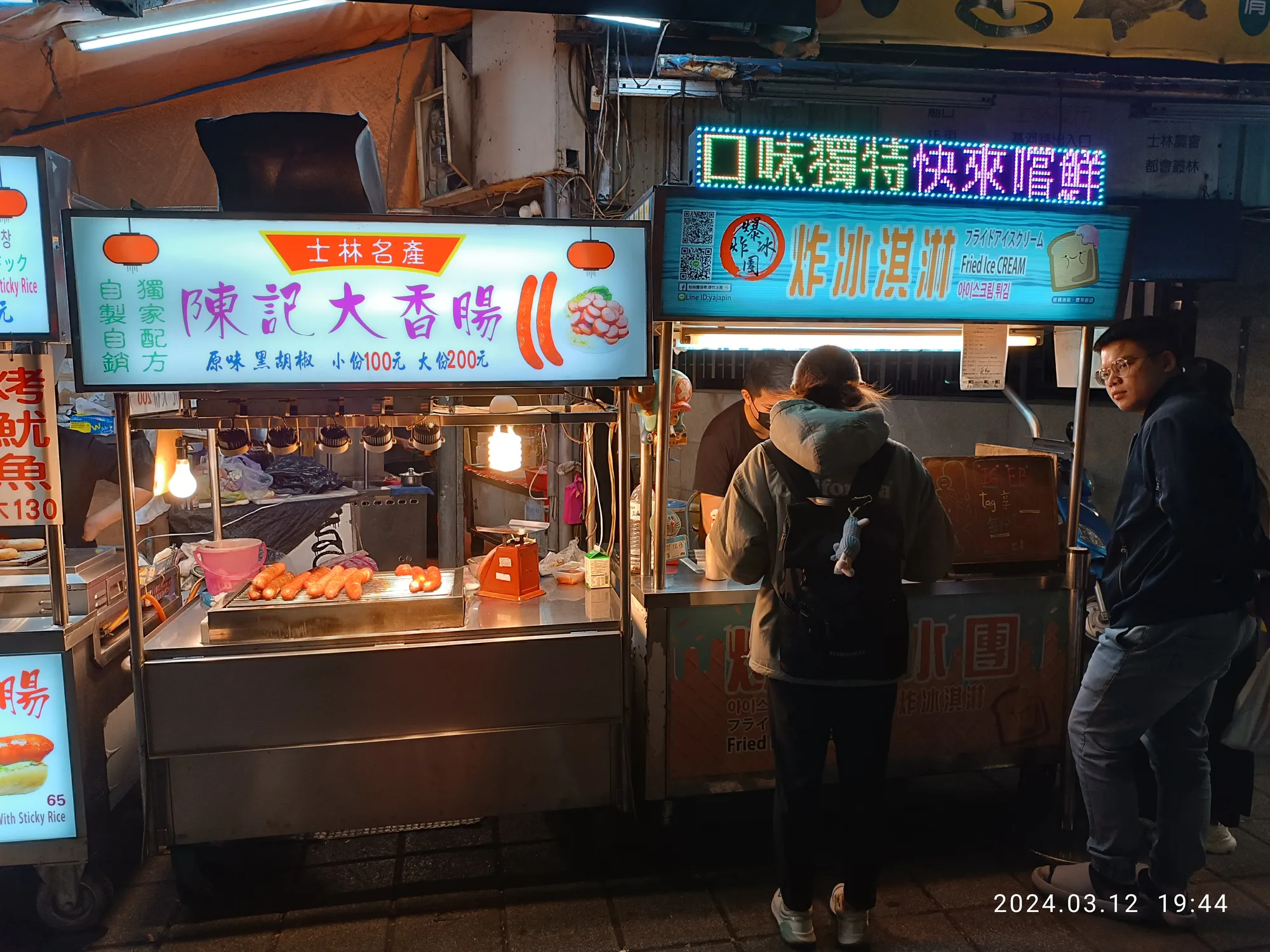
Illuminated food stalls at Shilin Night Market in Taipei at night, with glowing Shilin specialty signs and customers
Photo: Hauskyg YWICAORP · CC0 · Wikimedia Commons

How to fit it in

Use it as a short stop on a city-center loop, ideally on a weekday daytime—tours pause when there’s an auditorium performance on. Entry is free, though some special exhibitions and events are ticketed. Keep the rest of the day nearby so you’re not wasting energy on transfers.

  • 228 Park → Zhongshan Hall → Ximending
  • Zhongshan Hall → café → Taipei Main Station area
  • Free audio guides available—bring an ID to leave as collateral

Photo tips

This area rewards wide angles and slower pacing. If you’re photographing façades, go earlier for softer light and fewer people, and look for the green-tiled exterior and the ornamented window surrounds.

  • Best light: late afternoon or overcast days
  • Look for: the light-green tilework and Spanish-Islamic window detail
  • Group tours: apply at least a week ahead

FAQ 常見問題

Quick answers to common planning questions.

What’s nearby to combine it with?
It sits right by Ximen MRT and the Ximending pedestrian district, with the Red House a couple of minutes away and the North Gate a short walk north — so it slots neatly into a historic-core-meets-neon afternoon and evening.
Is it free to visit?
Yes, general entry is free. Some special exhibitions and events are ticketed.
What are the opening hours?
Roughly 09:30–17:00. It’s best to come on a weekday daytime, since tours pause during auditorium performances.
How do I get there?
Take the MRT to Ximen, served by both the Green and Blue lines, and use Exit 5 (or Exit 4)—the hall is about 200 metres away.
Why is it historically important?
Built between 1932 and 1936 as the Taipei City Public Hall, it was the site of the Japanese surrender ceremony in Taiwan on 25 October 1945 and later hosted presidential inaugurations and dignitaries.
Is there an audio guide?
Yes—free audio guides are available, but you’ll need to leave a personal ID as collateral. Group tours require applying at least a week in advance.

Helpful links 連結

Official pages and references for planning details.

Keep exploring 繼續逛

Hand-picked next reads to make your Taipei plan smoother.

Ximending: youth culture, neon nights, and easy street food

Ximending: youth culture, neon nights, and easy street food

Taipei’s most famous pedestrian shopping area—bright signage, pop culture, and a steady stream of snacks and late-night eats. Compact, walkable, and endlessly photogenic, it’s the city’s easiest ‘Taipei at night’ to dive into on day one.

Read more →
Zhongzheng: monuments, museums, and classic civic Taipei

Zhongzheng: monuments, museums, and classic civic Taipei

A central district for big cultural landmarks and museum-style sightseeing—ideal for your ‘classic Taipei’ day. Home to the CKS Memorial Hall, Liberty Square, and the city’s great national museums, it’s where Taipei tells its public story.

Read more →
Taipei Main Station area: transit hub, city edges, and practical Taipei

Taipei Main Station area: transit hub, city edges, and practical Taipei

Not a ‘romantic’ neighborhood, but incredibly useful: the city’s central transit nerve center, easy day-trip logistics, and a fast way to move between districts. Understanding it makes the rest of your trip run smoother.

Read more →
228 Peace Memorial Park: a calm city-center walk with deep history

228 Peace Memorial Park: a calm city-center walk with deep history

A downtown Taipei park near Taipei Main Station, renamed to commemorate the victims of the 28 February 1947 (228) Incident. It pairs an always-open, leafy walking loop—with the 228 monument and a memorial museum—with the adjacent National Taiwan Museum, making it one of the most accessible places to add reflective depth to a city-center day.

Read more →
The Red House (Ximending): heritage architecture + plaza energy

The Red House (Ximending): heritage architecture + plaza energy

A landmark 1908 red-brick complex at the edge of Ximending—Taiwan’s first government-built public market, now a cultural-creative hub. Its octagonal “Red House Theater” and cruciform building make a quick, photogenic stop before street food and a late-night stroll.

Read more →
Taipei nightlife: bars, late-night eats, and where to go after dark

Taipei nightlife: bars, late-night eats, and where to go after dark

A neighborhood-first nightlife guide: where to spend your evening, how to keep it low-stress, and how to balance bars with Taipei’s best late-night food culture.

Read more →

Ready to plan your next stop? 下一站

Start with a simple loop: one neighborhood stroll, one iconic sight, and one night market. Taipei rewards balance.

Tip: hours, prices, and seasonal schedules can change. When something matters (like a museum ticket or a special exhibition), check the official listing before you go.