Tea culture & bubble tea in Taipei: drink beyond the hype
Taiwan is a tea place first. Learn how to order bubble tea with intention—and where to slow down for real tea in Taipei.
Read more →
A calm day trip for tea lovers: learn context at Pinglin Tea Museum, add one scenic tea-area stop, then return to Taipei for a comfort dinner.
A calm day trip for tea lovers: learn context at Pinglin Tea Museum, add one scenic tea-area stop, then return to Taipei for a comfort dinner.
Updated June 20, 2026
 Quick facts資訊Time neededGetting thereBest time / forGood to knowBest forPaceRule
 Highlights亮點
Tucked in the green hills southeast of Taipei, Pinglin is a quiet tea-growing town that makes one of the most relaxing, low-crowd day trips in the region—especially for anyone who genuinely loves tea. The plan is simple and unhurried: learn the craft at the excellent Pinglin Tea Museum, take a tea break in town, and optionally add one scenic stop, before heading back to Taipei for a comfort dinner. It’s a culture-heavy, slow-travel day with none of the queues that define the headline day trips.
Pinglin is the heart of Taiwan’s Baozhong (Pouchong) oolong country, and the appeal is precisely its calm: rolling tea slopes, a riverside town, and a serious-yet-approachable museum that gives you real context for the tea you’ll drink everywhere else in Taiwan. The structure is forgiving—museum plus one add-on—so you can make it a focused half-day or a fuller, lingering day depending on your mood and the weather.
The one rule that keeps it restful: museum plus one add-on, no more. Pinglin rewards slowness, not stop-collecting. Do the museum properly, sit with a pot of local oolong, perhaps take one short scenic walk, and let the day breathe. For tea lovers and repeat visitors who’ve done Taipei’s icons, it’s a quietly memorable change of pace.
Start with the Pinglin Tea Museum—you’ll enjoy the whole day, and your tea drinking for the rest of the trip, far more once you have context. The museum covers how tea is grown, harvested, and processed, the differences between tea types, and why oolong culture is so central to Taiwan, with exhibits, tea-ware, and often a tasting or guided element (there’s typically a Chinese-language guided tour in the afternoon, and the gardens, trails, and shop are free even where the galleries are ticketed).
Give it a focused visit—an hour or two is plenty to absorb the essentials without museum fatigue—then take a short stroll through the town and a proper sit-down tea break. Sipping a local Baozhong oolong in its home town, after just learning how it’s made, is the quiet highlight of the day. Hours are worth a quick look first: the museum closes the first Monday of each month, and small-town timetables can shift seasonally.
If you want more than the museum, add just one calm stop in the tea area—and keep it unhurried, because the whole point of this day is to feel slow. A scenic tea-area viewpoint or a short walk through the surrounding slopes gives you the rolling-green-hills experience that makes Pinglin special, and a second tea stop (a tea house or a grower’s shop) is perfect for tasting and photos. Riverside spots in town are also a pleasant, low-effort option.
Resist adding more than one. If the weather is poor, skip the add-on entirely—the museum plus a tea break is already a complete, satisfying day. This is a place to linger over a pot of tea rather than tick off sights, and the most memorable moments here usually come from sitting still: watching mist move over the slopes, chatting with a tea seller, or simply enjoying the quiet. Let the day be as slow as it wants to be.
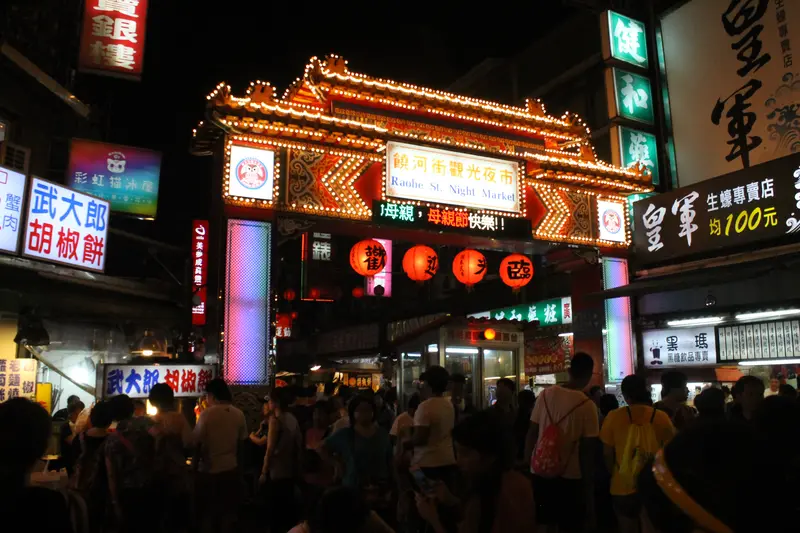
After a calm day in the hills, a Taipei dinner feels especially good. Keep it easy—there’s no need to force a night market if you’re tired and content. The contrast between Pinglin’s quiet tea slopes and a warm city meal is part of the pleasure, and a simple, satisfying dinner is the right way to close a slow day.
Plan your return around the buses, which are infrequent in a small mountain town, so note the schedule and leave buffer rather than risking a long wait. Back in the city, choose whatever comfort food appeals—a bowl of beef noodles, dumplings, or a relaxed neighborhood meal near where you’re staying. The day’s gentle, tea-soaked mood is best carried right through to a low-key evening.
Pinglin is reached most simply by bus from MRT Xindian: Bus 923 (the express service) or Bus G12 head into the hills toward Pinglin, taking roughly an hour through scenic mountain country. By car, it’s via Freeway No. 5 and Provincial Highway No. 9, with free parking in town. There’s no rail link, so the bus (or driving) is the way in—and the bus is easy, inexpensive, and covered by your EasyCard.
The key practicality is frequency: as a small town, Pinglin’s buses don’t run as often as the MRT, so current timetables are worth a glance first, and note your return departures so you’re not stranded for an hour. Build buffer into the day rather than planning tight connections—this is a slow trip by nature, and the relaxed pace extends to not rushing for a bus. With a glance at the schedule, the logistics are genuinely simple.
A little tea knowledge makes Pinglin sing. Taiwan is famous for oolong—a partially oxidized tea that sits between green and black—and the country produces a remarkable range, from light, floral high-mountain oolongs to roastier, more robust styles. Pinglin specializes in Baozhong (Wenshan Pouchong), one of the lightest, most fragrant oolongs, prized for its delicate floral aroma. Tasting it in its home region, after the museum explains how it’s grown and processed, is a genuinely different experience from drinking it elsewhere.
The traditional way to enjoy it is gongfu-style: small pot, many short steepings, each revealing a slightly different character. Don’t rush it—the ritual of repeated infusions is the point, and tea sellers are usually happy to guide curious visitors. If you want to take some home, tea is an excellent, lightweight, packable souvenir; buy from the museum shop or a local grower, and ask about the type and roast so you can recreate the experience later. Understanding even a little of this turns a tea stop into a highlight.
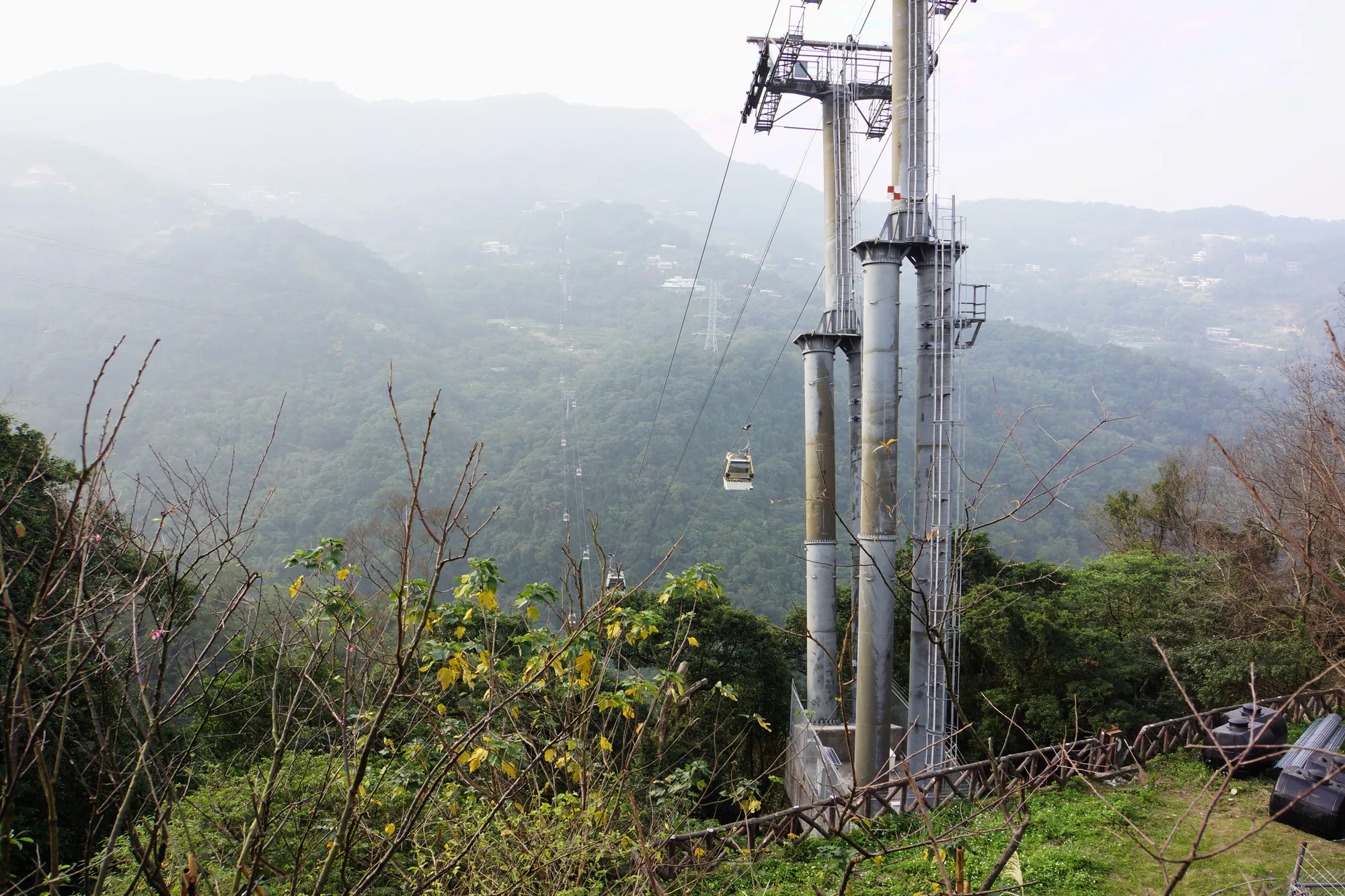
Tea country is beautiful year-round, but spring and autumn are the loveliest—mild temperatures, clear-ish skies, and the freshest harvests. The hills are green and lush in the warmer months and can be misty and atmospheric in cooler or wetter weather, which suits a tea day just fine: there’s something fitting about sipping oolong while cloud drifts over the slopes. Because the day can be museum-and-tea-house focused, it holds up well even when the weather isn’t ideal.
On a clear day, prioritize a scenic walk or viewpoint to enjoy the tea slopes; on a wet day, keep it museum-first and lean into indoor tea tasting. Aim for an early-ish start so you’re not rushing the infrequent buses, and remember the museum’s first-Monday closure. Whatever the season, the day’s slow pace is the constant—Pinglin is about lingering, not racing, so let the weather shape the details while the relaxed mood stays the same.
This day is made for tea lovers, slow travelers, and repeat visitors who’ve done Taipei’s icons and want a quiet, culture-rich change of pace. It’s ideal for anyone curious about how Taiwan’s celebrated oolong is grown and made, for couples wanting a peaceful outing, and as a low-crowd alternative to the busy headline day trips. Its museum-and-tea-house core also makes it a reasonable rainy-day option.
It’s less ideal for travelers who want big-name sights, lots of activity, or a packed schedule—Pinglin is deliberately mellow and small, and the appeal is precisely its quiet. It also requires a tolerance for infrequent buses and a willingness to slow down. If you’re indifferent to tea, this probably isn’t your day; pair your interest with the destination. With kids, keep the museum visit short and lean on the gardens, riverside, and a relaxed snack break.
Pinglin slots beautifully into a tea-focused Taipei itinerary. If tea is a thread running through your trip, pair this day trip with a Maokong tea-hills afternoon (the gondola, ridge-top tea houses, and views) and a slow Dadaocheng morning browsing Dihua Street’s historic tea merchants. Together they give you the full arc of Taiwanese tea: the growing region (Pinglin), the urban tea trade and shops (Dadaocheng), and the scenic tea-house experience (Maokong)—each a different facet of the same culture.
You don’t need to do all three in one day; spread them across a longer trip so each stays unhurried. Add a tea or specialty-coffee crawl in the city as connective tissue, and you have a deeply satisfying, slow-travel theme that goes well beyond the usual sights. For repeat visitors especially, organizing a few days around tea is a rewarding way to see a quieter, more local side of the region—and Pinglin, as the actual growing country, is the natural centerpiece of that story.
Quick answers to common planning questions.
Official pages and references for planning details.
Hand-picked next reads to make your Taipei plan smoother.
Taiwan is a tea place first. Learn how to order bubble tea with intention—and where to slow down for real tea in Taipei.
Read more →Taipei is an ideal base for easy day trips—choose between old towns, coastlines, hikes, hot springs, and lantern villages with minimal planning friction.
Read more →
Taipei is a year-round city—this guide helps you choose dates based on weather, crowds, and the kind of trip you want (food, hiking, culture, or shopping).
Read more →
A dedicated tea museum in the mountain town of Pinglin, New Taipei — open since 1997 — with exhibitions on tea history and culture plus free gardens, trails, and pavilions. A calm, affordable day trip for travelers who want to understand Taiwan tea beyond bubble tea.
Read more →
A slower five-day itinerary built around neighborhoods and pacing: more cafés, fewer transfers, and enough buffer to actually enjoy what you discover.
Read more →A four-day plan designed for balance: classic Taipei, old-street texture, one nature reset, and one flexible day trip outside the city.
Read more →Start with a simple loop: one neighborhood stroll, one iconic sight, and one night market. Taipei rewards balance.
Tip: hours, prices, and seasonal schedules can change. When something matters (like a museum ticket or a special exhibition), check the official listing before you go.