1 day in Taipei: classics + a night-market finish
A high-impact day plan that balances iconic sights with neighborhood texture—designed to feel full but not frantic.
Read more →
A four-day plan designed for balance: classic Taipei, old-street texture, one nature reset, and one flexible day trip outside the city.
A four-day plan designed for balance: classic Taipei, old-street texture, one nature reset, and one flexible day trip outside the city.
Updated June 20, 2026
 Quick facts資訊Time neededGetting thereBest time / forGood to knowBest forPaceTip
 Highlights亮點
Four days is the point where a Taipei trip can breathe: enough time for the icons, real cultural texture, a proper nature reset, and one day trip outside the city—without any single day feeling crammed. This plan is built around variety and recovery: a high-energy classic loop, a slow heritage day, a restorative nature day, and a flexible day trip for contrast. Each day has a distinct character, which is what keeps a four-day trip feeling rich rather than repetitive.
The sequencing matters. Day 1 orients and excites you with the icons; Day 2 slows down into old Taipei’s temples and tea streets; Day 3 deliberately eases off with a tea-hills or hot-springs reset (your feet will need it by now); and Day 4 ventures out for a scenery-and-old-street day trip. Keeping Day 3 light is the single most important pacing choice—it’s the recovery that makes the day trip enjoyable instead of a slog on tired legs.
Because the first three days are MRT-based and the day trip is a single, focused outing, logistics stay simple. The plan also flexes easily: swap the nature reset for a bigger Yangmingshan day if you love the outdoors, or trade the day trip for a fourth city day if the weather turns. The structure is a guide, not a cage.
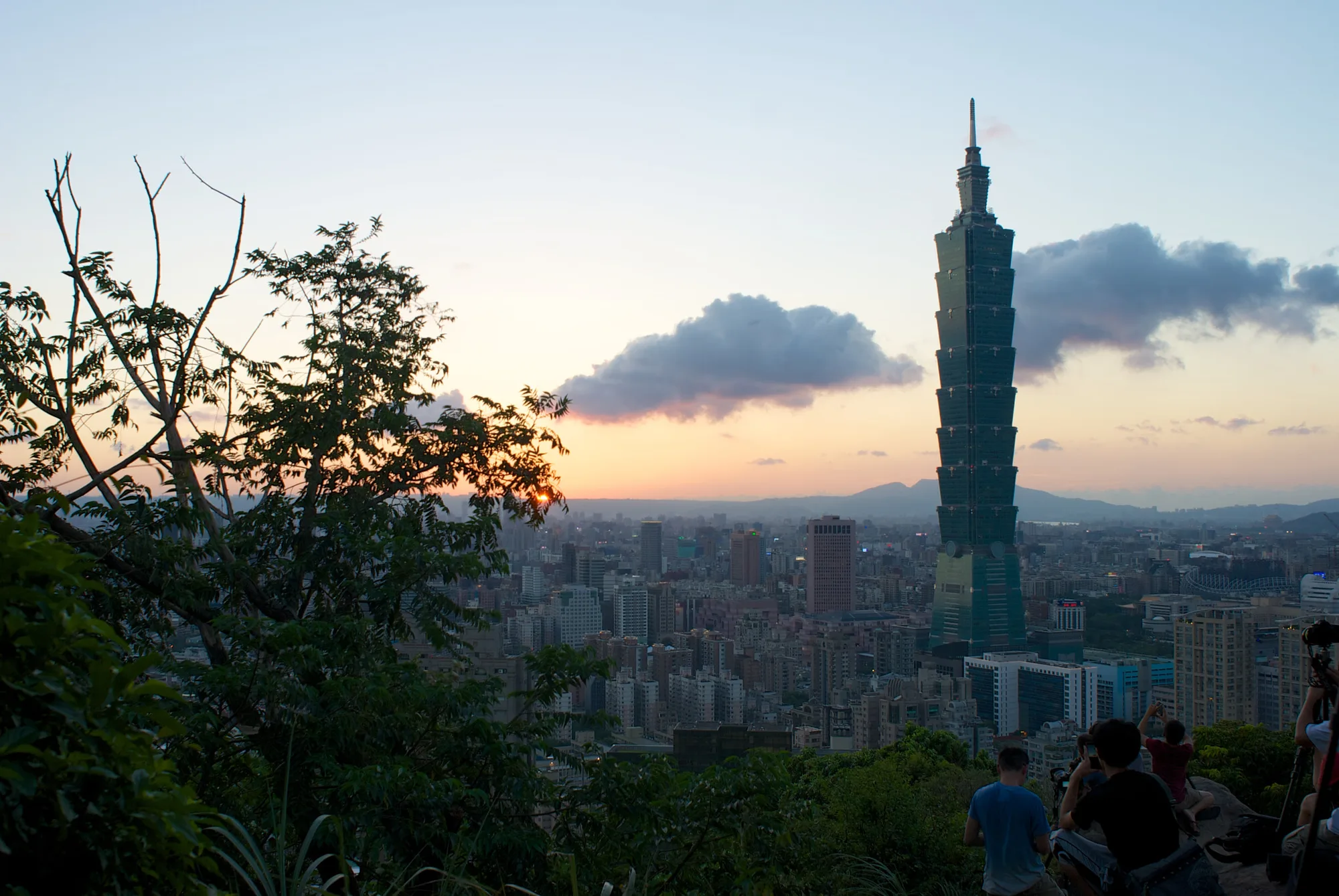
Use the one-day classics plan to get oriented and excited: a civic landmark to orient yourself, an older district for texture, an optional skyline moment, and a night market to end on energy. This is the day that turns ‘I’ve arrived’ into ‘I’m here’—the icons in efficient sequence, with built-in choices so you can dial the intensity up or down depending on jet lag.
Keep it to two main district clusters (city-center landmarks plus old Taipei) so transfers stay minimal, and time the night market for the evening when your sightseeing is done. If you arrive jet-lagged, trim the hike and keep the day city-centered—there’s no need to push, since you have three more days. The goal of Day 1 is momentum, not exhaustion.
Spend Day 2 in old Taipei: temples, heritage lanes, and Dadaocheng tea browsing, all at a slow, observational pace. Start at Longshan Temple in Wanhua while it’s calm, add a short heritage-block stroll, then cross to Dihua Street for an afternoon of tea, old storefronts, and edible souvenirs. After the icon-heavy first day, this gentler, more textured day is a welcome change of register.
Finish with your choice of mood: a calm dinner in Zhongshan, or the neon contrast of Ximending if you want more energy. This day pairs naturally with a food focus, since both heritage districts are full of snacks, tea, and treats. Keep the walking gentle and let yourself linger—depth, not coverage, is the point.
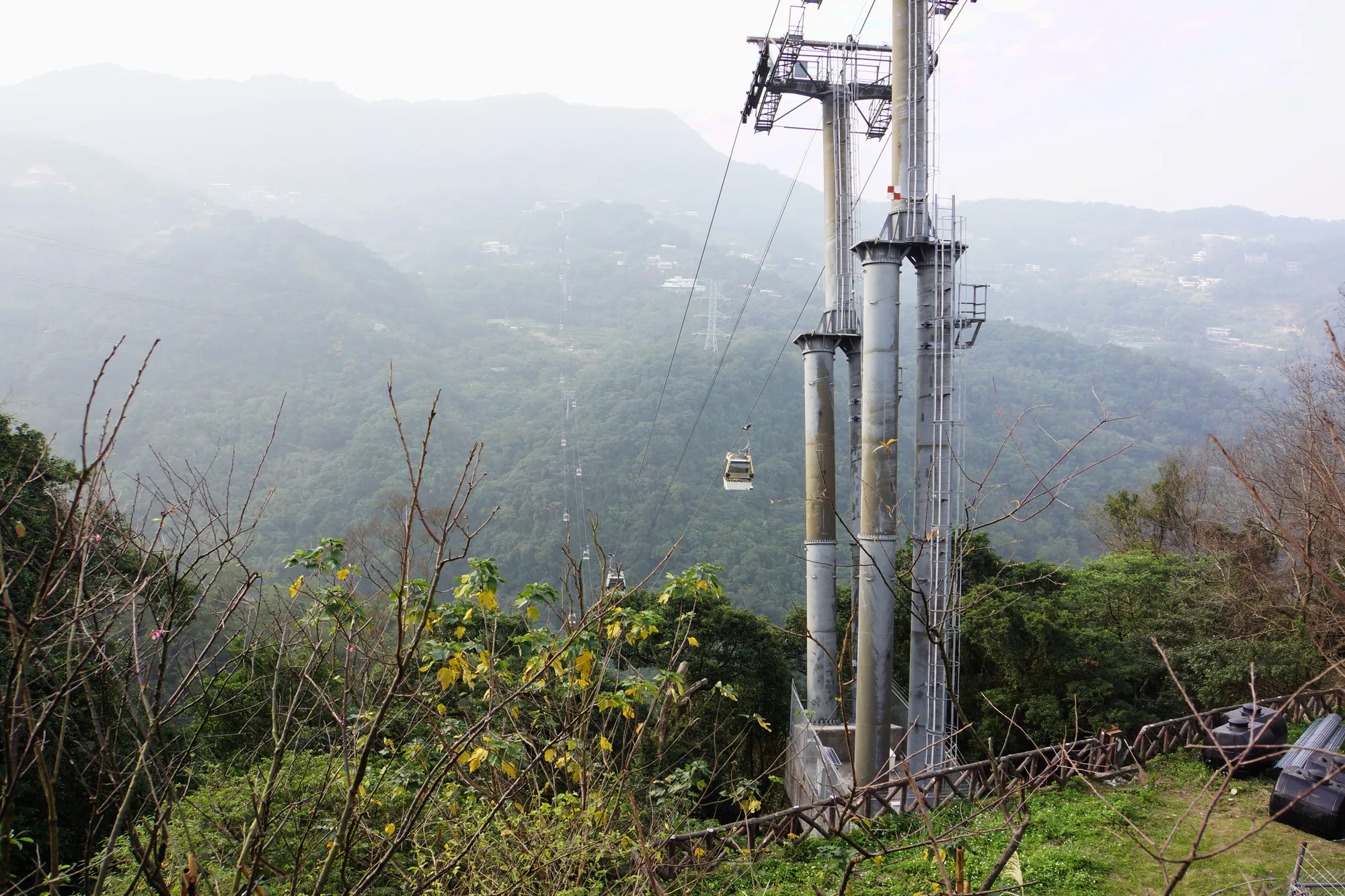
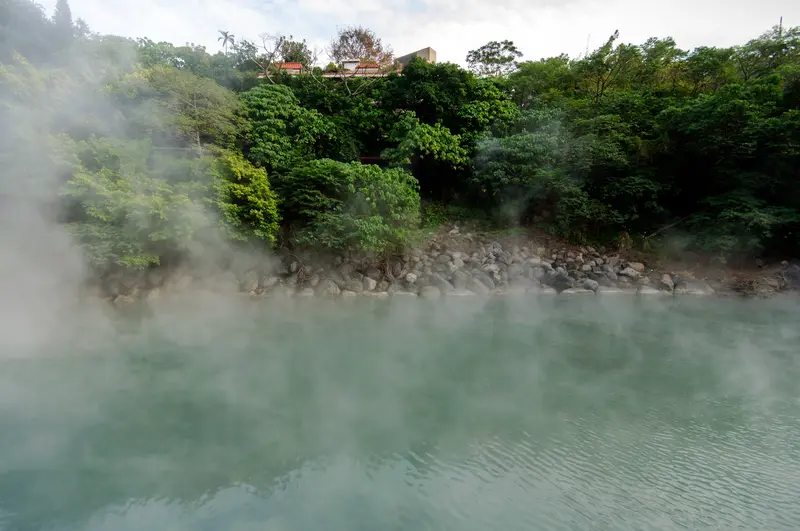
Day 3 is the deliberate easing-off. Choose tea hills (the Maokong Gondola up to ridge-top tea houses) for views and cooler air on a clear day, or hot springs (Beitou) for comfort and rainy-day-proof relaxation. Either is a restorative half-to-full day that gives your legs a break before the day trip. If you’re an outdoors lover and the weather is good, you can instead make Yangmingshan National Park your main outing—volcanic landscapes, fumaroles, and seasonal flowers reached by bus from the city.
Whichever you pick, resist over-scheduling this day. Its job is recovery and a change of air, not another packed itinerary. A morning reset plus a relaxed afternoon and an easy dinner is exactly right. Current hours for the gondola (closed Mondays, weather-dependent) or bathhouses are worth a quick look first, and have a backup if conditions turn.
Cap the trip with one day trip outside the city for contrast. Keep it focused—one nature stop plus one atmospheric old street is the formula that keeps a day trip spacious instead of a transit marathon. Popular pairings include a coastal landscape (Yehliu’s rock formations or the north coast) with an old street like Jiufen, or a waterfall-and-rail-line day on the Pingxi branch. Tamsui makes a gentler, MRT-only ‘day trip’ if you’d rather not deal with regional trains.
Day trips reward an early start: leave before peak crowds, check train or bus timing the night before, and build in buffer for platform waits and queues. Then return to Taipei for a cozy, easy dinner—after a day out, there’s no need to force a second big plan. The contrast between the hills or coast and the city is exactly what makes the day, and the trip, feel complete.
The three city days run entirely on the MRT and buses with an EasyCard, so transit is effortless: Red and Blue lines for Day 1’s icons, Blue and Orange/Green for Day 2’s heritage districts, and the Red line (plus the Brown line for Maokong or the Xinbeitou branch for Beitou) for Day 3’s reset. Most moves are a single line or one transfer.
Day 4 is the only day with real intercity logistics. Depending on your destination, you’ll use TRA trains (often via Ruifang for Jiufen and the Pingxi line), buses, or the MRT (for Tamsui). The same EasyCard works on trains and buses, but for longer or busier routes, buying tickets or a day pass at a major station reduces hassle. Check timetables in advance—regional train and bus frequency, not distance, is what shapes a day trip.
Four days gives you room to dodge bad weather. If rain hits, front-load the indoor-friendly days: do the heritage day (temples, arcaded streets, tea houses) and make Beitou your nature reset, saving clear days for the skyline, Maokong views, or a coastal day trip. A museum day (the National Palace Museum) is an easy wet-weather insert if you want to swap out an outdoor plan entirely.
In summer heat, shift outdoor stops to the cooler morning and retreat indoors midday across all four days. Do temples and old streets early, take long air-conditioned lunches or tea breaks during peak heat, and save night markets and the skyline for after dark. For the day trip, an early start beats the heat and the crowds; coastal and hill destinations are also breezier and cooler than the city basin.
This plan suits first-timers who want genuine depth, long-weekend travelers, and anyone who likes variety with built-in recovery. The mix of icons, culture, nature, and a day trip gives a true cross-section of the region, and the deliberate pacing keeps it comfortable across a range of ages and fitness levels. Couples and friends traveling together do especially well with it, since each day offers a different kind of shared experience.
It’s less ideal for travelers who want to go deep on a single theme (a pure food trip, a hardcore hiking trip) or who’d rather not leave the city at all—in which case, swap the day trip for a fourth city day built around a museum, a neighborhood, or a creative-park-and-shopping day. With kids, soften the heritage day, favor Maokong over a long soak, and choose a gentler day trip like Tamsui.
Pick one base and stay put—changing hotels mid-trip costs you half a day. Zhongshan is the most balanced choice: central, well-connected on the Red and Green lines, and full of cafés and dinner spots for the calmer evenings this plan builds in. Xinyi suits travelers who prioritize modern Taipei, while staying near Taipei Main Station puts you on every line and closest to the Day 4 day-trip departures, which can be a real convenience for an early start.
Spread your eating so no day is a food marathon. Day 1 peaks at a night market, so keep that lunch light; Day 2’s heritage districts are perfect for tea and snacks plus a relaxed dinner; Day 3’s reset pairs with a tea-house break and an easy meal; and Day 4 ends with a simple comfort dinner back in the city. Aim for one ‘bucket-list’ food experience early (a soup-dumpling meal or a focused market crawl) rather than trying to do everything every night. Bubble tea, tofu pudding, and pineapple cakes slot in as snacks and souvenirs without needing their own time block.
Short a day? Drop the nature reset and fold a quick Maokong or Beitou half-day into another afternoon, keeping icons, heritage, and the day trip—the three most distinct experiences. Even tighter, a three-day version is simply Days 1, 2, and 4 (icons, heritage, day trip), with the reset trimmed to a relaxed final evening. The plan compresses gracefully because each day is self-contained.
Got a fifth day? The best additions are either a second, different day trip (pair a coastal day with a separate rail-line or hot-springs town) or a deliberately slow city day—a neighborhood you haven’t seen, a museum, or a creative-park-and-shopping day. Resist the urge to simply cram more sights into the existing four days; extra time is best spent widening variety or slowing the pace, not intensifying it.
Quick answers to common planning questions.
Official pages and references for planning details.
Hand-picked next reads to make your Taipei plan smoother.
A high-impact day plan that balances iconic sights with neighborhood texture—designed to feel full but not frantic.
Read more →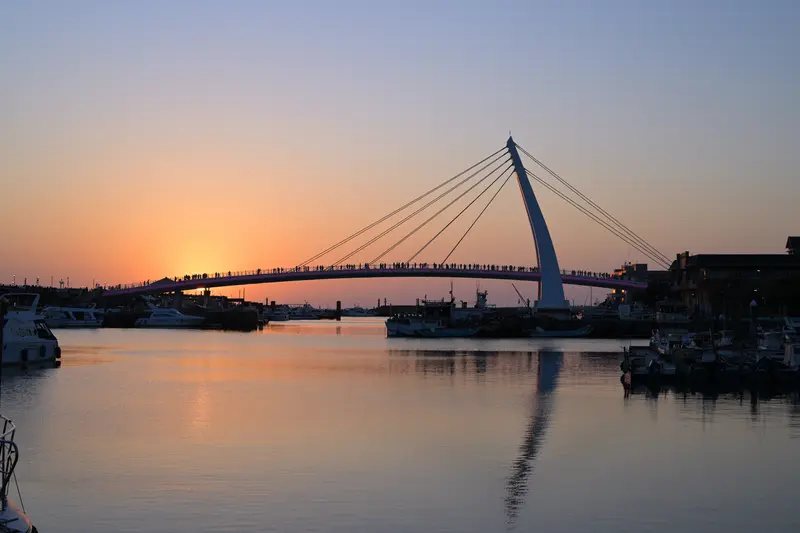
A culture day that feels textured, not heavy: temples and heritage lanes in the morning, tea and old-street browsing in the afternoon, then a gentle dinner.
Read more →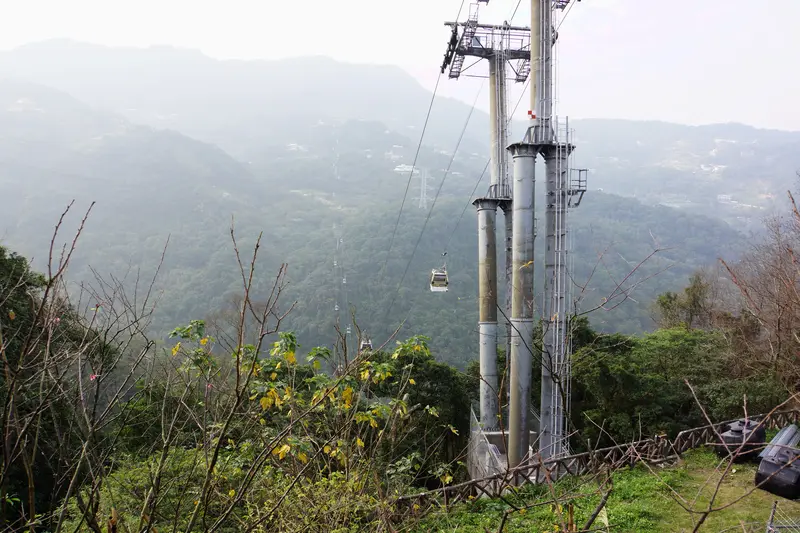
A nature-focused day that still feels very ‘Taipei’: a viewpoint hike, tea hills via gondola, and a soak in Beitou if you want the full reset arc.
Read more →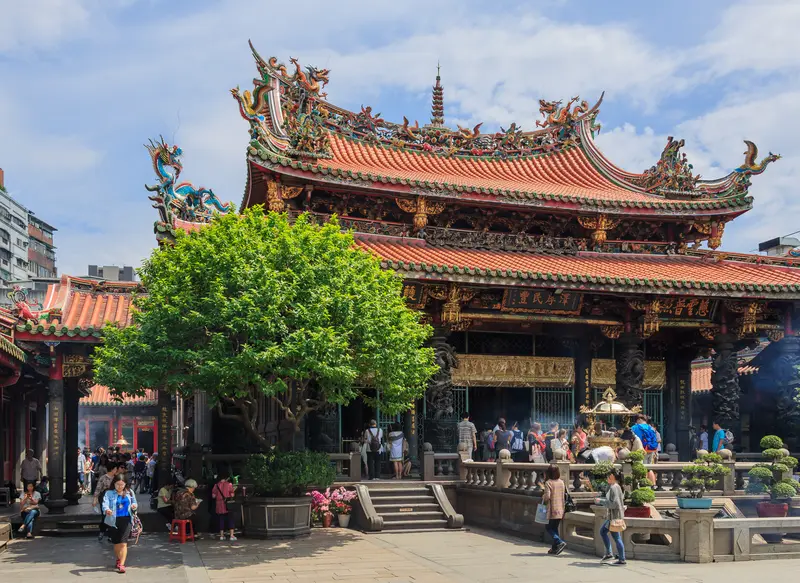
A calm north-Taipei day plan with minimal transfers: one museum, one garden walk, one landmark photo stop, and an easy night-market or Zhongshan-dinner finish.
Read more →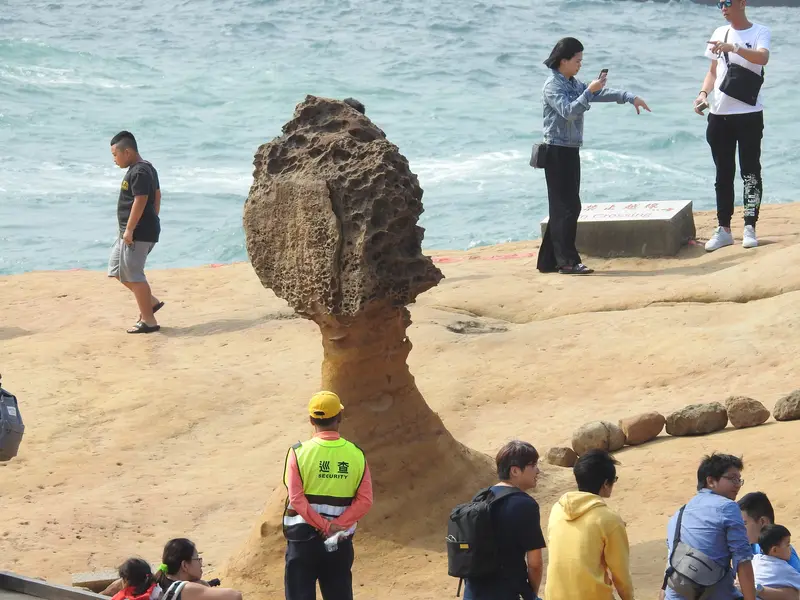
A flexible day-trip template that lets you choose one major landscape (coast or waterfall) and one atmospheric old-street stop—without turning the day into a rushed checklist.
Read more →A high-payoff day trip that balances scenery with food: do one coastal anchor in the afternoon, then finish with Keelung’s famous night market in the evening.
Read more →Start with a simple loop: one neighborhood stroll, one iconic sight, and one night market. Taipei rewards balance.
Tip: hours, prices, and seasonal schedules can change. When something matters (like a museum ticket or a special exhibition), check the official listing before you go.