A self-guided Taipei temple day: culture without awkwardness
A respectful, beginner-friendly temple day plan: how to move, what to notice, and how to pair temples with food streets and cafés for a complete Taipei day.
Read more →
A culture day that feels textured, not heavy: temples and heritage lanes in the morning, tea and old-street browsing in the afternoon, then a gentle dinner.
A culture day that feels textured, not heavy: temples and heritage lanes in the morning, tea and old-street browsing in the afternoon, then a gentle dinner.
Updated June 20, 2026
 Quick facts資訊Time neededGetting thereBest time / forGood to knowBest forPaceTip
 Highlights亮點
This is a slow-travel day built around old Taipei’s two great heritage districts—Wanhua in the morning, Dadaocheng in the afternoon—with tea breaks holding it together. It’s the antidote to a landmark-checklist day: instead of racing between icons, you move at a strolling pace, looking closely at temple carvings, century-old storefronts, and the everyday rhythms of the city’s oldest neighborhoods. The point isn’t to ‘complete’ anything; it’s to absorb atmosphere.
The shape is simple and gentle. Begin at Longshan Temple while it’s calm and the morning light is good, add a short heritage-lane stroll for street texture, then shift across to Dihua Street for an afternoon of tea, browsing, and edible souvenirs. End with your choice of calm (a Zhongshan dinner) or contrast (the neon of Ximending). Because everything is close and MRT-linked, transit is minimal and the day stays unhurried.
This plan is a great alternative to a museum-heavy day—you get real cultural depth without sitting indoors for hours, and the walking is gentle and flat. It also doubles as a rainy-day option, since temples, covered arcades, and tea houses keep you mostly under cover. Bring a curious eye and a slow watch.
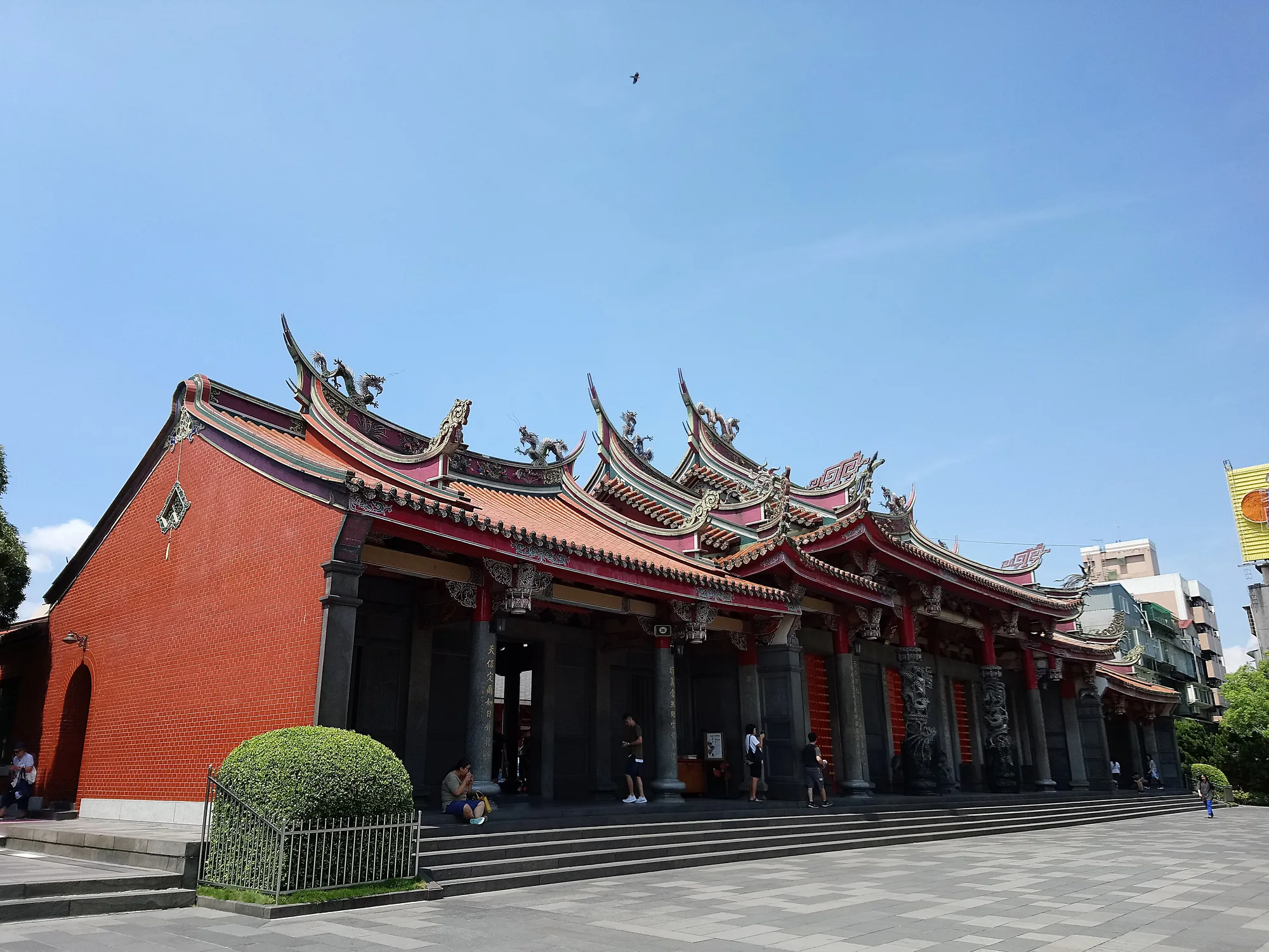
Start with Longshan Temple and give it real time. Founded in the 18th century, it’s one of Taipei’s most important and atmospheric temples—a dense, ornate complex thick with incense, chanting, and worshippers making offerings. Go early, when it’s calmest, and simply look: the dragon-carved pillars, the layered roofs, the rituals at each altar. It’s an active place of worship, so dress modestly, keep your voice down, and photograph respectfully without blocking anyone.
From the temple, walk a short heritage block—the Bopiliao Historical Block is a beautifully preserved Qing-era street with mixed Fujianese, Japanese, and Western architecture and a small heritage education center (opening days are easy to confirm). It’s an easy, photogenic stroll that adds historical texture. If you’re hungry, Wanhua has classic local snacks nearby; keep it light, since the afternoon brings tea and treats. This whole morning sits around Longshan Temple station on the Blue line.
Move north to Dadaocheng and walk Dihua Street, Taipei’s oldest commercial street, lined with handsome Qing-era and Japanese-Baroque facades. Historically the heart of the tea, herb, and fabric trades, it’s now a wonderful slow-browse: tea merchants, dried-goods shops, herb stores, design boutiques, and the bustling Yongle fabric market. This is the perfect heritage-day afternoon—gentle, sensory, and full of small discoveries.
Do one proper sit-down tea stop. Taiwan’s tea culture is a highlight in itself, and a pot of oolong with a small sweet is the ideal mid-afternoon reset amid the old storefronts. Pick up an edible souvenir or two—pineapple cakes, nougat, dried fruit—which double as a tasty nibble now and a packable gift later. If you have the inclination, the small but fascinating Xiahai City God Temple on Dihua Street is famous for its Yue Lao (matchmaker) shrine and is worth a quick, respectful look.

Finish the day with a deliberate mood. For calm, head to Zhongshan—central, stylish, and full of relaxed dinner spots, cafés, and dessert options a short walk apart, ideal after a slow cultural day. For contrast, Ximending delivers the opposite energy: a pedestrianized neon district packed with street food, shops, and people-watching that makes a fun, lively counterpoint to the morning’s quiet temples.
This is a culture day, so there’s no need to force a late night unless you want one. A good dinner and a sweet finish is a perfectly complete ending. If you do want more, Ximending is an easy stroll, and the historic Red House theater there is a nice architectural bookend to a heritage-themed day.
Transit on this day is mercifully light. The morning lives entirely around Longshan Temple station on the Blue line, where the temple, the Bopiliao block, and Wanhua’s snack streets are all within a short walk. To reach Dadaocheng, you can take the MRT a few stops (toward Beimen on the Green line, then a short walk, or to Daqiaotou on the Orange line) or simply enjoy a gentle stroll—the districts aren’t far apart.
For the evening, Ximending is adjacent to the heritage districts and easily walkable or one quick MRT stop away, while Zhongshan is a short ride on the Red or Green lines. Keep an EasyCard topped up for the few hops, and remember the MRT’s no-eating-or-drinking rule inside the paid zone. Because the whole day is geographically tight, you’ll spend most of it on foot, which is exactly the right way to experience these neighborhoods.
Taipei’s temples are living places of worship, not museums, and a little awareness makes your visit both more respectful and more rewarding. Dress modestly (covered shoulders and knees are a safe default), keep your voice low, and move calmly. Don’t point your feet at altars, don’t touch ritual objects, and never block or photograph worshippers mid-prayer up close. If you want to participate, watching quietly first and following local cues is the courteous way to learn.
Photography is generally welcome in courtyards and of architecture, but be discreet around people and altars, and switch off your flash. The best photos—and the best experience—come early in the morning, when the light is soft, the incense haze catches it beautifully, and there’s space to compose without crowds. A respectful, unhurried visit is what turns a temple stop from a quick photo into a genuine highlight of the day.
This is one of the more weather-resilient culture days. In rain, the temples themselves offer plenty of covered space, Dihua Street has arcaded shopfronts and indoor tea houses, and Ximending’s pedestrian zone has covered stretches—so you can do most of the day under cover with short dashes between stops. Just bring a compact umbrella and grippy shoes for slick tile.
In summer heat, follow the temple-and-tea rhythm to your advantage: see Longshan Temple and the heritage lanes in the cooler morning, then retreat into air-conditioned tea houses and shops during the hottest afternoon hours. A long sit-down tea stop is both a cultural highlight and a smart heat shelter. Carry water, and save any outdoor evening stroll (Ximending) for after sunset when the streets cool and the neon comes alive.
This day suits culture travelers, photographers, and anyone who prefers a slow, observational pace over a packed itinerary. It’s ideal for visitors who want to understand old Taipei—its temples, trades, and street life—without spending hours in a museum, and it pairs beautifully with a food focus since both heritage districts are full of snacks, tea, and edible souvenirs. The gentle, flat walking makes it comfortable across ages.
It’s less ideal for travelers chasing modern Taipei (skylines, malls, nightlife) or anyone who wants a fast-moving, see-it-all day—this plan is deliberately unhurried. If you have only limited interest in temples, do just Longshan Temple and weight the day toward Dihua Street browsing and tea. With kids, keep temple time short, lean on the snacks and the fabric-market bustle, and consider ending in lively Ximending.
If temples are the whole reason you’re here, Taipei rewards you well beyond Longshan. In Wanhua, the Qingshan Temple and the lively Qingshui Zushi tradition add more of the same old-Bangka atmosphere within a short walk. Across the river-trade district, the small Xiahai City God Temple on Dihua Street is famous for matchmaking and packs an astonishing number of deities into a tiny space. For a different register, Xingtian Temple (dedicated to Guan Gong) is calm, modern, and known for its free blessing ritual, while Baoan Temple and the Confucius Temple in the Yuanshan/Dalongdong area are architectural gems—Baoan even holds a UNESCO heritage award.
You don’t need to do all of these in one day—that would turn a slow heritage day into a temple marathon. Instead, pick one or two that intrigue you and fold them in: a Wanhua temple in the morning, or the Yuanshan temples as a separate half-day if you have extra time. The goal is depth and atmosphere, not a comprehensive temple checklist. Opening hours and any festival dates are worth confirming on official pages, since temple events can change crowds and access.
Both districts make eating easy and atmospheric. Wanhua, around Longshan Temple, is old-Taipei snack territory—classic local stalls and the nearby Huaxi Street covered market for traditional bites if you’re curious (it’s historic, the original tourist-designated night market). Keep the morning eating light, though; a snack or two is plenty before the afternoon’s tea and treats.
Dadaocheng is where the food-and-heritage overlap shines. Beyond the tea houses, Dihua Street and the surrounding lanes are full of dried-goods specialties, traditional sweets, and edible souvenirs, and the Dadaocheng Wharf nearby hosts a container-market food scene by the river in the warmer months (hours are worth a peek). For dinner, drift toward Zhongshan for relaxed sit-down options or Ximending for high-energy street food. As always on a culture day, graze in small portions so you can taste widely without filling up.
Quick answers to common planning questions.
Official pages and references for planning details.
Hand-picked next reads to make your Taipei plan smoother.
A respectful, beginner-friendly temple day plan: how to move, what to notice, and how to pair temples with food streets and cafés for a complete Taipei day.
Read more →
Taiwan is a tea place first. Learn how to order bubble tea with intention—and where to slow down for real tea in Taipei.
Read more →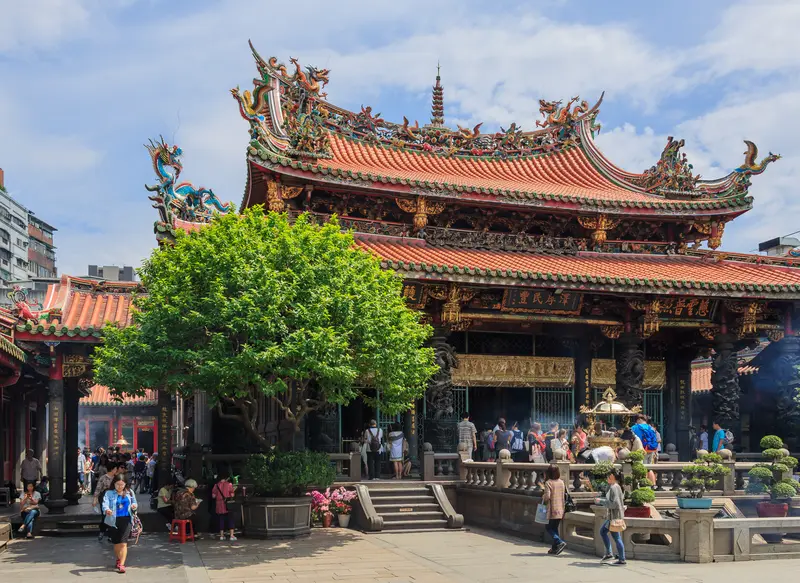
Founded in 1738 in Taipei’s oldest neighborhood, Longshan Temple is a working Buddhist-and-Taoist shrine wrapped in ornate Taiwanese craftsmanship—and the perfect gateway into the old streets of Wanhua.
Read more →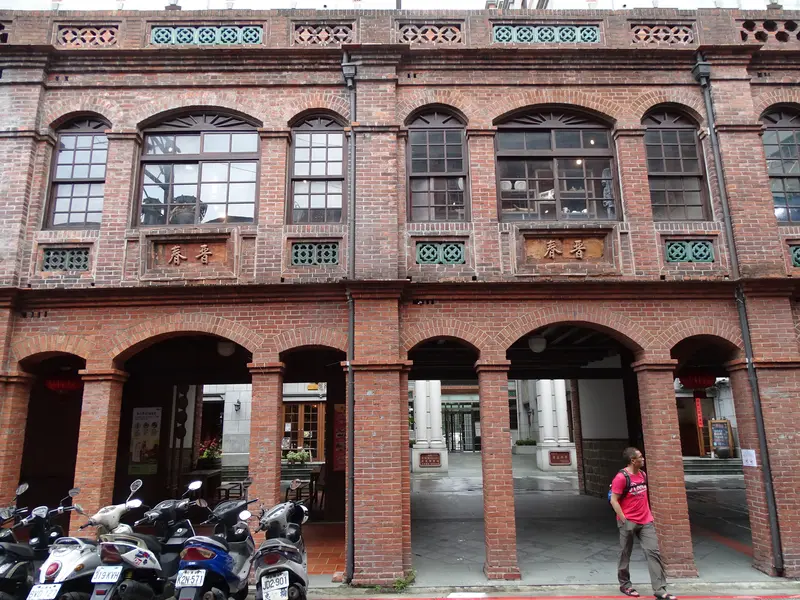
A preserved Qing-era commercial street beside Longshan Temple, with red-brick arcades layering Fujianese, Qing, Japanese-colonial and Western styles. A photogenic, free heritage stop—best paired with the temple and slow Wanhua wandering.
Read more →Taipei’s oldest street, with shops dating back to around 1851—a fragrant warren of tea, herbal medicine, fabric, and dried goods set among Qing-dynasty shophouses and colonial Baroque facades.
Read more →
Taipei’s oldest district: temple atmosphere, heritage blocks, and everyday street scenes—best explored slowly with snacks and short walks. Anchored by Longshan Temple, it’s where the city’s lived-in history is most palpable.
Read more →Start with a simple loop: one neighborhood stroll, one iconic sight, and one night market. Taipei rewards balance.
Tip: hours, prices, and seasonal schedules can change. When something matters (like a museum ticket or a special exhibition), check the official listing before you go.