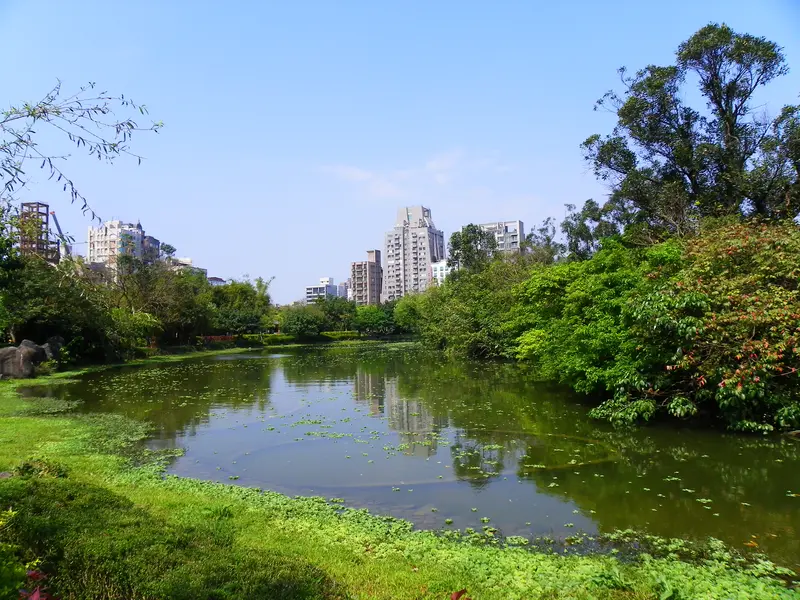
Parks & gardens in Taipei: how to add calm without losing momentum
A practical guide to Taipei’s best parks, gardens, and ‘breathing space’ stops—plus pairing ideas so green time actually improves your itinerary.
Read more →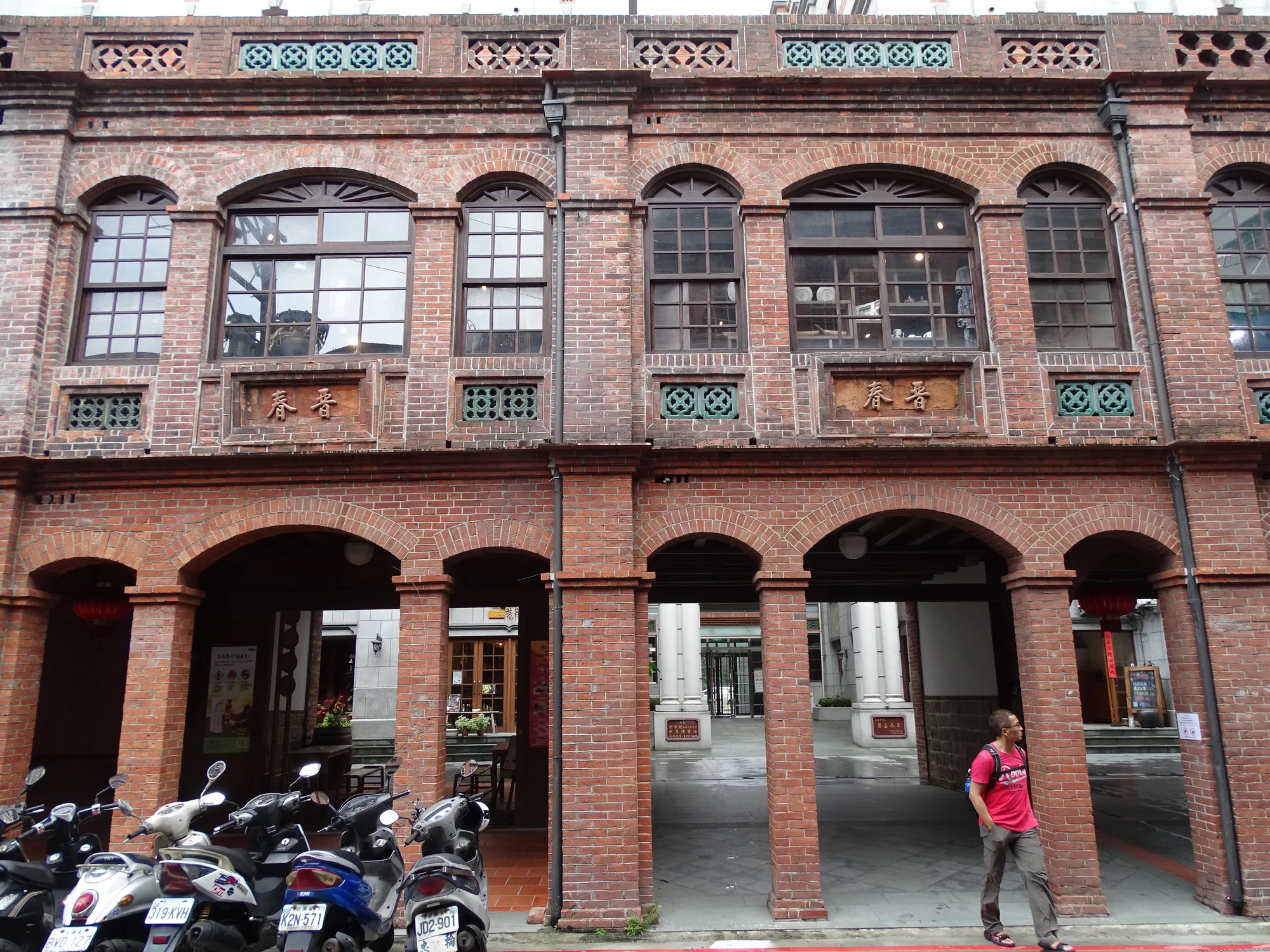
A calm north-Taipei day plan with minimal transfers: one museum, one garden walk, one landmark photo stop, and an easy night-market or Zhongshan-dinner finish.
A calm north-Taipei day plan with minimal transfers: one museum, one garden walk, one landmark photo stop, and an easy night-market or Zhongshan-dinner finish.
Updated June 20, 2026
 Quick facts資訊Time neededGetting thereBest time / forGood to knowBest forPaceRule
 Highlights亮點
Shilin and Yuanshan sit close together at the north end of the Red line, which makes this one of the lowest-stress culture days in the city: one major museum, one garden walk, one landmark photo stop, and an easy food finish, all with minimal transfers. Geographic tightness is the whole point—instead of crisscrossing Taipei, you move short distances between stops and spend your energy enjoying them rather than commuting.
The day is also unusually weather-flexible. The National Palace Museum and the indoor options give you cool, dry refuge in summer heat or rain, while the gardens and Expo Park offer green breathing room when the weather is kind. That combination of big culture plus calm green time makes it a great fit for families, slower travelers, and anyone planning around a hot or wet forecast.
The structure follows a gentle arc: a focused museum morning while your attention is fresh, a garden buffer to reset, a quick landmark photo moment, and a relaxed food finish. Keeping one main anchor (the museum) and treating everything else as light, nearby texture is what keeps the day comfortable rather than crammed.
Start with the National Palace Museum in Shilin, one of the world’s great collections of Chinese art and artifacts—jades, bronzes, ceramics, calligraphy, and painting spanning millennia. The goal isn’t to see everything (you can’t, and trying leads to museum fatigue); it’s to pick two or three themes or galleries that genuinely interest you, look properly, and leave while you’re still curious. A focused two-hour visit beats an exhausted four-hour slog.
Note the logistics: the museum is uphill from Shilin station, so plan a short city bus or taxi for the last stretch in both directions, and aim for a weekday morning to dodge the heaviest tour-group crowds. Current hours, any timed-entry rules, and special-exhibition tickets are worth a glance on the official site first. If you’re traveling with someone less keen on classical art, the nearby Shung Ye Museum of Formosan Aborigines offers a smaller, focused alternative.
After a museum, your brain and feet want green space, and Shilin obliges. The Shilin Official Residence—the former home of Chiang Kai-shek and Soong Mei-ling—has lovely gardens (a rose garden, landscaped grounds, and a chapel) that are free to wander; the mansion itself is ticketed and closed Mondays. Alternatively, the Shuangxi Park & Chinese Garden offers a quieter, classical-Chinese mood with pavilions, a nine-turn bridge, and water features—a perfect, calm buffer.
This garden interlude is the secret to a comfortable culture day: it turns what could be a heavy, indoor-all-day plan into something balanced and restful. Families can swap or add the Taipei Astronomical Museum or the nearby science center for a hands-on, rainy-day-friendly option. Keep the pace slow here—sitting on a bench for ten minutes is part of the plan, not a waste of it.
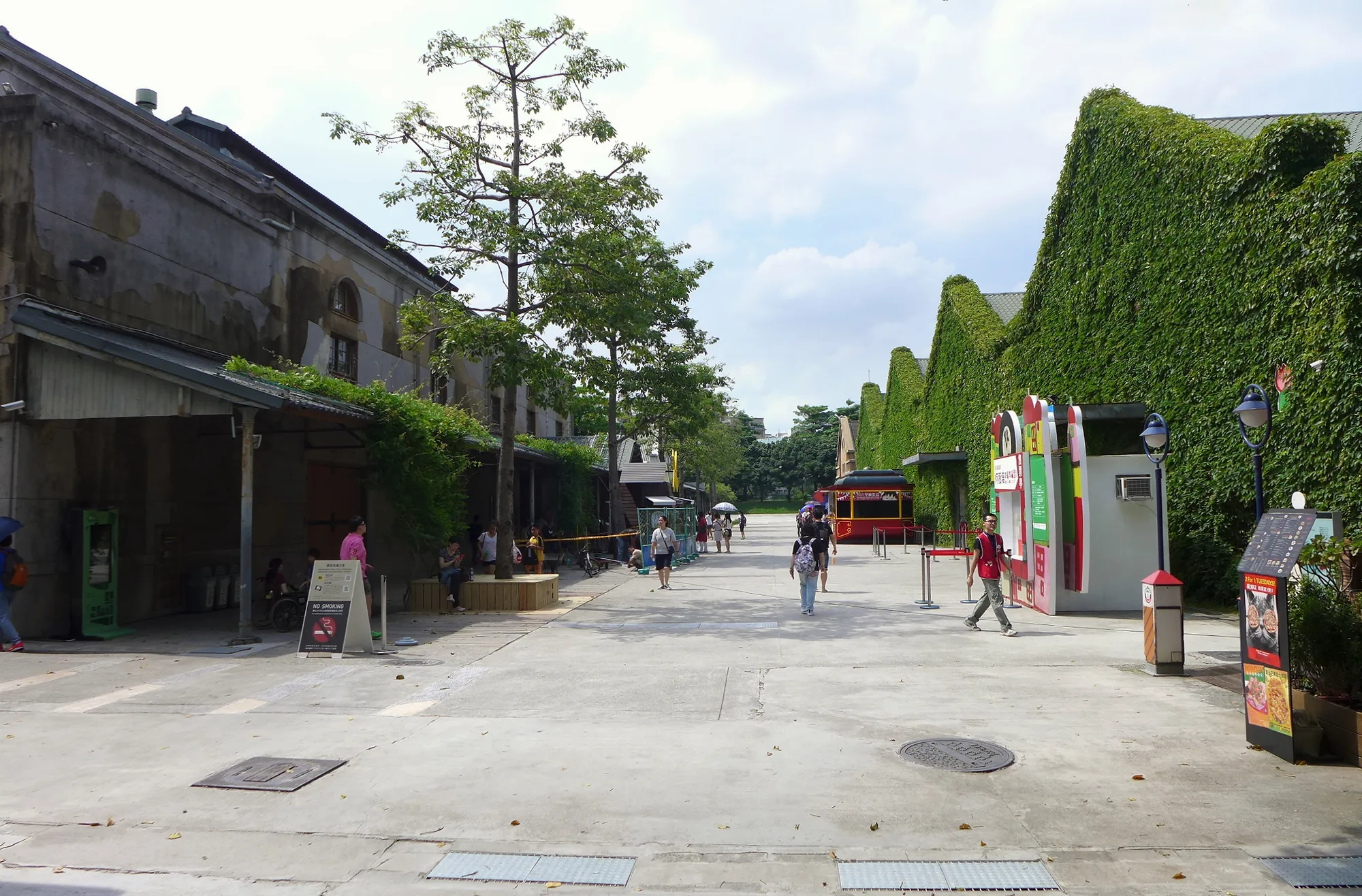
Shift to the Yuanshan area for one classic landmark moment and a wide-path reset. The Grand Hotel—a vast, imperial-palace-style building on a hillside, one of Taipei’s most recognizable structures—makes a dramatic architecture photo stop (a free shuttle runs up from near Yuanshan station, as it sits uphill). Keep it short and photogenic; you’re here for the look and the views, not a long visit.
Just below, the Taipei Expo Park offers wide, easy walking paths, a rose garden, and breathing space, with the MAJI Square food-and-market area and the Taipei Fine Arts Museum nearby if you want to extend. This stretch is a gentle, photogenic wind-down between the day’s culture and its food finish—low effort, high reward, and easy on tired legs.
End with a simple, satisfying food plan. For classic Taipei energy and variety, the Shilin Night Market—one of the city’s largest and most famous—is right there in the neighborhood; arrive on the earlier side and graze in small portions across its many stalls. For a calmer finish, head a few stops south to Zhongshan for a relaxed sit-down dinner and dessert in a stylish, café-rich district.
Either choice rounds the day off well. If you’ve had a full, culture-heavy day, the calm Zhongshan dinner can feel like the better reward; if you want one more hit of lively street energy, Shilin delivers. Keep it easy—after a museum, gardens, and a landmark stop, there’s no need to force a big late-night plan.
This day is built for minimal transit. The museum, the residence gardens, and the Shilin Night Market all cluster around Shilin station on the Red line (with a short bus or taxi up to the museum). The Grand Hotel and Taipei Expo Park sit around the adjacent Yuanshan station, a single stop away. So apart from the uphill hops to the museum and the Grand Hotel, you’re making very short moves all day.
Keep an EasyCard topped up for the MRT and the local buses (the museum and Grand Hotel shuttles), and remember the no-eating-or-drinking rule in the paid MRT zone. Because everything is so close, you’ll spend more of the day walking gentle distances and enjoying stops than waiting on platforms—exactly what makes this a low-stress culture day.
This is a strong plan for bad or extreme weather. In rain, weight the day toward the indoor National Palace Museum (easily a half-day on its own), add an indoor option like the Astronomical Museum or science center, and finish with a covered night-market visit or a Zhongshan dinner. Trim the open-air garden and Grand Hotel stops or save them for a clear spell.
In summer heat, the same indoor-heavy core keeps you cool through the worst hours: do the museum during peak heat, take the gardens in the cooler late afternoon, and leave the night market for after dark. The gardens’ shade and the museum’s air-conditioning make this one of the more comfortable hot-weather culture days in Taipei. Carry water and pace yourself.
This day suits culture lovers, families, and slower travelers who want depth without a high-transfer, high-energy itinerary. The mix of a world-class museum, calm gardens, an iconic landmark, and an easy food finish gives genuine substance at a gentle pace, and the geographic tightness makes it especially good for hot or rainy days and for anyone who tires of long commutes between sights.
It’s less ideal for travelers chasing modern Taipei (skylines, nightlife, shopping) or those who want a fast, wide-ranging day across many districts—this plan stays put in the north. If classical art doesn’t appeal, swap the National Palace Museum for the smaller Shung Ye Museum or the Astronomical/science museums and weight the day toward gardens and the landmark. With kids, keep museum time short and interactive and lean on the gardens and hands-on options.
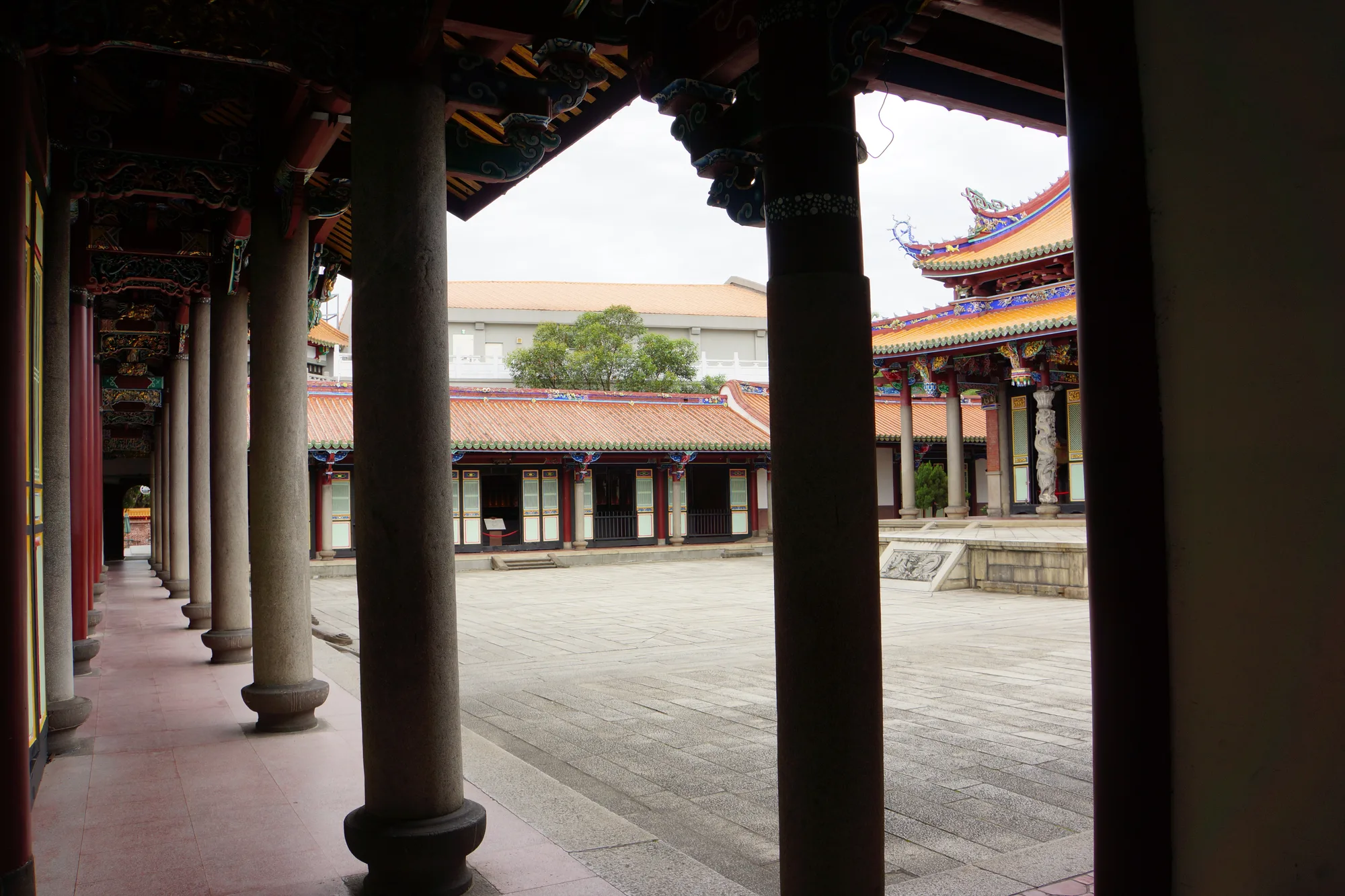
The Shilin–Yuanshan corridor is rich enough to extend in several directions. Near the Grand Hotel and Expo Park, the Taipei Fine Arts Museum offers modern and contemporary Taiwanese art, and the small Taipei Story House—an English-Tudor villa built by a tea merchant—is a quick, photogenic stop. Just across, the Dalongdong area is home to two of the city’s most beautiful temples, the Baoan Temple (a UNESCO heritage-award winner) and the Confucius Temple, for a heritage layer if you want it.
In Shilin itself, families can add the National Taiwan Science Education Center or the Taipei Children’s Amusement Park for hands-on, kid-focused time, while culture-minded travelers might pair the National Palace Museum with the nearby Shung Ye Museum of Formosan Aborigines. The trick is not to add all of these—pick at most one extra so the day keeps its calm, low-transfer character. Depth in a few stops beats a rushed survey of many.
Eating is easy on this route. The museum has on-site cafés and a restaurant if you want a convenient lunch without leaving the anchor, and the Expo Park area includes MAJI Square, a covered market with a range of food stalls and sit-down options—handy for a relaxed mid-afternoon bite between the gardens and the landmark. Keep daytime eating light so you have appetite for the evening.
The big food moment is the finish. The Shilin Night Market is famous for classics like oversized fried chicken cutlets, pan-fried buns, oyster omelets, and sweet treats—graze in small portions across several stalls rather than committing to one giant plate, and arrive early to beat the crush. If you opt for the calmer Zhongshan finish instead, you’ll find an excellent spread of sit-down restaurants and dessert spots a short walk from the station. Carry water through the day, especially in summer.
Quick answers to common planning questions.
Official pages and references for planning details.
Hand-picked next reads to make your Taipei plan smoother.
A practical guide to Taipei’s best parks, gardens, and ‘breathing space’ stops—plus pairing ideas so green time actually improves your itinerary.
Read more →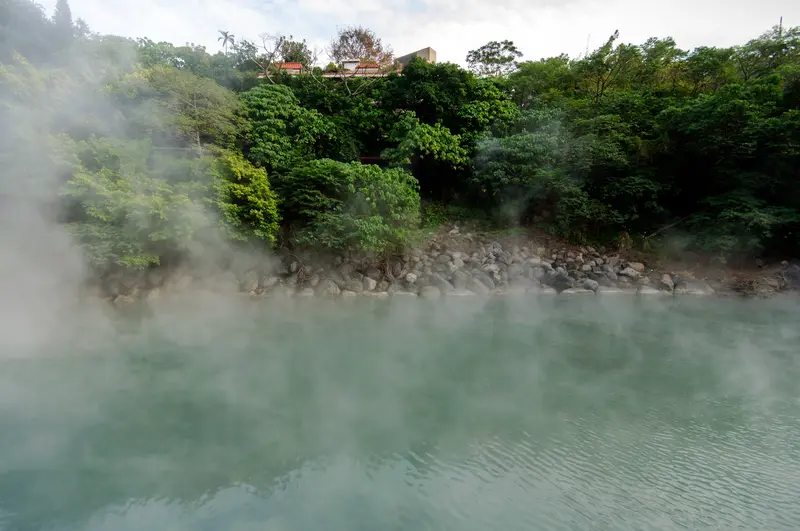
Choose a Taipei base that matches your trip: modern skyline, leafy cafés, late-night street culture, hot springs, or design-forward city living.
Read more →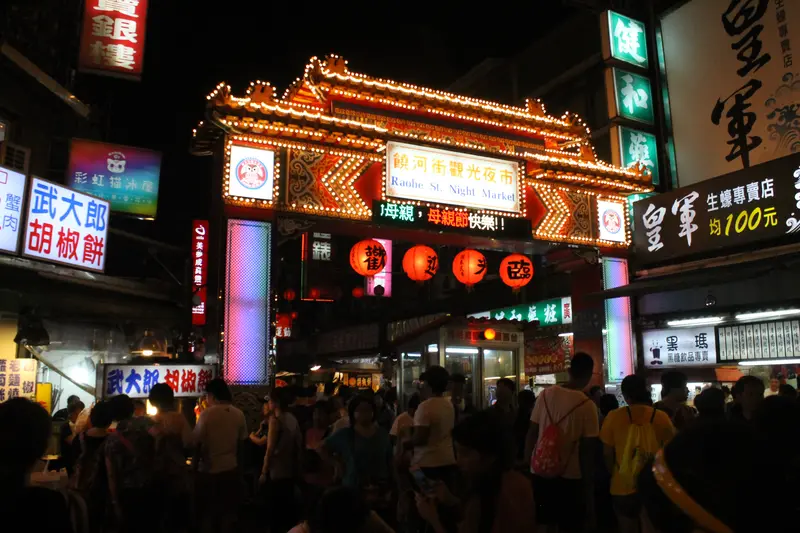
A first-timer-friendly overview of Taipei’s neighborhoods, iconic sights, food culture, and how to get around—plus a simple plan you can actually follow.
Read more →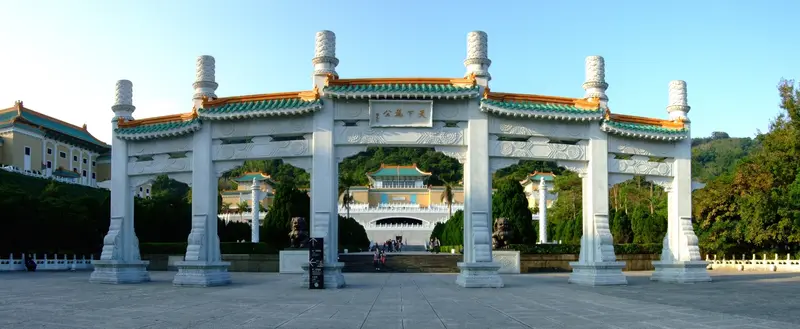
One of Taipei’s top cultural stops—known for an extraordinary collection of Chinese imperial art and artifacts. Best visited with a focused plan.
Read more →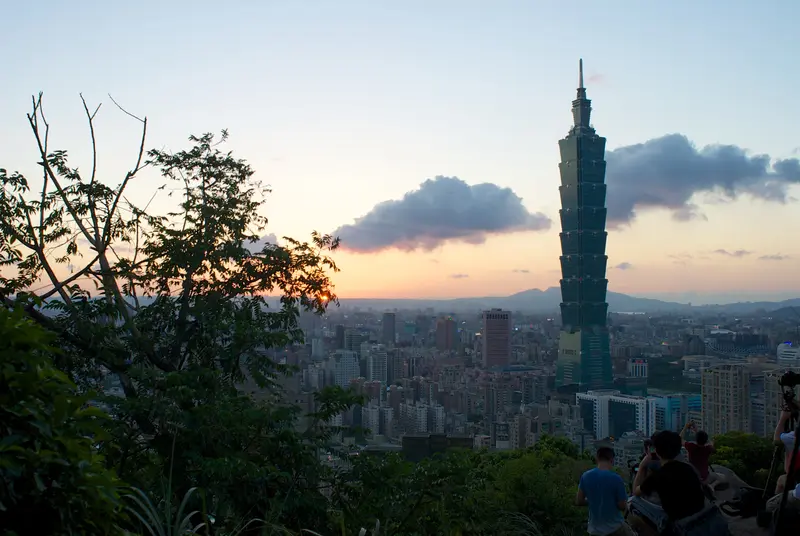
The former home of Chiang Kai-shek and Soong Mei-ling, set in landscaped grounds that blend Chinese and Western horticulture—rose gardens, plum blossoms, a chapel, and a two-story Western-style mansion. The free gardens make a calm Shilin stroll; the NT$100 mansion interior reveals the private side of Taiwan’s mid-century history.
Read more →A peaceful, southern-Chinese-style garden in Shilin, built in 1974 across about two hectares where the Wai and Nei Shuangxi streams meet. Pavilions, arch bridges, a nine-turn bridge and ponds make it ideal when you want a calm hour of slow walking, greenery, and ‘Taipei without noise.’
Read more →Start with a simple loop: one neighborhood stroll, one iconic sight, and one night market. Taipei rewards balance.
Tip: hours, prices, and seasonal schedules can change. When something matters (like a museum ticket or a special exhibition), check the official listing before you go.