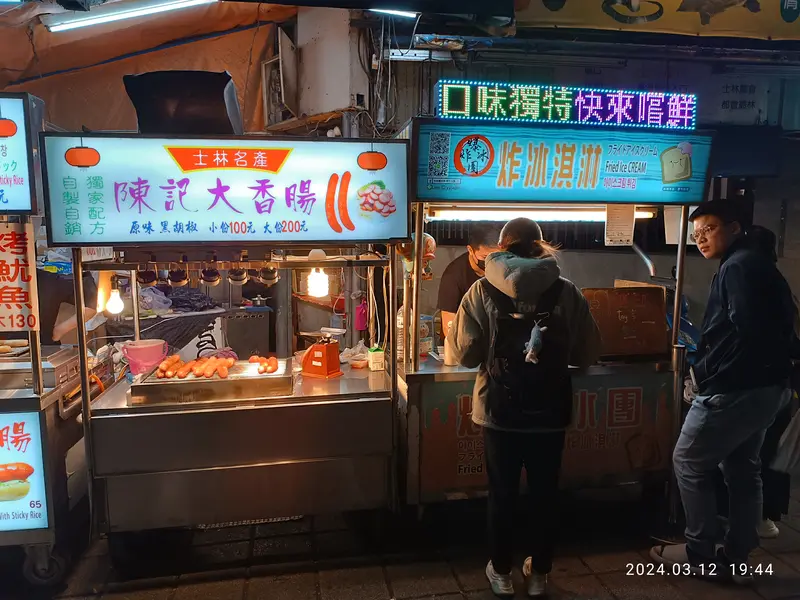
Rainy day Taipei: museums, markets, tea, and cozy food
A rainy day in Taipei can be perfect—here’s how to plan a full, satisfying day without getting soaked or stuck in transit.
Read more →
A more modern, less touristy side of Taipei with big indoor spaces and easier breathing room—useful for rainy days, transit convenience, and lower-key evenings. It’s a practical eastern hub anchored by a major exhibition center and transport interchange.
A more modern, less touristy side of Taipei with big indoor spaces and easier breathing room—useful for rainy days, transit convenience, and lower-key evenings. It’s a practical eastern hub anchored by a major exhibition center and transport interchange.
Updated June 20, 2026
 Map
MapVisualize where this fits in your day (and plan nearby pairings).
A few good pairings within easy reach of this spot.
 Quick facts資訊Time neededGetting thereBest time / forGood to knowVibeBest forPlanning tip
 Highlights亮點
Not every Taipei day needs to be iconic. Nangang is a practical district on the city’s eastern edge: modern infrastructure, big indoor spaces, malls, and a calmer evening vibe than the tourist cores. It’s anchored by a large exhibition center and a major transport interchange where the MRT meets the conventional railway and the high-speed rail.
If you like avoiding crowds, it can be a smart, low-friction base—especially for business travelers or anyone who wants quiet nights and quick connections. It’s also useful when you want a genuine rest day: light walking, indoor browsing, and a simple dinner. There’s no pressure to perform sightseeing here, which is precisely the point on a trip that already has plenty of it.
Nangang station is the eastern terminus of the Blue (Bannan) line and an interchange with the Taiwan Railways network and the high-speed rail (HSR), which makes it a powerful jumping-off point for trips south to Taichung, Tainan, or Kaohsiung. From Taipei Main Station it’s a straight ride east on the Blue line.
Within the area, big indoor complexes and malls connect to the station, so much of your movement can stay sheltered. It’s designed around transit and convenience rather than strolling, so plan around the stations and indoor spaces.
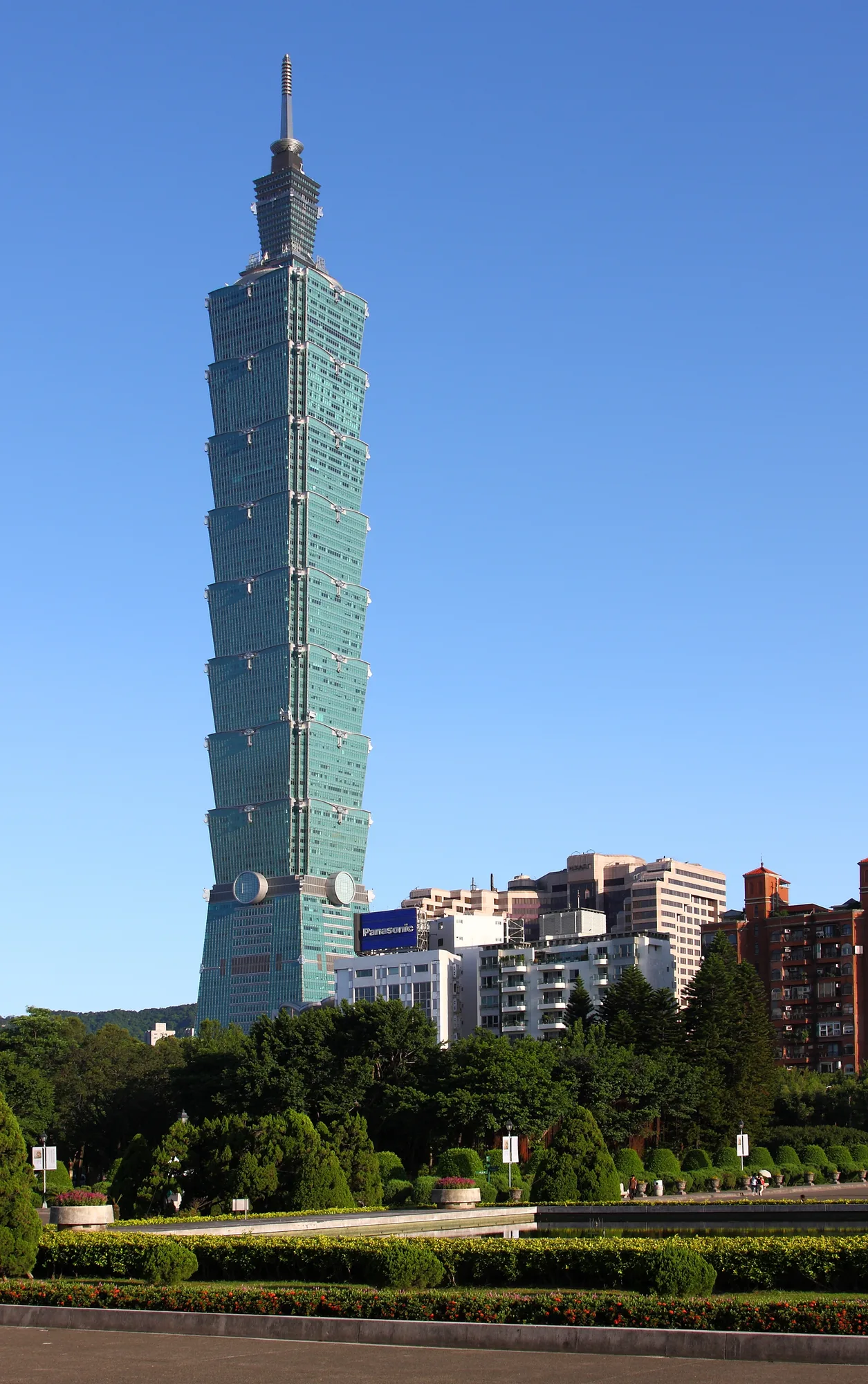
Treat Nangang as a stabilizer rather than a sightseeing destination. The main draws are practical: large malls and indoor shopping, the exhibition center if an event is on, and easy access to the rest of the city and to intercity rail. Just to the west, the Songshan Cultural & Creative Park and Raohe Night Market are an easy hop for an evening out.
If the weather is heavy rain, Nangang makes ‘indoors Taipei’ feel easy: browse, eat, catch a film, and stay dry. Do your big sightseeing elsewhere, then return here to decompress.
Dining in Nangang centers on mall restaurant floors, department-store food halls, and casual chains—reliable and comfortable, if not a street-food adventure. It’s a good place for an easy, no-fuss dinner.
For a livelier food scene, ride a few stops toward Songshan or Xinyi for night markets and a broader range of restaurants. For any specific venue you’re targeting, its hours are worth a quick look.
Nangang earns its keep on the logistics page of your itinerary rather than the highlights page. If your trip leans heavily on day trips—south by high-speed rail, or out to the east coast—being able to roll out of bed and onto a train without crossing the city first is a real, daily time saver. Business travelers and conference-goers find the same convenience, since the exhibition center and hotels sit right on top of the transport interchange.
It also suits a particular kind of traveler: someone who has already ticked off the marquee sights, or who simply prefers quiet evenings to neon and crowds. You trade the buzz of a central base for breathing room, predictable indoor comfort, and connections that make the rest of the trip frictionless. Treat it as a stabilizer—sightsee in the lively districts by day, then come back here to decompress and prepare for an early start. For longer trips, that calm can be a genuine asset: after a few intense days of markets and crowds, a quiet eastern base helps the whole itinerary feel more sustainable rather than exhausting.

Nangang is genuinely useful on rainy days, when its indoor spaces shine, and whenever you need quick HSR or intercity connections. As a base, it’s pleasant any time of year precisely because it’s low-key.
There’s no single ‘best season’ to sightsee here, since the area is about convenience rather than scenery. Use it to make the rest of your trip run smoothly, and lean on its sheltered malls and station complex when the weather is against you.
Nangang suits business travelers, anyone catching the high-speed rail, repeat visitors who’ve already seen the headline sights, and travelers who value quiet nights and easy logistics over being in the thick of things.
It pairs well with Songshan and Xinyi to the west for daytime sightseeing and night markets, and with Neihu to the north for parks and viewpoints. Sightsee elsewhere, sleep and connect here.
Quick answers to common planning questions.
Hand-picked next reads to make your Taipei plan smoother.
A rainy day in Taipei can be perfect—here’s how to plan a full, satisfying day without getting soaked or stuck in transit.
Read more →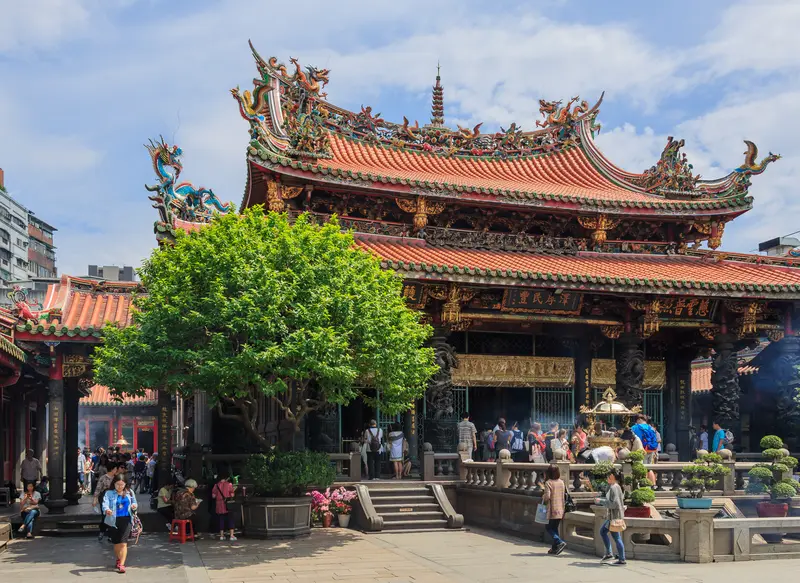
A rainy-day itinerary that stays cozy and productive: creative park exhibitions, tea breaks, a comfort-food mission, and an optional hot-spring finish.
Read more →
Taipei is one of Asia’s easiest cities to navigate. Here’s how to combine MRT + walking (and when buses or taxis actually help).
Read more →A planning-first guide to accessible Taipei: choosing the right base, minimizing transfers, and building days with rest, elevators, and comfort as the default.
Read more →Start with a simple loop: one neighborhood stroll, one iconic sight, and one night market. Taipei rewards balance.
Tip: hours, prices, and seasonal schedules can change. When something matters (like a museum ticket or a special exhibition), check the official listing before you go.