Accessibility in Taipei: practical planning for smoother days
A planning-first guide to accessible Taipei: choosing the right base, minimizing transfers, and building days with rest, elevators, and comfort as the default.
Read more →
Small preparation prevents big annoyance: what to carry for humid days, how to handle common travel discomforts, and what to do if you need a pharmacy or clinic while in Taipei.
Small preparation prevents big annoyance: what to carry for humid days, how to handle common travel discomforts, and what to do if you need a pharmacy or clinic while in Taipei.
Updated June 20, 2026
 Quick facts資訊Best time / forGood to knowBest forMost common issueTip
 Highlights亮點
In Taipei, most travel ‘health issues’ come from simple overload: humidity, long walks, and not enough breaks. The fix is planning: clusters, cafés, water, and one rest-focused half day if you’re here longer.
Treat pacing as a health tool. Your trip will feel better.
Keep it minimal but useful.
Pharmacies are common and can help with everyday travel needs: basic cold relief, stomach comfort, allergy support, and first-aid supplies. If you don’t know the local name for something, showing the package photo or the active ingredient on your phone helps a lot.
If you feel unsure, ask your hotel front desk to point you to a nearby pharmacy—they can save you time and stress.
For anything serious, don’t try to tough it out. If symptoms are severe, worsening, or you’re worried, seek professional medical care.
For true emergencies, use local emergency services. If it’s not an emergency but you need help fast, your accommodation can often guide you to appropriate care.
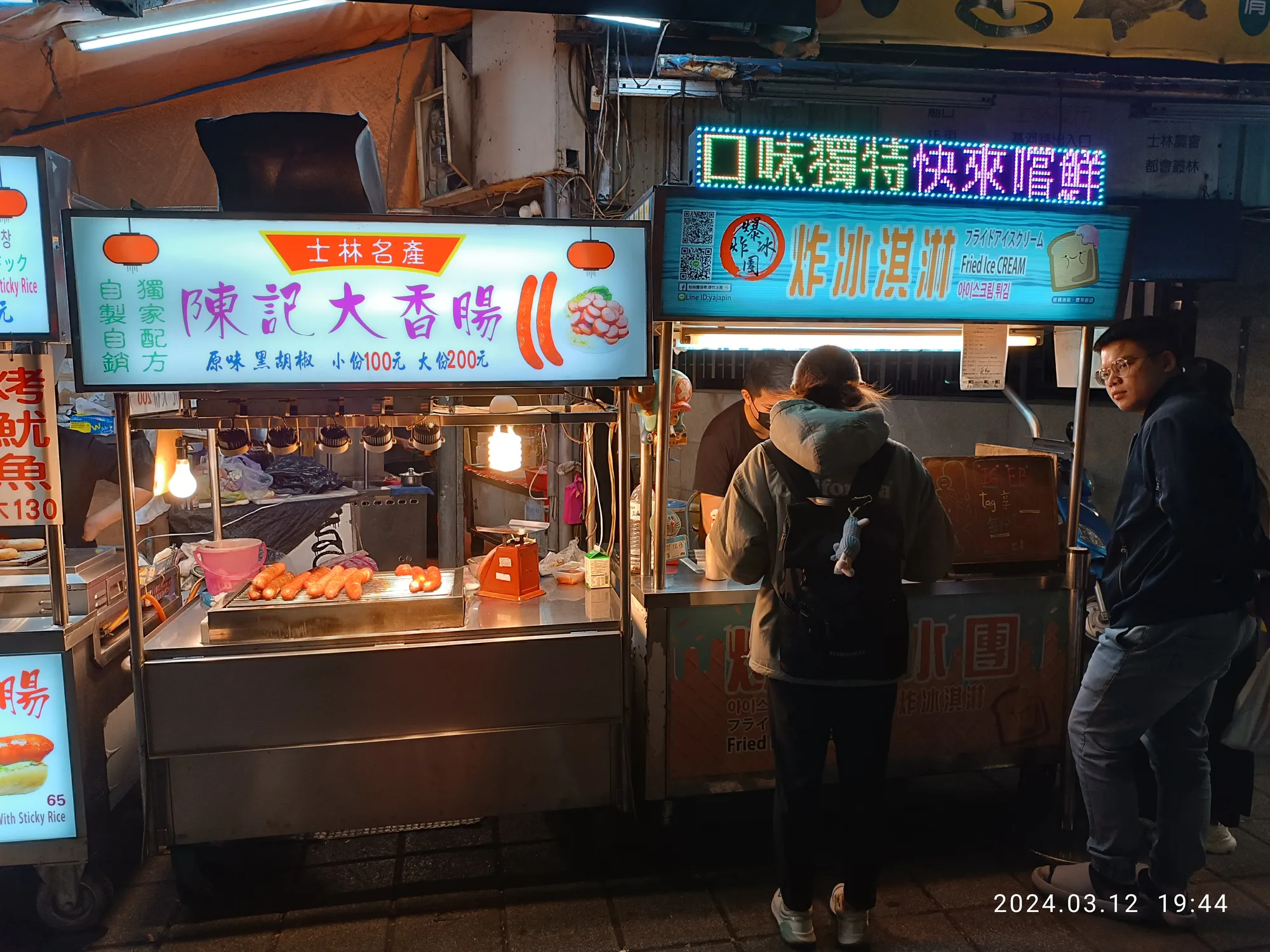
Your stomach usually does best when you keep things simple on Day 1: one comfort bowl, one familiar snack, and plenty of fluids. If you want to go all-in on night markets, do it on Day 2 when your routine is settled.
If you’re sensitive to changes, alternate rich street food with lighter meals and fruit.
If you take regular medication, the safest plan is to bring enough for your whole trip plus a small buffer, kept in your carry-on in its original labelled packaging. Carry a copy of your prescription or a note from your doctor with the generic (active-ingredient) name, since brand names differ between countries and the generic name is what a pharmacist will recognize. A photo of the packaging on your phone is a useful backup.
Some medicines that are routine over-the-counter items at home can be restricted or controlled in Taiwan, and import rules for personal medication change over time, so if you’re carrying anything beyond ordinary basics, it’s worth confirming the current rules with an official Taiwan source first rather than assuming. For routine relief—pain, cold, allergy, stomach—local pharmacies can usually help once you show the active ingredient you’re looking for.
Tap water in Taipei is generally not drunk straight from the tap; locals typically boil it, and many hotels provide a kettle, water dispenser, or filtered water. For day-to-day hydration, bottled water is inexpensive and sold at the convenience stores you’ll pass on practically every block, so there’s never a reason to go thirsty on a hot, humid walking day.
Hydration is genuinely the simplest health upgrade in Taipei’s climate. Sip steadily rather than waiting until you’re parched, lean on cold drinks and the occasional electrolyte top-up after sweaty stretches, and treat your afternoon café or convenience-store stop as a deliberate reset. Most travelers who feel wiped out by midday were simply under-hydrated and over-scheduled.
Seasonal comfort planning is real health planning in Taipei. Hot, damp days can drain energy quickly, and rain can turn sidewalks slippery.
Build in indoor breaks, keep shoes grippy, and use simple prevention habits if insects are active.
Quick answers to common planning questions.
Official pages and references for planning details.
Hand-picked next reads to make your Taipei plan smoother.
A planning-first guide to accessible Taipei: choosing the right base, minimizing transfers, and building days with rest, elevators, and comfort as the default.
Read more →
Packing for Taipei is about comfort: breathable layers, rain readiness, and one or two small items that make humid days easier. Plan for damp air, surprise showers, and lots of walking.
Read more →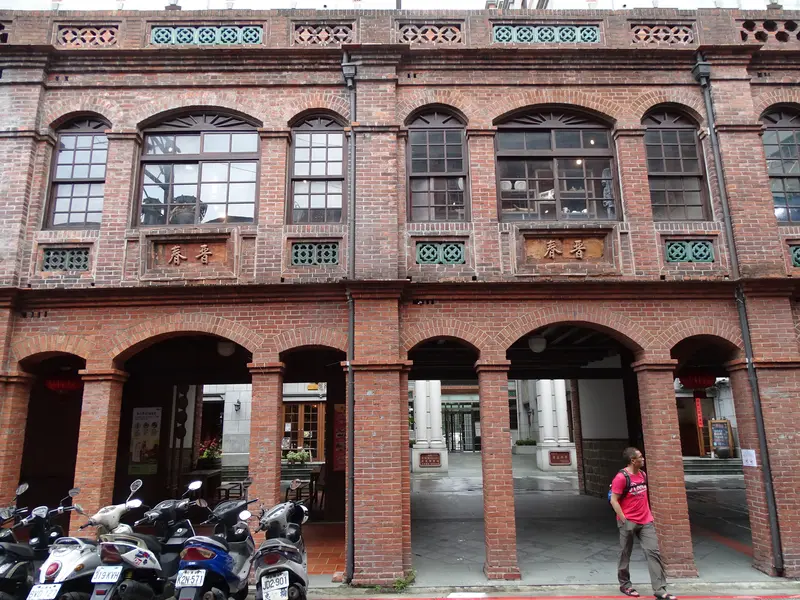
Taipei can be surprisingly affordable if you lean into the city’s strengths: public transit, neighborhood food, parks, and free views.
Read more →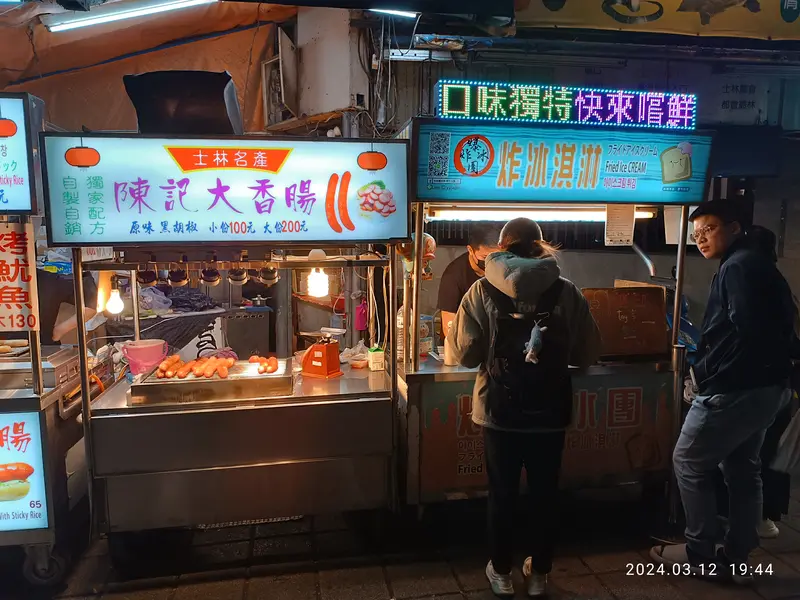
A slower five-day itinerary built around neighborhoods and pacing: more cafés, fewer transfers, and enough buffer to actually enjoy what you discover.
Read more →Start with a simple loop: one neighborhood stroll, one iconic sight, and one night market. Taipei rewards balance.
Tip: hours, prices, and seasonal schedules can change. When something matters (like a museum ticket or a special exhibition), check the official listing before you go.