Skip to content
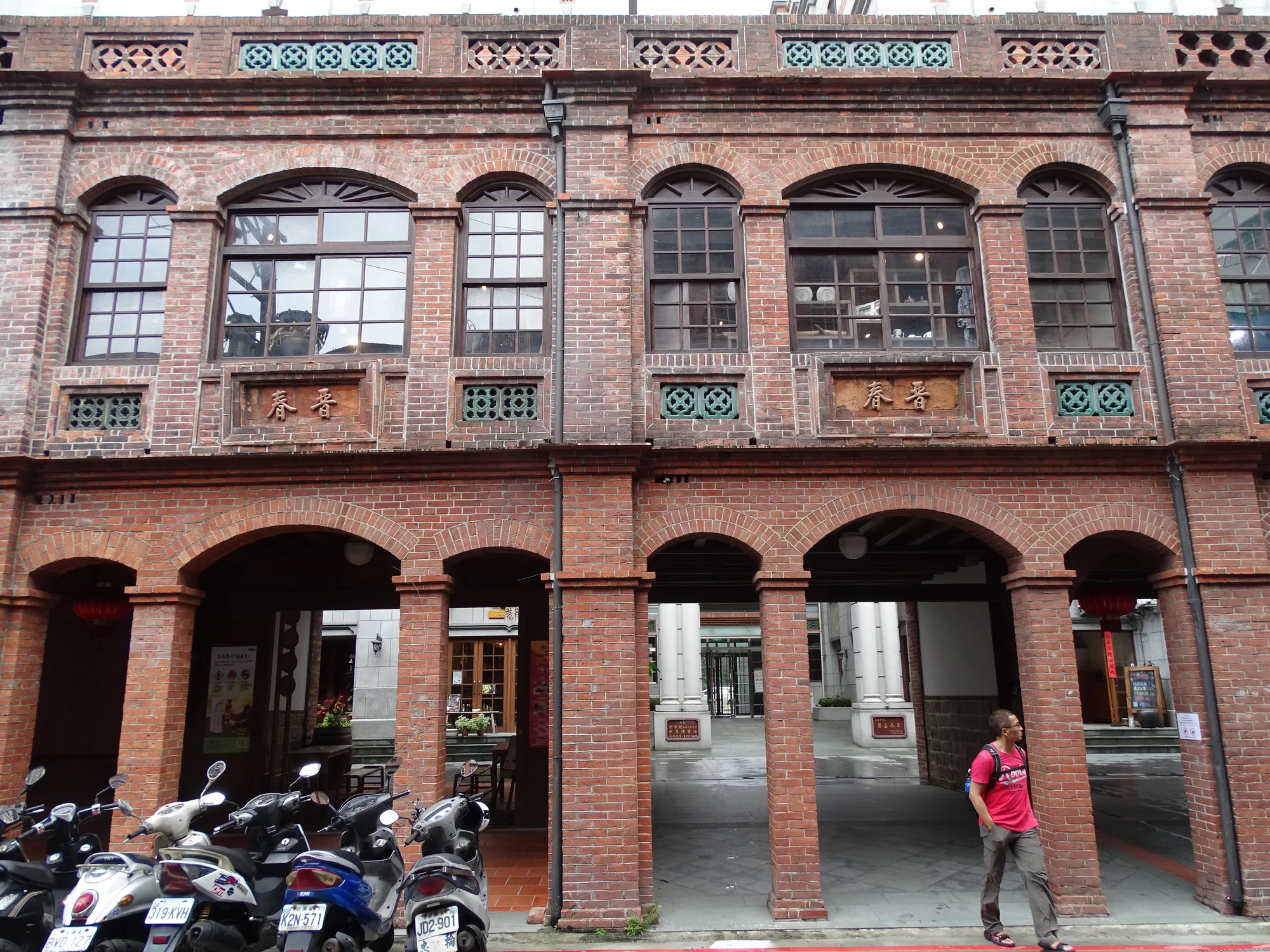
A historic red-brick shophouse facade with arched windows and a covered arcade on Dihua Street, Dadaocheng, Taipei
Taipei · 台北 · 25.03°N 121.56°E

Bopiliao Historical Block: heritage lanes in Wanhua

A preserved Qing-era commercial street beside Longshan Temple, with red-brick arcades layering Fujianese, Qing, Japanese-colonial and Western styles. A photogenic, free heritage stop—best paired with the temple and slow Wanhua wandering.

Adam Jones from Kelowna, BC, Canada · CC BY-SA 2.0

A preserved Qing-era commercial street beside Longshan Temple, with red-brick arcades layering Fujianese, Qing, Japanese-colonial and Western styles. A photogenic, free heritage stop—best paired with the temple and slow Wanhua wandering.

Updated June 20, 2026

Map

Visualize where this fits in your day (and plan nearby pairings).

Open full map →

Quick facts資訊

Cost
Free
Hours
Outdoor alley to ~21:00; restored buildings/exhibitions 09:00–18:00; Heritage & Culture Education Center 09:00–17:00; closed Mondays
Time needed
45 min–1.5 hours
Getting there
MRT Longshan Temple (Bannan/Blue) Exit 3 (or Exit 1), about a 3-min walk
Best time / for
Daytime when the exhibitions and museum are open; combine with adjacent Longshan Temple and Wanhua
Good to know
The indoor exhibitions and museum close earlier (17:00–18:00) and shut on Mondays, though the open-air street stays walkable later.
District
Wanhua
Best for
Heritage texture, photos, short cultural stops
Address
No. 101, Guangzhou St., Wanhua

Highlights亮點

  • Atmospheric red-brick arcades and arches from old Mengjia (Wanhua)
  • A free, walkable ‘texture stop’ a few minutes from Longshan Temple
  • A popular film and period-drama shooting location

Why go

Bopiliao is the kind of place that makes a city feel older in a good way. This preserved Qing-dynasty-era commercial street sits in historic Wanhua (old Mengjia), where it flourished as a trading hub in the late 1800s. It’s not a huge ‘must-see’, but it’s a high-payoff detail stop: streetscapes, textures, and a sense of Taipei’s layers.

It’s especially good on days when you want culture without a full museum commitment—and when weather makes a hike less appealing.

Old Mengjia, Taipei’s birthplace

To understand Bopiliao, it helps to understand Wanhua. Known historically as Mengjia (Bangka), this riverside district was the cradle of Taipei — the first part of the city to develop into a major port and trading town in the 18th and 19th centuries, when goods moved up the Tamsui River from the coast. The lanes around here were among the busiest commercial streets in early Taipei, and Bopiliao is one of the few stretches where that period streetscape survives largely intact.

Today the area still carries that older, working-class character: traditional medicine shops, temples, and markets persist around the corner, and the block sits within steps of Longshan Temple, the spiritual heart of old Wanhua. Visiting Bopiliao alongside the temple gives you a coherent picture of where modern Taipei began, rather than a single isolated photo stop.

  • Wanhua (Mengjia) was the original core of old Taipei
  • A rare surviving stretch of 19th-century commercial streetscape
  • Steps from Longshan Temple, the heart of old Wanhua
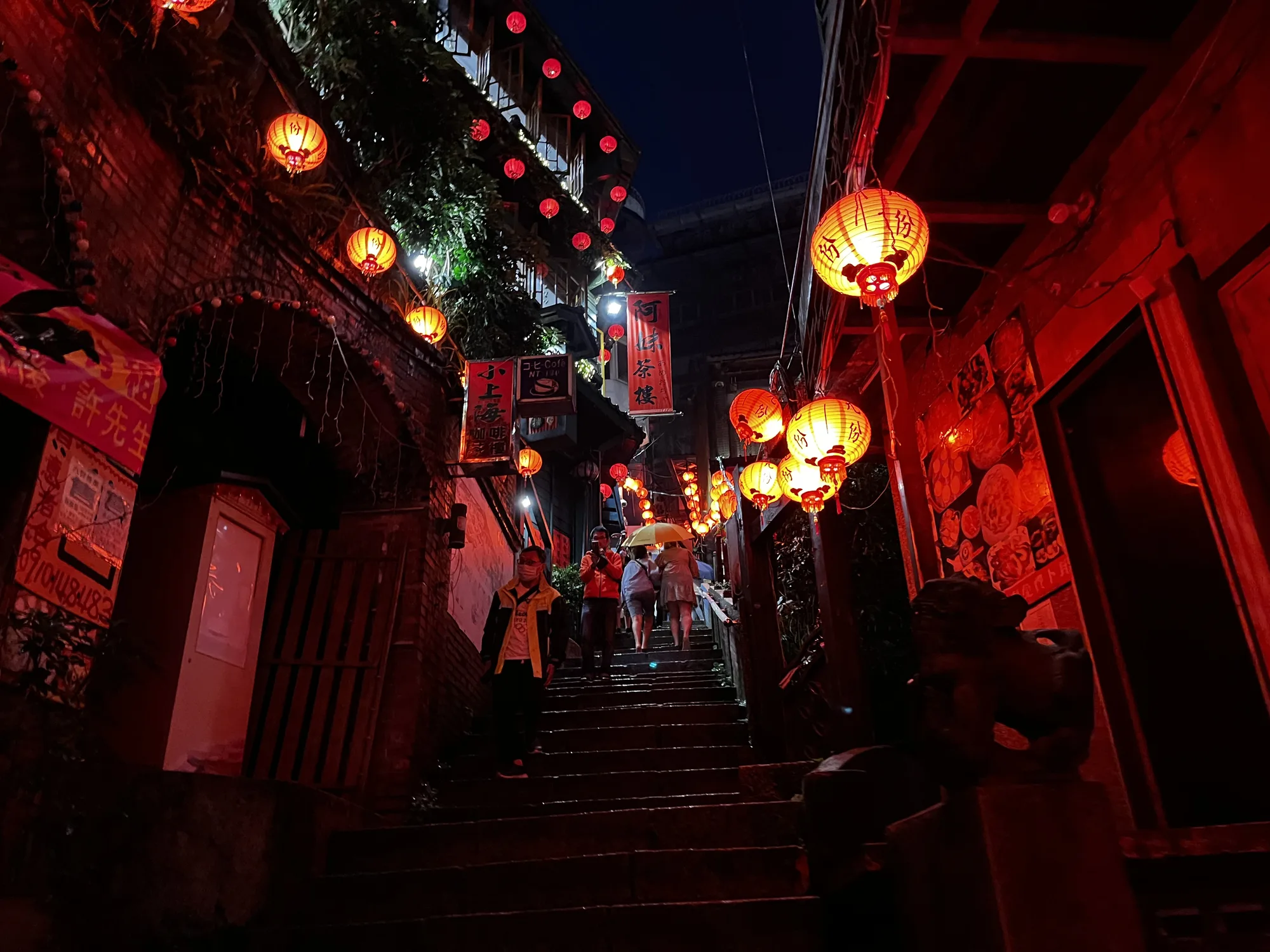
The red-lantern stairway of Jiufen old street glowing at night, lanterns lining the narrow alley as people climb the steps
Photo: Sunkenbean · CC BY-SA 4.0 · Wikimedia Commons

Architecture and history

What makes Bopiliao photogenic is its stacked eras. The block blends Southern Fujianese, Qing, Japanese-colonial and later Western/ROC styles, with red-brick arcades and arches lining the lane—a physical timeline of Taipei’s building history in a single short walk.

Taipei City restored the block in the early 2000s, and the Heritage & Culture Education Center opened here in 2006. Its evocative streetscapes have made it a popular location for film and period dramas.

  • Red-brick arcades and arches mixing Fujianese, Qing, Japanese and Western styles
  • Restored by Taipei City in the early 2000s
  • Heritage & Culture Education Center opened 2006
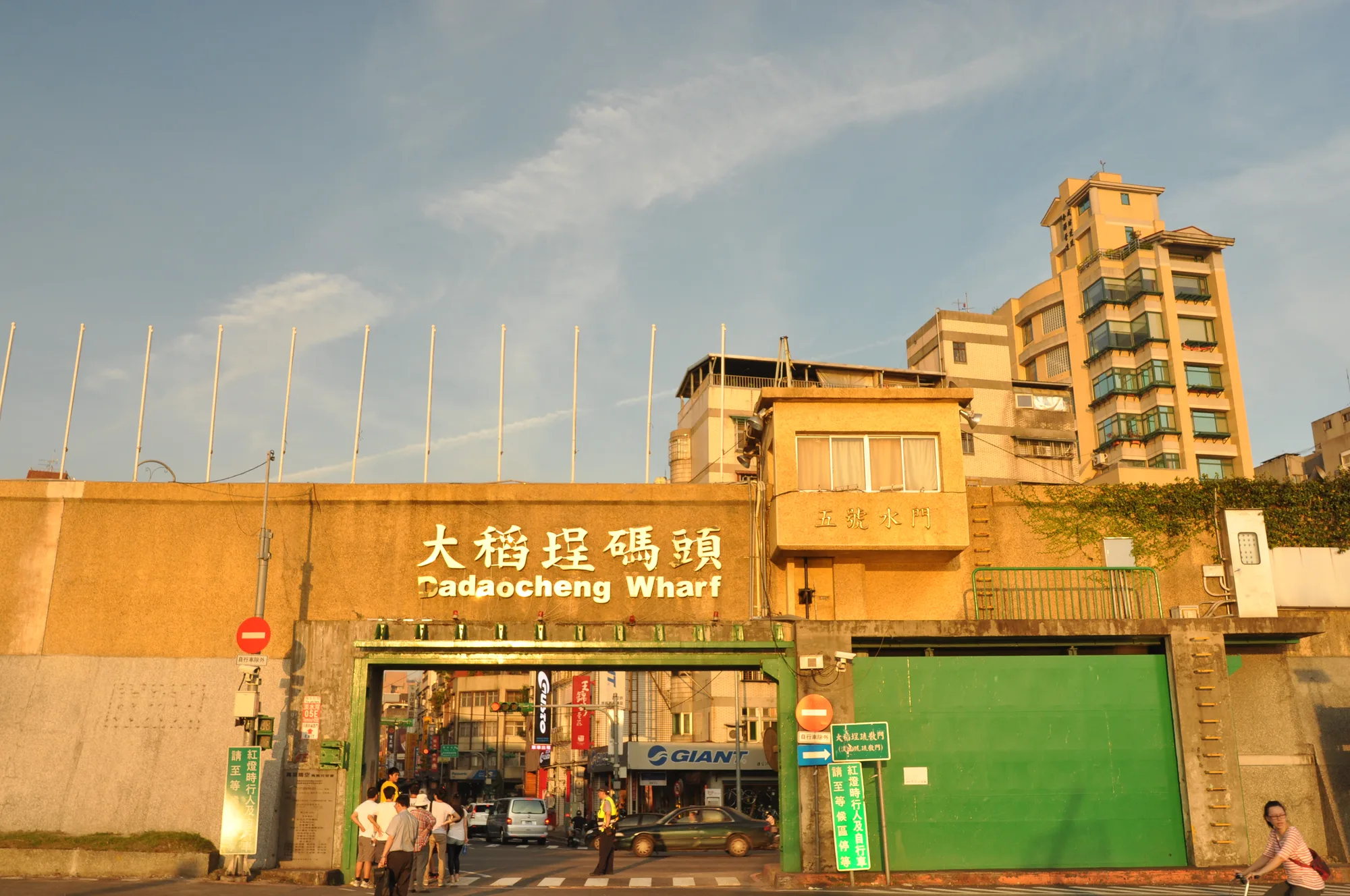
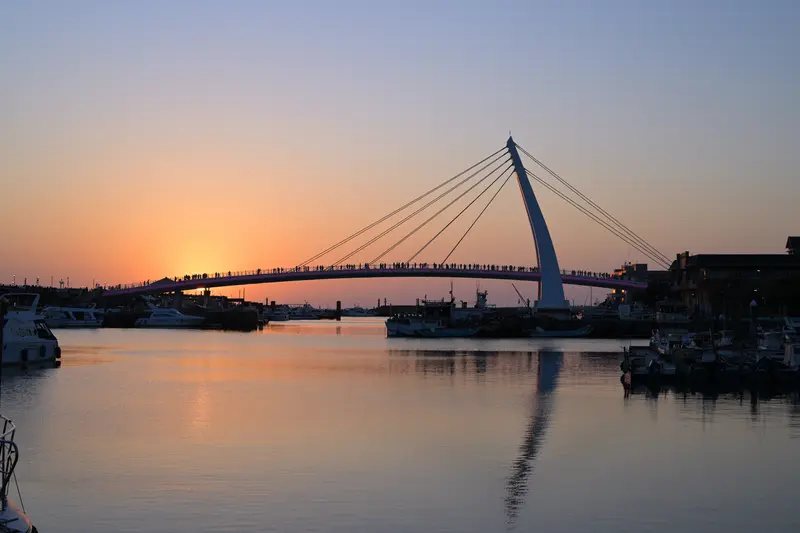
Dadaocheng Wharf in Taipei at golden sunset, with the green riverside floodgate sign reading Dadaocheng Wharf
Photo: keiichiro shikano · CC BY 2.0 · Wikimedia Commons

Practical visiting

It’s genuinely easy to reach: take the MRT to Longshan Temple station (Blue Line) and walk about three minutes from Exit 3 (or Exit 1) to No. 101, Guangzhou St. Entry is free.

Mind the split hours. The open-air alley stays walkable until around 21:00, but the restored buildings and exhibitions run 09:00–18:00 and the Heritage & Culture Education Center museum 09:00–17:00—and all the indoor parts close on Mondays. Come during the day to see the interiors.

How to pair it

Make it part of a Wanhua loop. Start with Longshan Temple next door, add Bopiliao’s heritage lanes for a change of pace, then head to Ximending for an energetic contrast.

  • Longshan Temple → Bopiliao → Wanhua wandering
  • Finish: Ximending or a night market for dinner

FAQ 常見問題

Quick answers to common planning questions.

How do I get to Bopiliao?
Take the MRT to Longshan Temple station on the Bannan (Blue) Line, then walk about three minutes from Exit 3 (or Exit 1) to No. 101, Guangzhou St., Wanhua.
Is there an entry fee?
No, Bopiliao Historical Block is free to enter, including the restored buildings and the Heritage & Culture Education Center.
What are the opening hours?
The outdoor alley is walkable until around 21:00. The restored buildings and exhibitions open 09:00–18:00, and the Heritage & Culture Education Center museum 09:00–17:00. All indoor sections close on Mondays.
How long should I spend there?
About 45 minutes to 1.5 hours is enough to wander the lane, photograph the arcades, and look through the exhibitions—ideal as a short stop within a larger Wanhua day.
What should I pair it with?
It’s right beside Longshan Temple, so the natural loop is temple, then Bopiliao’s heritage lanes, then onward to Ximending or a night market for dinner.
Why is the architecture so mixed?
Because the block was built and rebuilt across several eras. You’ll see Southern Fujianese, Qing, Japanese-colonial, and later Western and Republic-of-China elements layered together — a compact, walkable timeline of how building styles changed in Taipei over more than a century.

Helpful links 連結

Official pages and references for planning details.

Ready to plan your next stop? 下一站

Start with a simple loop: one neighborhood stroll, one iconic sight, and one night market. Taipei rewards balance.

Tip: hours, prices, and seasonal schedules can change. When something matters (like a museum ticket or a special exhibition), check the official listing before you go.