Skip to content
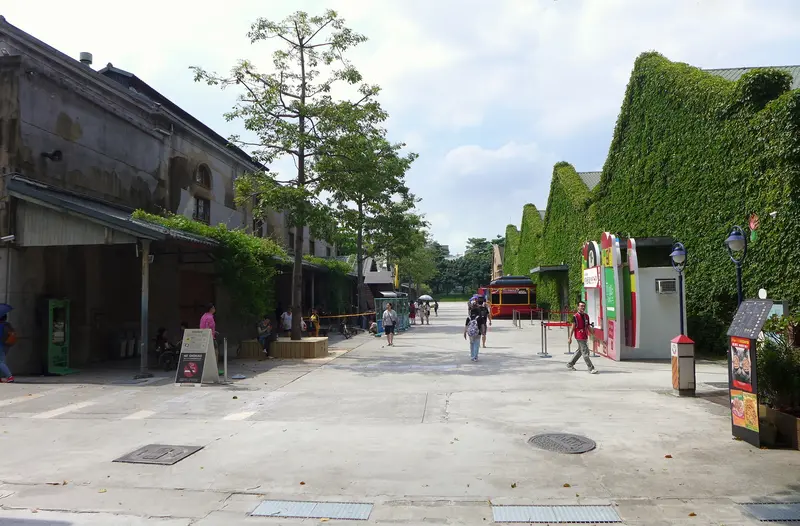
people walking on gray concrete pavement near brown concrete building during daytime
Taipei · 台北 · 25.03°N 121.56°E

Wanhua: old Taipei texture, temples, and historic street life

Taipei’s oldest district: temple atmosphere, heritage blocks, and everyday street scenes—best explored slowly with snacks and short walks. Anchored by Longshan Temple, it’s where the city’s lived-in history is most palpable.

Taipei’s oldest district: temple atmosphere, heritage blocks, and everyday street scenes—best explored slowly with snacks and short walks. Anchored by Longshan Temple, it’s where the city’s lived-in history is most palpable.

Updated June 20, 2026

Map

Visualize where this fits in your day (and plan nearby pairings).

Open full map →

Quick facts資訊

Time needed
Half day, ideal as a morning walking loop
Getting there
MRT Longshan Temple station on the Blue Bannan line, Exit 1, right by the temple
Best time / for
Morning for the temple and a calm walk; year-round
Good to know
This is a working, lived-in district—be respectful in temples (modest dress, follow worshippers’ lead) and confirm temple hours on official channels.
Vibe
Historic, textured, local
Best for
Temple visits, street photography, slow wandering
Signature move
Temple morning → heritage lanes → neon night (Ximending)

Highlights亮點

  • Longshan Temple as a cultural anchor
  • Historic streets and photogenic details (Bopiliao block)
  • Atmospheric old markets and temple-side street food
  • Easy pairing with Ximending for a one-night contrast

The vibe

Wanhua is where Taipei feels oldest. As the city’s original settlement, its streets carry different rhythms: temple incense, small family shops, herbal-medicine stalls, and long-lived daily routines. It’s not curated—it’s real, layered city life, with both its beauty and its rough edges on display.

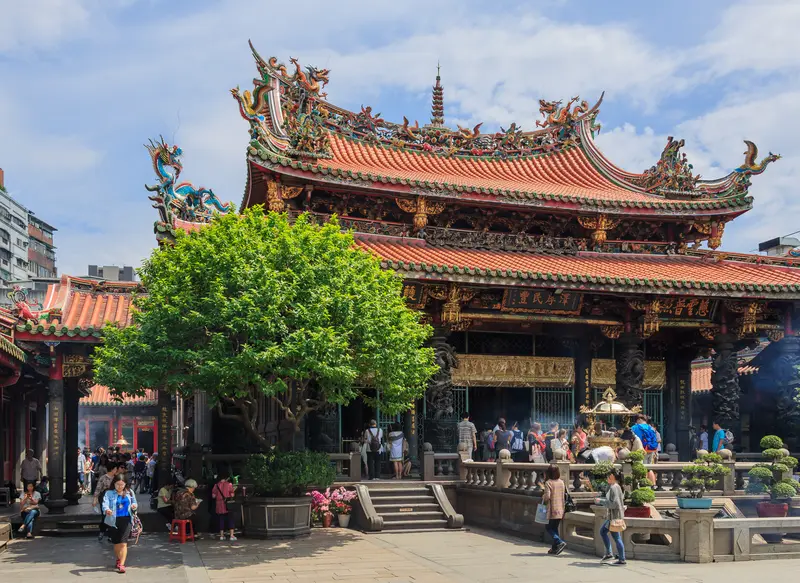
At its heart stands Longshan Temple, founded in 1738 and one of Taipei’s most important and atmospheric places of worship, busy with prayer at almost any hour. Around it spread heritage blocks like the restored Qing-era Bopiliao street, old markets, and temple-side food stalls. If your trip is heavy on modern Taipei—Xinyi, malls, sleek towers—Wanhua is the perfect counterbalance.

How to get there & get around

Longshan Temple station on the Blue (Bannan) line is the gateway—Exit 1 brings you up practically at the temple gates. From Taipei Main Station it’s just a few stops west on the Blue line.

Everything worth seeing is walkable from there. The temple, the Bopiliao historical block, the old markets, and the food lanes form a compact loop, and it’s a short walk north to Ximending if you want to pair old Taipei with neon nightlife.

  • Longshan Temple station (Blue line), Exit 1, right at the temple
  • A few stops west of Taipei Main Station on the Blue line
  • Short walk north to Ximending for an evening contrast
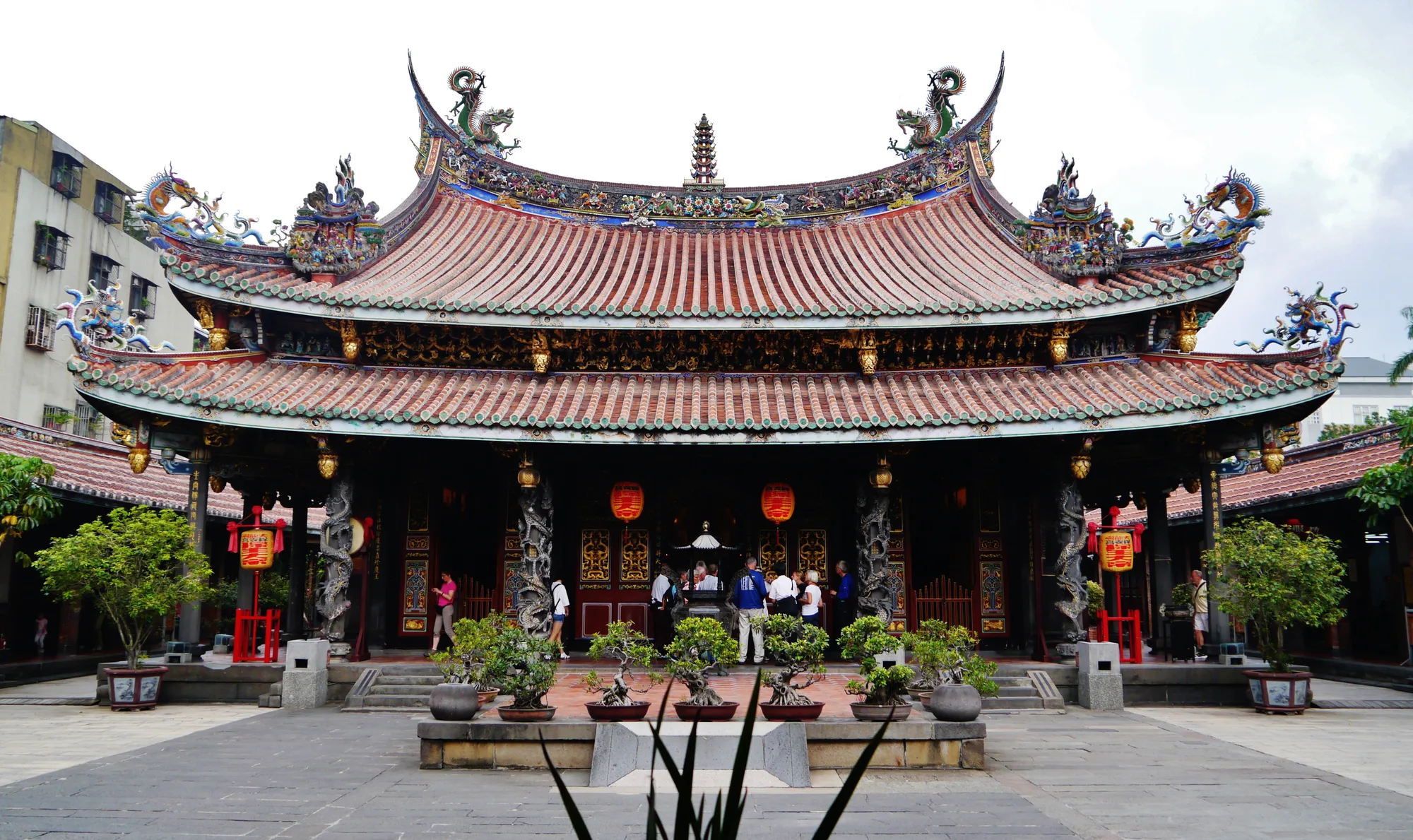
The ornate main hall of Dalongdong Bao'an Temple in Taipei, with a multi-tiered swallowtail roof, dragon ornaments and red lanterns
Photo: Zairon · CC BY-SA 4.0 · Wikimedia Commons

What to do

Wanhua is best as a walking loop. Start with Longshan Temple—watch the rhythm of worship, the incense, and the ornate carvings—then let the streets guide you. Add the Bopiliao historical block, a beautifully preserved stretch of Qing and Japanese-era architecture, and dip into the old markets and herb streets.

Keep your schedule light: this district is about noticing details, not checking boxes. Several smaller temples (such as Qingshan Temple) and atmospheric covered markets reward curious detours.

  • Start at Longshan Temple, then wander the nearby streets
  • Add the Bopiliao historical block for heritage texture
  • Explore old markets and herb-medicine streets
  • End the loop with Ximending for food and neon energy

Where to eat & drink

Treat Wanhua as a snack district. Small bites, traditional sweets, tea, and a calm meal work better here than one big restaurant plan. The covered Huaxi Street market (historically known as Snake Alley) and other old food lanes near the temple offer classic, no-frills Taiwanese eats.

Then save your ‘big’ food night for a night market elsewhere. As always, specific stalls change, so follow the crowds and the local specialties rather than a fixed list, and a peek at hours never hurts where it matters.

  • Temple-side and old-market snacks (Huaxi Street and nearby lanes)
  • Traditional Taiwanese sweets and tea
  • A calm sit-down meal—save the big feast for a night market elsewhere

A little history (and why it matters)

Wanhua—known historically as Bangka or Monga—is the cradle of Taipei. This is where the city began in the 18th century, growing up as a river port on the Tamsui that traded in everything from rice to camphor. That deep history is why the district feels so layered: Longshan Temple dates to 1738, the surrounding streets carry generations of family businesses, and old trades like Chinese herbal medicine still operate from shopfronts that have barely changed in decades.

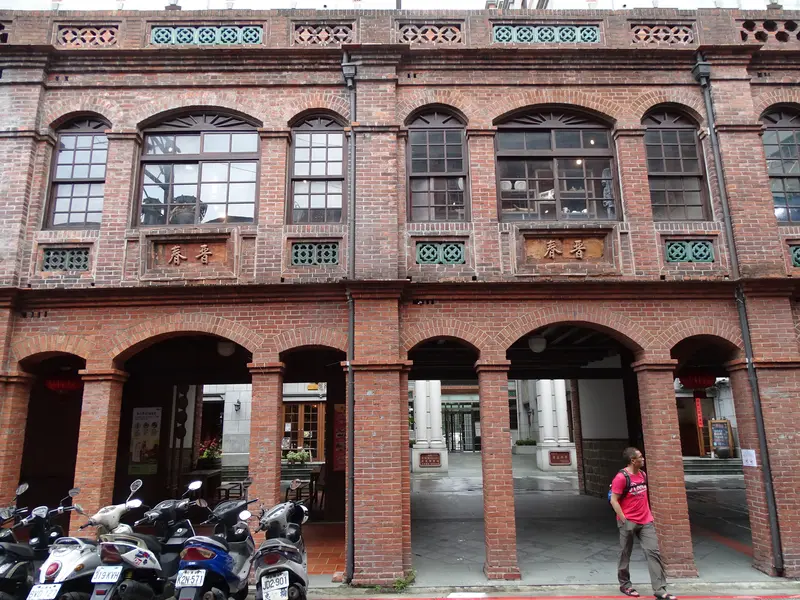
Knowing the backstory changes how you walk it. The Bopiliao block, for instance, isn’t just a pretty row of restored buildings—it preserves Qing-dynasty, Japanese-colonial, and early-modern architecture side by side, a physical timeline of the city’s rulers. Wanhua also has rougher, more honest corners than the polished tourist zones, which is part of what makes it feel real. Approach it with curiosity and respect, and it offers a richer, more human Taipei than any mall or skyline can. This is the neighborhood where the city’s past is not behind glass but still being lived, one shopfront and one prayer at a time.

  • Bangka/Monga was Taipei’s original riverside settlement
  • Longshan Temple dates to 1738; the area is rich in living tradition
  • Bopiliao preserves Qing, Japanese, and modern architecture together
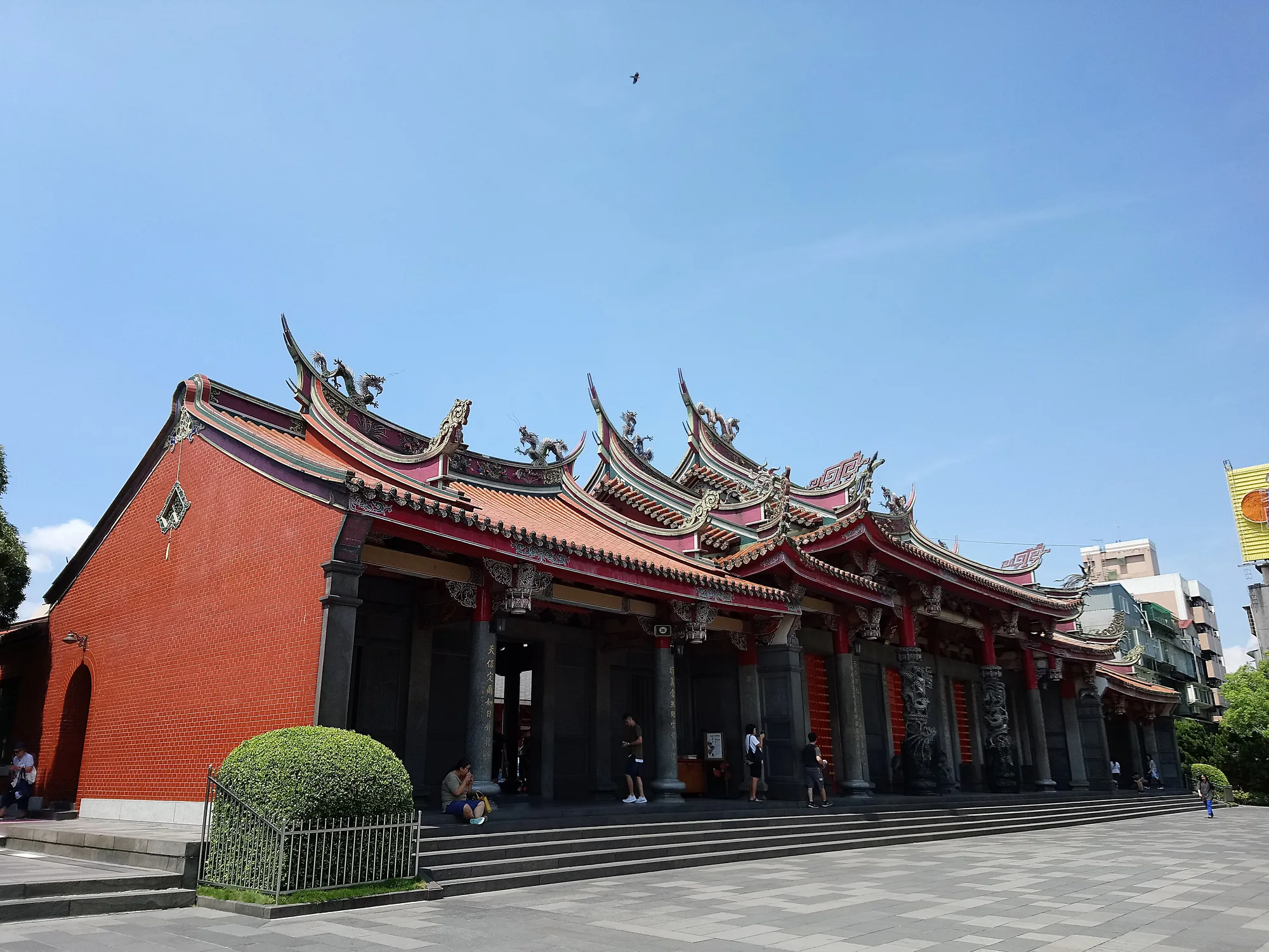
The red-walled Xingtian Temple main hall in Taipei with its ornate swallowtail roof under a blue sky
Photo: 寺人孟子 · CC BY-SA 4.0 · Wikimedia Commons

Best time to visit

Morning is lovely for the temple and a calm walk before the day heats up, and it’s a respectful time to observe worship. The area is busy and atmospheric in the evening too, especially around the markets.

Wanhua works in any weather—Longshan Temple and the covered markets give you shelter—so it’s a fine choice on a drizzly day. Whenever you go, dress modestly in the temples and follow worshippers’ lead.

Who it’s for & how to pair it

Wanhua suits history lovers, photographers, and travelers who want the city’s authentic, lived-in side rather than a polished version. It’s a counterweight to modern Taipei and a meaningful cultural stop.

The classic pairing is Wanhua by day and Ximending by night: incense and old streets, then neon and snacks, all within a short walk. It also connects easily to Zhongzheng’s monuments just to the east.

  • Longshan Temple → Bopiliao → Ximending neon night
  • Wanhua heritage morning → Zhongzheng monuments in the afternoon

FAQ 常見問題

Quick answers to common planning questions.

How do I get to Wanhua and Longshan Temple?
Take the Blue (Bannan) line to Longshan Temple station and use Exit 1—you’ll come up right by the temple. It’s only a few stops west of Taipei Main Station.
Is Wanhua walkable?
Yes. The temple, the Bopiliao historical block, the old markets, and the food lanes form a compact loop, and it’s a short walk north to Ximending.
What is Wanhua known for?
It’s Taipei’s oldest district, known for Longshan Temple, heritage streets like Bopiliao, traditional markets and herb shops, and an authentic, lived-in atmosphere.
Do I need to dress a certain way for Longshan Temple?
Modest, respectful dress is appropriate, and it’s polite to follow worshippers’ lead and avoid blocking those praying. Current temple hours are easy to confirm on official channels.
Can I combine Wanhua with Ximending?
Definitely—it’s the classic pairing. Do Wanhua’s temples and old streets by day, then walk north to Ximending for neon, shopping, and street food at night.
How long should I spend in Wanhua?
Half a day is ideal—enough for Longshan Temple, the Bopiliao block, a wander through the old markets, and some temple-side snacks. Keep the schedule light, since this is a district for noticing details rather than rushing a checklist.
Is Wanhua safe and suitable for visitors?
Yes—it’s a well-visited cultural district, though it has some rougher, more lived-in corners than the polished tourist zones, which is part of its honesty. Use ordinary city awareness, dress respectfully at temples, and you’ll find it warm and rewarding.


Keep exploring 繼續逛

Hand-picked next reads to make your Taipei plan smoother.

Longshan Temple: Taipei’s living heritage in Wanhua

Longshan Temple: Taipei’s living heritage in Wanhua

Founded in 1738 in Taipei’s oldest neighborhood, Longshan Temple is a working Buddhist-and-Taoist shrine wrapped in ornate Taiwanese craftsmanship—and the perfect gateway into the old streets of Wanhua.

Read more →
Bopiliao Historical Block: heritage lanes in Wanhua

Bopiliao Historical Block: heritage lanes in Wanhua

A preserved Qing-era commercial street beside Longshan Temple, with red-brick arcades layering Fujianese, Qing, Japanese-colonial and Western styles. A photogenic, free heritage stop—best paired with the temple and slow Wanhua wandering.

Read more →
Ximending: youth culture, neon nights, and easy street food

Ximending: youth culture, neon nights, and easy street food

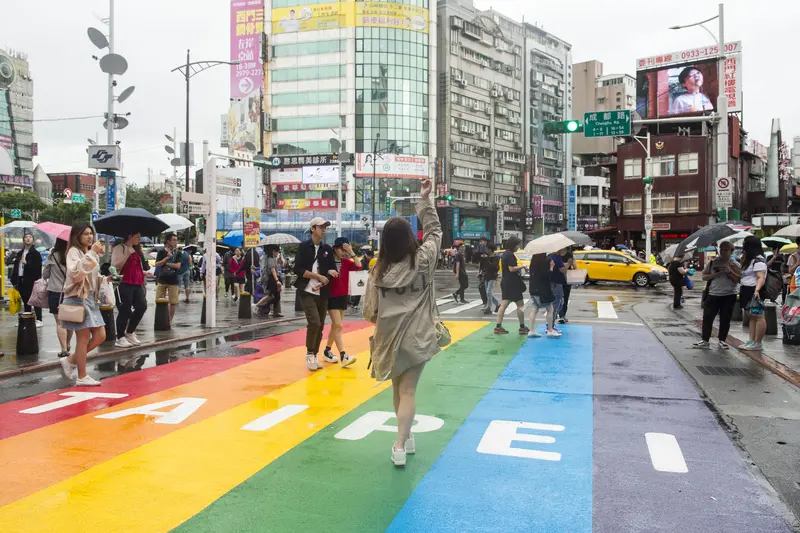
Taipei’s most famous pedestrian shopping area—bright signage, pop culture, and a steady stream of snacks and late-night eats. Compact, walkable, and endlessly photogenic, it’s the city’s easiest ‘Taipei at night’ to dive into on day one.

Read more →
Zhongzheng: monuments, museums, and classic civic Taipei

Zhongzheng: monuments, museums, and classic civic Taipei

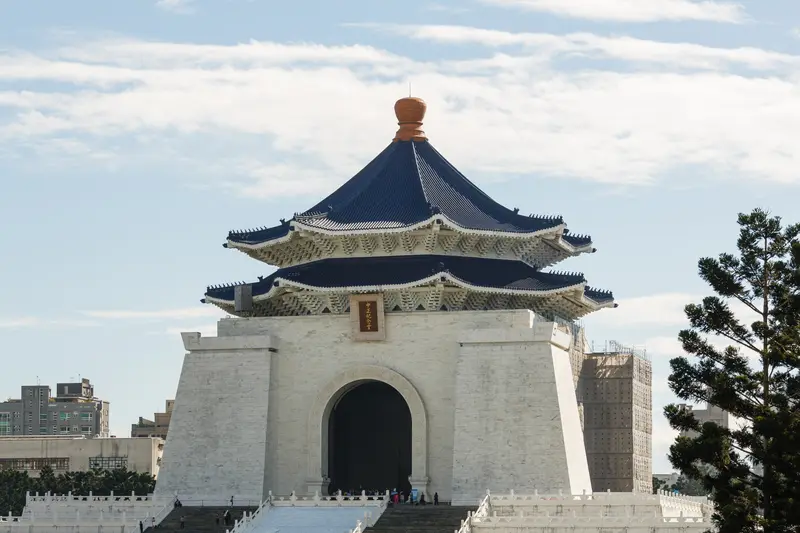
A central district for big cultural landmarks and museum-style sightseeing—ideal for your ‘classic Taipei’ day. Home to the CKS Memorial Hall, Liberty Square, and the city’s great national museums, it’s where Taipei tells its public story.

Read more →
A self-guided Taipei temple day: culture without awkwardness

A self-guided Taipei temple day: culture without awkwardness

A respectful, beginner-friendly temple day plan: how to move, what to notice, and how to pair temples with food streets and cafés for a complete Taipei day.

Read more →
Temples in Taipei: etiquette, timing, and what to notice

Temples in Taipei: etiquette, timing, and what to notice

A respectful, beginner-friendly guide to visiting Taipei’s temples—what to wear, how to move, and how to appreciate the details without feeling awkward.

Read more →

Ready to plan your next stop? 下一站

Start with a simple loop: one neighborhood stroll, one iconic sight, and one night market. Taipei rewards balance.

Tip: hours, prices, and seasonal schedules can change. When something matters (like a museum ticket or a special exhibition), check the official listing before you go.